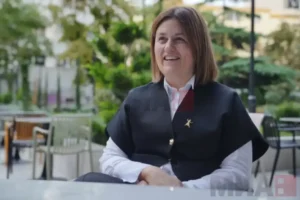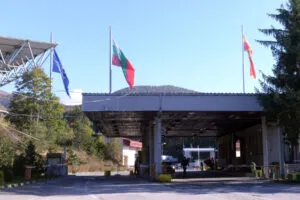
No Passport, on the Stop List, and Yet in Sofia: Who Let Iva Mihailova Across the Border?
13.10.2026


13.10.2026

13.10.2026
13.10.2026
13.10.2026

13.10.2026
13.10.2026

13.10.2026

12.10.2026

12.10.2026

13.10.2026

13.10.2026

12.10.2026

13.10.2026

13.10.2026

13.10.2026

13.10.2026

12.10.2026

11.10.2026

13.10.2026

13.10.2026

13.10.2026

13.10.2026

13.10.2026

13.10.2026
12.10.2026

10.10.2026

08.10.2026

23.04.2026

23.04.2026

12.04.2026

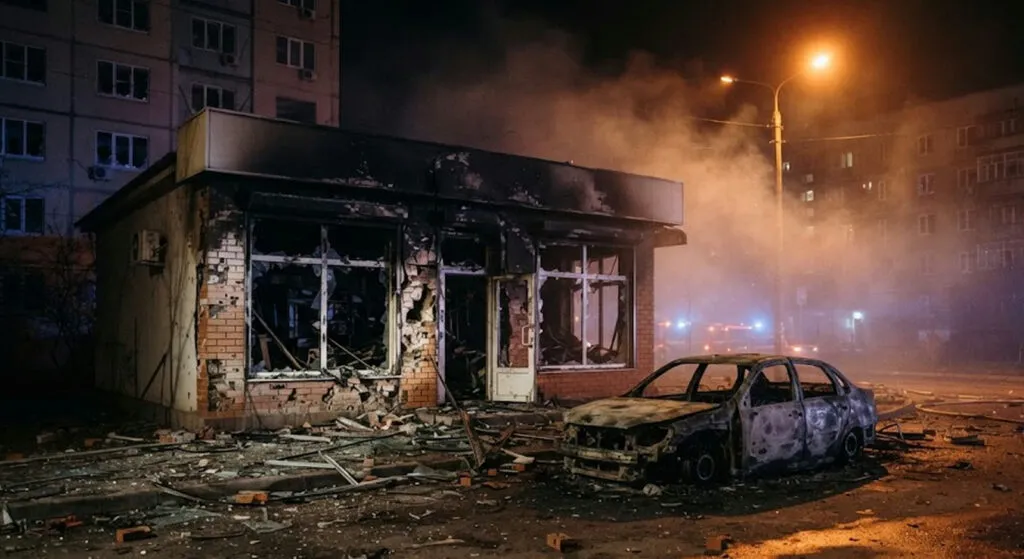
"The energy ceasefire in the war between Russia and Ukraine takes effect immediately. Both sides have agreed. Don't break it," US President Donald Trump wrote on his Truth Social network. A few hours later, on Sunday at around 7:25 p.m., a Russian missile struck the middle of densely populated Pisochyn, a suburb of Kharkiv, next to shops and multi-storey apartment blocks.
Three people were killed there - a 19-year-old girl, a 51-year-old woman and a sixteen-year-old boy. According to the latest figures from Ukrainian police, another 25 people were injured, among them two girls aged nine and 13. Fire engulfed the shop, nearby cars and buildings were damaged, and Ukrainian prosecutors opened an investigation into a suspected war crime.
At almost the same time, around 7:15 p.m., a Russian jet-powered drone struck Ivano-Frankivsk, at the other end of the country, in the west. Initially two people were reported killed and one injured. The injured person later died in hospital, bringing the death toll to three. At least six dead in the two attacks, just hours after the announcement from Washington. Earlier in the day Kharkiv had also been hit with guided aerial bombs: in the Nemyshlianskyi district, a woman died after rescuers pulled her from the rubble, and at least eight people were injured.
That the ceasefire didn't hold is no surprise. The bigger question is whether it ever existed outside a single social media post. Moscow has not officially confirmed it accepted any deal at all. Volodymyr Zelensky said he knew nothing about it beforehand and expects Washington to explain exactly when it starts. "If President Trump agreed this with Putin, let them tell us when the ceasefire begins. We're ready and we'll accept it," he said. He accused Russia of continuing to target energy facilities in Kyiv and Kharkiv on Sunday as well.
The backdrop is fuel. On 9 October Trump and Vladimir Putin agreed on deliveries of Russian diesel to the American and world markets. Trump then accused Zelensky of ignoring Washington's demands to stop hitting Russian refineries, because, in his view, that drives up fuel prices. He went a step further: Ukraine, he said, needs a new president, one ready to make a deal with Moscow.
Zelensky replies that he's ready to halt attacks on Russian refineries - but only if Moscow simultaneously stops targeting Ukrainian energy facilities. In his view, America's easing of sanctions brings Russia extra revenue for the war. A unilateral ceasefire would mean Kyiv giving up its strongest card while Russian missiles keep flying at power plants. And while Washington and Kyiv argue over the terms, Ukrenergo announced new scheduled power cuts for 12 October, as a result of earlier Russian attacks on energy facilities.
The Balkans know well what a ceasefire looks like when it's announced in front of the cameras and broken before nightfall. What's a deal worth when the only one who knows it exists for sure is the one who announced it?
The latest 10 news from this category
The Americans are calling Kyiv and several European capitals: if strikes on Russian refineries continue, the weapons and intelligence stop,...
A ceasefire announced on social media, without a word from the Kremlin, while the pressure goes only towards Kyiv. The...
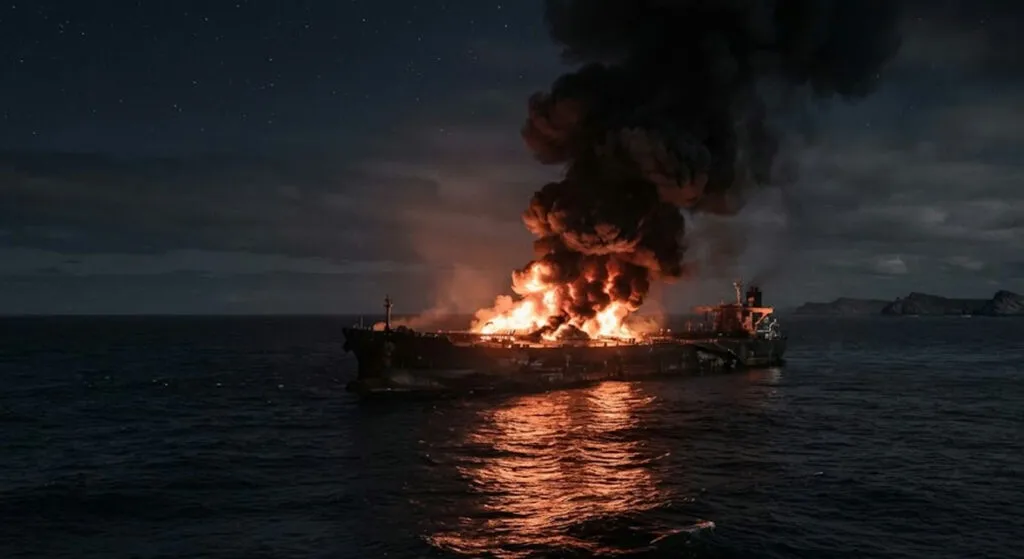
Iran claims the tanker only has itself to blame for sailing an "unauthorised route". Hormuz is no longer a sea...
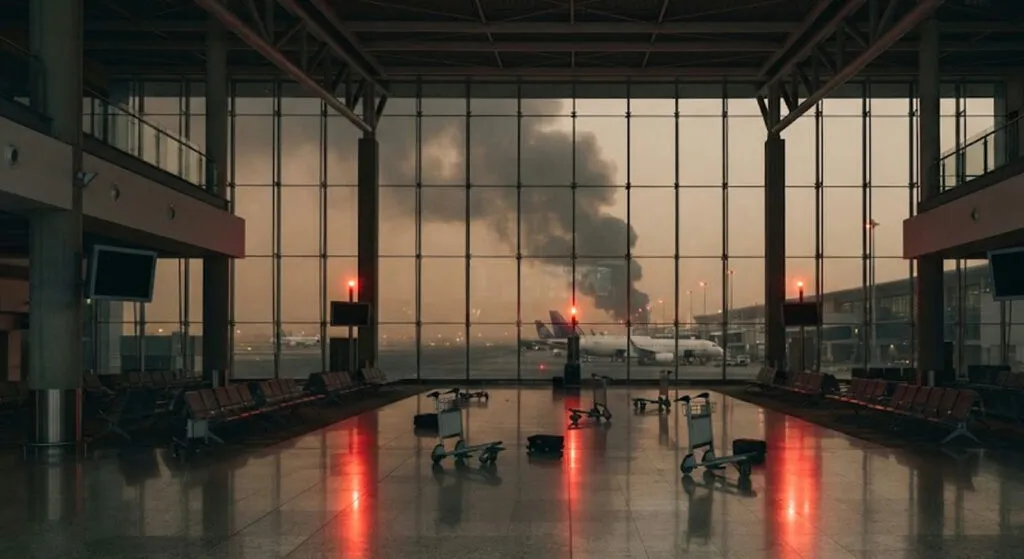
Almost 300 canceled flights and dozens injured in the Saudi capital. The war in Yemen stopped being local long ago,...
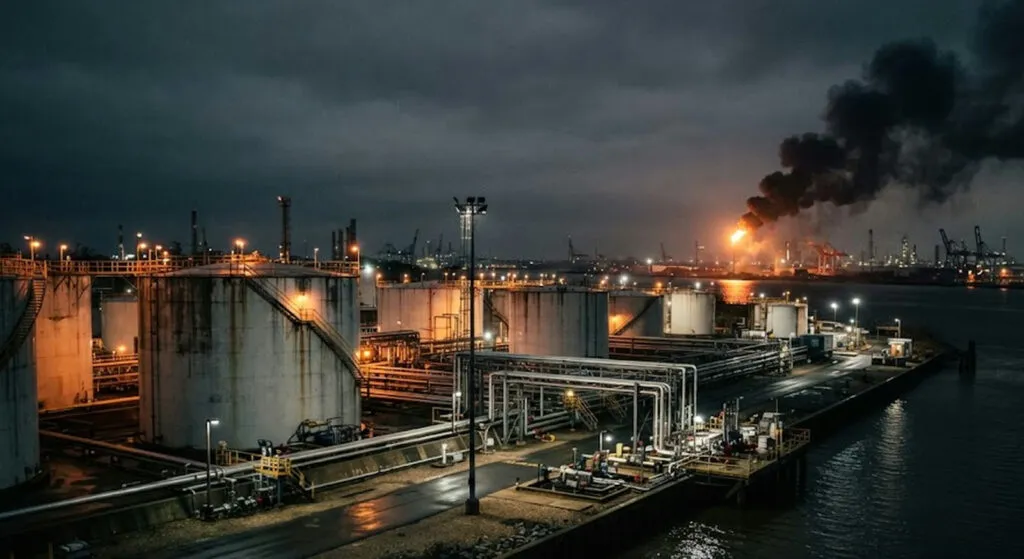
Washington eased sanctions on Russian diesel without Kyiv being informed, and Ukrainian drones answered the very night after the deal....
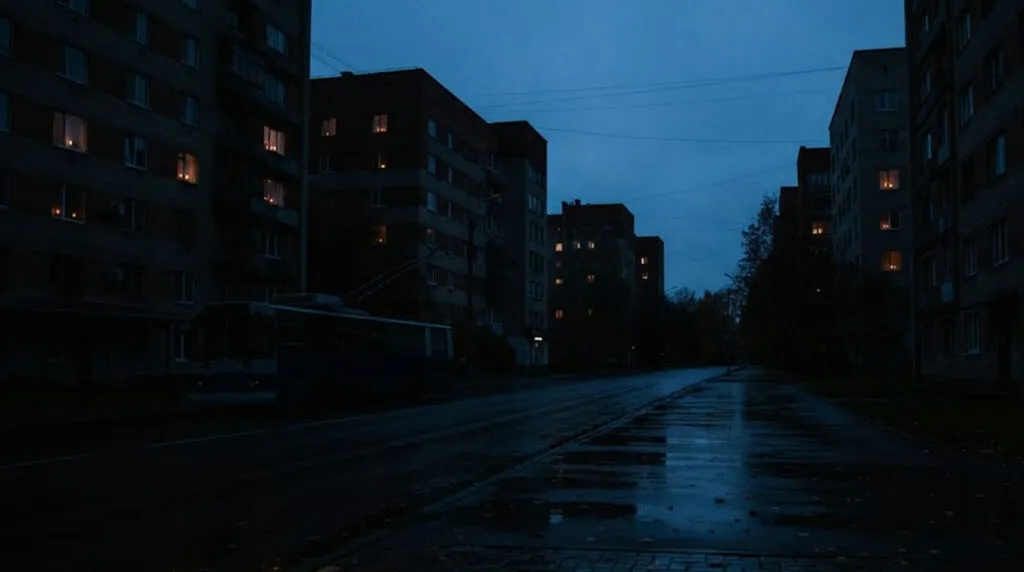
Kyiv's mayor is advising residents who have somewhere to go to leave before winter, the metro stopped, and a taxi...
The planes of Russia's top leadership circled over Moscow, and one ended up in St. Petersburg because of Ukrainian drones....
Two weeks after Russia threatened its "entire arsenal" over Kaliningrad, the alliance is rehearsing nuclear missions while reassuring Moscow at...
In parts of Kyiv the power comes back for an hour at a time, and without it there is no...
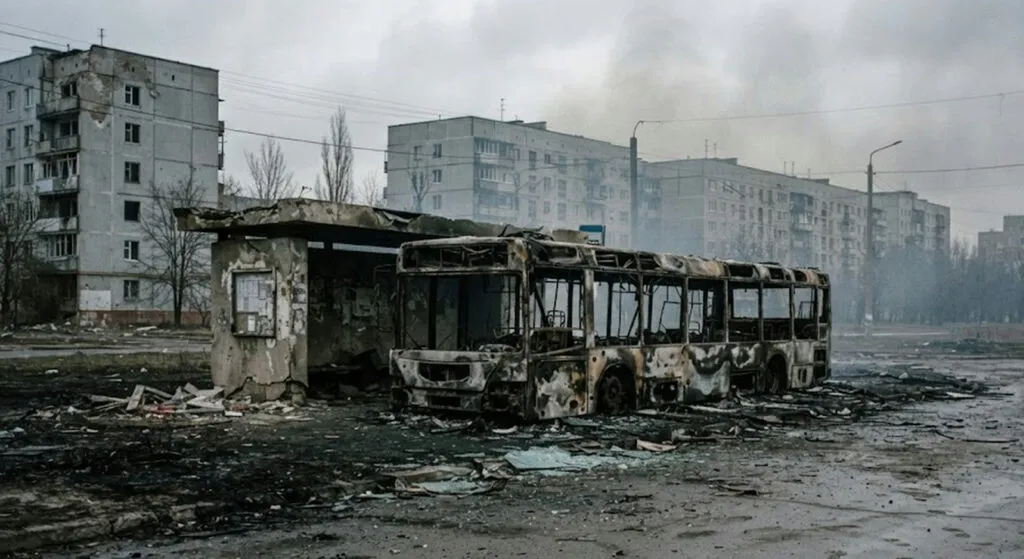
A guided bomb on the bus station, two buses in flames, 33 dead and 18 wounded. The governor of the...
This site uses cookies - is that okay? Learn more
Be the first to know when Metla launches something new
Leave your email and we will write when there is a new guide or something new on Metla.