


Two young men say police officers beat them while they were tied up: the investigation is being run by the Interior Ministry itself
10.10.2026


10.10.2026

10.10.2026

10.10.2026

10.10.2026
10.10.2026

10.10.2026

10.10.2026

10.10.2026
09.10.2026

10.10.2026

10.10.2026

09.10.2026

10.10.2026

10.10.2026

10.10.2026

10.10.2026

09.10.2026

08.10.2026

10.10.2026

10.10.2026

10.10.2026

10.10.2026

10.10.2026

09.10.2026
09.10.2026

08.10.2026

07.10.2026
10.10.2026

08.10.2026

06.10.2026

23.04.2026

23.04.2026

12.04.2026

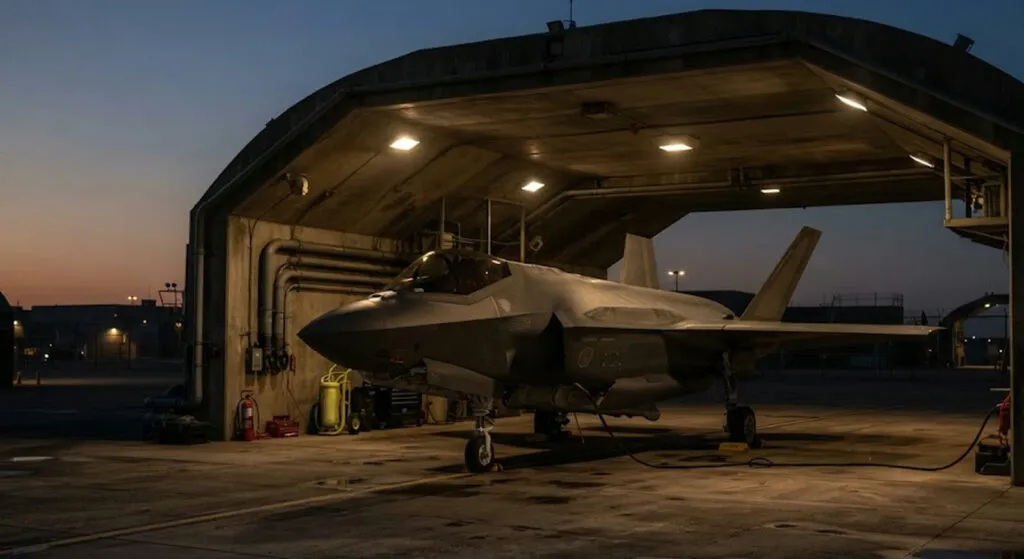
From 13 to 23 October the skies over Italy will be used by aircraft practising something nobody wants to see for real: a nuclear strike. NATO is starting its annual exercise Steadfast Noon with 17 member states - three more than last year, when 14 took part. And before the first plane even took off, the alliance sent a message to Moscow: there is no reason to worry.
The exercise covers preparing fighter jets for nuclear tasks, checking procedures and coordination between the air forces of different members. The main part takes place in Italy, at the Aviano and Ghedi air bases, and some operations will also take place in the airspace of other allied countries. No real nuclear warheads or live munitions will be used. Turkey is among the participants, the US is sending aircrews and technical personnel, and France is absent because it is not part of NATO's Nuclear Planning Group and controls its nuclear forces on its own.
"We hold these exercises every year. It is also a clear message to countries like Russia that there is no reason for concern. Everything is predictable and there is no room for miscalculation," said the alliance's director for nuclear policy. According to her, NATO is closely monitoring Russia's nuclear forces and has not noticed any significant changes in their posture. Colonel David Bull, who heads NATO's nuclear operations, says the goal is to test discipline and the ability to act together, because the nuclear mission is "an important part of collective defence".
The letter about Kaliningrad
Why so much reassurance for an exercise held every autumn? The answer lies to the north, between Poland and Lithuania. After military manoeuvres in August near the Kaliningrad region, Moscow sent NATO a letter warning of the consequences of any attempt to isolate the Russian enclave. The letter says that if its territory is threatened, Russia could use its entire available arsenal - including nuclear weapons.
Kaliningrad is not a random dot on the map. It is home to the main base of Russia's Baltic Fleet and to Iskander missile systems capable of carrying nuclear warheads. Secretary General Mark Rutte confirmed that the alliance had replied to Moscow, but would not reveal the full content of the Russian message. The exercise begins just two weeks after that warning - NATO did not change its plans, it simply accompanied them with a public assurance that no attack on Russian territory is being prepared.
This is what nuclear diplomacy looks like in 2026: one side writes letters about its "entire arsenal", the other rehearses nuclear missions while explaining that it is all routine. NATO has not published all the scenarios the pilots will practise, nor the full list of weapons and equipment. Macedonia has been a member of the alliance since 2020 - how many of us even know that the "collective defence" we stand under also includes a nuclear mission that is rehearsed every autumn, just across the Adriatic? And when both sides try this hard to convince each other there is no reason to worry, who is it that needs calming down?
The latest 10 news from this category

In parts of Kyiv the power comes back for an hour at a time, and without it there is no...
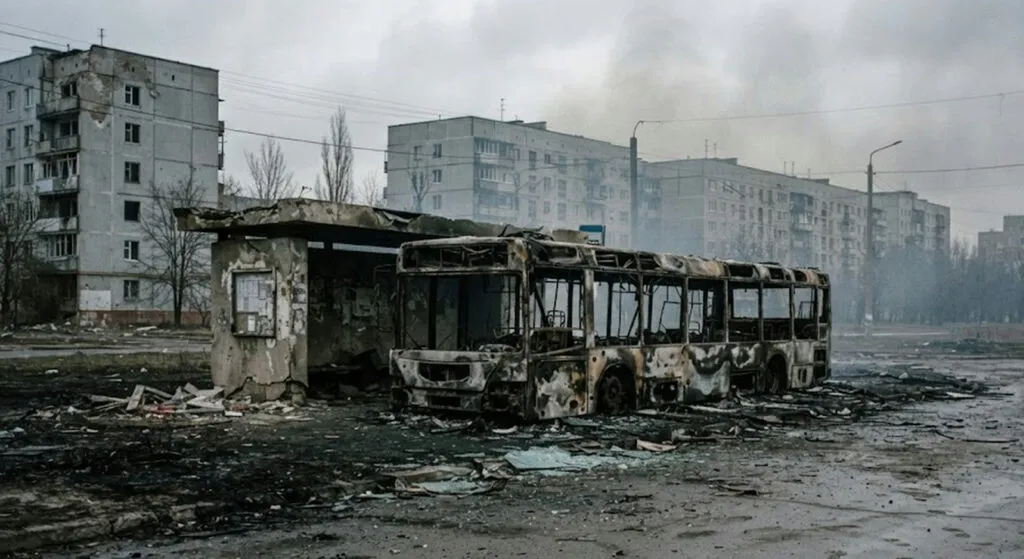
A guided bomb on the bus station, two buses in flames, 33 dead and 18 wounded. The governor of the...
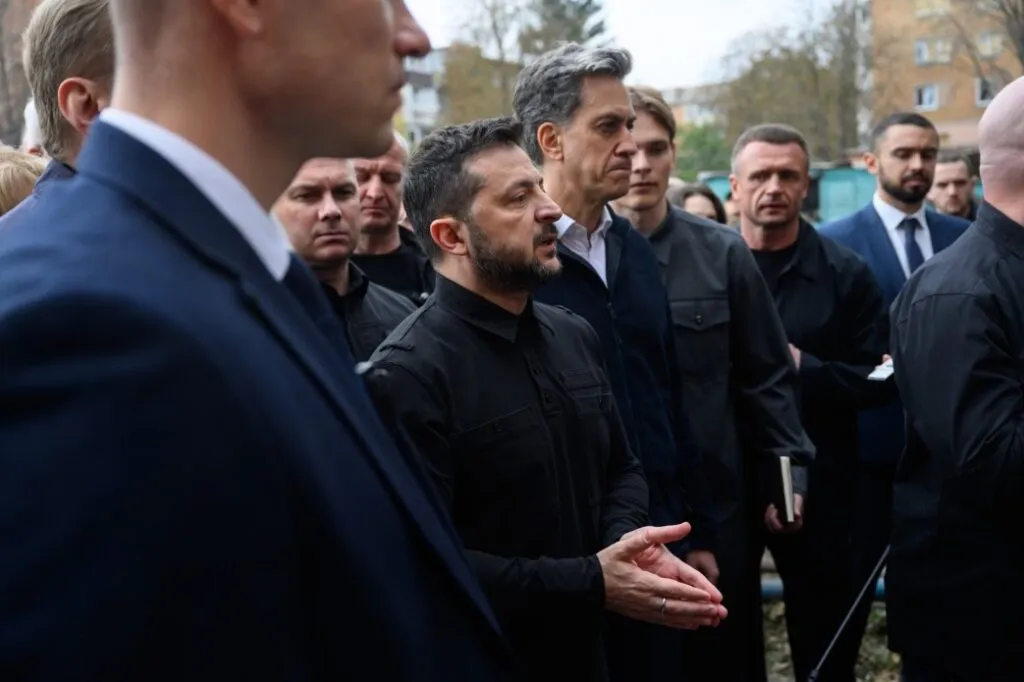
While Rubio talks of a "dangerous stalemate", Ukraine counts 78 dead in two days. Zelensky wants sanctions and Starlink, and...
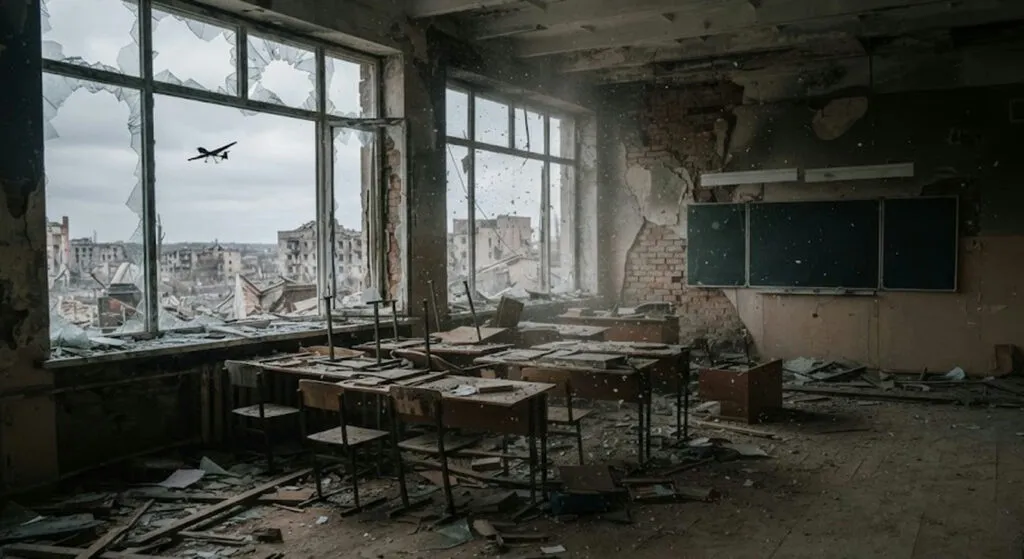
Russia's Defence Ministry lists schools, a court and a stadium, Ukraine's General Staff counts attacks, and ISW analysts see no...
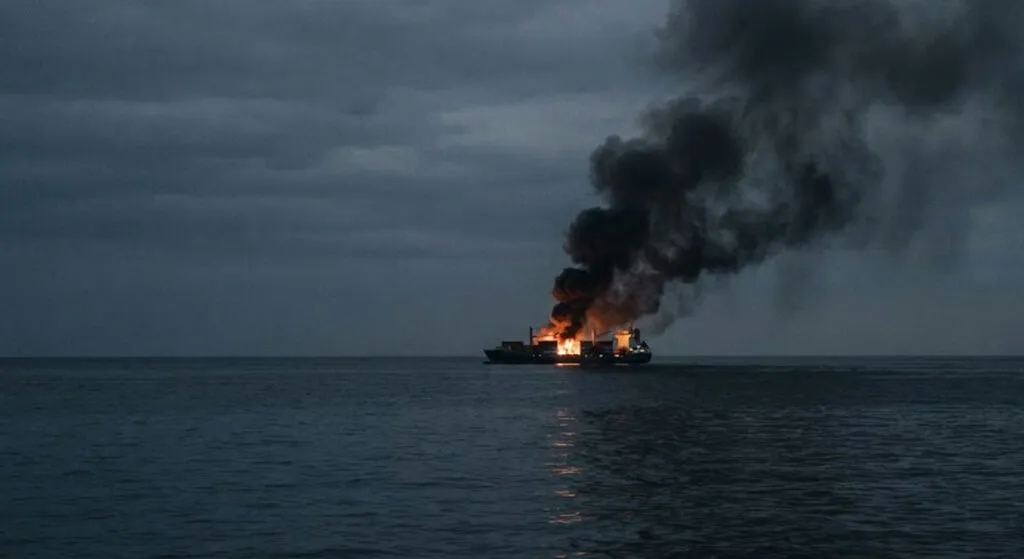
One cargo ship is on the seabed, its crew is gone, and a NATO member state says it can't say...
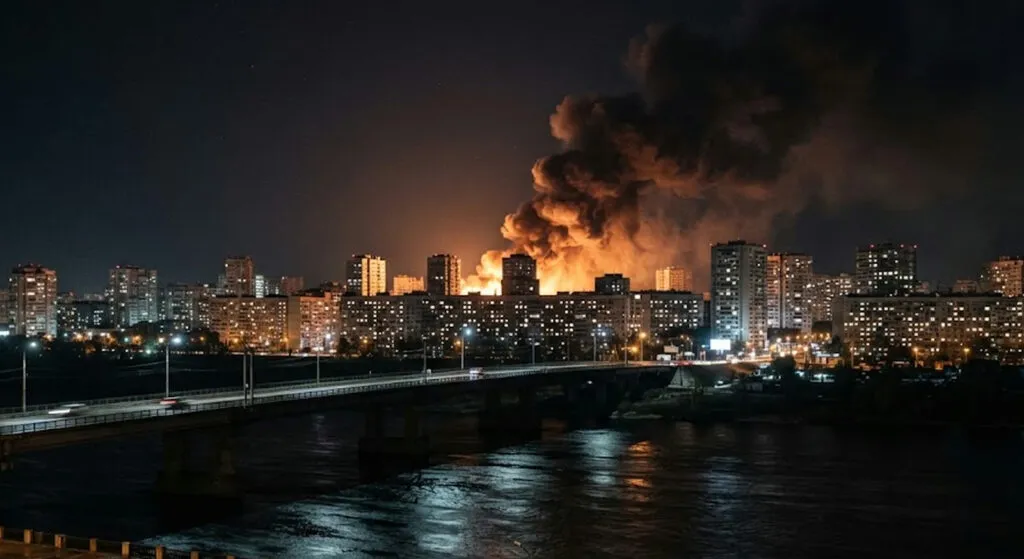
While birthday telegrams are being counted in Moscow, rescuers in Pryluky are searching the rubble of a five-storey building. A...
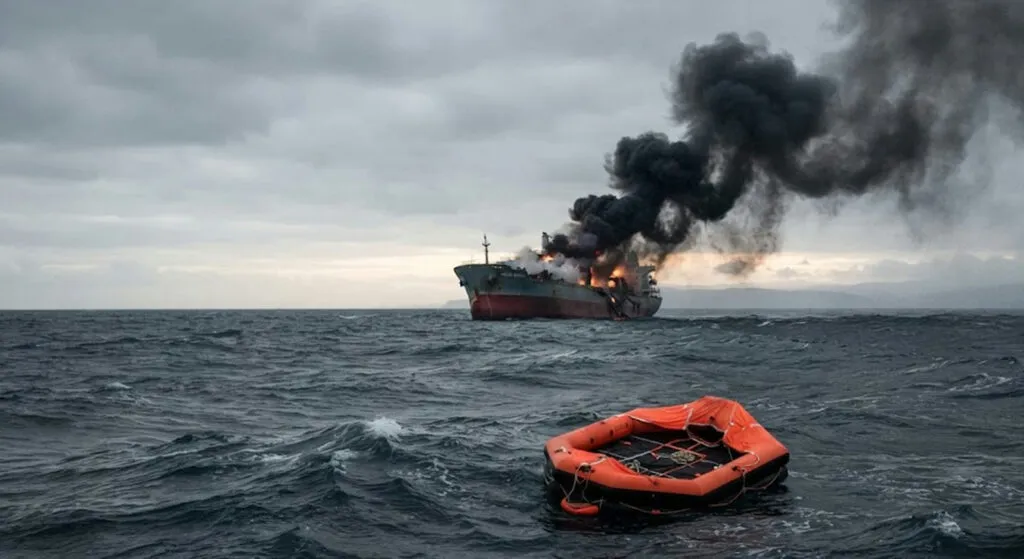
Two merchant ships hit, one on the seabed, and rescuers find only capsized life rafts. According to available information, this...
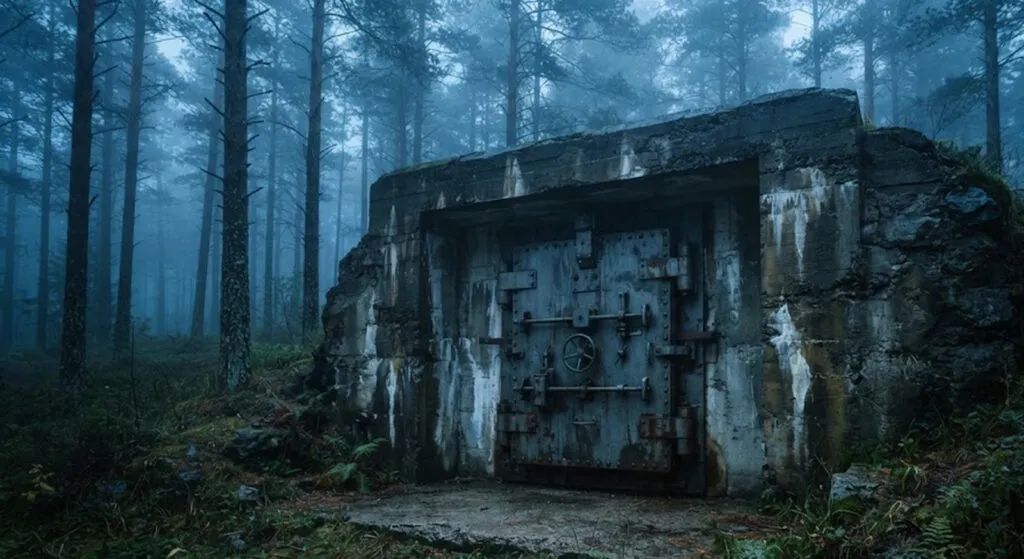
106 MPs voted to scrap a constitutional ban more than three decades old, and Medvedev is already threatening to wipe...
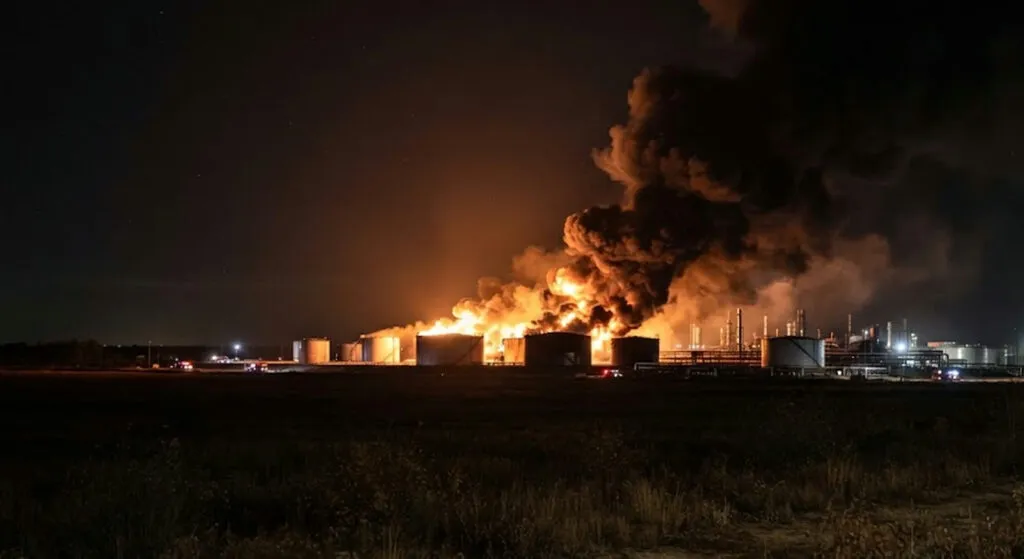
Two dead, nine injured, airports restricted and a fire at "Volodarskaya", where fuel flows straight to Vnukovo, Domodedovo and Sheremetyevo....

The 2022 truce is dead, Taiz is surrounded, and Saudi Arabia is directly back in the war. When the news...
This site uses cookies - is that okay? Learn more
Be the first to know when Metla launches something new
Leave your email and we will write when there is a new guide or something new on Metla.

