
The Young Men From Saraj Say They Were Beaten After Being Subdued, the Union Claims They Tried to Run Police Over: The Interior Ministry Is Still Just Investigating
11.10.2026


11.10.2026
11.10.2026
11.10.2026
11.10.2026
11.10.2026
11.10.2026

11.10.2026

11.10.2026

11.10.2026

11.10.2026

11.10.2026

10.10.2026

11.10.2026

11.10.2026

11.10.2026

11.10.2026

10.10.2026

09.10.2026

11.10.2026

11.10.2026

11.10.2026

11.10.2026

11.10.2026

10.10.2026

11.10.2026
11.10.2026
09.10.2026

10.10.2026

08.10.2026

06.10.2026

23.04.2026

23.04.2026

12.04.2026

On October 9, Donald Trump announced that after a phone call with Vladimir Putin he had agreed on renewed deliveries of Russian diesel to the American and world market. The quantity is not symbolic: more than 300,000 tons immediately, another 500,000 tons in November, then a million tons, and Trump also announced a further three million tons. Almost five million tons of fuel from a country that is under sanctions precisely so it has as little money as possible for the war.
Trump's reasoning is domestic: cheaper fuel for Americans is, as he put it, one of his main priorities. At the same time, Washington eased sanctions on the trade in Russian diesel. In other words, Moscow got an open door for bigger energy exports - and, as Kyiv noted, without any agreement to de-escalate the war.
The night after the deal - a fire in the Rostov region
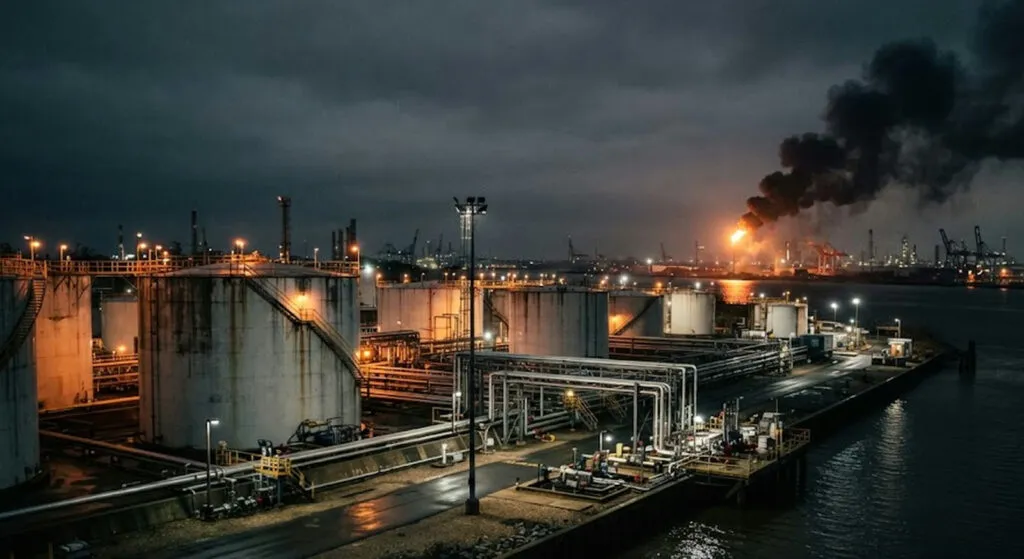
Not even a few hours passed. During the night of October 10, Ukrainian drones hit the oil terminal in the Rostov region linked to the refinery in Novoshakhtinsk. A big fire broke out after the explosions, and footage circulating on social media shows flames over the industrial zone. The extent of the damage has not yet been confirmed.
The background is even more interesting. According to an American outlet citing a senior official in Washington, Trump turned to the deal with Putin after Zelensky repeatedly ignored US demands to stop attacking Russian refineries. Trump also publicly accused the Ukrainian president of missing previous chances for peace and said Ukrainian strikes on refineries were affecting the US fuel market.
Kyiv tells a different version. The Ukrainian side says it was not informed of the deal in advance and that it is ready to consider halting attacks on energy infrastructure - if Russia does the same. Two great powers make a fuel deal while the war is fought on Ukrainian soil, and the Ukrainians find out after the fact. The small nations of the Balkans know this scene by heart: when the big players make a deal, the one they're dealing over gets asked the least.
"Gifts for Putin will not bring peace"
Zelensky didn't mince words. He called the deal "a weak decision by strong partners" and warned that the renewed deliveries will bring Russia additional revenue to continue the war. "Gifts for Putin will bring neither peace nor any benefit to the civilized world," he said. According to media reports, Ukrainian officials intend to keep attacking Russian refineries despite the new deal between Moscow and Washington.
On October 10, Zelensky spent the day on the phone with Europe. He spoke with British Prime Minister Andy Burnham, French President Emmanuel Macron, Finnish President Alexander Stubb and Norwegian Prime Minister Jonas Gahr Støre. With Macron he discussed the need for additional air defense and stronger pressure on Russia, with Stubb the additional revenue Moscow would get from exporting petroleum products, and he briefed Burnham on the Russian attacks and the need for coordinated steps.
In parallel, in Miami, American, Ukrainian and European representatives discussed a possible framework for ending the war. The goal, according to reports, is a joint proposal to be presented to Russia in the coming weeks. Except it's hard to negotiate peace when one of the mediators has already closed its own deal with the other side - and over fuel at that. So who is sitting on which side of the table?
The latest 10 news from this category
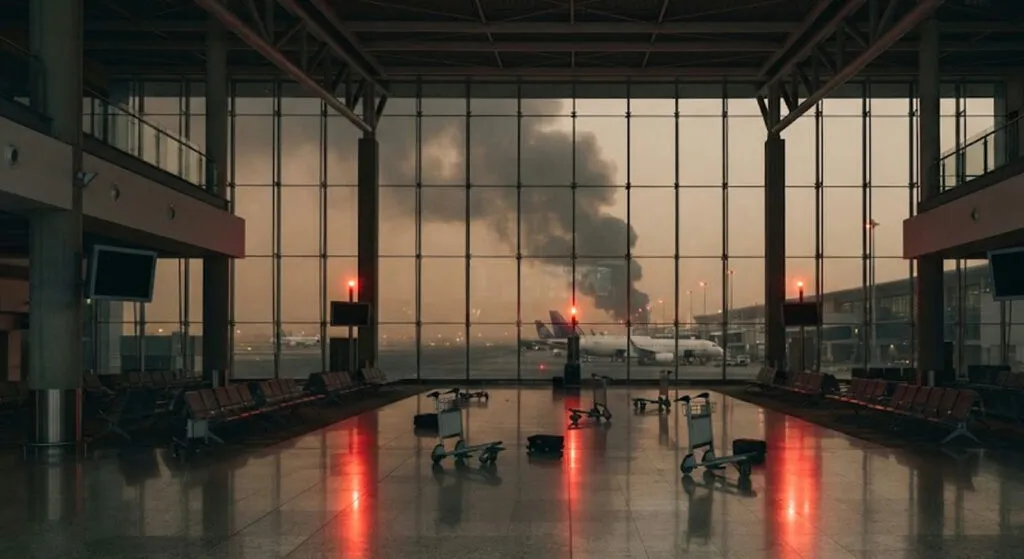
Almost 300 canceled flights and dozens injured in the Saudi capital. The war in Yemen stopped being local long ago,...
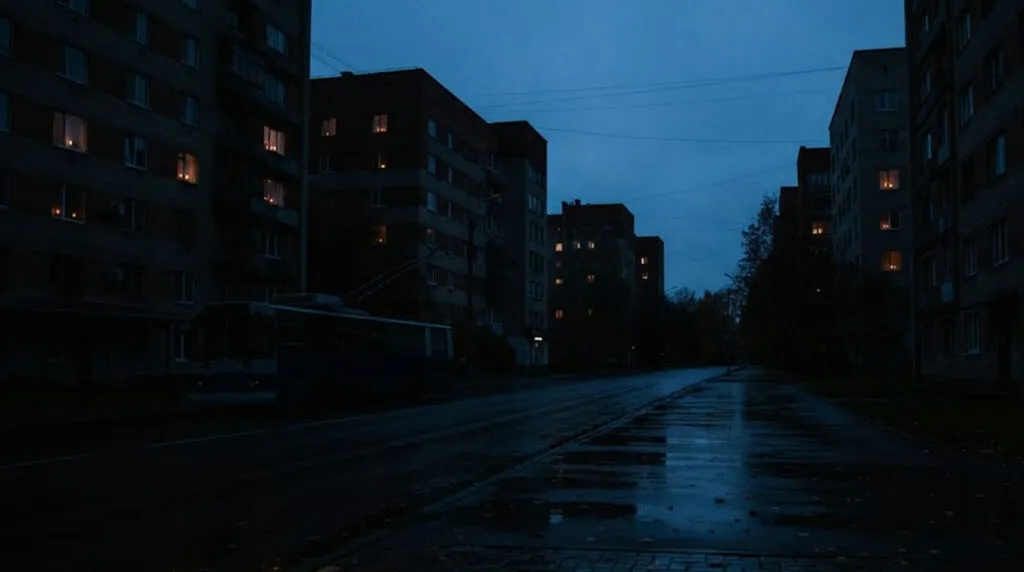
Kyiv's mayor is advising residents who have somewhere to go to leave before winter, the metro stopped, and a taxi...
The planes of Russia's top leadership circled over Moscow, and one ended up in St. Petersburg because of Ukrainian drones....
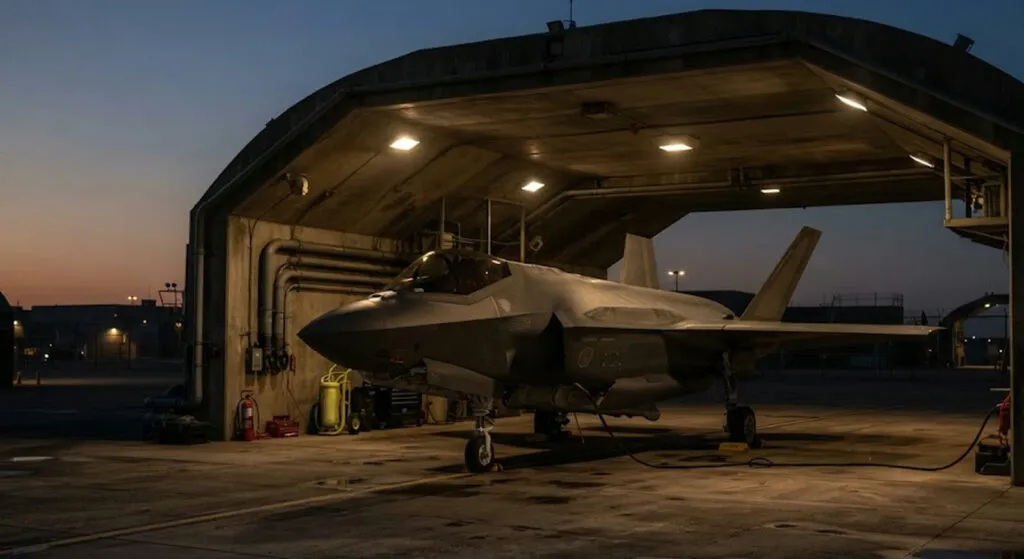
Two weeks after Russia threatened its "entire arsenal" over Kaliningrad, the alliance is rehearsing nuclear missions while reassuring Moscow at...
In parts of Kyiv the power comes back for an hour at a time, and without it there is no...
A guided bomb on the bus station, two buses in flames, 33 dead and 18 wounded. The governor of the...
While Rubio talks of a "dangerous stalemate", Ukraine counts 78 dead in two days. Zelensky wants sanctions and Starlink, and...
Russia's Defence Ministry lists schools, a court and a stadium, Ukraine's General Staff counts attacks, and ISW analysts see no...
One cargo ship is on the seabed, its crew is gone, and a NATO member state says it can't say...
While birthday telegrams are being counted in Moscow, rescuers in Pryluky are searching the rubble of a five-storey building. A...
This site uses cookies - is that okay? Learn more
Be the first to know when Metla launches something new
Leave your email and we will write when there is a new guide or something new on Metla.