

Two Schoolyard Assaults Reported in a Single Day: the Police Promised Measures, the Education System Said Nothing
19.09.2026


19.09.2026

19.09.2026
19.09.2026

19.09.2026

19.09.2026

19.09.2026
19.09.2026
18.09.2026

17.09.2026

19.09.2026

19.09.2026

18.09.2026

19.09.2026

19.09.2026

19.09.2026

19.09.2026

18.09.2026

17.09.2026

19.09.2026

19.09.2026

19.09.2026

19.09.2026

19.09.2026
18.09.2026

09.03.2026

27.02.2026

19.02.2026

19.09.2026

18.09.2026

17.09.2026

23.04.2026

23.04.2026

12.04.2026

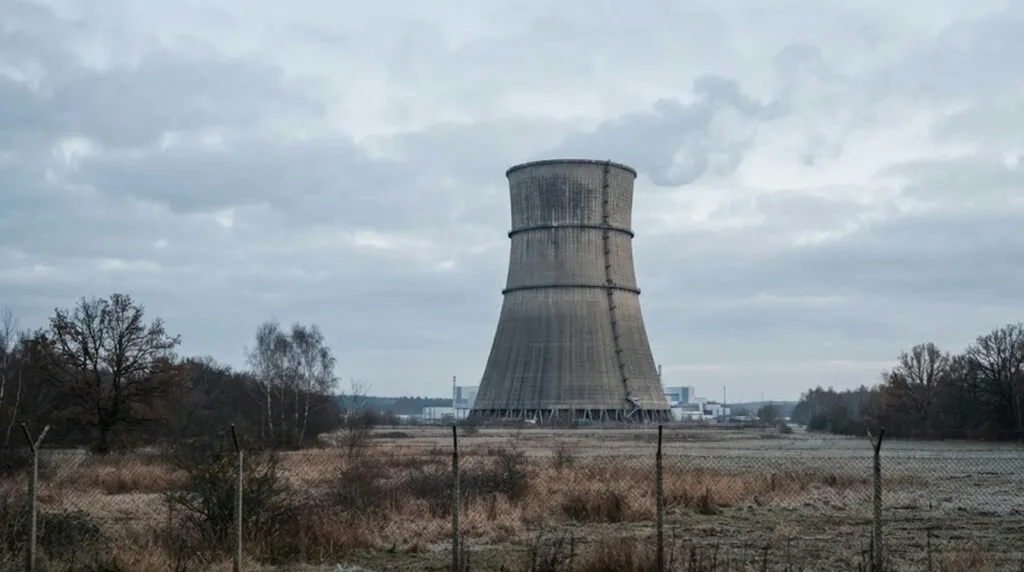
A drone struck the cooling tower of a reactor unit at the Kursk nuclear power plant in Russia. The International Atomic Energy Agency announced it, which means the information comes from neither of the two warring sides.
According to the statement, the unit was operating at the moment of impact, the operating regime did not change and there was no fire. In other words: this time it passed. That is the entire difference between a news item and a catastrophe - and that difference was decided by the trajectory of one drone.
The agency's director general Rafael Grossi said that all attacks on nuclear facilities are unacceptable, because they could endanger nuclear safety, regardless of where they happen. The phrase "regardless of where" is not diplomatic decoration - it is the only way the same rule applies to both the Zaporizhzhia and the Kursk plants, and in this war both have found themselves on the wrong side of somebody's sights.
An appeal instead of a mechanism
Grossi repeated his call for maximum military restraint to prevent the risk of a nuclear accident. That is all the agency can do - it has no soldiers, no air defence, and no power to order anyone not to fire. It has inspectors, statements and appeals. In the third year of a war, an appeal is the weakest tool on the table and still the only one it has.
The ordinary reader at this moment is not thinking about reactor units but about a cloud. Radiation does not need a visa, takes no interest in the front line and does not wait for a statement. Europe learned that in 1986, and ever since, every generation raised on the story of Chernobyl knows how far a problem travels once it starts moving.
That is why news of this kind is written in a dry, precise sentence rather than with an exclamation mark. How many times does something have to pass by a cooling tower before someone concludes that nuclear facilities must stay out of every set of crosshairs? For now the answer is: one more time. Every time, one more time.
The latest 10 news from this category
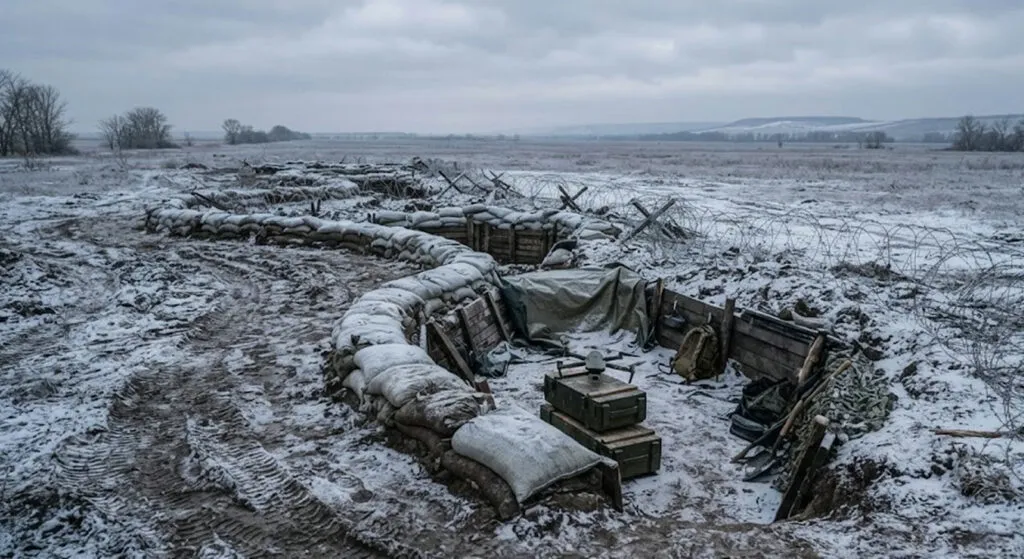
Around 8,500 North Korean soldiers are still in Russia, among them 1,000 engineers and 400 drone operators. Estimates point to...

The bill passed with 262 votes, and the key to it has been handed to a man who has already...
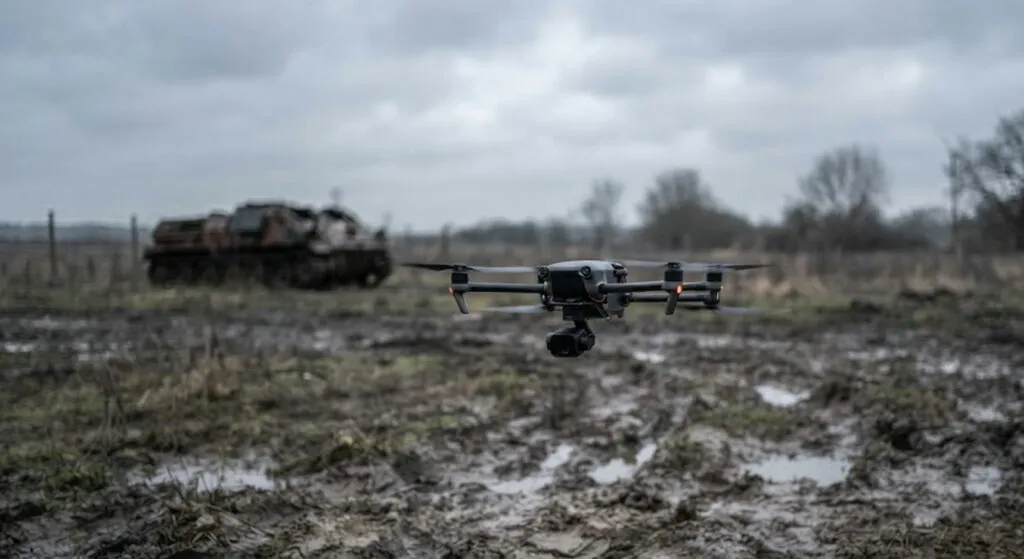
Ukraine adapts in weeks, the Alliance in decades. Europe is paying for Patriot systems from 1991 and is only now...
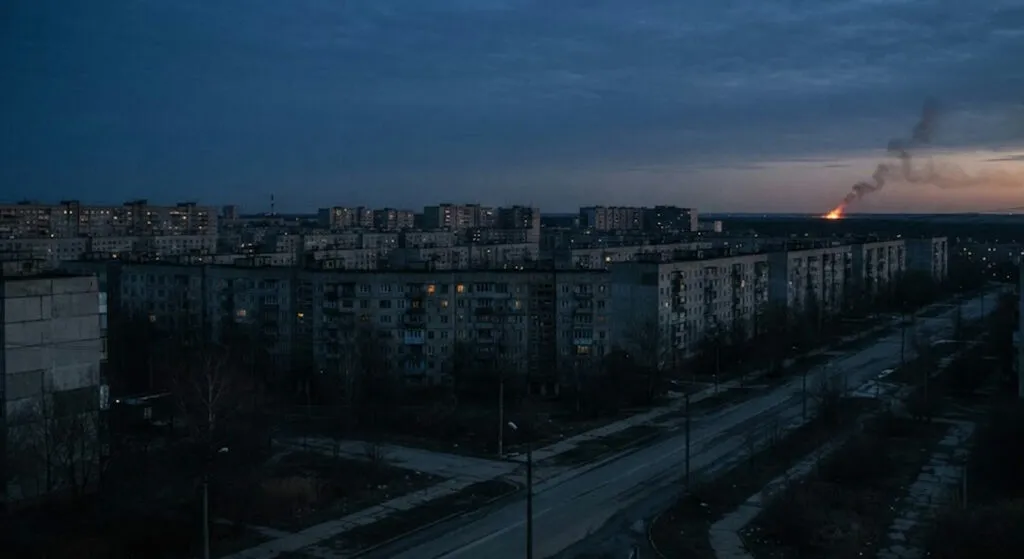
Missiles and drones on the Ukrainian capital, damaged water mains and residential buildings. The same night, Ukrainian drones set the...

Trump hopes the war is ending and is preparing to gather the Gulf leaders. Oil prices have jumped, and the...
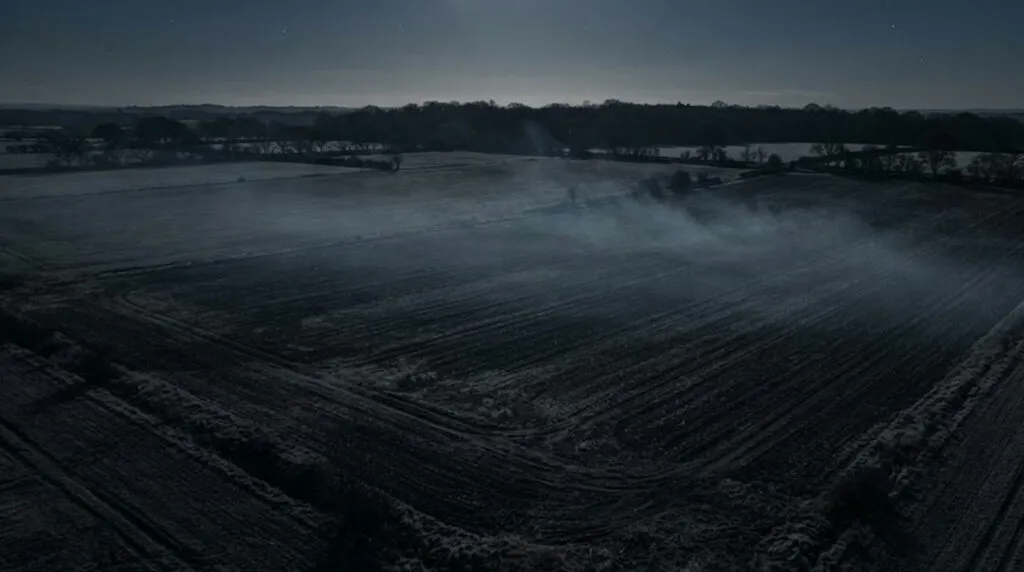
Ukraine says when, where and which unit did it. Russia's defence ministry has not a single sentence about the circumstances....
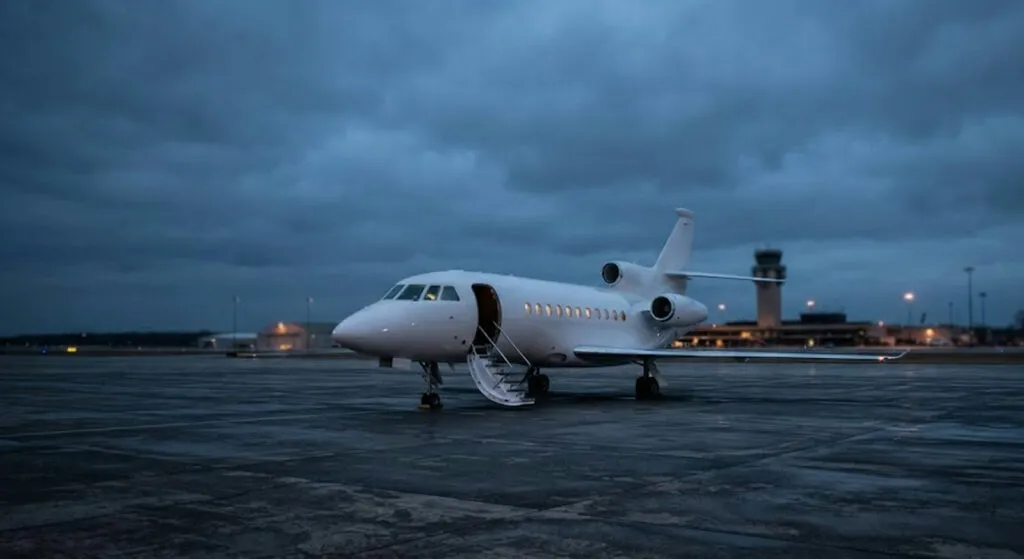
Norway's prime minister talks about a plane a drone "almost hit". Moldova, the only party holding the figures, reported that...
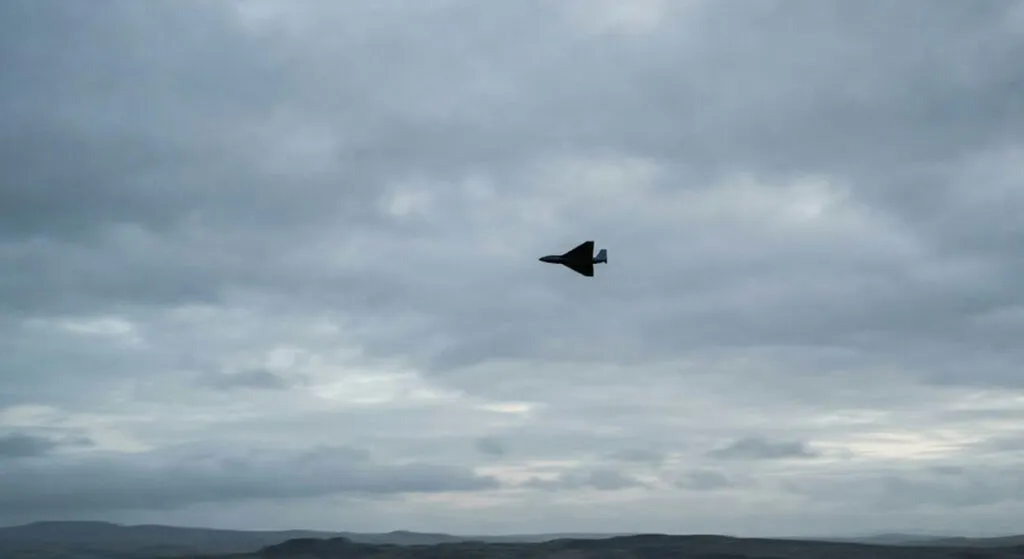
Ukraine was shooting down nine out of ten of the old drones. Then Russia changed the drone - and in...
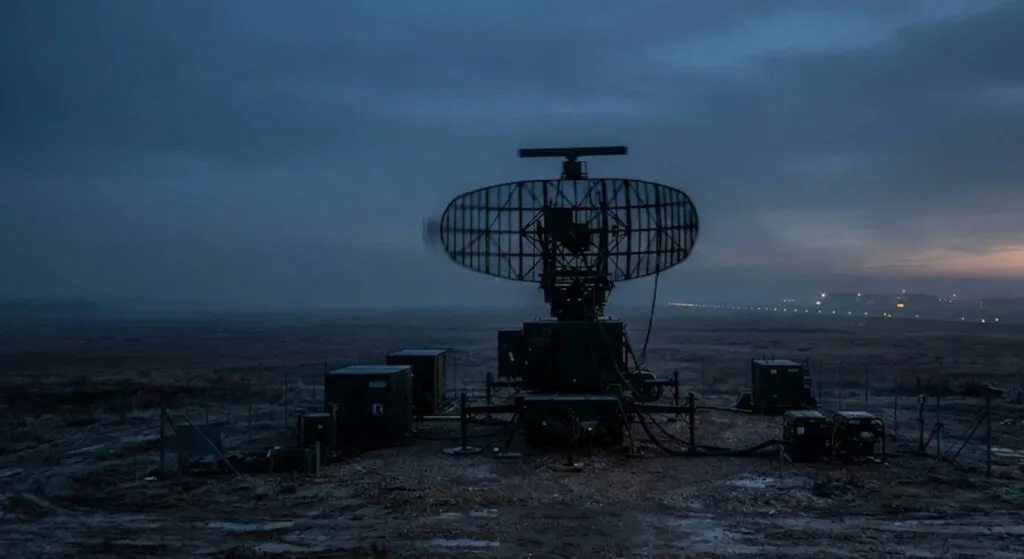
It was shot down a few minutes after midnight, and all of Vilnius got a warning on their phones. Two...
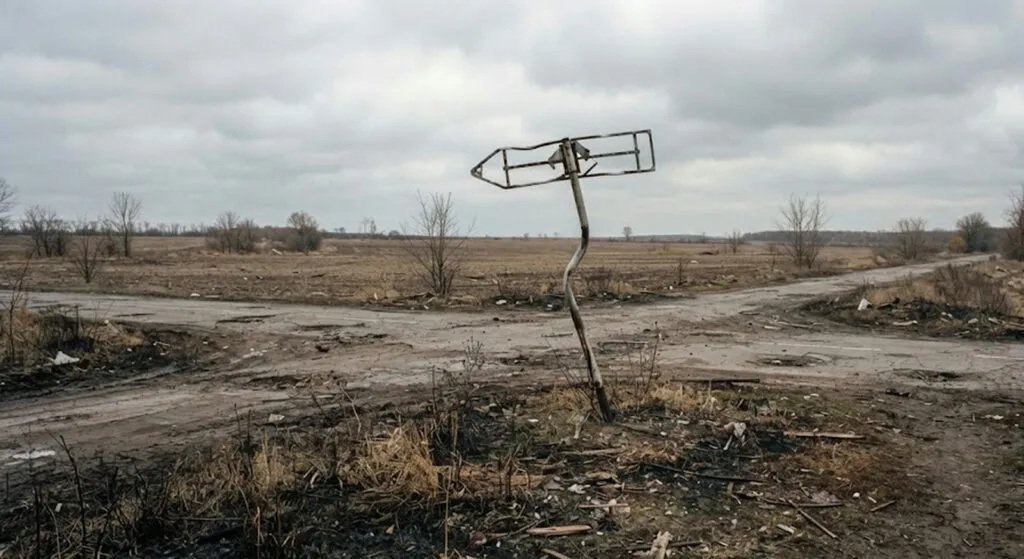
The entire story comes from one side, and the headlines turn it into a turning point. The difference between the...
This site uses cookies - is that okay? Learn more
Be the first to know when Metla launches something new
Leave your email and we will write when there is a new guide or something new on Metla.
