


They Rode In on Scooters, Torched the Shops and Left: The Fire in Shuto Orizari Burned for Three Hours, Setting It Took Fifty Seconds
13.09.2026


13.09.2026

13.09.2026

13.09.2026

13.09.2026

13.09.2026

13.09.2026
13.09.2026

12.09.2026

11.09.2026

13.09.2026

13.09.2026

12.09.2026

13.09.2026

13.09.2026

13.09.2026

13.09.2026

12.09.2026

11.09.2026

13.09.2026

13.09.2026

13.09.2026

13.09.2026

13.09.2026

12.09.2026

09.03.2026

27.02.2026

19.02.2026

13.09.2026

12.09.2026

11.09.2026

23.04.2026

23.04.2026

12.04.2026

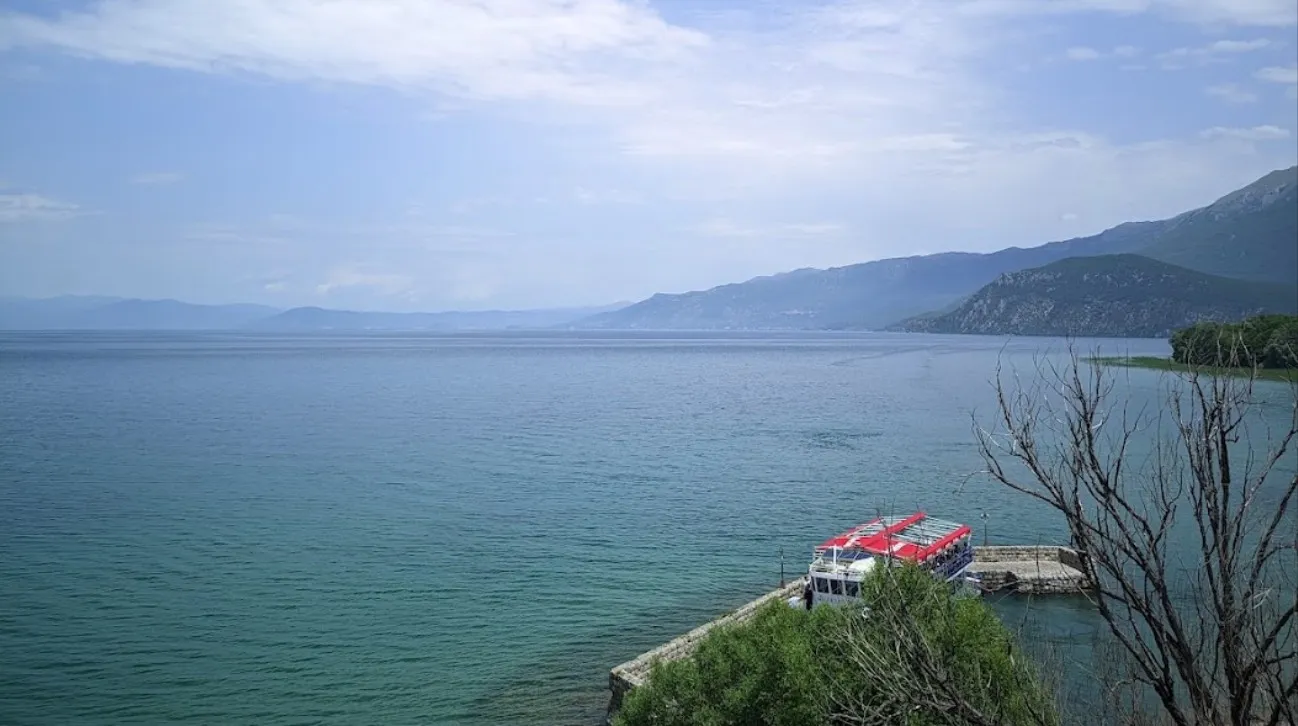
Lake Ohrid is safe for swimming, say the people at the Institute of Public Health. At the same time, sewage and wastewater from hotels, restaurants, homes and entire villages flow into that same lake. Both claims are true. And that is precisely the problem.
The IPH report on water quality for 2026 identified a series of pollution sources along the shoreline, from Sveti Naum to Radozhda. Hotels and catering facilities, private houses between Saraishte beach and the church of Sveta Sofia, and rural settlements such as Trpejca, Ljubanishta and Radozhda use septic tanks that empty directly into the lake or in its immediate vicinity.
The most telling case is Sveti Naum. The treatment plant there, built in 2013, has only a grinder for the sewage, but no filters and no chlorination of the wastewater before it is discharged into the lake. In other words - the sewage is ground up, but not treated. That is not purification, it is direct pollution with an extra step.
The collector system that gathers the wastewater from Ohrid and Struga to the treatment plant in Vranishta exists, but many facilities are not connected to it at all. On the stretch from Struga to Radozhda, for instance, only one hotel is linked to the system. The rest goes wherever it is easiest - into the water.
The results of laboratory analyses from May and June 2026 showed that the water at most measuring points is first class and safe for swimming, with the exception of Grashnica beach, rated third class due to the discharge of stormwater. So, for now, swim in peace. But „for now” is the key phrase.
The IPH recommends urgently completing a functional collector system, separating the sewage from the stormwater and ensuring the uninterrupted operation of the pumping stations to prevent breakdowns during heavy rain. Recommendations that have been repeated for years. The lake is our greatest natural resource and a protected world heritage site - and we are still arguing over whether to connect the houses to the sewers. How long can the beauty keep covering the filth below the surface?
The latest 10 news from this category
Ivanovska recalls why Vodno was forested in the first place. Gerasimovski says the court annulled the old plan and a...

Three Bulgarian ministries, MPs from different parties and flags inside the medical centre. MAEI asks why a check-up in a...

Flowers were laid in Bitola for Stefan Naumov and Dimitar Bogoevski. Behind the anniversary stand two biographies that ended at...

Eighty children do not simply appear out of nowhere. The question no ceremony answers is whether there are enough instruments...

When you buy honey from the man who tells you which village it came from, you bypass the entire trade...
Any citizen can submit a nomination. That is exactly where these competitions either come alive or become an internal affair...
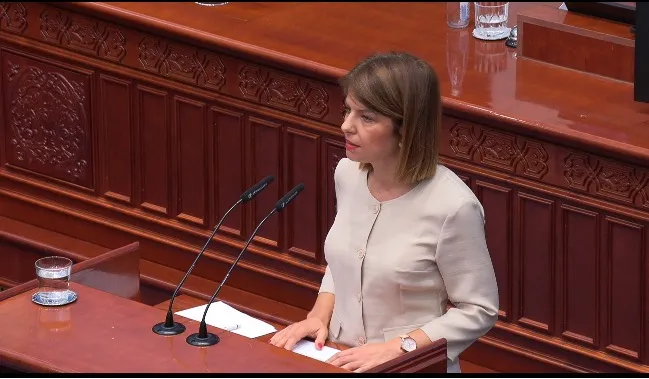
The minister answered that pupils are not a risk group because the youngest patient was 25. The MP had asked...
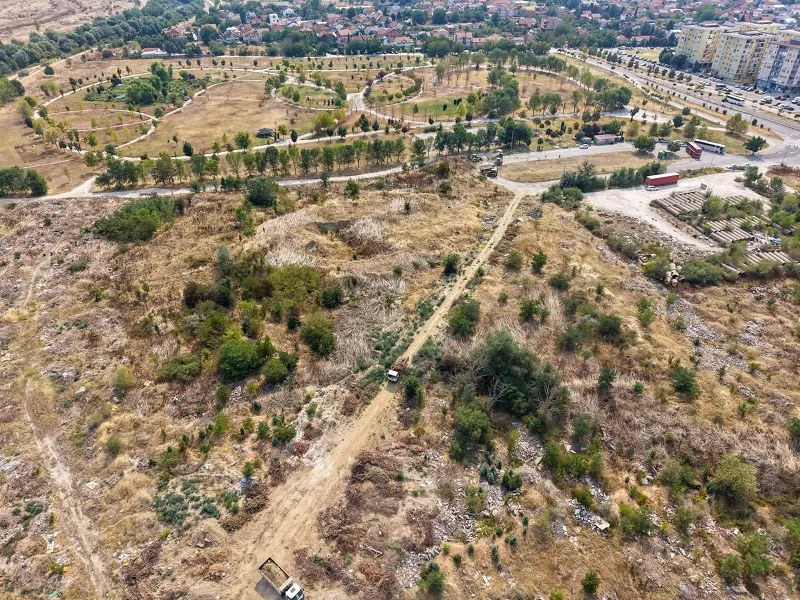
For five years after the promise, the dump stayed a dump. The two neighbouring parks tell the story that comes...
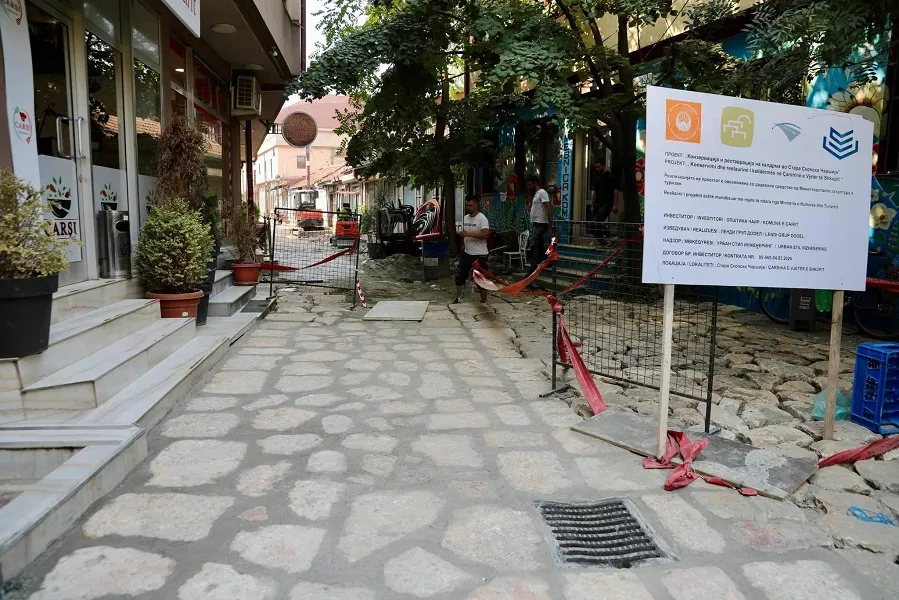
The most visited historic space in Skopje waited fifty years for someone to replace the pipe under the cobblestones. The...

There is a route, there is a presentation and there is agreement that the road is needed. There is no...
This site uses cookies - is that okay? Learn more
Be the first to know when Metla launches something new
Leave your email and we will write when there is a new guide or something new on Metla.
