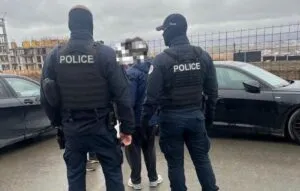
"Crime as a service" with call centres in Macedonia too: over 4 million euros in damage, victims in 50 countries
04.11.2026


04.11.2026
04.11.2026

04.11.2026
04.11.2026
04.11.2026

04.11.2026

04.11.2026
03.11.2026
03.11.2026

04.11.2026

04.11.2026

03.11.2026
04.11.2026

04.11.2026

04.11.2026

04.11.2026

03.11.2026

02.11.2026

04.11.2026

04.11.2026

04.11.2026

04.11.2026

04.11.2026

03.11.2026

04.11.2026
03.11.2026

02.11.2026

23.04.2026

23.04.2026

12.04.2026

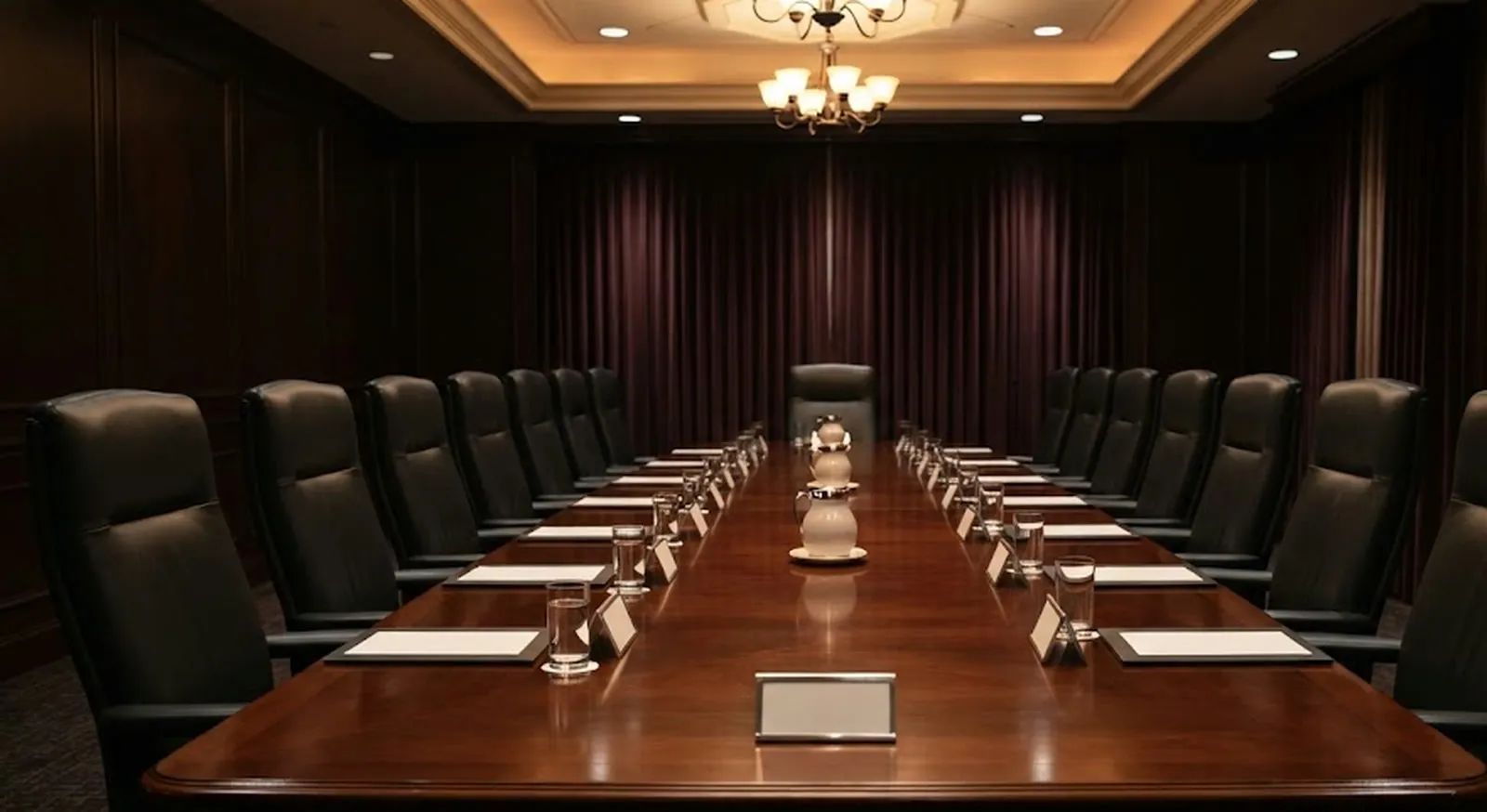
Russian foreign minister Sergei Lavrov said Serbia could be considered as a venue for talks on Ukraine. The sentence is already circulating around the region as though a location had been agreed. What Lavrov actually said is far more measured, and the difference matters.
"Any platform for talks on Ukraine, including Serbia, could be considered if it is acceptable to the participants", Lavrov said in Yekaterinburg, as reported by Izvestia. Asked directly whether Serbia could host, the answer was shorter still: "Anything acceptable to the parties in the talks is possible."
That is not an offer. It is a sentence built so that it promises nothing, while still letting anyone who wants to read a promise into it. Diplomacy works exactly like this when there is nothing concrete on the table.
The condition everyone skips
The key is in the phrase "if it is acceptable to the participants". Serbia is a country that has not imposed sanctions on Russia, keeps open diplomatic relations with both sides and on paper has precisely that capacity to be neutral ground. But the condition for talks is not the host's wish, it is the consent of both sides - and so far there is no indication that Russia and Ukraine have agreed at all that the next round should be held in Serbia.
Belgrade has offered itself as a venue for international talks before. That is a legitimate ambition for any state in this region. The only question is whether we are offering it or someone is asking it of us - and how many times we have heard the same sentence with no follow-up.
Lavrov shifts the blame for the broken-off talks
In the same statement the Russian minister claims that none of the negotiation processes so far were broken off on Moscow's initiative. He listed them: the Belarusian-Turkish talks of March and April 2022, which ended in Istanbul with the collapse of what had already been agreed, the bilateral Russian-Ukrainian talks in Geneva and the trilateral ones in Abu Dhabi with American participation. "All these negotiation processes were broken off, but not on our initiative", Lavrov said.
This is one side's claim about events in which both sides had their own calculations, and it should be read as such. But the list itself says something rather less disputable: in three and a half years there were at least four different formats, and not one survived. The problem clearly was never geography.
Why the city matters less than it looks
Lavrov also mentioned readiness for bilateral and trilateral talks, including a format with Russia, Ukraine and the US. What gets negotiated is the format, not the address.
The Balkans have a long tradition of falling in love with the role of host. Conference halls, security convoys, cameras outside a hotel - that is visible prestige, and it is remembered in local politics far longer than the talks themselves last. But a host does not dictate the content of an agreement and has no influence on whether there will be an agreement at all. When Istanbul 2022 collapsed, nobody blamed Istanbul.
If anyone ever really does sit down at a table in Belgrade, it will be because both sides have an interest in sitting down - not because Lavrov left one sentence wide enough to fit Serbia inside it.
The latest 10 news from this category
"Colleagues, have you come for me?" The former minister insists he is clean, and the question of whether someone opened...

Marko Kričak was arrested a week after Vučić lost the elections, although the investigation, the prosecutor says, began back in...

The canopy killed 16 people and set off an avalanche that brought down Vučić's rule. The students have a 1,200-page...

On Saturday the National Bank said Alta Bitola was a separate entity, on Sunday it imposed temporary administration. A Serbian...

Before the elections: "against sanctions". After the elections: "the citizens will decide". The EU commissioner says membership is hardly possible...

For years the students were missing from the public broadcaster's screen. Now RTS apologizes "for everything left out" - exactly...
Republika Srpska paid lobbyists close to Trump, and the finally convicted Dodik is now reportedly going to a gala in...
Before the party he admits to "arrogance and hubris," and later in the same speech he calls the new government...
Хронологија На 29 октомври претседателот на Демократската партија на Србија, Срѓан Миливојевиќ, поднел кривична пријава против гувернерката Јоргованка Табаковиќ поради...
A week before the vote, the students' defeat was a historic event for him. Once Vučić fell, Dodik delivered the...
This site uses cookies - is that okay? Learn more
Be the first to know when Metla launches something new
Leave your email and we'll write to you when there's a new guide or something new on Metla.