


Mickoski celebrates a 4-to-1 win over SDSM in Brvenica, but his candidate got 445 fewer votes than a year ago
19.10.2026


19.10.2026

19.10.2026

19.10.2026

19.10.2026

19.10.2026

19.10.2026

19.10.2026

18.10.2026

18.10.2026

19.10.2026
19.10.2026

18.10.2026
19.10.2026
19.10.2026

19.10.2026

19.10.2026

18.10.2026

17.10.2026

19.10.2026

19.10.2026

19.10.2026

19.10.2026

19.10.2026

19.10.2026

18.10.2026

18.10.2026

18.10.2026

17.10.2026

15.10.2026

13.10.2026

23.04.2026

23.04.2026

12.04.2026

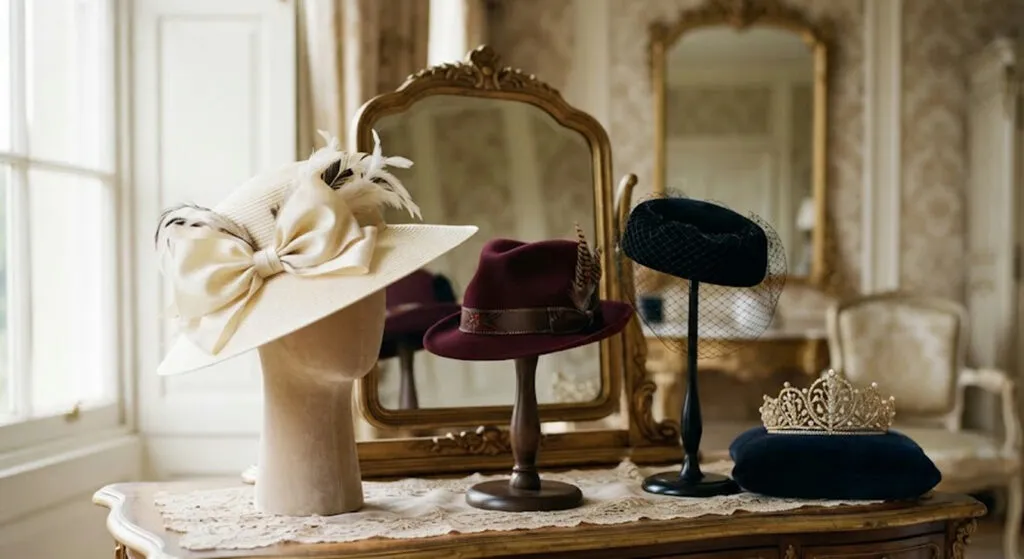
A tiara, a wide-brimmed hat, a small fascinator with a veil - in European monarchies this isn't just a fashion choice. It's protocol, age and a sign that a young princess is becoming an institution. That's why it stands out that Princess Leonor and Infanta Sofía have so far almost never worn either wide or small formal hats, and nobody has seen them in a tiara.
Their peers at other courts have been experimenting for a long time. Amalia, Alexia and Ariane of the Netherlands, Elisabeth of Belgium, Ingrid Alexandra of Norway and Alexandra of Hanover have worn everything - from discreet diadems to big hats and lace veils.
The difference isn't about who likes fashion more. It's about a stage in institutional life, about each country's protocol and about the image each court wants to build for its heirs. As an adult, Leonor has not yet attended a major state dinner at the Royal Palace or an evening gala with the jewellery and dress that usually come before a tiara. Sofía's role is smaller still. Both dress by restrained rules: simple lines, recognisable colours, Spanish designers, discreet accessories. For them, fashion isn't there to attract attention.
Fashion and protocol expert María G. Gómez says headwear instantly changes how an outfit is read - it adds ceremony, rank and personality. She believes the Spanish court may want the two to first build their own, simple image. A big sculptural hat easily makes a young woman look older, and not wearing one, according to Gómez, also sends a message: naturalness, closeness and a refusal to overplay the role of princess.
The Dutch sisters show how much a single piece can say. On Prinsjesdag, 15 September 2026, the day the Dutch king opens the parliamentary year, Amalia wore a gold diadem with an olive-green Rachel Gilbert dress. Alexia chose a burgundy Maison Michel fedora from her mother Máxima's wardrobe, with a dark green Reiss dress. Ariane wore half of an old hat of Máxima's, reworked so that it looked like a wide diadem. The year before, she had worn a Philip Treacy hat, also from her mother's closet, with a blue Victoria Beckham dress and sapphire-and-diamond jewellery.
Amalia started in 2022, at her first Prinsjesdag, with a small pink Fabienne Delvigne hat from Máxima's wardrobe, decorated with two diamond brooches her mother had already worn. She wore a similar piece, but black, in September at the funeral of Norway's King Harald V. There, Ingrid Alexandra, whose role grew after her grandfather's death, also wore a discreet black piece with a small mesh veil. Headwear there was a sign of respect, not style.
For Belgium's National Day in 2026, Elisabeth chose a white outfit and a classic wide-brimmed hat by Maison Fabienne Delvigne, the house closely tied to the Belgian court. Alexandra of Hanover, granddaughter of Grace Kelly, wore a black Prada dress and a small brimless Maison Krasnova hat on Monaco's National Day in November 2025 - the cut associated with Jackie Kennedy and with her grandmother.
Spain has no British tradition of Ascot and royal weddings, where a hat is a mandatory part of women's dress. So the real question isn't why Leonor doesn't wear a hat, but when it will make sense for her to start. The most likely answer: the first big piece - and, even more symbolically, the first tiara - will come with a new stage: a royal wedding, a state ceremony, a major reception. Until then, the absence of a hat is a message in itself. Is it modesty - or a carefully calculated image?
The latest 10 news from this category
A makeup artist and a cosmetics brand's team agree: after 45 less is more, and the thick black line around...

A year ago, Antonio Banderas's daughter married with a bouquet that looked more like night than spring. It wasn't rebellion...
A pram with an "Angel on Board" sign and a model who became a mother a month and a half...
Perm bookings rose by 82 percent, and hairdressers warn: your hair's history, the thickness of the rollers and a test...
On 17 October 1945 she was 22, he was 35 with four marriages behind him. What survived from that day...
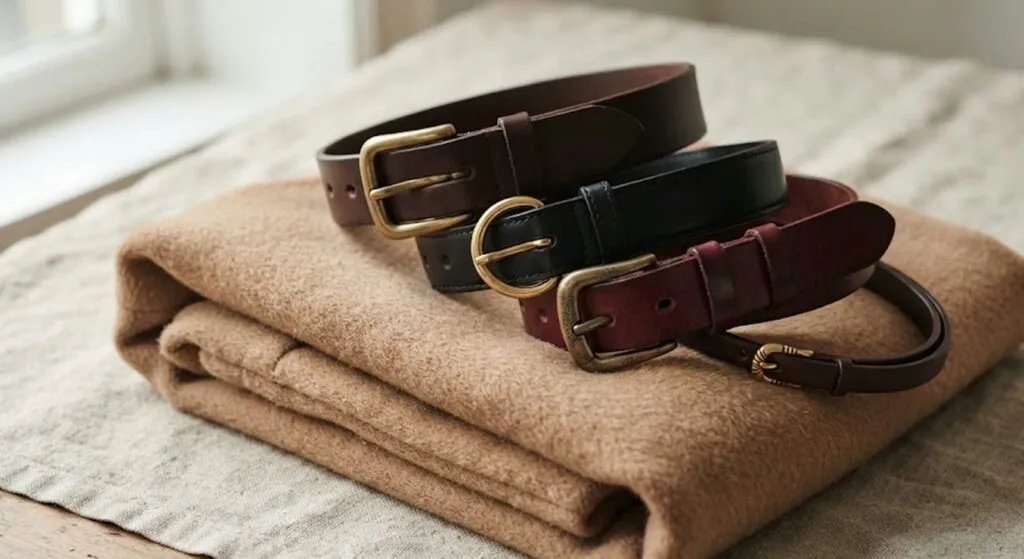
This season's cheapest fashion trend is probably already hanging in your wardrobe. The fashion industry has simply decided to sell...

Aesthetic clinics have a new type of patient - people who want back the volume they lost along with the...
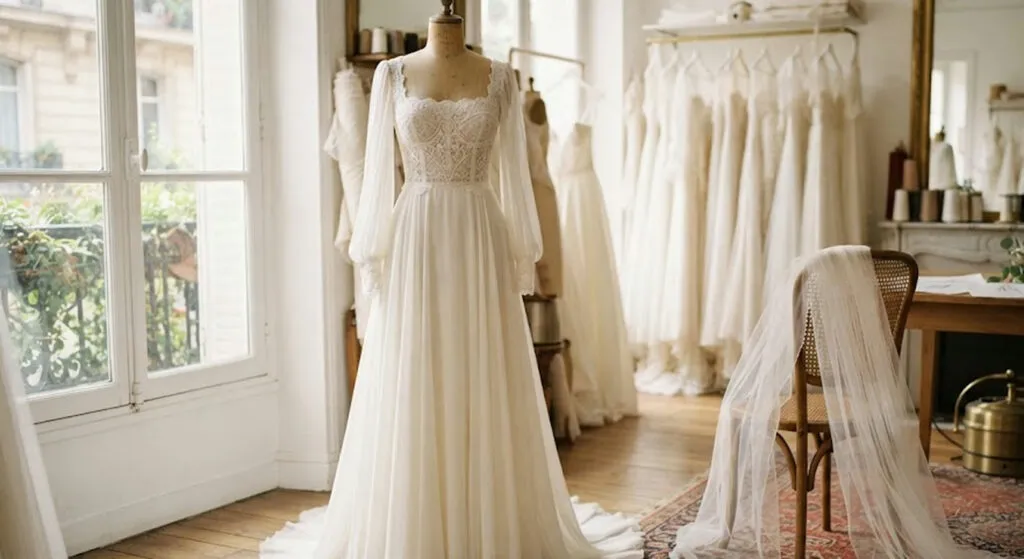
It shows off the collarbones while leaving enough modesty for the altar and for the mother-in-law's gaze. Designers believe it...
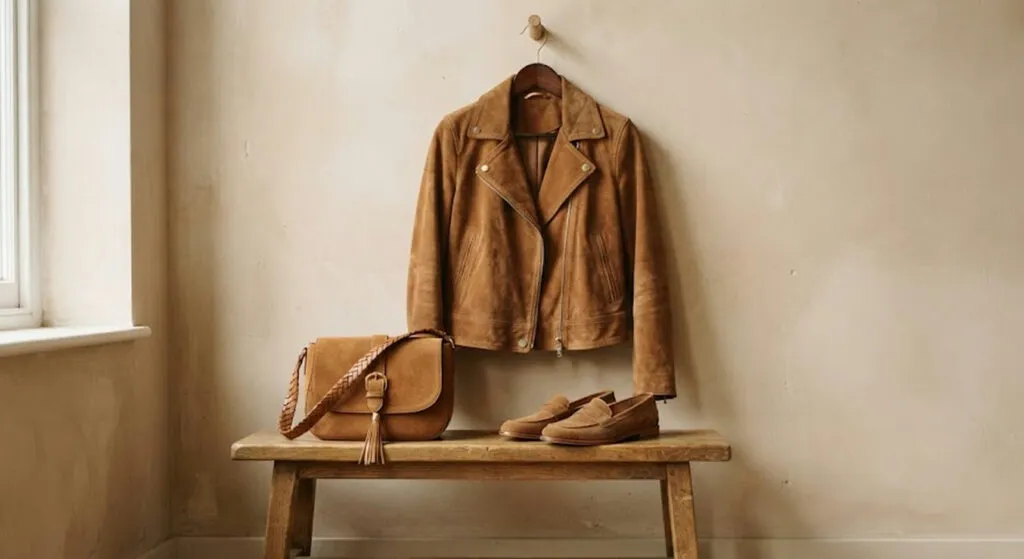
The fashion houses are selling it as the discovery of the season, but suede has been around since the Renaissance....

The cream that worked at 40 won't necessarily work at 60, and more retinol isn't the answer. Three experts on...
This site uses cookies - is that okay? Learn more
Be the first to know when Metla launches something new
Leave your email and we will write when there is a new guide or something new on Metla.


