


Mickoski celebrates a 4-to-1 win over SDSM in Brvenica, but his candidate got 445 fewer votes than a year ago
19.10.2026


19.10.2026

19.10.2026

19.10.2026

19.10.2026

19.10.2026

19.10.2026

19.10.2026

18.10.2026

18.10.2026

19.10.2026

19.10.2026

18.10.2026
19.10.2026

19.10.2026

19.10.2026

19.10.2026

18.10.2026

17.10.2026

19.10.2026

19.10.2026

19.10.2026

19.10.2026
19.10.2026

19.10.2026

18.10.2026

18.10.2026

18.10.2026

17.10.2026

15.10.2026

13.10.2026

23.04.2026

23.04.2026

12.04.2026

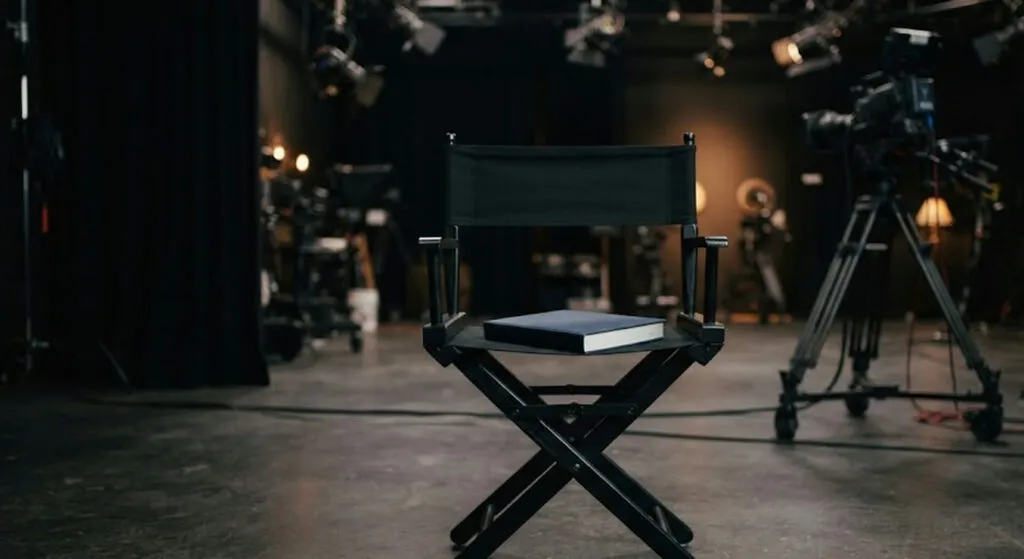
Powerful people in Hollywood often round off their careers with memoirs, and memoirs are rarely gentle with those who don't have the same power. The latest such book was written by Chuck Lorre, the man behind "The Big Bang Theory" and "Two and a Half Men". It's called "Sitcom", and it has a chapter about the actress he chose for the lead in the series "Mom" - Anna Faris, Chris Pratt's ex-wife.
Lorre admits he wasn't sure Faris was the right choice. He remembered how badly he had handled his professional relationship with Charlie Sheen, who struggled with drug and alcohol addiction. Still, he cast her, reasoning that people's private lives were none of his business and that the mother in "Mom" had to be her.
Then comes the sentence that set off the whole story. According to Lorre, over time his initial hesitation proved justified: after six years Faris left the show for what he calls "mysterious" reasons - although, he adds, everyone on the crew knew they were connected to her problems with alcohol.
Faris replied on Instagram. She wrote that she hadn't expected what she read at all and that, naturally, it hurt. But instead of a counterattack, she posted gratitude: Lorre gave her a job she loved, she never took a single year of filming for granted, she is proud of what they made together, and her gratitude to those people won't change.
Then she filled in the story from her side. She has been sober for a year and a half, went through a rehab programme, is healthy, is working and, she says, is happier than ever. "I am living proof," she wrote, hoping her story would help someone in a similar situation.
The irony is hard to miss. "Mom" is a series about a single mother fresh out of addiction who is raising two children in California's Napa Valley, and who is herself the daughter of a woman in recovery. The series was inspired by Lorre's own experience with sobriety. It ran for eight seasons, from 2013 to 2020, and Faris, who played Christy Plunkett, left before the last one without saying why, thanking Lorre, the writers and her colleagues.
If a series spent years telling its audience that addiction is a treatable illness, not a disgrace, why does its creator turn someone else's struggle into a chapter in a book that has to sell? And who benefits more from that chapter - the truth or the publisher?
The latest 10 news from this category
Britain's favourite royal isn't the future king or his wife, but the 76-year-old princess who has been quietly working for...
Дневен хороскоп - 19.10.2026

The eldest son of Greece's last king, with his mother Anne-Marie and his wife Marie-Chantal, strolls around Athens like an...
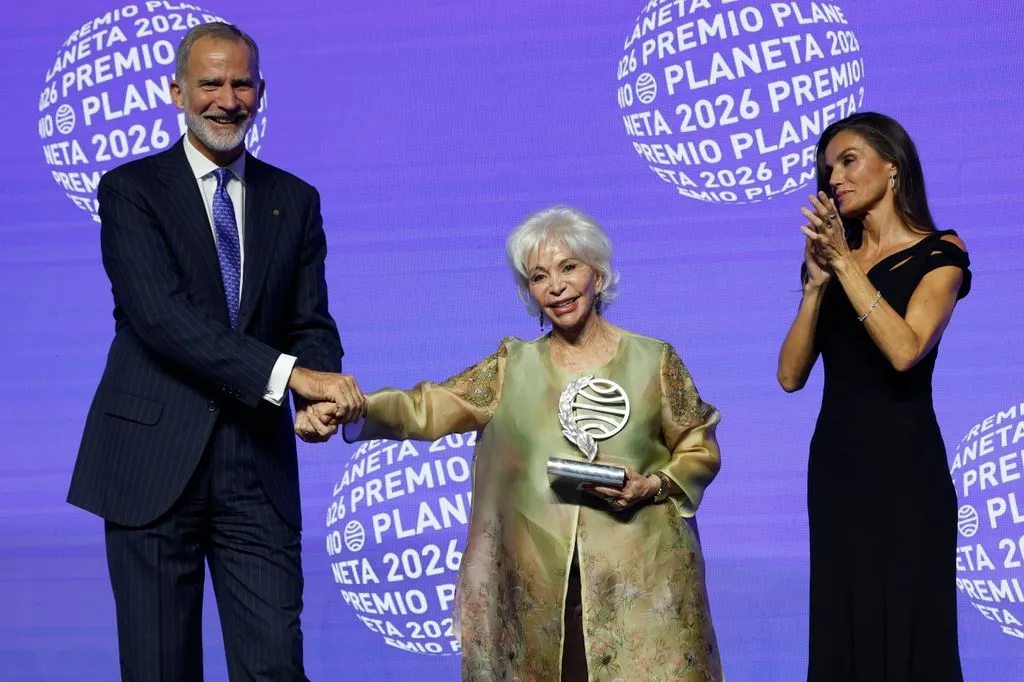
A world-famous writer, more than four decades of writing - and the first time she entered a competition. She won...
Daily horoscope - 18.10.2026
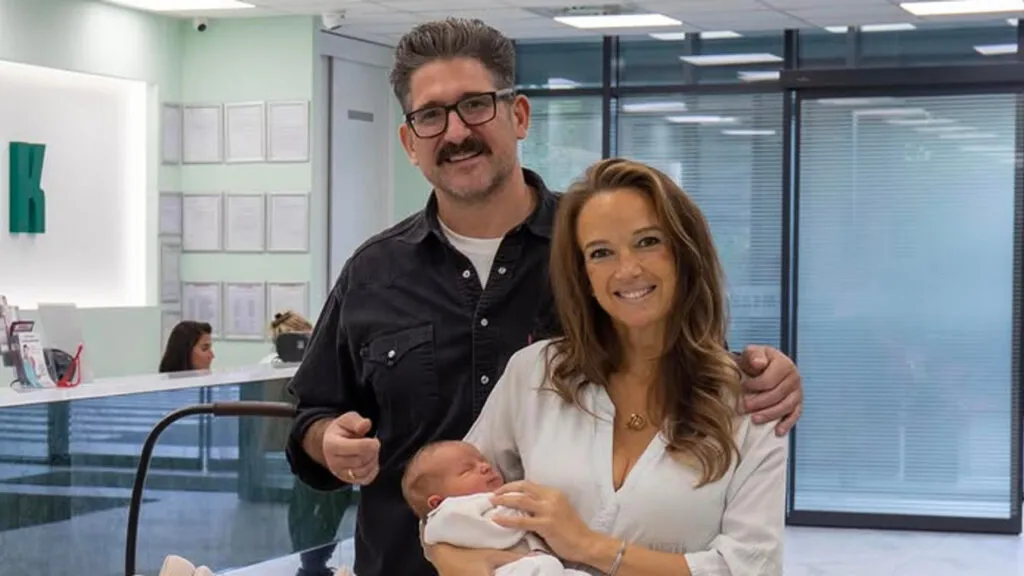
Marko Alexander was born on 13 October, almost exactly a year after his parents' wedding in Seville. A title, yes;...

The series about the young Superman ran for ten seasons. Behind the cameras, several of its stars ended up in...
Daily horoscope - 17.10.2026

The former Duchess of York lost her status, her home and half her friends once her ties to Epstein came...

The Dell founder lost 20 billion dollars and one place on the Forbes list. The public, however, is talking more...
This site uses cookies - is that okay? Learn more
Be the first to know when Metla launches something new
Leave your email and we will write when there is a new guide or something new on Metla.


