

Two failing grades and you're out: parliament brings in automatic dismissal for civil servants, but who will write the appraisals?
20.10.2026


20.10.2026

20.10.2026
20.10.2026
20.10.2026
20.10.2026

20.10.2026
20.10.2026

19.10.2026

19.10.2026

20.10.2026
20.10.2026

19.10.2026

20.10.2026

20.10.2026

20.10.2026

20.10.2026

19.10.2026

18.10.2026

20.10.2026

20.10.2026

20.10.2026

20.10.2026

20.10.2026

20.10.2026

20.10.2026

19.10.2026

18.10.2026
19.10.2026

17.10.2026

15.10.2026

23.04.2026

23.04.2026

12.04.2026

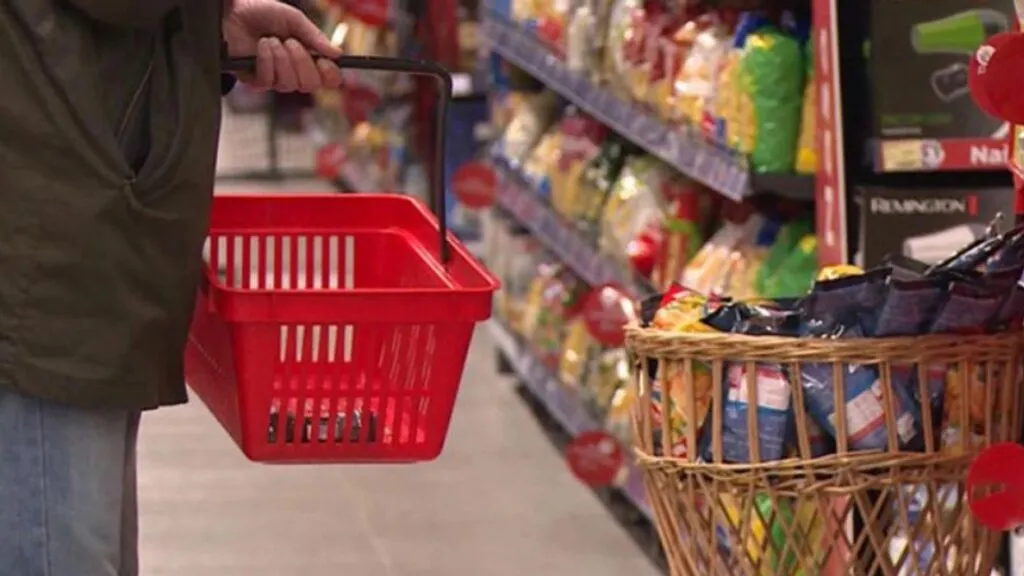
Europe is heating up again, and not in a good way. According to Eurostat, annual inflation in September reached 3.8 percent in both the European Union and the eurozone, up from 3.2 percent in August. Inflation rose in 23 of the 27 member states, stayed unchanged in three and fell in only one.
The main culprit is energy. In the eurozone it was 18.8 percent more expensive year on year, after 14.3 percent in August, and on its own contributed 1.71 percentage points to overall inflation. Services rose by 3.2 percent, and food, alcohol and tobacco by 1.4 percent. Things are hardest in Romania, Lithuania and Bulgaria. Bulgaria, a eurozone member since the start of 2026, had 5.6 percent inflation in September. At the other end is Sweden, at one percent.
Macedonia, according to the State Statistical Office, had annual inflation of 2.7 percent in September, and compared with August prices didn't move on average. That is 1.1 percentage points below the European average, although the figures aren't fully comparable: Eurostat uses a harmonised index, while the Macedonian figure is based on the national cost-of-living index.
The average hides what is getting more expensive
Behind the "unchanged" monthly index are very different movements. Transport got 3.4 percent cheaper, and recreation, sport and culture 3.7 percent cheaper. But food and non-alcoholic drinks rose by 0.5 percent in a single month, and by 1.7 percent year on year. Housing, water, electricity and fuels rose by 0.2 percent, clothing and footwear by 0.3, and education by 0.4 percent.
The Federation of Trade Unions of Macedonia gives a more concrete picture. The minimum union consumer basket in September stood at 69,432 denars - 757 denars more than in August and 4,355 denars more than in September last year. Food and drink alone cost a family 25,259 denars a month, more than a third of the whole basket.
There is also a signal that hasn't reached the shelves yet. Import prices for coke and refined petroleum products in August were 17.2 percent higher than in July. That doesn't mean petrol at the pump will go up by that much, but pricier fuels can feed through into transport, delivery and production - and from there into the prices of other goods.
Inflation measures speed, not level. When it slows down, prices don't go back - they just rise more slowly. One man in a street vox pop says a kilo of pork has gone from 250 denars to 500 or 600. That isn't official statistics, but it is the number people remember. How good is the news of 2.7 percent for a family spending more than 25,000 denars a month on food and drink alone?
The latest 10 news from this category
Petrol is down 2.50 denars, diesel up two. The prime minister says we have the lowest prices and promises another...
On paper wages are rising, in litres they are falling: purchasing power measured in petrol is down by about 18.5...

Nvidia did not win on chips alone, but on the software around them. Amazon is now attacking exactly that wall,...

The app for emotions and to-dos claims revenue in the tens of millions of dollars. Seventy percent of its users...
Apple says App Store review blocked more than 150,000 apps last year. So how did "undressing" apps get through the...

The opposition is counting: 4 billion euros of new debt in two years, a deficit above 900 million and interest...

The EU average is 26.3, and young people in Croatia and Greece are the last to move out. There is...

The company that sells automation has published the numbers on its own staff: the beginners are disappearing, while the experienced...
Blood tests and ice baths will no longer be a privilege of the rich - or so the Hollywood actor...
The woman who fooled Silicon Valley with blood tests that didn't work is now filling cinemas. The Musk film, meanwhile,...
This site uses cookies - is that okay? Learn more
Be the first to know when Metla launches something new
Leave your email and we will write when there is a new guide or something new on Metla.


