
Two Schoolyard Assaults Reported in a Single Day: the Police Promised Measures, the Education System Said Nothing
19.09.2026


19.09.2026
19.09.2026

19.09.2026

19.09.2026
19.09.2026

19.09.2026

19.09.2026

18.09.2026

17.09.2026

19.09.2026

19.09.2026

18.09.2026

19.09.2026

19.09.2026

19.09.2026

19.09.2026

18.09.2026

17.09.2026

19.09.2026

19.09.2026

19.09.2026

19.09.2026

19.09.2026
18.09.2026

09.03.2026

27.02.2026

19.02.2026

19.09.2026

18.09.2026

17.09.2026

23.04.2026

23.04.2026

12.04.2026

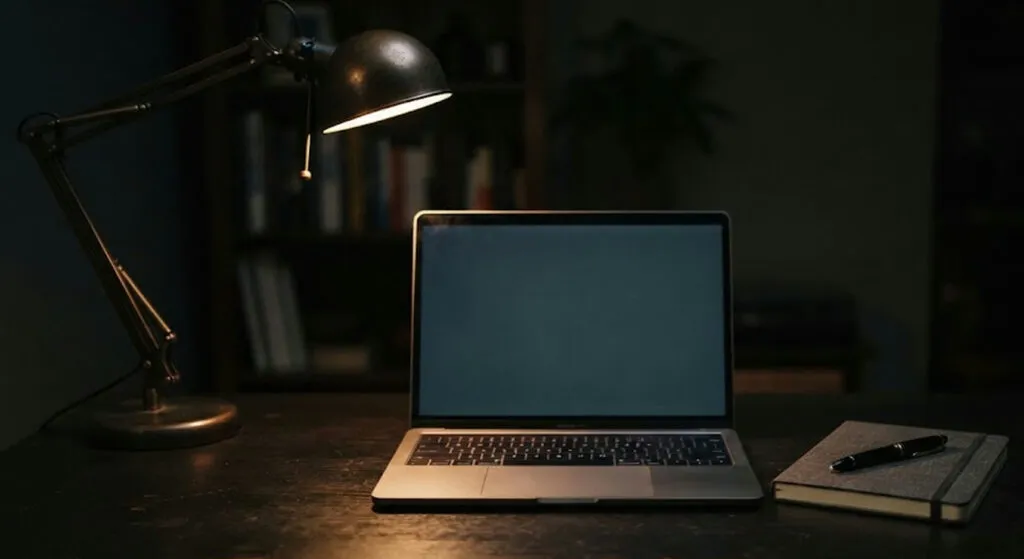
The Chinese start-up Manus is in talks to raise 500 million dollars (around 460 million euros) at an estimated valuation of 4 billion dollars. The figure itself is unremarkable for this industry. The route to it is not - less than a year ago the same firm was sold to Meta for two billion, then Beijing stopped the deal, then it bought itself back from its own investors at around two billion. Now it is asking for twice as much.
The chronology is worth laying out because it tells the story better than any comment. Manus became visible last year after a demonstration of its artificial intelligence agent. It entered the middle of 2025 by relocating its staff to Singapore. In December it announced that Meta was buying it for two billion dollars, with annual recurring revenue reported at the time as above 100 million dollars. Then fears prevailed in China that the country was losing its researchers and talent to the West - and Beijing blocked the deal, citing possible breaches of export controls and foreign investment rules.
What followed resembles a divorce with a division of servers. The firm spent months disentangling itself from its American owner. Early investors helped it buy back its own shares. In August it told users to export and save their own data, because it had to delete everything created after the Meta takeover - in order to "comply with regulatory requirements in certain jurisdictions". A client carrying their own archive home is a rare scene in this industry.
This month Manus announced it is operating independently again and that the founding team remains in charge. Possible investors in the new round include IDG Capital, Boyu Capital and the battery maker CATL, alongside existing backers Tencent, HSG and ZhenFund. A restructuring is also mentioned, in preparation for a listing in Hong Kong.
The product, incidentally, is nothing the competition does not have - a chatbot and tools with which a user builds applications, websites, designs, presentations and video, similar to what OpenAI, Lovable and Replit offer. Manus did not respond to a request for comment.
What this story shows is not about the product. A valuation twice as high after a blocked sale and after deleting data is a valuation of something else - of the fact that the company stayed Chinese. When the state decides a start-up may not be sold, it stops being merely a company. How many start-ups from this region would get that kind of protection - and how many of them would want it?
The latest 10 news from this category
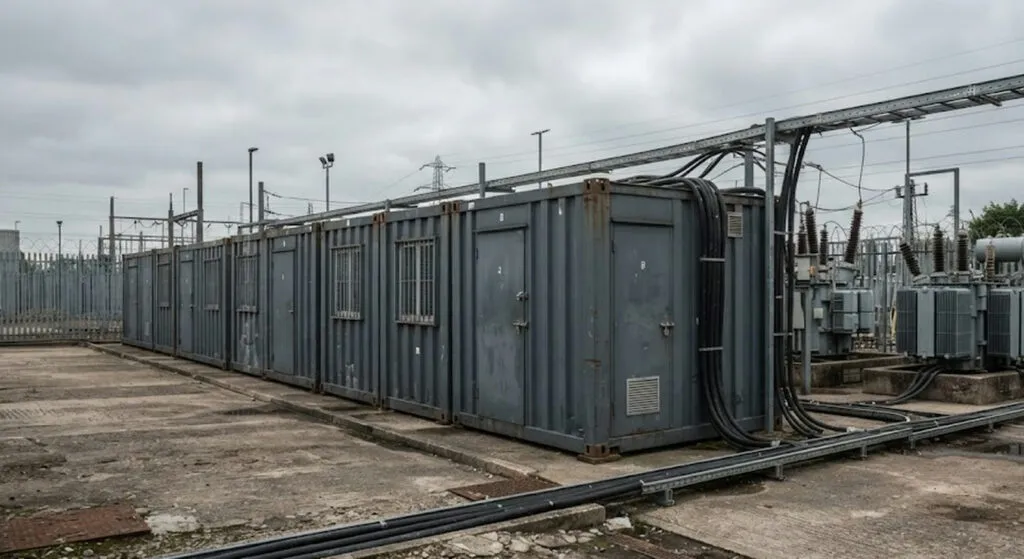
An eight-year-old firm that started out mining crypto has tripled its value in ten months. It did not discover anything...

The price of uranium has jumped 75 percent in five years, and the list of countries that mine it reads...
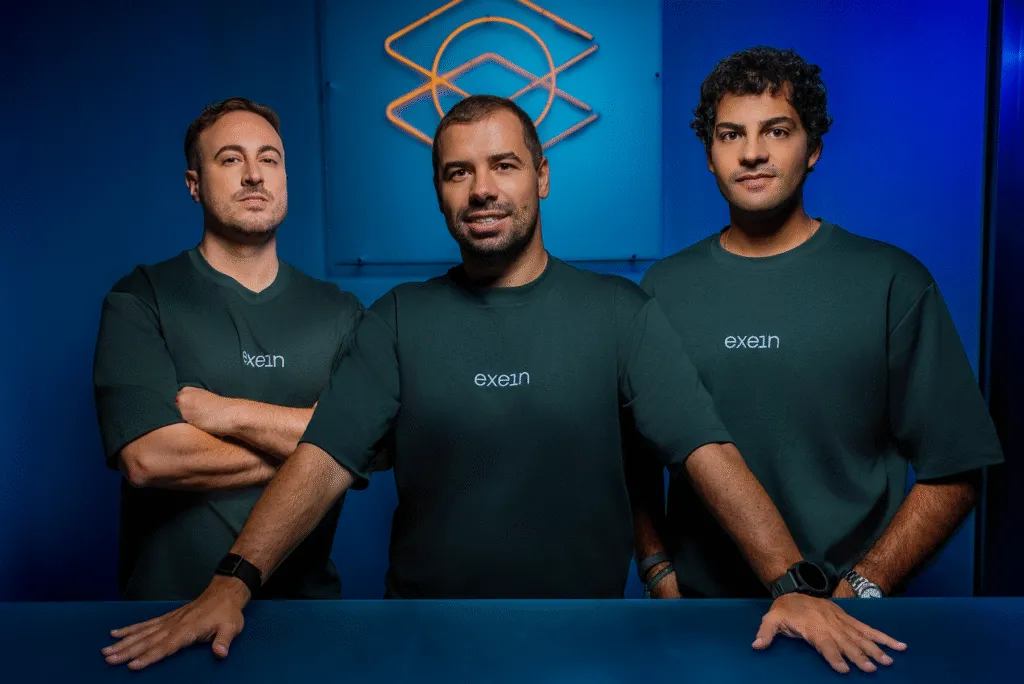
Exein raised 270 million dollars and its valuation jumped thirtyfold in two years. The European regulation coming into force in...
A startup valued at 94 million dollars changed hands, and both sides said openly what was being bought - not...
A technology sold for decades as the answer to the climate is now taking money from the defence industry. The...
The board voted, the founder kicked the administrators out of Slack and held out for three days. What does a...

Three months ago the company raised 60 million. Now it is worth almost ten times that, and its product is...

After Ohridska Banka, Sparkasse has gone after a second one. The approvals come from Podgorica, Belgrade and Frankfurt. The market...

They had offers and visas to stay in the US. They went back to Munich because the numbers worked better...

A signed term sheet in venture capital is treated as a word of honour. When the buyer offers sixty-seven years...
This site uses cookies - is that okay? Learn more
Be the first to know when Metla launches something new
Leave your email and we will write when there is a new guide or something new on Metla.