
Studeničani: 35-year-old dies after being electrocuted while washing his car with a pressure washer
18.09.2026


18.09.2026
18.09.2026

18.09.2026

18.09.2026

18.09.2026
18.09.2026
18.09.2026

17.09.2026
16.09.2026
18.09.2026

18.09.2026
17.09.2026

18.09.2026
18.09.2026

18.09.2026
18.09.2026
17.09.2026

16.09.2026

18.09.2026

18.09.2026
18.09.2026

18.09.2026

17.09.2026

17.09.2026

09.03.2026

27.02.2026

19.02.2026
18.09.2026
17.09.2026
16.09.2026

23.04.2026

23.04.2026

12.04.2026

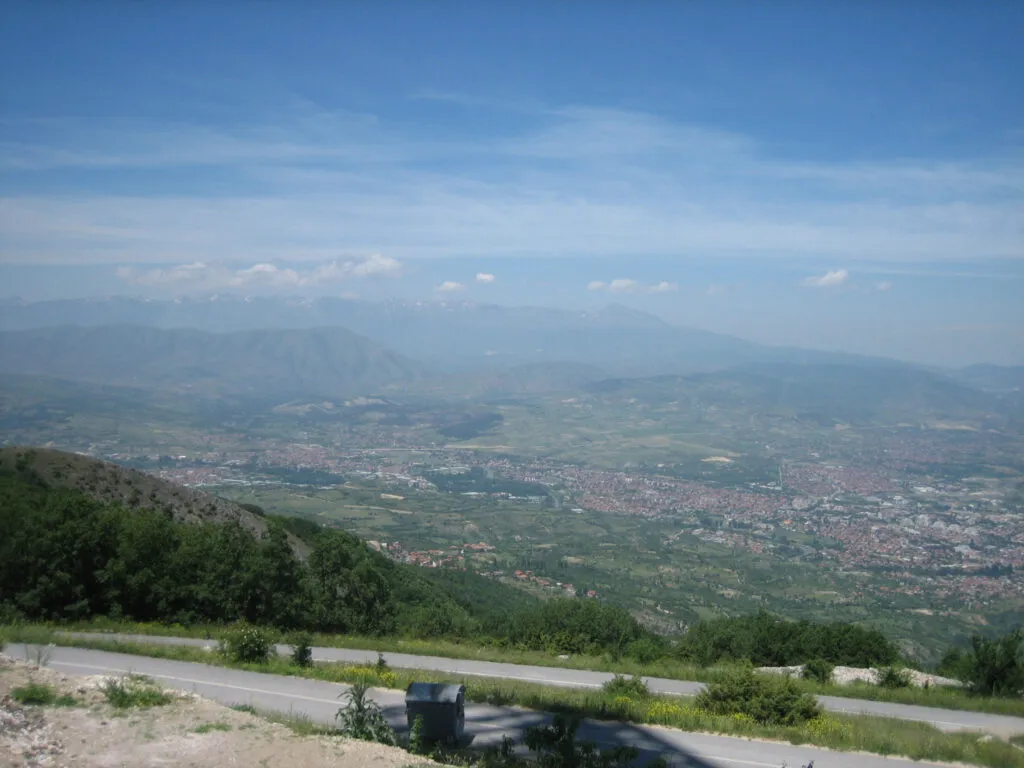
Centar municipality has its own Local Energy and Climate Plan, adopted in December 2024. It states that urbanisation of the Vodno slopes can trigger erosion, torrential watercourses and landslides. Among the proposed measures is a ban on building in areas identified as at risk of flash flooding.
The same municipality is now tabling a draft detailed urban plan for the Barutana area on Vodno, without completed hydrological, hydrogeological and geotechnical analyses for the whole slope.
"We are sawing off the branch we are sitting on. And we have no right to do that, not for ourselves now and not for future generations," says Jana Belčeva-Andreevska, a councillor on the Skopje City Council from the civic initiative Chance for Centar.
A third less, or 88 percent more
Centar municipality claims the draft allows around a third less construction than the older plan. That is true - measured against the plan.
The official figures measured against the ground say something else. Barutana today has 15,701 square metres of total residential floor space across all storeys. The plan envisages 29,459 square metres. That is an increase of around 88 percent on the existing situation.
Both claims can be true at the same time, because they measure different things. One compares against a document that was never fully built out. The other compares against what actually stands on the slope.
Barutana is part of Vodno, close to the police station and at the start of several hiking trails. There are already residential buildings in the area, but the new draft pushes deeper into the forest and widens the zone in which new construction is permitted.
The analyses that get postponed
The draft itself admits that landslides are possible because of the terrain's configuration, and calls for geological, geomechanical and hydrotechnical studies.
Except those are left for later - for the stage of the basic designs for individual buildings. So each house will be checked separately, after the plan has already allowed building to go ahead.
This is the crucial point and it is worth saying slowly: a slope does not collapse because of one house. It collapses because of the sum of all the houses, streets, excavations and retaining walls together. Checking building by building cannot mathematically measure precisely that.
"I am not here to spread fear. If a decision is to be voted on, any decision should be voted on the basis of data and analyses… So where are the analyses - hydrological, hydrogeological, geotechnical? We are asking for the analyses to be done. When they are done, let the plan come back for consideration, and then we will see what they show," says Belčeva-Andreevska.
The silence of the institution whose job this is
The Directorate for Protection and Rescue has for months given no opinion on the draft. The legal procedure can continue without its response.
That is a silence written into law - and that is exactly why it is a problem. An institution created to assess risk can simply not answer, and the plan passes anyway, with the absence of an opinion quietly read as having no objections.
"The public has to be aware that institutions exist to protect the public interest, not to stay quiet about it," the councillor says.
The pipes under the plots
There is a more prosaic problem too. The official draft shows that trunk pipelines of 350 and 200 millimetres run through three building plots. Nothing can be built on them until around 400 metres of the larger one and 50 metres of the smaller one are relocated to public land.
The public water and sewerage utility, Belčeva-Andreevska says, sent the draft plan back. At the public hearing they got no answer on what the relocation and the construction of a new street on the steep terrain will cost.
When a bill is not shown at a public hearing, it usually means somebody is assuming it will not be theirs.
What comes next
Belčeva-Andreevska also claims the draft is not aligned with the General Urban Plan, which is the higher-level planning document. The Skopje City commission nevertheless issued a positive opinion. She asked mayor Orce Gjorgjievski to re-examine the decision, but says there is still no concrete answer.
The draft is due back before the Centar municipal council, once the objections from the public consultation have been reviewed.
"This will be a test of people's integrity," the councillor says.
A test whose correct answers are already written down - in the document the municipality itself adopted less than two years ago.
The latest 10 news from this category

Rič, Popčevo, Belotino and Veljusa left without drinking water after an emergency inspection. The two findings travel together, and that...
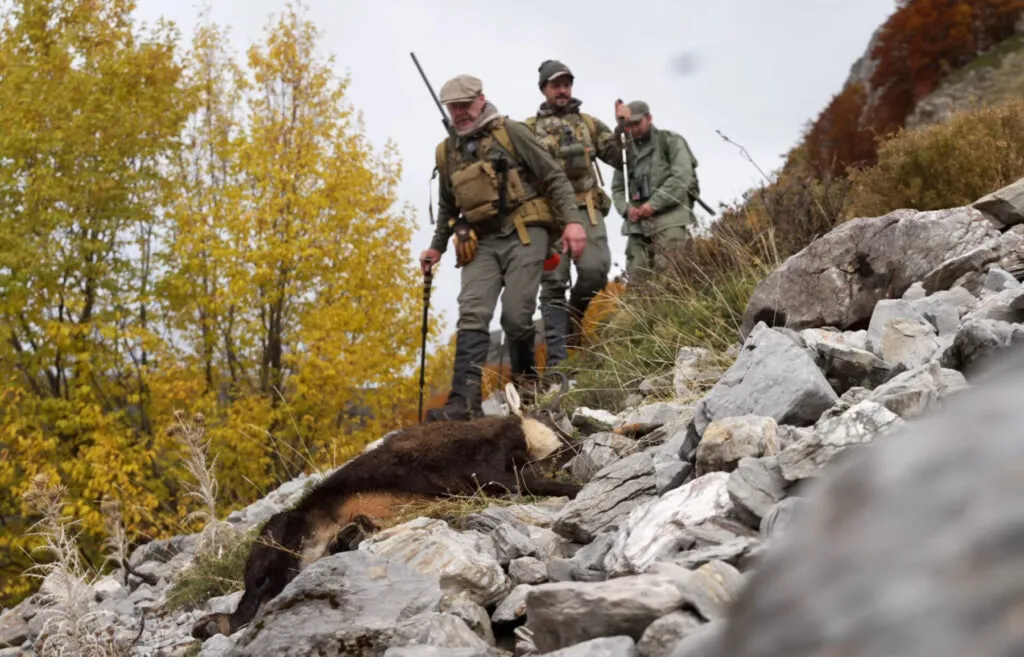
The Balkan chamois is strictly protected under the Bern Convention. The hunting is legal because Mavrovo has been waiting more...
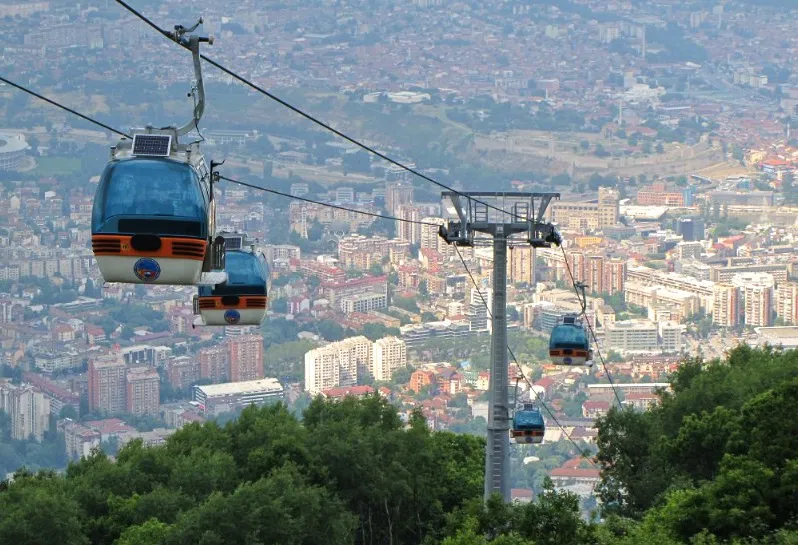
Three of the four sensors were not working, the cables were worn beyond the safety minimum. A state inspection last...
Stefkovski is introducing this after Mucunski. The Constitution applies to the whole country, yet the rule is being made municipality...
If the full deadline is used, the document arrives in autumn 2027. Realistically, the first paid parking space is not...
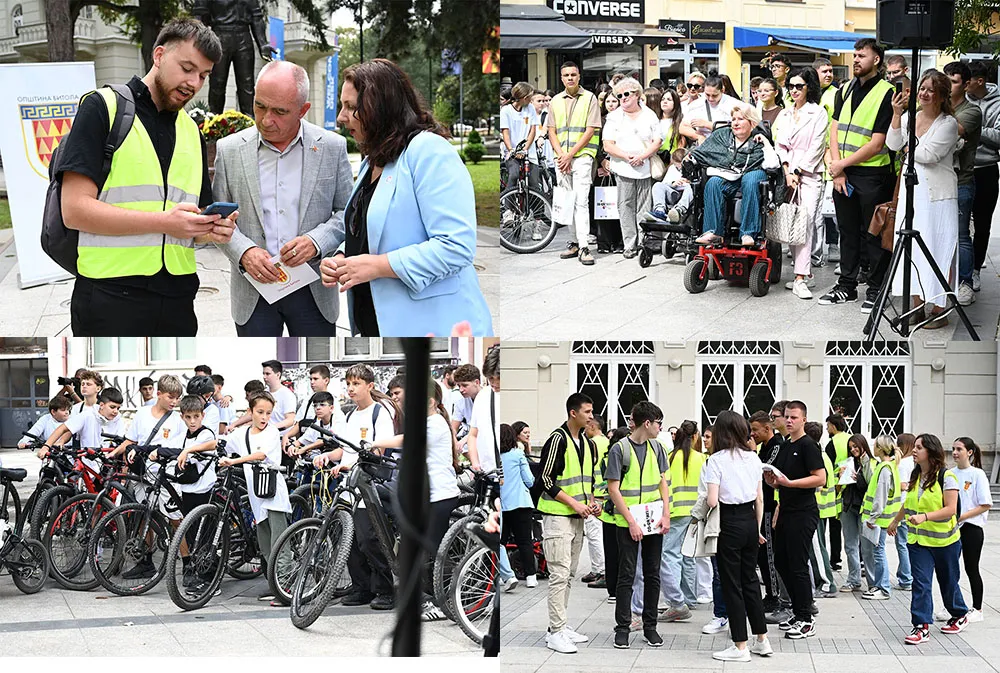
European Mobility Week ended with data carrying an exact location, not with a survey. The map will later show how...
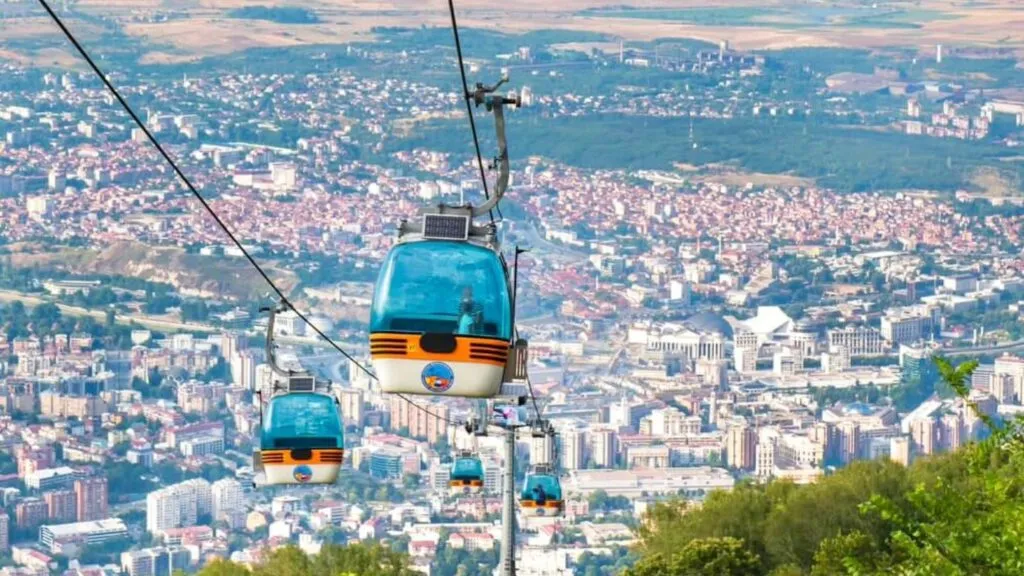
The mayor says the cable car was one step away from tragedy. The manufacturer's report found worn-out parts and dead...
One ticket for both train and bus by the middle of next year, 40 new eco-friendly buses, waits under six...
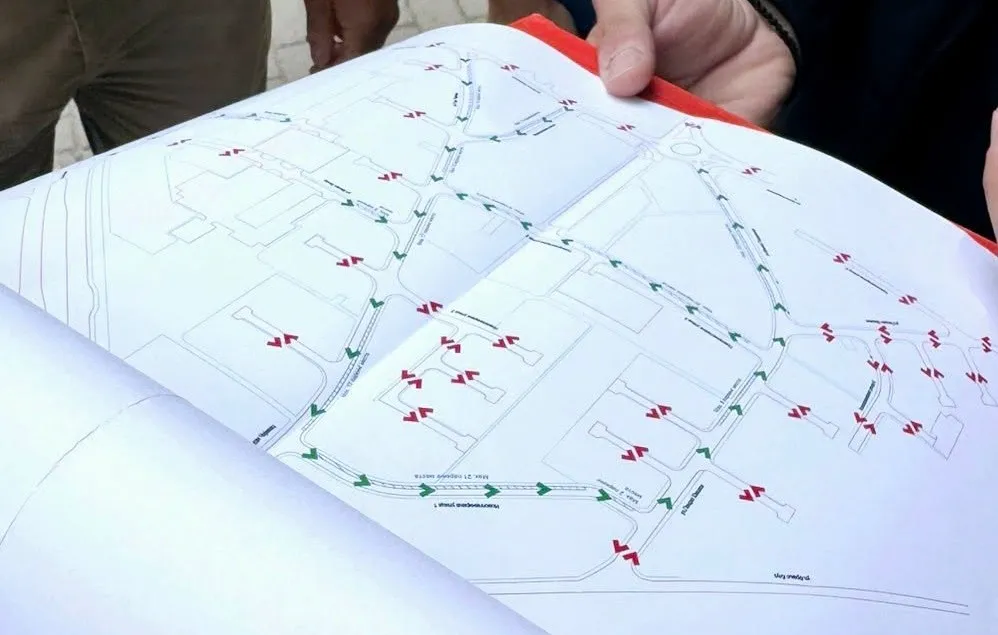
Two streets go one-way, cycle lanes appear and the speed limit drops to 30 km/h. The question nobody answered is...
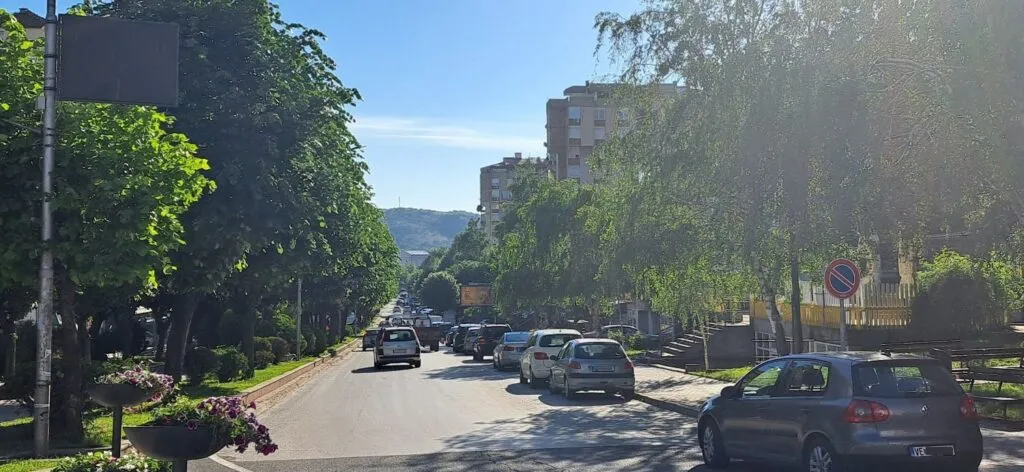
The same system ran for six months and was scrapped over losses. The question facing every councillor is simple -...
This site uses cookies - is that okay? Learn more
Be the first to know when Metla launches something new
Leave your email and we will write when there is a new guide or something new on Metla.
