

A week after the police brutality story, the Interior Ministry has its own version: the passenger took the officer's gun
15.10.2026


15.10.2026

15.10.2026

15.10.2026

15.10.2026

15.10.2026
15.10.2026

15.10.2026

14.10.2026

13.10.2026

15.10.2026

15.10.2026

14.10.2026

15.10.2026

15.10.2026

15.10.2026

15.10.2026

14.10.2026

13.10.2026

15.10.2026

15.10.2026

15.10.2026

15.10.2026

15.10.2026

15.10.2026

15.10.2026

14.10.2026

13.10.2026
13.10.2026

12.10.2026

10.10.2026

23.04.2026

23.04.2026

12.04.2026

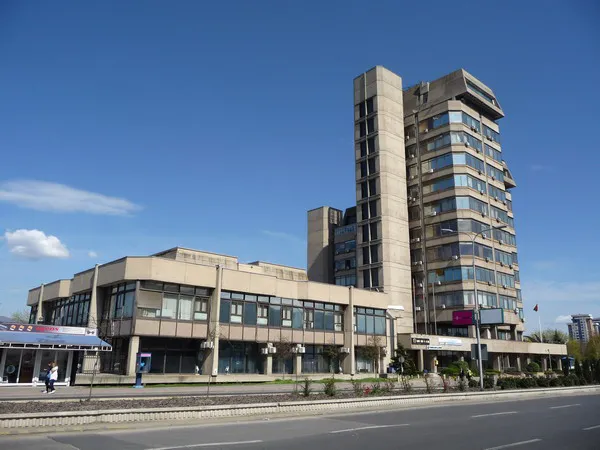
The National Bank has good news: house price growth in Skopje is slowing. The bad news is in the number that explains the good news. According to its index, annual price growth in the third quarter of 2026 slowed to 10.3 percent. In other words - flats are still getting more expensive, just slightly more slowly than before.
Governor Trajko Slaveski says this increases buyers' bargaining power, so they might now be able to negotiate a lower price. Maybe. But when a flat costs ten percent more than it did a year ago, "bargaining power" sounds more like consolation than relief. The index, moreover, covers Skopje only.
The new rules from December 1. The National Bank is cutting the maximum repayment period for loans on a second or any subsequent flat from 30 to 25 years. For a first home the term stays at up to 30 years, and last year's concession still applies: a minimum down payment of 10 percent instead of 25 percent for people with no flat or house in their name. According to the governor, first-home loans now make up around 25 percent of approved housing loans, and half of this year's new loans have terms longer than 25 years.
The logic is clear: flats should be for living in, not for parking money. But the maths of a smaller down payment has another side. A calculation for a 100,000-euro flat, a 30-year loan and a fixed 3 percent interest rate shows that a first-time buyer needs 15,000 euros less up front - but in return pays roughly 7,800 euros more in interest over the life of the loan.
The banks, meanwhile, are competing with introductory rates of 2.9 percent, fixed for the first few years. After that, some offers tie the rate to EURIBOR. If it rises from 3 to 5 percent, the monthly payment on such a loan can go up by more than 100 euros - and that in the years when the family has nowhere left to retreat.
The central bank's measures are sensible for the stability of the banks. But they don't change the basic ratio between wages and the price per square metre. Young people paying rent or living with their parents aren't asking whether growth has slowed. They're asking how many years of work a home costs - and no institution has an answer to that question yet.
The latest 10 news from this category

Cauliflower at up to 250 denars at the market, young cabbage nearly four times dearer from field to stall. Farmers...
244,513 tourists in August and 3 percent growth over eight months. But 70.8 percent of overnight stays belong to domestic...

Three labels, from "fully generated" to "no AI", and not a single ban. YouTube is tagging machine-made songs while also...

The company Meta and Google put more than 10 billion dollars into is now asking the stock market for money....
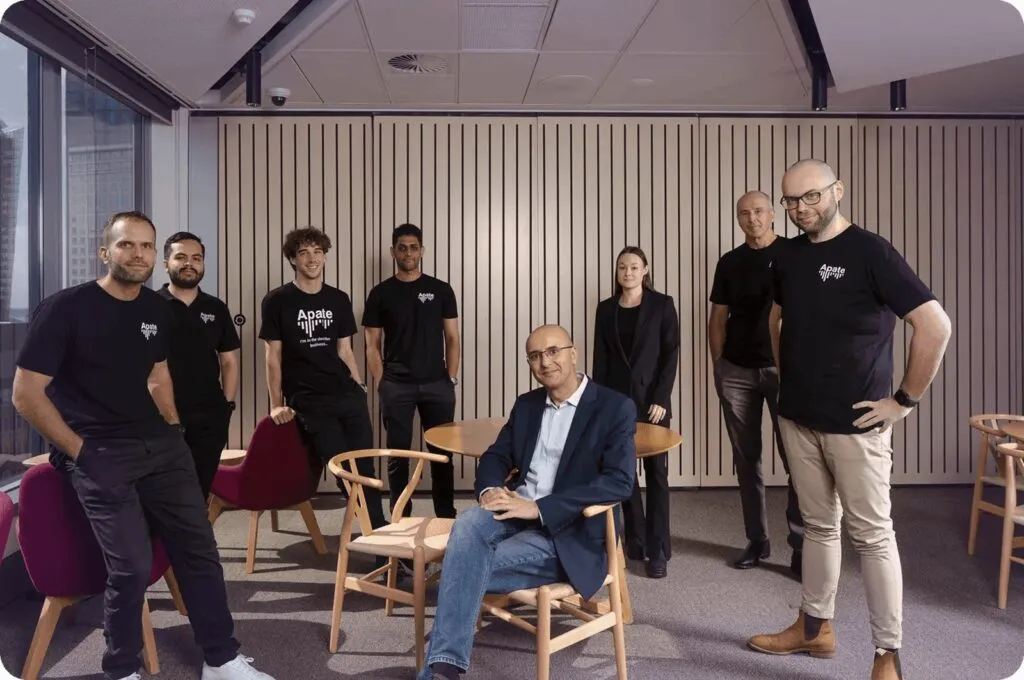
Instead of waiting for the scam to happen, the startup sends its bots straight into the trap. The scammers waste...
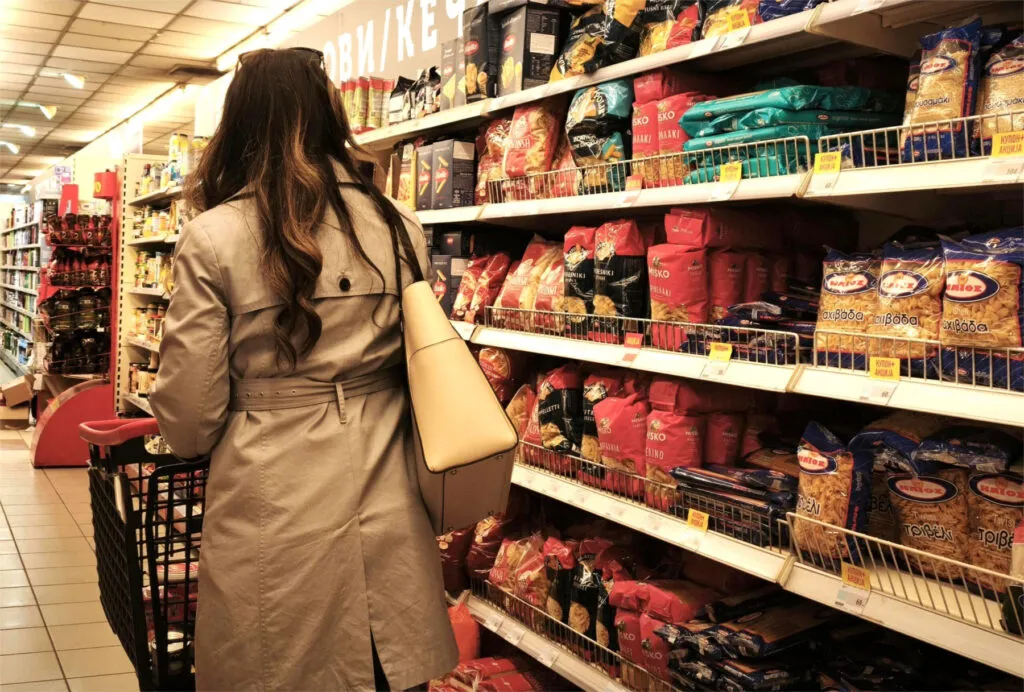
The average Macedonian net wage is around 789 euros. Reaching 1,000 euros by 2028 takes growth of around 27%, and...
On a 100,000-euro flat, a 10% down payment instead of 25% means 15,000 euros less up front, but around 7,800...

The Energy Regulatory Commission left petrol and diesel at their current prices. The explanation lies with the dollar, which rose...
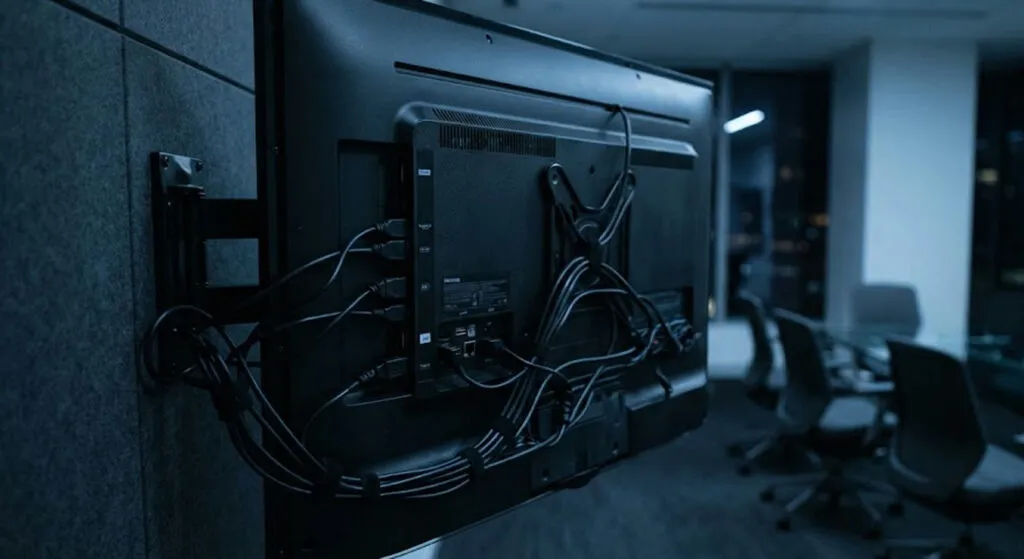
A hidden device in a USB port behind a TV, in OpenAI's leadership meeting room. The FBI director talks about...

Five years ago Bumble was valued at 14 billion dollars on the stock market; today it sells for 1.3 billion....
This site uses cookies - is that okay? Learn more
Be the first to know when Metla launches something new
Leave your email and we will write when there is a new guide or something new on Metla.


