

A week after the police brutality story, the Interior Ministry has its own version: the passenger took the officer's gun
15.10.2026


15.10.2026

15.10.2026

15.10.2026
15.10.2026
15.10.2026
15.10.2026

15.10.2026

14.10.2026

13.10.2026

15.10.2026
15.10.2026

14.10.2026
15.10.2026

15.10.2026

15.10.2026

15.10.2026

14.10.2026

13.10.2026

15.10.2026

15.10.2026

15.10.2026

15.10.2026

15.10.2026

15.10.2026

15.10.2026

14.10.2026

13.10.2026
13.10.2026

12.10.2026

10.10.2026

23.04.2026

23.04.2026

12.04.2026

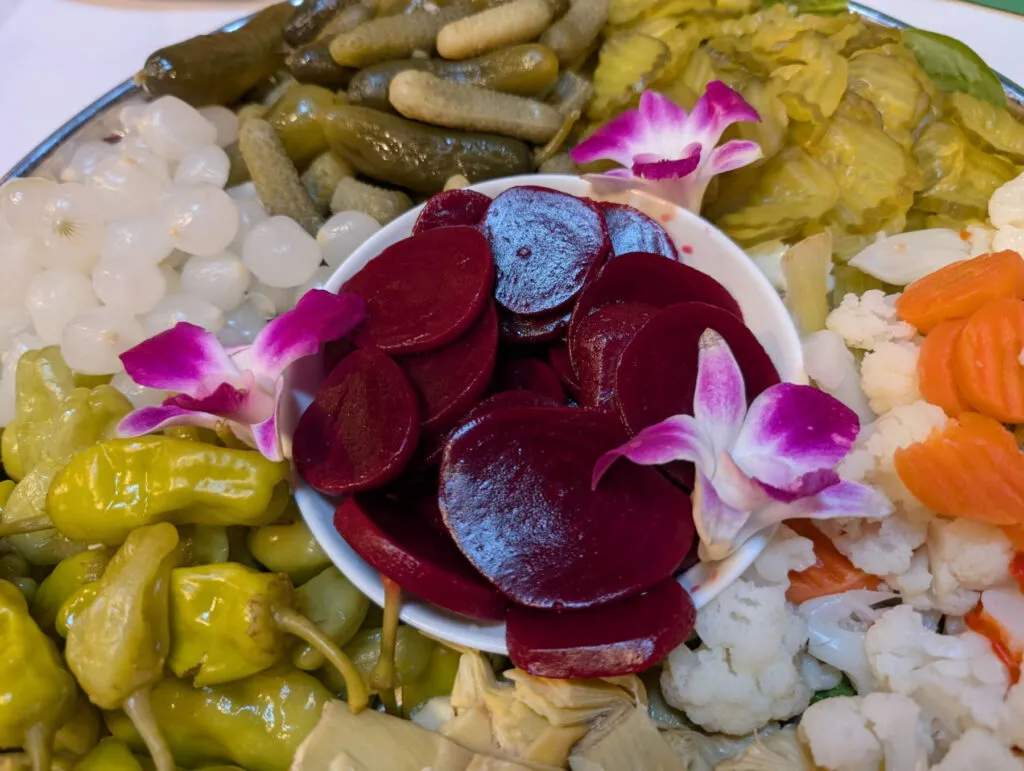
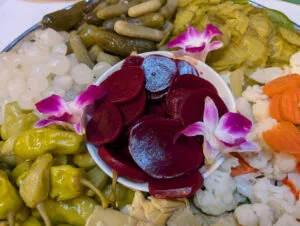
Autumn in Macedonia has always smelled of roasted peppers and full jars. This year, before the big pot comes out, the calculator comes out first. Farmers complain they barely cover their costs, shoppers are digging through their wallets - and somewhere between the field and the jar, someone is doing very nicely.
Ajvar peppers are the best example. Farmers say buying stations take them for as little as 15 denars a kilo. At Skopje's Kvantaški wholesale market this week they were selling for 30 to 40 denars, at the cheaper green markets they can be found for 60 denars, and in some supermarkets the price goes up to around 100 denars. From field to shelf - more than six times dearer.
The picture is similar for the other vegetables that go into winter preserves. Wholesale at Kvantaški, potatoes cost 30 to 35 denars a kilo, carrots 25, beetroot 20, cabbage 25 to 30, green tomatoes 40 to 45 and gherkins 55 to 60 denars. At Skopje's Zeleno Pazarče market, beetroot is 60 denars, potatoes 50, carrots for pickling 50 to 60, green tomatoes 60 to 120 and gherkins 80 to 100 denars. True, at Kvantaški people buy in bulk and the quality isn't always the same - but for a family buying a few kilos, the bill at the stall is the only one that counts.
Cauliflower has become a luxury. At Skopje's markets cauliflower and broccoli go for 200 denars a kilo, and over the long weekend, according to the vendors, cauliflower hit 220 to 250 denars. Wholesale it is 160 denars. People say prices were similar in Struga and Ohrid. A pensioner at Zeleno Pazarče said that in one inland town cauliflower was 50 to 100 denars, while in Skopje he sees it at 200 and 250.
Young cabbage at the Bunjakovec market is selling for 120 denars a kilo and has set off a storm on social media. Straight from the field, spring cabbage costs around 35 denars - meaning that by the time it reaches the stall it is nearly four times dearer.
"The traders are skimming the cream. For years I've been saying there's no strategy in agriculture, and on the ground you can see it in the shrinking area under cultivation," says Risto Velkov of Strumica's Agrosojuz farmers' association. According to him, imports are another heavy blow for producers: just when the domestic crop comes in, large quantities of imported produce are released onto the market.
The result is a paradox: the farmer sells below the value of his labour, and the buyer pays as if for a delicacy. Does anyone at the Ministry of Agriculture or the Commission for the Protection of Competition see this gap between the field and the stall? And how many more autumns will it take for pickles to become a memory rather than a winter staple?
The latest 10 news from this category
From December 1, shorter loans for a second flat and an easier down payment for a first home. But a...
244,513 tourists in August and 3 percent growth over eight months. But 70.8 percent of overnight stays belong to domestic...

Three labels, from "fully generated" to "no AI", and not a single ban. YouTube is tagging machine-made songs while also...
The company Meta and Google put more than 10 billion dollars into is now asking the stock market for money....
Instead of waiting for the scam to happen, the startup sends its bots straight into the trap. The scammers waste...
The average Macedonian net wage is around 789 euros. Reaching 1,000 euros by 2028 takes growth of around 27%, and...
On a 100,000-euro flat, a 10% down payment instead of 25% means 15,000 euros less up front, but around 7,800...
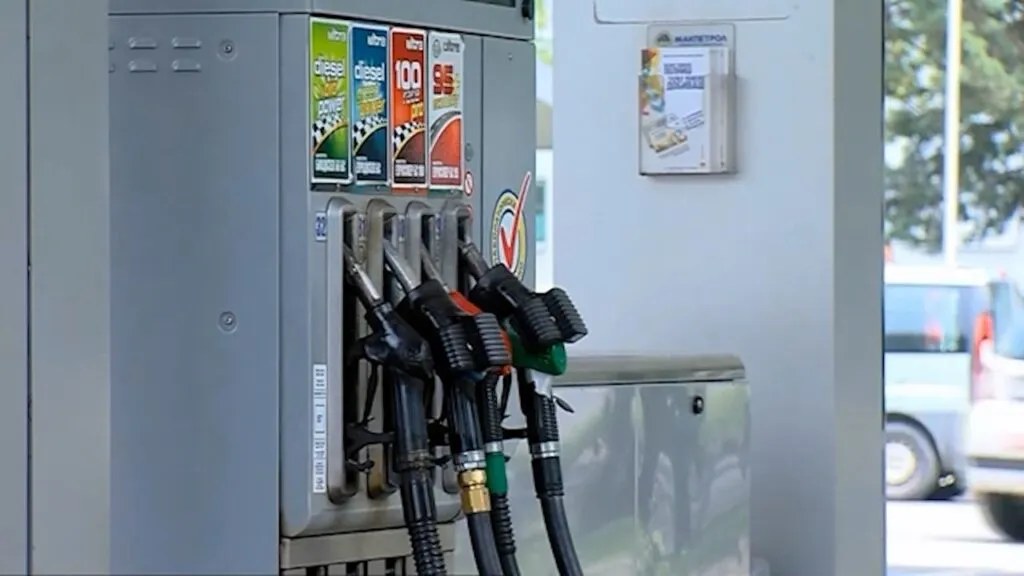
The Energy Regulatory Commission left petrol and diesel at their current prices. The explanation lies with the dollar, which rose...
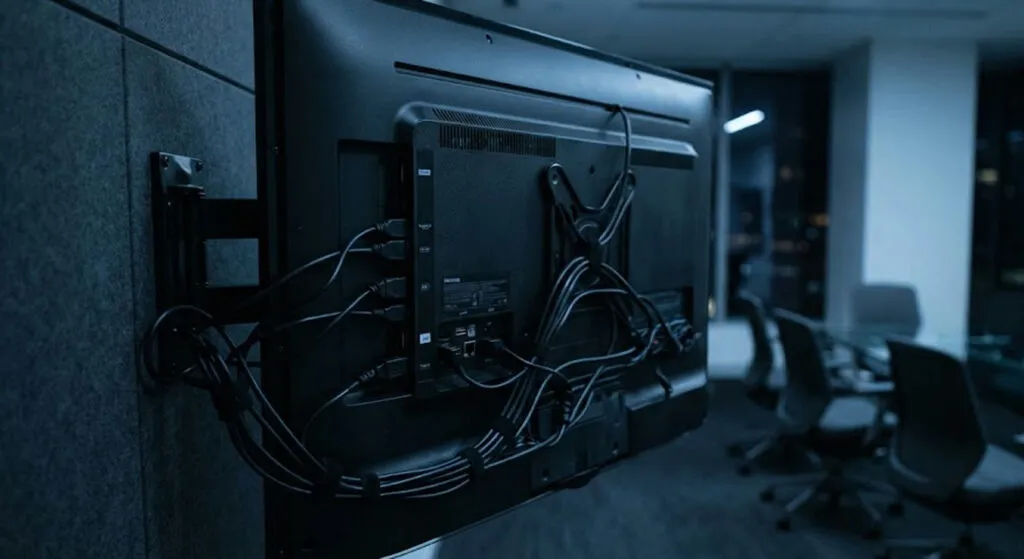
A hidden device in a USB port behind a TV, in OpenAI's leadership meeting room. The FBI director talks about...
Five years ago Bumble was valued at 14 billion dollars on the stock market; today it sells for 1.3 billion....
This site uses cookies - is that okay? Learn more
Be the first to know when Metla launches something new
Leave your email and we will write when there is a new guide or something new on Metla.


