
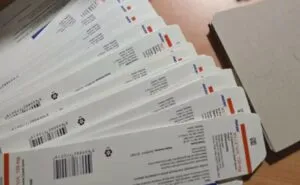
Cancer Drug in a First Aid Kit at Bogorodica: Why Was the Driver Also Carrying 30 Labels?
22.10.2026


22.10.2026

22.10.2026

22.10.2026
22.10.2026
22.10.2026
22.10.2026

22.10.2026

21.10.2026

20.10.2026

22.10.2026

22.10.2026

21.10.2026

22.10.2026

22.10.2026

22.10.2026

22.10.2026

21.10.2026

20.10.2026

22.10.2026

22.10.2026

21.10.2026

22.10.2026
21.10.2026
20.10.2026
20.10.2026

19.10.2026

17.10.2026

23.04.2026

23.04.2026

12.04.2026

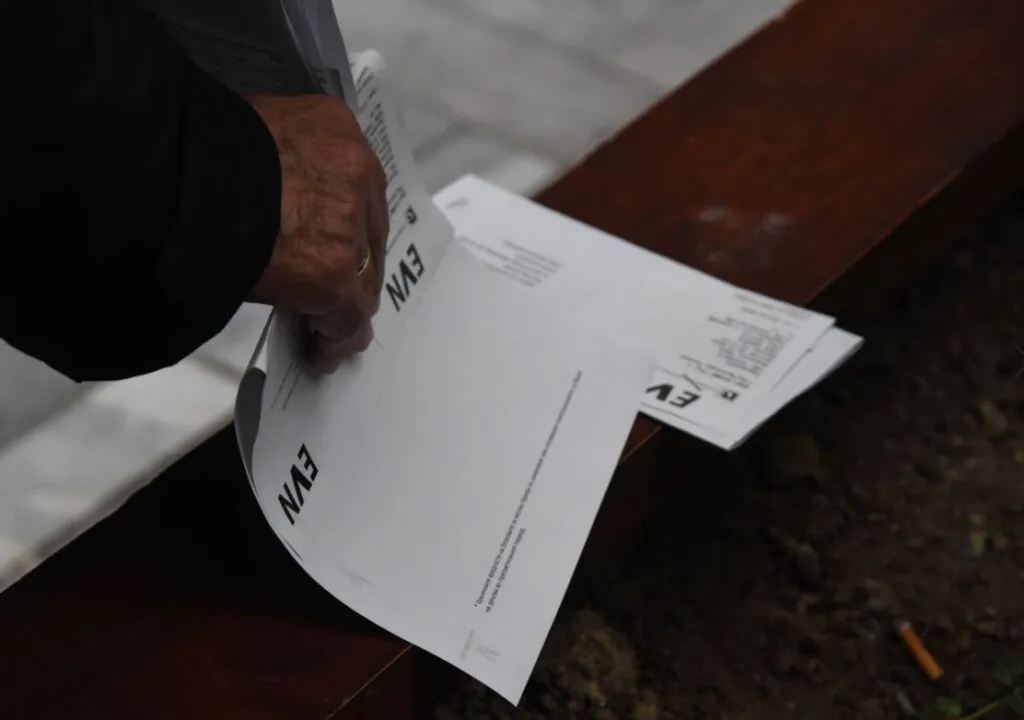
State-owned company MEPSO has asked the Energy Regulatory Commission (RKE) to raise the electricity transmission tariff from January 1, 2027 by 97.68 percent - from the current 0.3018 to 0.5966 denars per kilowatt-hour. The request was filed on October 16, and the documents have been published on the regulator's website.
The logic of the request is best seen in two numbers. For 2027, MEPSO wants regulated revenue of around 3.39 billion denars, against 1.88 billion approved for this year - almost 80 percent more. At the same time, it plans to transmit less electricity: 5.68 billion kilowatt-hours, against 6.24 billion this year. More money for less work. That exact combination is what pushes the tariff toward almost double.
That doesn't mean the electricity bill will double. Transmission is just one item, alongside generation, distribution and the supplier's margin. According to calculations published after the request, if the entire increase lands on households, that's about 0.35 denars more per kilowatt-hour including VAT - around 139 denars a month for consumption of 400 kilowatt-hours, or a rise of 4 to 5 percent from this item alone. Illustrative, not official. And only if every other item stays unchanged.
MEPSO isn't alone. AD ESM is asking for a 52.7 percent increase in its average tariff. And in Skopje, all four companies in the heating sector - ESM Production, ESM Supply, ESM Distribution and "Energy Ecolong" - are seeking an adjustment of the district heating price. According to ESM, gas in October is about 60 percent more expensive than the price on which the last heating decision was based.
A request is a request, not a decision. The RKE now has to determine which of MEPSO's costs are justified - investment in the grid, maintenance, losses, balancing - and citizens and companies can submit comments until October 29. That's the window in which the regulator shows whether it is a regulator or a postman. When a state company asks for an almost doubled tariff for a smaller volume of service, the question isn't just how much it will cost - but why so much, and why right now?
The latest 10 news from this category
A four-year-old with a million-denar income from a bank dividend, an annual salary of 2.2 million euros in mining and...
Housing loans jumped 16.1 percent in a year, and current account overdrafts rose 5.8 percent in a single month. The...
Revenue grew 26 percent, costs 68. The answer is a new class of shares: investors bring in money, and the...

Three founders and a promise that AI can be trained on far less data. In Silicon Valley that's now worth...
You pay a cleaning fee, then get a list of chores on your way out. For bookings from November 20...

The union's consumer basket reached 70,358 denars, and almost the entire monthly increase is on the dinner table. The government...
The amendments passed their first parliamentary filter. Your flat is yours, the land under it still belongs to the state,...
Three hours today, five tomorrow, and pay by the hour. It sounds like flexibility, but the question remains who decides...
The company that sells artificial intelligence is now also offering the law that would control it. The checkers would be...

A company from a small Baltic country raised 100 million dollars to tell humans from machines online. The trick is...
This site uses cookies - is that okay? Learn more
Be the first to know when Metla launches something new
Leave your email and we will write when there is a new guide or something new on Metla.