

Grubi calls the entire government as witnesses, while 9.7 million euros' worth of machines sit in a warehouse
21.10.2026


21.10.2026

21.10.2026

21.10.2026

21.10.2026

21.10.2026

21.10.2026

21.10.2026

20.10.2026

20.10.2026

21.10.2026

21.10.2026

20.10.2026

21.10.2026

21.10.2026

21.10.2026

21.10.2026

20.10.2026

19.10.2026

21.10.2026

21.10.2026

21.10.2026

21.10.2026

21.10.2026

20.10.2026

21.10.2026

20.10.2026

19.10.2026
20.10.2026

19.10.2026

17.10.2026

23.04.2026

23.04.2026

12.04.2026


The minimum wage in Macedonia is 26,046 denars. Food and drinks for a family of four in October cost 26,170 denars. The difference is 124 denars - and in the wrong direction. A worker on the minimum wage, according to the calculation of the Federation of Trade Unions of Macedonia, cannot cover even the dinner table with their entire pay, let alone electricity, transport or medicine.
The union's minimum consumer basket reached 70,358 denars in October, up from 69,432 in September. An increase of 926 denars in a single month, of which no less than 911 denars went on food and drinks. In other words, almost the entire monthly price rise is in the thing you can least do without. If the family rents, the bill goes up to 85,733 denars. In ten months the basket has become 3,945 denars more expensive.
Zero inflation on paper
The government, meanwhile, says inflation is under control, and the numbers back it up - at least at first glance. The State Statistical Office reported that monthly inflation in September was zero percent and annual inflation 2.7 percent, below the EU average, where according to Eurostat the rate jumped to 3.8 percent in September. But behind the zero there's a structure: food and soft drinks went up by 0.5 percent, transport got cheaper by 3.4 percent, and recreation and culture by 3.7 percent. Who buys bread every day, and who buys a theatre ticket?
Deputy Economy Minister Marjan Risteski says the ratio has improved: recently inflation has been around 4.5 percent, while wages have grown by more than 7 percent. The ministry even has its own basket, which for August came to 58,475 denars, against the union's 68,675 for the same month. A gap of 10,200 denars between the ministry and the union, both measuring the same family of four. The ministry explains that the methodology is different and that its basket does not include rent or a mortgage.
Whose basket is the real one?
Both figures can be accurate at the same time, and that is exactly the problem. Wages are growing, the average looks good, and the person at the bottom of the ladder only sees the price on the shelf. Wage growth of 7 percent doesn't mean much to a family living on a minimum wage that is smaller than its food bill.
If the government wants to convince people that living standards are protected, the best proof isn't a comparison with Europe, but an answer to one simple question: on what salary does a family of four in Macedonia fill the fridge and then pay the bills too?
The latest 10 news from this category
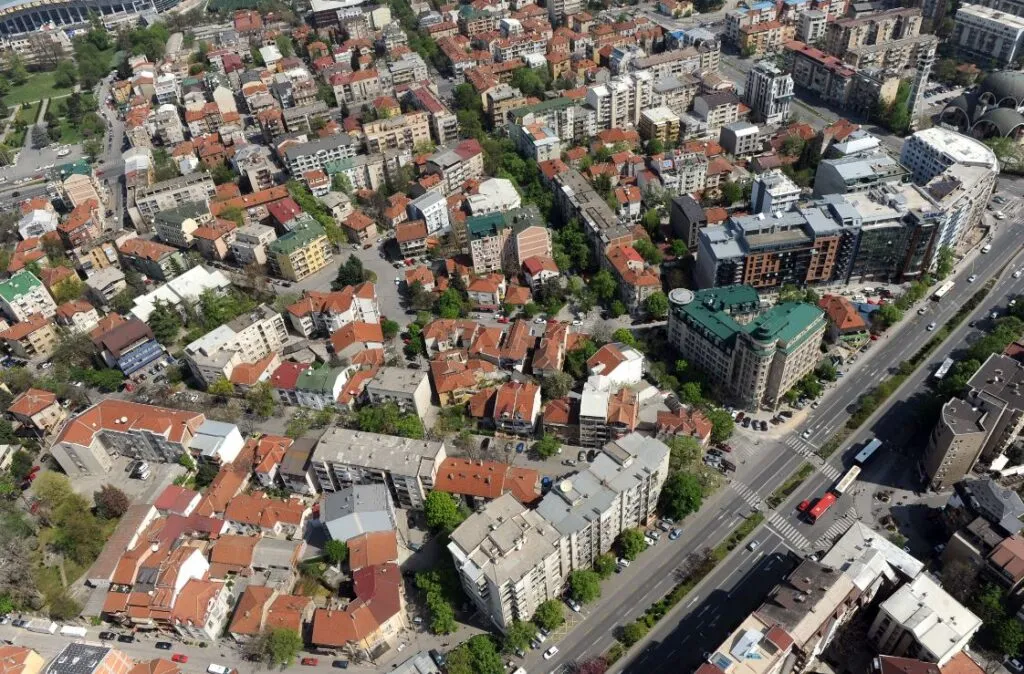
The amendments passed their first parliamentary filter. Your flat is yours, the land under it still belongs to the state,...

Three hours today, five tomorrow, and pay by the hour. It sounds like flexibility, but the question remains who decides...
The company that sells artificial intelligence is now also offering the law that would control it. The checkers would be...

A company from a small Baltic country raised 100 million dollars to tell humans from machines online. The trick is...

TikTok didn't run surveys on its users' ages, fearing it would have to show the results to the US regulator....
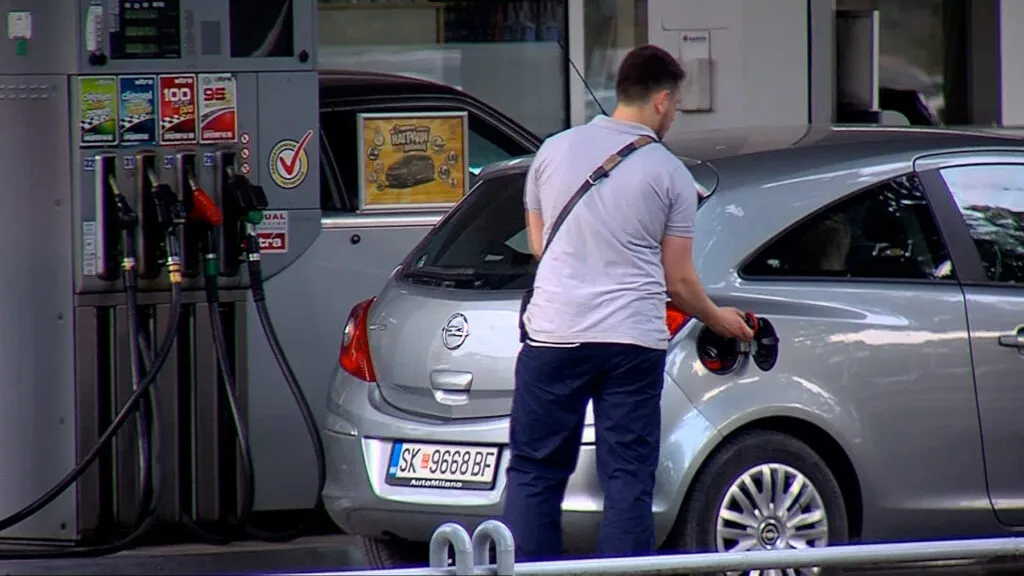
Petrol is down 2.50 denars, diesel up two. The prime minister says we have the lowest prices and promises another...
On paper wages are rising, in litres they are falling: purchasing power measured in petrol is down by about 18.5...

Nvidia did not win on chips alone, but on the software around them. Amazon is now attacking exactly that wall,...

The app for emotions and to-dos claims revenue in the tens of millions of dollars. Seventy percent of its users...
Apple says App Store review blocked more than 150,000 apps last year. So how did "undressing" apps get through the...
This site uses cookies - is that okay? Learn more
Be the first to know when Metla launches something new
Leave your email and we will write when there is a new guide or something new on Metla.


