


Grubi calls the entire government as witnesses, while 9.7 million euros' worth of machines sit in a warehouse
21.10.2026


21.10.2026

21.10.2026

21.10.2026

21.10.2026

21.10.2026

21.10.2026

21.10.2026

20.10.2026

20.10.2026

21.10.2026

21.10.2026

20.10.2026

21.10.2026

21.10.2026

21.10.2026

21.10.2026

20.10.2026

19.10.2026

21.10.2026

21.10.2026

21.10.2026

21.10.2026

21.10.2026

20.10.2026

21.10.2026

20.10.2026

19.10.2026
20.10.2026

19.10.2026

17.10.2026

23.04.2026

23.04.2026

12.04.2026

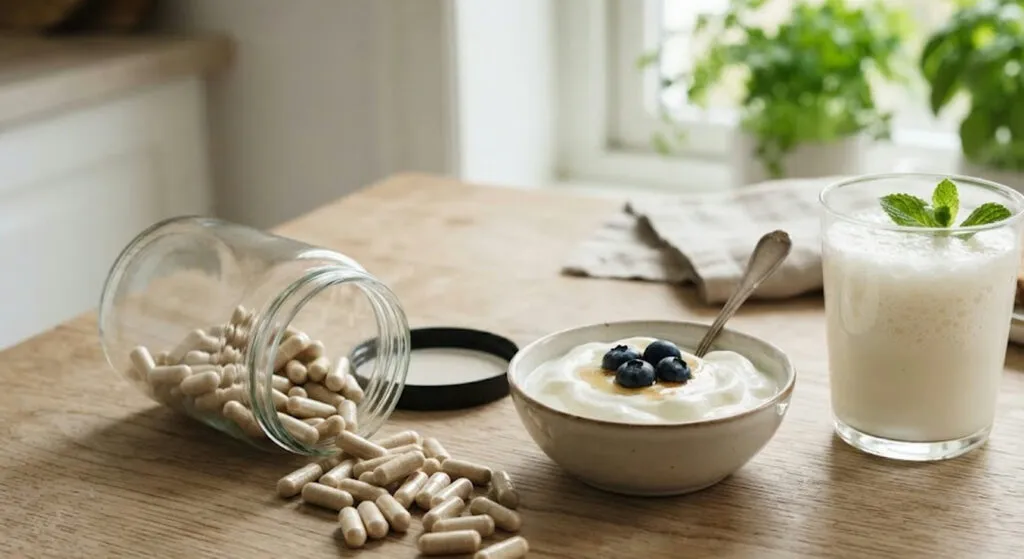
Probiotics are sold as something that can't do any harm: a capsule in the morning, "good bacteria", a calm stomach. Nutritionist Salena Sainz, author of the book La Revolución del GLP 1 natural, argues otherwise. According to her, probiotics are not harmless by definition, and not everyone needs them.
The effect depends on the strain, the dose, the duration and on the state of each individual's gut. Taking them without measure, or for longer "so they work better", is not a strategy - it's a lottery. That is why Sainz recommends not starting supplements without a doctor's advice. Particular care is needed for people with weakened immunity and those with certain illnesses.
The four signs a probiotic may not suit you: more bloating, more gas or pressure in the gut, changes in bowel movements (diarrhoea or constipation), and new or stronger stomach pain. That doesn't automatically mean the capsule is to blame - the cause could be diet, another condition or some other ingredient in the supplement, such as added prebiotics. A slight increase in gas at the start can be temporary. But persistent or strong symptoms, the nutritionist says, should not be accepted as normal.
What instead of capsules? The gut is fed on the plate, not at the pharmacy. Sainz lists five things: fermented foods such as plain yoghurt and kefir, without much added sugar; a variety of fibre, including prebiotic fibre, from asparagus, onion, garlic, legumes and oats - introduced gradually; a variety of fruit and vegetables; a Mediterranean way of eating; and healthy habits - enough water, regular meals, sleep, movement and no unnecessary restrictions. People with SIBO (small intestinal bacterial overgrowth) or other gut conditions may need a diet tailored just for them.
The irony is obvious to anyone who grew up in the Balkans. Yoghurt, sour milk, pickles, sauerkraut - fermented food has been on our tables for generations, without a "probiotic" label and without a price tag like medicine. Now we buy it packed into a capsule. The final advice is simpler than any advert: if your stomach keeps acting up, first find out why, and only then reach for supplements.
The latest 10 news from this category

The persimmons that have gone too soft to eat are exactly the ones you need. A recipe for a 22-centimetre...

The body waits for darkness and cooling before it falls asleep. Instead, it gets a glowing screen a hand's width...
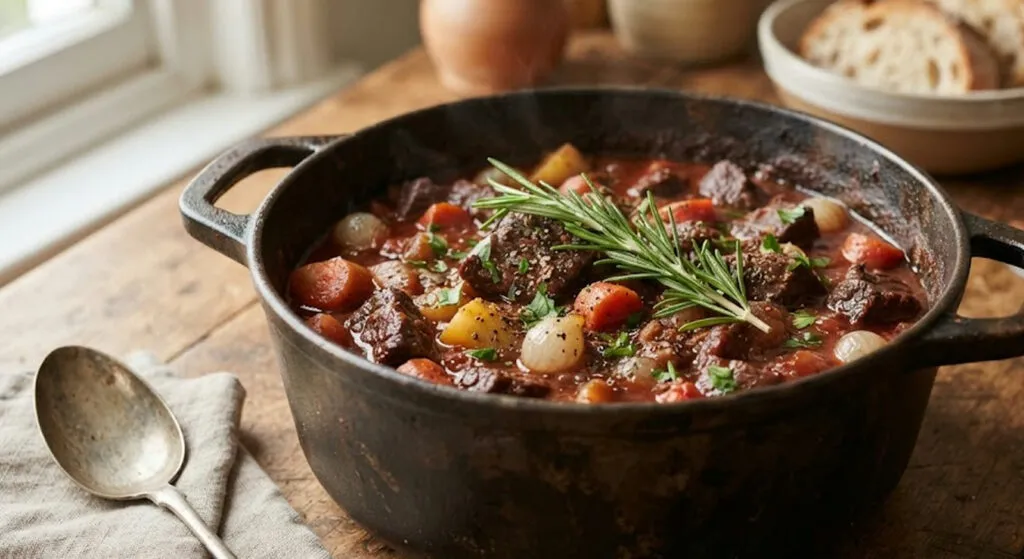
The most tender stew is not made from the leanest meat, but from the cuts that demand patience. And it...

From "I got lucky" to "it was nothing": a psychologist explains why we reject compliments on autopilot and how to...
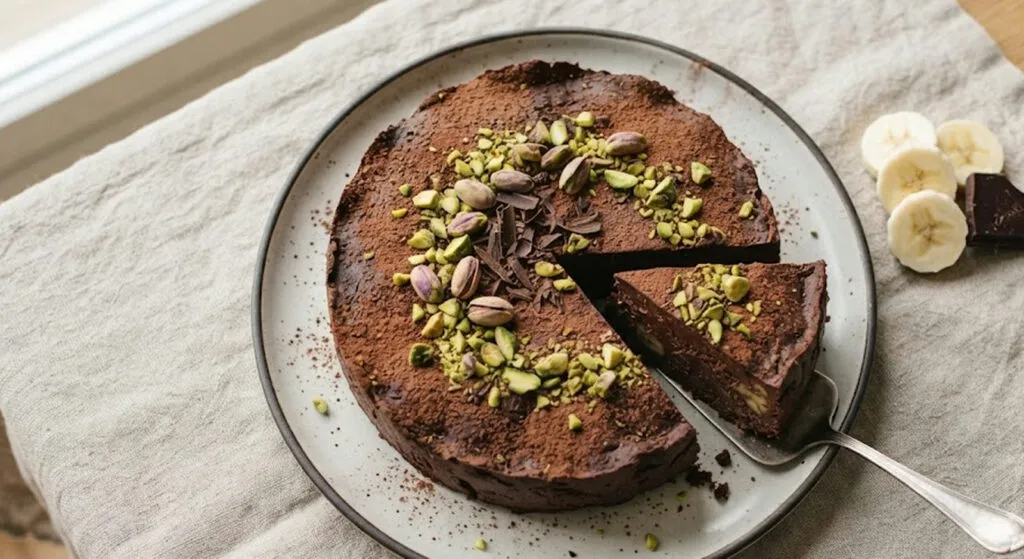
Two ripe bananas, a little dark chocolate and a fridge instead of an oven: the Olympic canoeist's dessert for evenings...
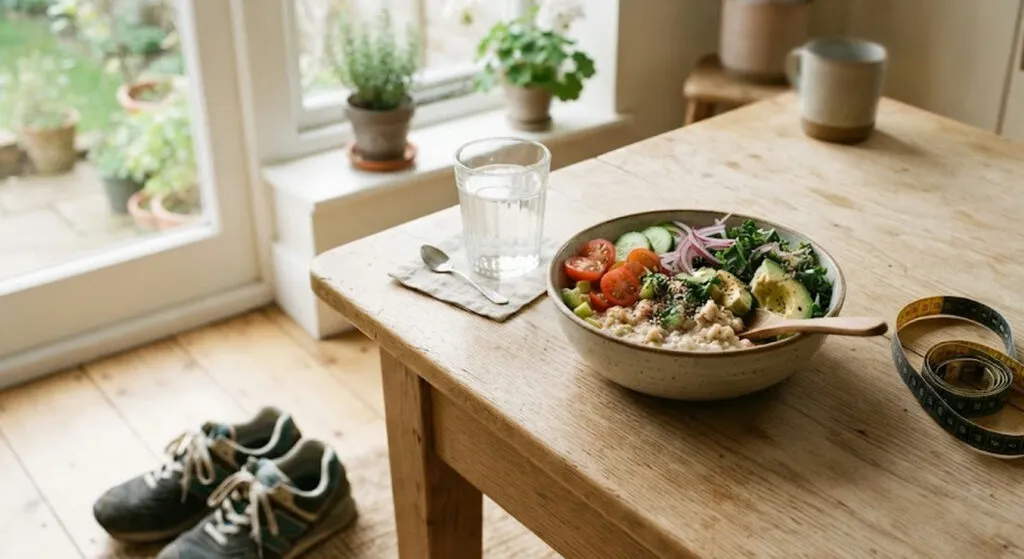
"It's your age" is not a diagnosis. Visceral fat doesn't show in the mirror, and new or persistent bloating shouldn't...
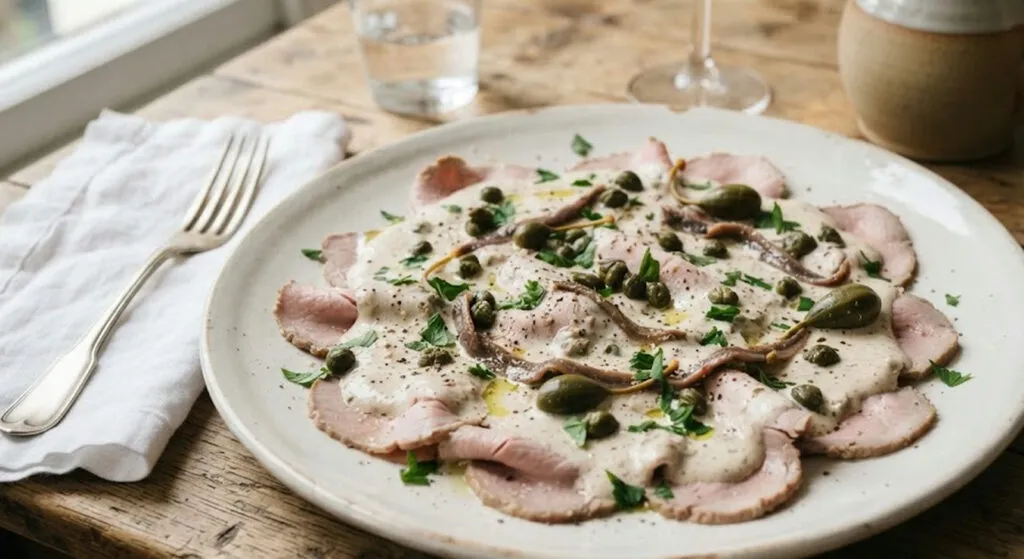
Lean meat that never goes above 65 degrees inside, a night in the fridge and a mayonnaise with tuna, anchovies...

Every group has someone who organises everything and someone who has only been reading for months. Psychology says neither is...

The British turned stale bread into a warm pudding served with custard. The secret isn't the bread, it's the filling,...
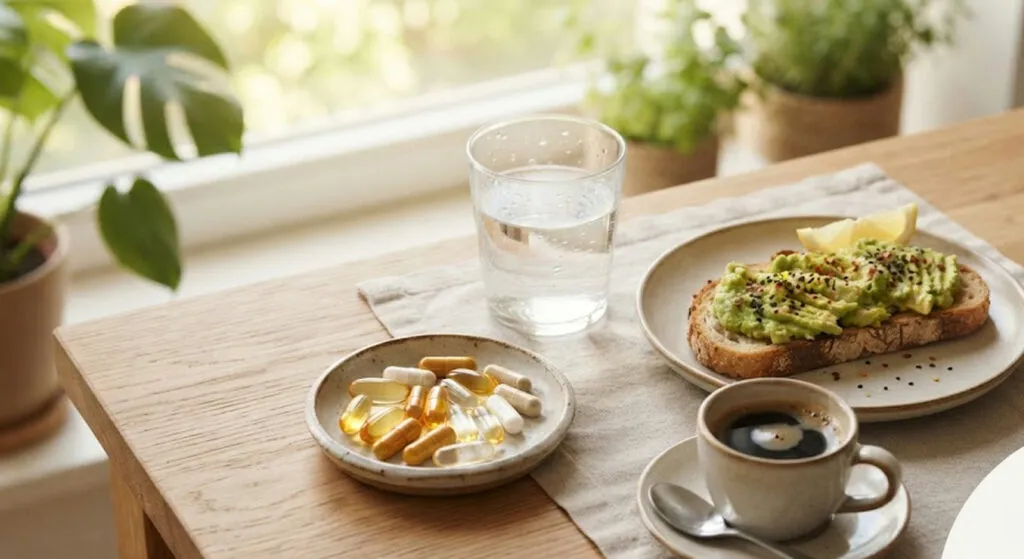
Magnesium, vitamin D, omega-3, iron - the shelves are full, and the question is always the same: morning or night?...
This site uses cookies - is that okay? Learn more
Be the first to know when Metla launches something new
Leave your email and we will write when there is a new guide or something new on Metla.


