

Grubi calls the entire government as witnesses, while 9.7 million euros' worth of machines sit in a warehouse
21.10.2026


21.10.2026

21.10.2026

21.10.2026

21.10.2026
21.10.2026

21.10.2026

21.10.2026

20.10.2026
20.10.2026

21.10.2026

21.10.2026

20.10.2026

21.10.2026

21.10.2026

21.10.2026

21.10.2026

20.10.2026

19.10.2026

21.10.2026

21.10.2026

21.10.2026

21.10.2026

21.10.2026

20.10.2026

21.10.2026

20.10.2026

19.10.2026
20.10.2026

19.10.2026

17.10.2026

23.04.2026

23.04.2026

12.04.2026


When one chamber of commerce proposes fewer public holidays and another publicly opposes it, a worker might easily think that someone from business has finally taken their side. It's worth reading the second half of the sentence too.
The Federation of Chambers of Commerce of Macedonia (SSKM) disagrees with the Economic Chamber's proposal to cut public holidays. "Macedonia has hard-working, dedicated and honest people who want to work. That is why our focus should not be on reducing holidays. Our target is how to increase productivity," SSKM president Goran Gjorgjievski said ahead of the round table "A Stronger Voice of Business for Reforms".
And how do you increase productivity? Gjorgjievski opens a topic: pay per hour worked, "following the example of developed market economies". According to him, someone could work three hours one day and five the next, depending on needs and possibilities, which would especially help parents and mothers balance work and family. The model, the Federation says, would favour the hard-working, who would be able to earn more.
Flexibility sounds great in a presentation. But who decides how many hours you work tomorrow - you, or your employer? Where hourly pay is the rule, it usually comes together with a legal minimum hourly wage and rules on overtime. Will those rules come in the package too, or will we import only the hourly rate?
The government is cautious for now. Deputy Minister of Economy and Labour Marjan Risteski says the issue has been considered several times and that paying by hours worked is one of the options to be analysed, and the debate should take place in the Economic and Social Council, with unions and employers at the same table. That is the right place. Because once workers are paid by the hour, every hour without work will be an hour without pay - and they should know that before they applaud.
The latest 10 news from this category

The union's consumer basket reached 70,358 denars, and almost the entire monthly increase is on the dinner table. The government...
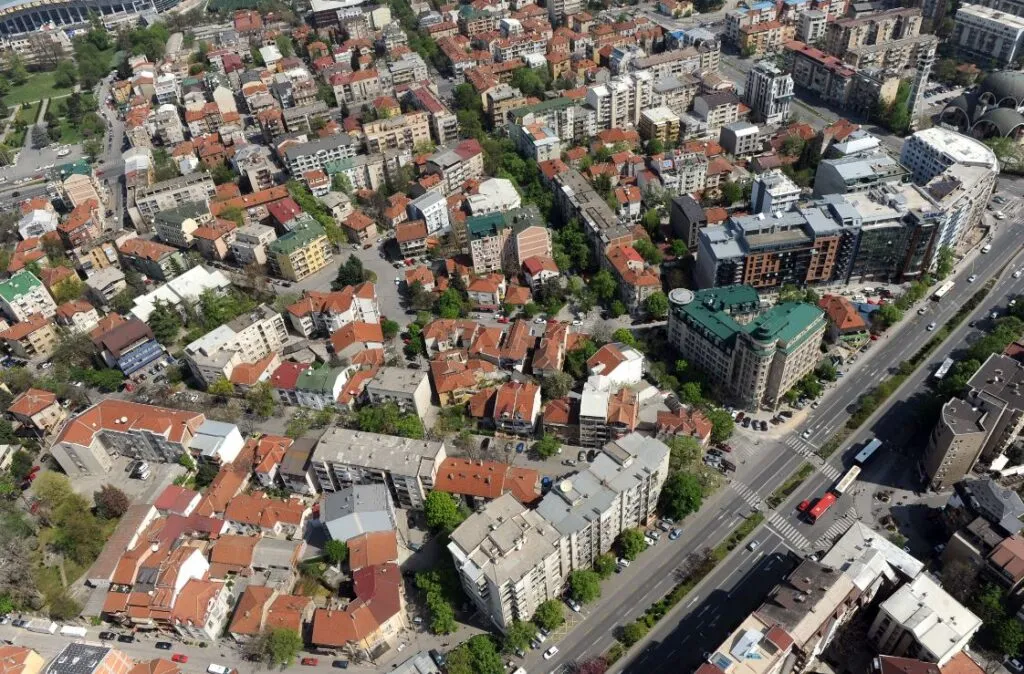
The amendments passed their first parliamentary filter. Your flat is yours, the land under it still belongs to the state,...

The company that sells artificial intelligence is now also offering the law that would control it. The checkers would be...

A company from a small Baltic country raised 100 million dollars to tell humans from machines online. The trick is...

TikTok didn't run surveys on its users' ages, fearing it would have to show the results to the US regulator....

Petrol is down 2.50 denars, diesel up two. The prime minister says we have the lowest prices and promises another...

On paper wages are rising, in litres they are falling: purchasing power measured in petrol is down by about 18.5...

Nvidia did not win on chips alone, but on the software around them. Amazon is now attacking exactly that wall,...

The app for emotions and to-dos claims revenue in the tens of millions of dollars. Seventy percent of its users...

Apple says App Store review blocked more than 150,000 apps last year. So how did "undressing" apps get through the...
This site uses cookies - is that okay? Learn more
Be the first to know when Metla launches something new
Leave your email and we will write when there is a new guide or something new on Metla.


