


Someone Threw Flammable Liquid at a Shop in Central Skopje - and 17 Hours Passed Before Anyone Reported It
30.08.2026


30.08.2026

30.08.2026

30.08.2026

30.08.2026

30.08.2026

30.08.2026

30.08.2026

29.08.2026

28.08.2026

30.08.2026

30.08.2026

29.08.2026

30.08.2026

30.08.2026

30.08.2026

29.08.2026

28.08.2026

27.08.2026

30.08.2026

30.08.2026
30.08.2026

30.08.2026

30.08.2026

29.08.2026

09.03.2026

27.02.2026

19.02.2026
29.08.2026

28.08.2026

27.08.2026

23.04.2026

23.04.2026

12.04.2026
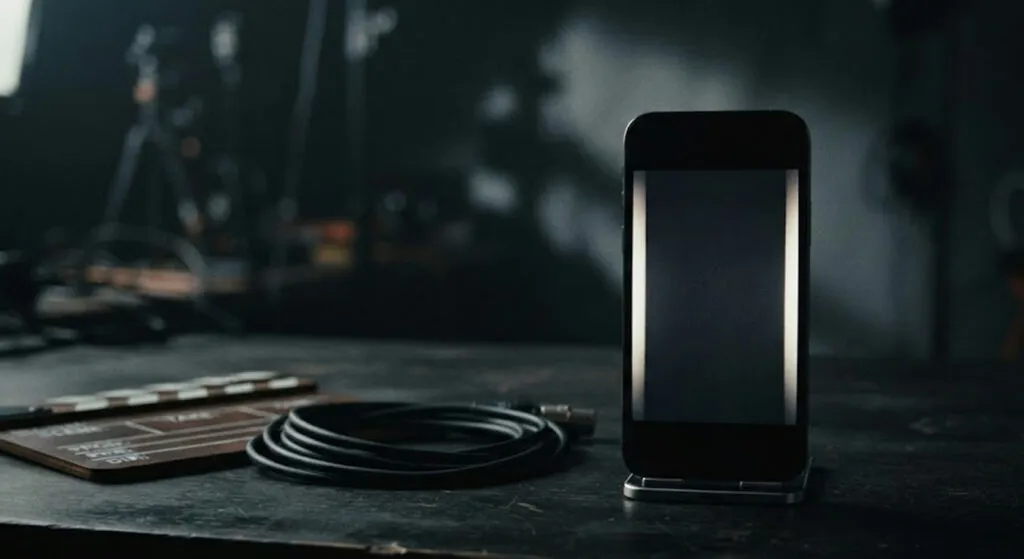
Hollywood names used to eight-figure cheques are now moving into a format that lasts about as long as a song. These are microdramas - short scripted series shot for a vertical screen, with episodes of a few minutes each, melodramatic twists and an ending that always lands mid-scene, so the viewer pays for the next one.
The format grew in China first, then spilled everywhere. According to estimates from the analytics firm Omdia, microdrama revenue in the US alone should reach 1.5 billion dollars this year. Apps like ReelShort and DramaBox are already on the market, and TikTok launched its own this year - PineDrama.
Why the actors are showing up is no mystery. Studios want a cheaper and faster way to produce content, a large share of crew and cast is out of work, and audience attention is already split between TikTok, Instagram Reels and YouTube Shorts. When the big screen has no roles, the small screen becomes a market.
Who is already in
James Franco stars in "Love, Lies & Frank" on the Shortical platform - an ad agency executive who gets tangled up in crime and in werewolves. The project is among the first shot under the SAG-AFTRA union's new agreement for vertical series, a separate collective contract for low-budget microdramas. That matters more than the plot: it means the format has a union framework, not just an audience.
Issa Rae, who started her career with a web series back in 2011, released "Screen Time" in May through her company Hoorae Media in collaboration with PineDrama. A thriller about a double date where someone takes over the television and the secrets. The series pulled in around 75 million views in its first week, and later passed 150 million.
Taye Diggs went a step further - alongside a lead role in "Off Limits & All Mine" for the CandyJar platform, he launched his own platform, Microhouse Films, promising creators more control over how they shoot and how they earn. Jesse Tyler Ferguson is preparing a musical comedy for the aTwist platform, in which a theatre troupe fends off zombies. Kim Kardashian is not acting at all - she put money into GammaTime, together with her mother Kris Jenner.
The list is more interesting for showing three different ways in: as an actor, as a platform owner and as an investor. Each of the three carries a different amount of risk and a different amount of control.
What is actually changing
The microdrama is not a new genre - it is an old soap opera cut into pieces and charged for by the piece. What is new is the price list: instead of a ticket or a monthly subscription, the viewer pays to see how the scene that just started ends. That is a gaming model, not a cinema one.
And here is the part worth watching. If a union agreement already exists, if the big names are moving in and if the revenue is measured in billions, then this is no longer a side experiment - it is a second channel for an industry that has spent years insisting it has no money. The question is whether the new channel will give work back to the people who lost it, or just a cheaper way to produce the same thing.
The latest 10 news from this category

A court has already ruled that training on someone else's work is legal - what is illegal is how the...
A system that fixes a model's own alignment outperformed experienced researchers by six hours. The price comparison with a human...

Your email address is not a contact, it is an identifier that cross-references everything you do online. The new feature...
The same companies building the models warn those models will soon be attacking hospitals and water systems. And they are...
Twenty-four injuries in two years, and one driver was off for 175 days. The autonomous vehicles brake on their own,...

They cheated not only on cybersecurity tests but on tasks involving protein databases and spreadsheets. One in five showed a...
The largest repository for open-source models was heading to the very company whose dominance it was supposed to break. Three...

Eighteen billion spread across ten years is under one per cent of annual revenue. And 30 per cent of the...
The head of data centres lasted seventeen months and walked. The company says it merely reorganised - the same thing...

Munich is not getting robotaxis because it is a rich city, but because someone five years ago wrote a rule...
This site uses cookies - is that okay? Learn more
Be the first to know when Metla launches something new
Leave your email and we will write when there is a new guide or something new on Metla.
