
57 Students in Štip Failed Their Final Exam, 53 of Them in English: Is the Problem the Pupils or the Teaching?
09.07.2026


09.07.2026

09.07.2026

09.07.2026
09.07.2026

09.07.2026

09.07.2026
09.07.2026
09.07.2026
08.07.2026

09.07.2026

09.07.2026

09.07.2026

09.07.2026

08.07.2026

07.07.2026

09.07.2026

09.07.2026

09.07.2026

09.07.2026

09.07.2026

08.07.2026

09.03.2026

27.02.2026

19.02.2026

09.07.2026

08.07.2026

07.07.2026

23.04.2026

23.04.2026

12.04.2026

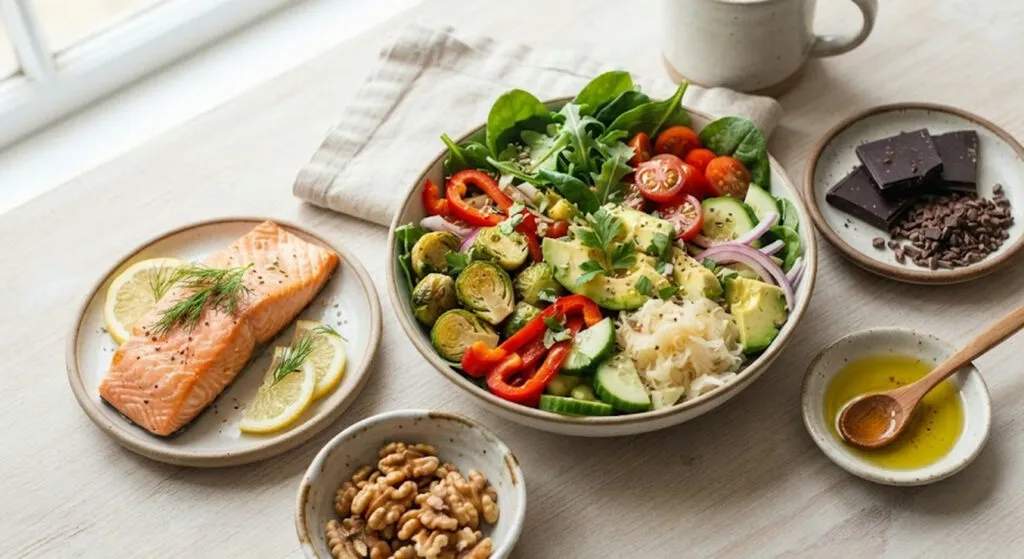
In recent years social media has been flooded with advice that "happiness is made in the gut" and that if you just feed the right bacteria in your intestines, depression will melt away on its own. It sounds nice. The problem is that, according to nutritionist Tamara Pazos, it's also wrong - at least in the part everyone leaves out.
It's true that around 90 percent of the body's serotonin is produced precisely in the gut. But, as Pazos explains, that gut serotonin doesn't reach the brain under normal conditions. "The body produces a large amount of serotonin in the gut, but it doesn't reach the brain. We can't claim that the microbiota makes serotonin, and that's why we feel happy," she says. The brain creates its own serotonin, using tryptophan - an amino acid we take in through food.
Here comes the truly useful part. Poor diet and chronic stress trigger something experts call "tryptophan grabbing" - an enzyme diverts that important ingredient away from serotonin production, which can then show up in mood and in mental clarity. So the gut-brain link does exist, it's just not as romantic as the influencers sell it.
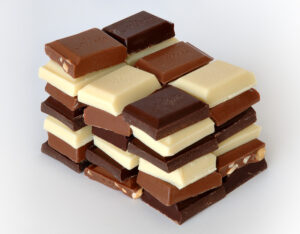
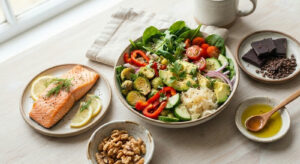
What actually helps? Pazos recommends simple, undramatic things: fibre-rich food and a variety of vegetables, oily fish, walnuts, olive oil and pure cocoa, regular sleep, physical activity and reasonable stress management. Antibiotics only when they're really needed. None of this is an expensive supplement in a starry package - and that's exactly why it's rarely called a "revolution." Real care for your health is usually boring, cheap and without a hashtag.
The latest 10 news from this category
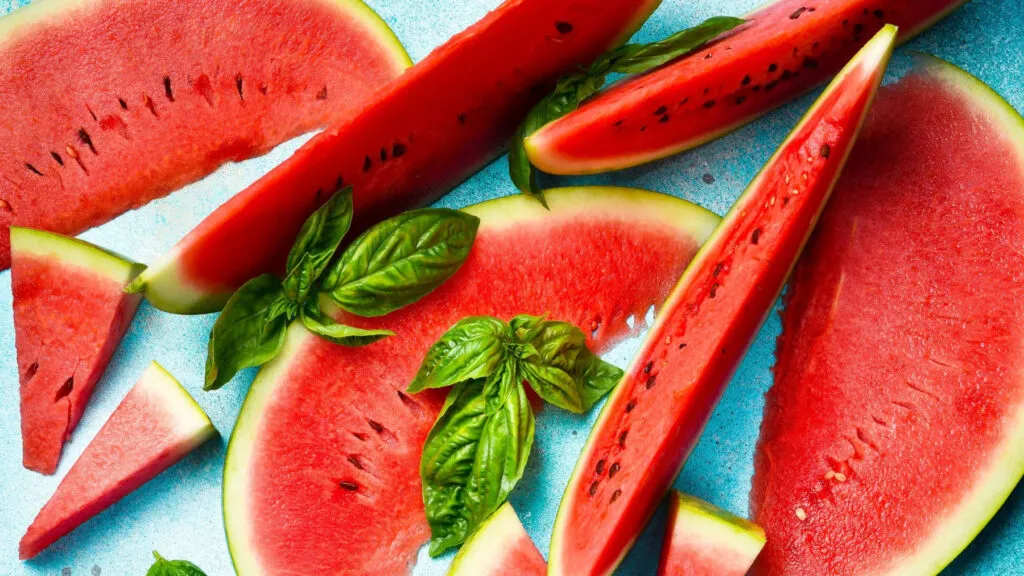
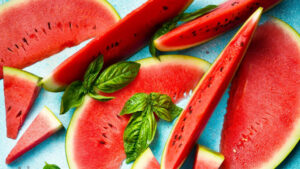
It's not magic, but a few habits most of us ignore. How to make an open watermelon last three or...
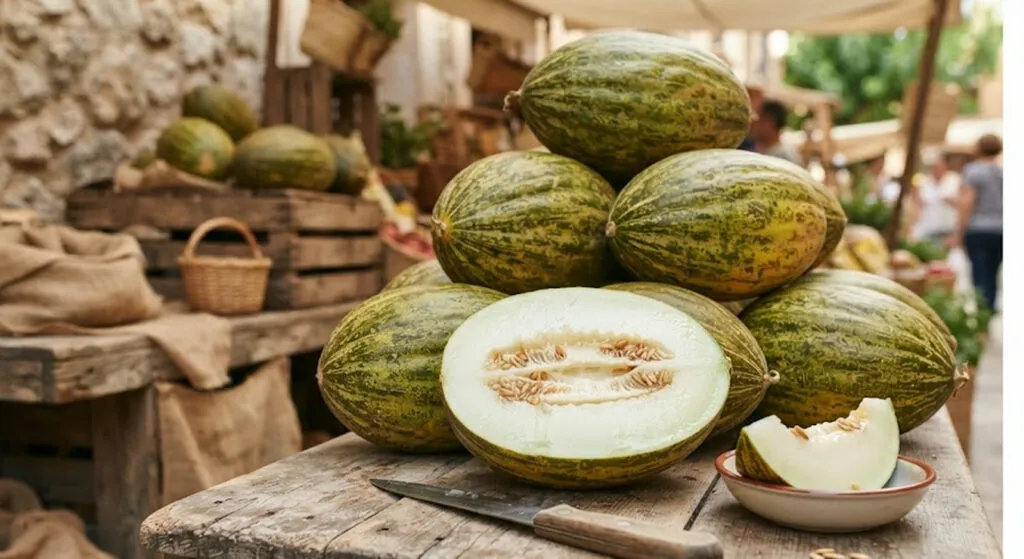
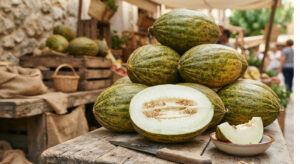
The ground spot, the weight in your hand, and the myth of female and male melons - everything you need...

Experts reveal why a ten-minute walk after a meal is worth more than a hard workout - and why the...

Self-talk isn't a pose for the cameras - it's a technique psychology knows well. If a guy who serves for...
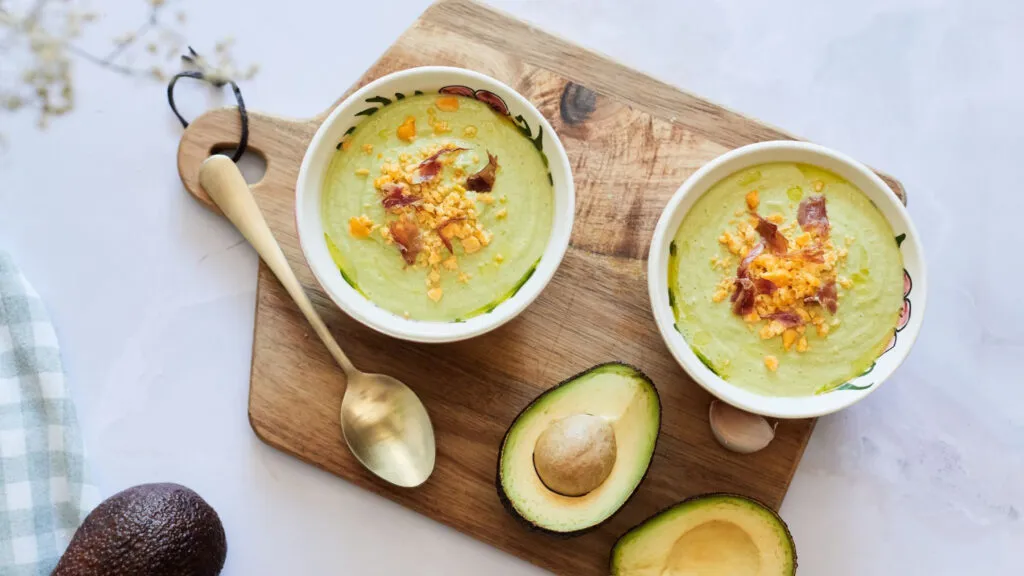
The Andalusian classic gets a summer version without bread and tomatoes. Ten minutes of work, not a single pot, and...
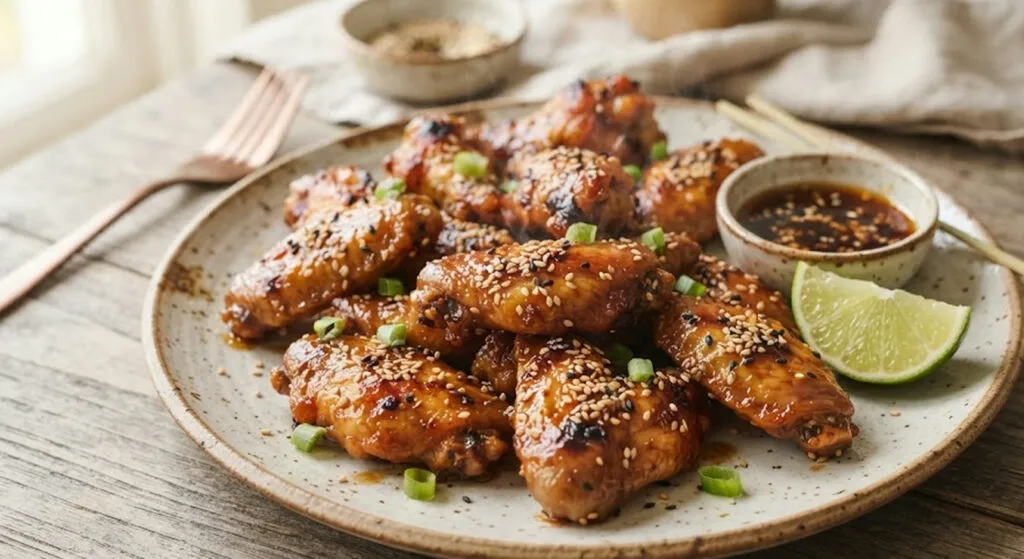
Three ingredients for the sauce and one secret in the last five minutes of baking. A dish that always works,...

A psychologist explains the difference between chosen solitude and imposed loneliness. Many flee silence because they're afraid of what they'd...
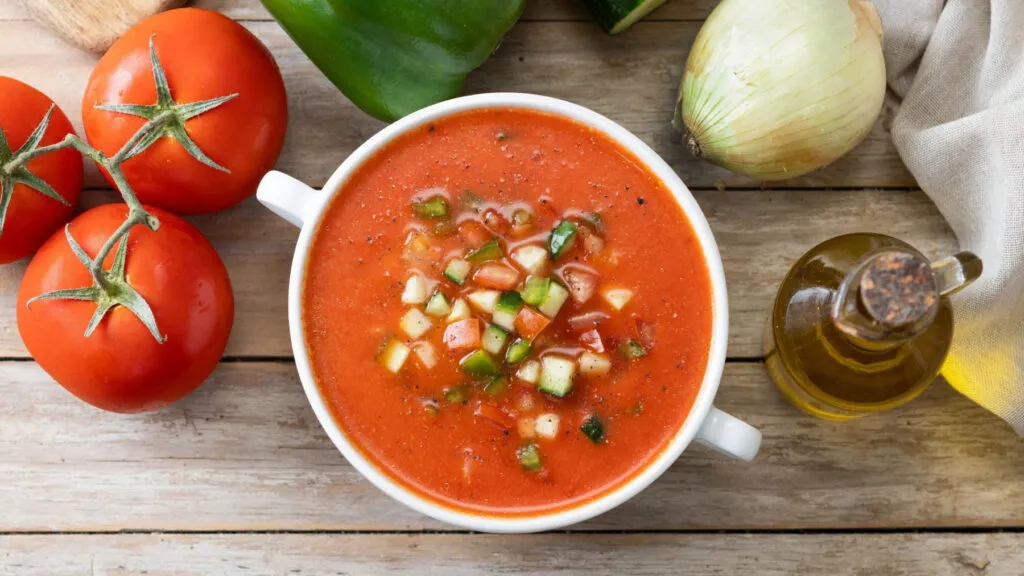
When it's forty degrees outside, the stove is the enemy. A bowl of well-made gazpacho cools you from the inside,...
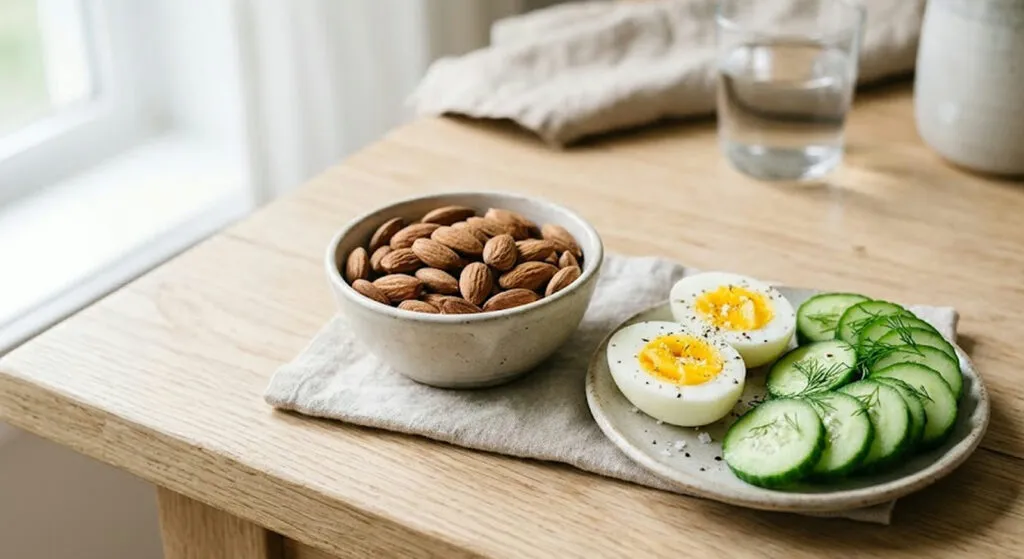
Almonds, boiled eggs and cucumber fill you up better than any packet the industry wants to sell you.
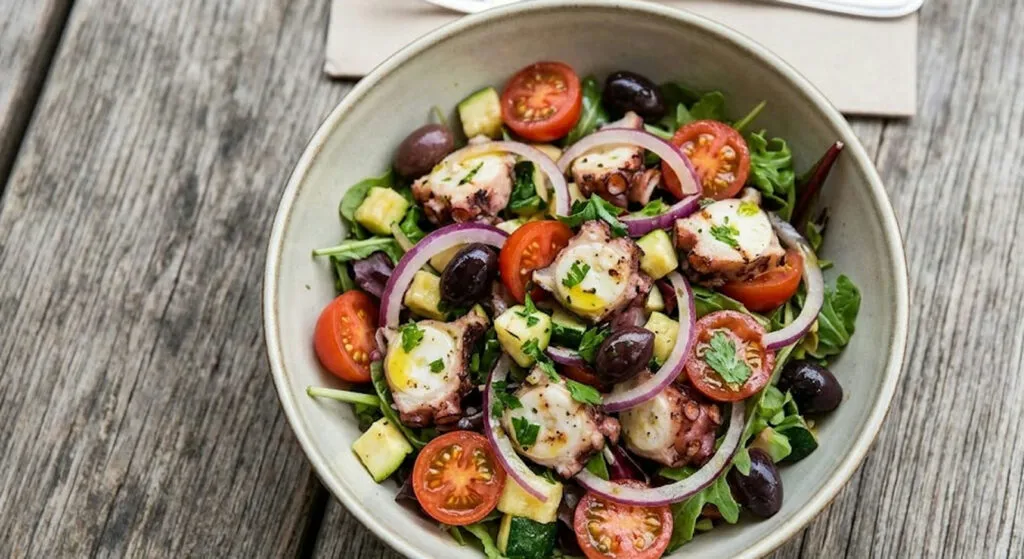
When it's hot outside, the last thing you want is to stand over the stove. The secret isn't complexity, but...
This site uses cookies - is that okay? Learn more