Four Families, One Morning: Domestic Violence Has Become a Daily Number
21.07.2026


21.07.2026

21.07.2026
21.07.2026

21.07.2026

21.07.2026

20.07.2026

21.07.2026

20.07.2026
19.07.2026

21.07.2026

21.07.2026

20.07.2026

09.03.2026

27.02.2026

19.02.2026
21.07.2026

20.07.2026
20.07.2026

23.04.2026

23.04.2026

12.04.2026

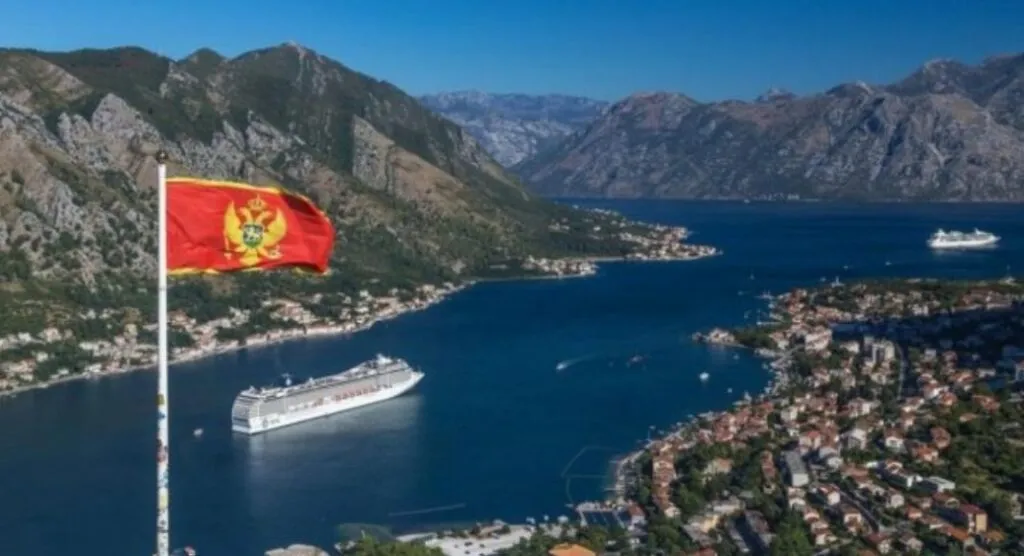
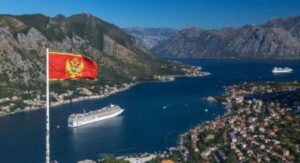
Montenegro has around 626,000 inhabitants - smaller in population than many European cities. But its entry into the European Union opens a question far larger than its size: who will pay the bill for the next enlargement? And the answer to that question concerns us directly too.
The European Commission estimated that admitting Montenegro would cost around 3.2 billion euros. Spread across Europe's taxpayers, that's less than one euro a year per person - or, as they put it vividly in Brussels, less than the price of a coffee. So the sum isn't the problem. The problem is the rule that will be set - because the way Montenegro's membership gets financed will become the model for everyone who comes after it. Macedonia included.
Redistribution or new money?
The main dilemma in Brussels is whether the money for new members will come from redistributing the existing budget, or from new revenue and higher contributions from states. Germany, the Netherlands and the other net payers will probably insist on redistribution - so as not to pay more. The southern and eastern members fear that means less money for agriculture and regional development. The northern ones want the budget steered toward defence and competitiveness. Everyone is pulling the blanket their own way.
Montenegro is currently the most advanced candidate country - it has opened all 33 negotiating chapters, 18 of them provisionally closed, among them the latest on competition and the customs union. The ambition is membership in 2028. That makes Podgorica the first real test of what the new wave of enlargement will look like - not just politically, but financially.
And here's the Balkan point. Macedonia has been waiting at the EU's door for years, and the debate over Montenegro is in fact writing the price list for all of us standing in the queue behind it. If the solution for Montenegro turns out to be "through redistribution, no new money," then every next member - us included - enters a club where the existing ones already get less each, and don't greet the new guests with joy. Enlargement doesn't get stuck only on reforms and chapters. It gets stuck on one unpopular question nobody wants to ask out loud: how much it costs not to let you inside.
The latest 10 news from this category
Diesel +6 denars, petrol +3. The government cut excise to soften the blow - but that doesn't mean cheaper fuel,...
Dimitrieska-Kočoska: a development, not a crisis rebalance; salaries and pensions are safe. The focus is on capital investment - but...

500,000 books, 3,000 dollars per work, and not a single binding precedent. The biggest settlement in the history of American...

AI agents already negotiate and compare prices, but when it is time to pay, the machine still asks for a...
CBS, MTV, CNN and HBO under one roof - and 12 state prosecutors saying that is too much power in...
Prices jumped nearly 30 percent in a few weeks over the US-Iran escalation. It lands right as the regulator recalculates...
The inspectorate found retail prices jumped 4.56 percent while procurement rose only 2.66. The government sits down with retailers again...
Diesel and petrol are heading up again, and on Wednesday parliament votes to keep the fuel state of crisis running...
An Oscar-winning actor sold his AI firm to a company that admitted 300 of its own titles already used artificial...

Every big AI system today belongs to a private company. A nonprofit out of Paris wants to change that -...
This site uses cookies - is that okay? Learn more