
Sixteen Arrests in Twenty-Four Hours, All for Drugs: The Police Are Working - But Where Are All These People Coming From?
20.09.2026


20.09.2026

20.09.2026

20.09.2026
20.09.2026
20.09.2026

20.09.2026

20.09.2026
20.09.2026
20.09.2026

20.09.2026

20.09.2026

19.09.2026

20.09.2026

20.09.2026

20.09.2026

20.09.2026
19.09.2026
18.09.2026
20.09.2026

20.09.2026
20.09.2026

20.09.2026

20.09.2026

20.09.2026

09.03.2026

27.02.2026

19.02.2026

20.09.2026

19.09.2026

18.09.2026

23.04.2026

23.04.2026

12.04.2026

AI agents already do things that sounded like science fiction two years ago - they find a carrier, compare prices, negotiate a delivery. But when the moment comes to actually pay, the machine stops and asks a human to press the button. That button is the last wall between the automated world and your bank account. A California startup has raised $30 million (around 26 million euros) to tear that wall down - and it has walked straight into a fight with the giant Stripe.
The startup is called Natural, and the logic behind it is as simple as it is unsettling. Today's financial rails - credit cards, bank transfers - were built for a human who approves every transaction. An autonomous agent moving at computer speed does not want to wait for human permission. So Natural is building new infrastructure from the ground up: a layer where agents send, receive and hold money themselves, and run transactions not just with people, but with each other.
Founder and CEO Kahlil Ladji comes out of banking and, by his own admission, spent years trying to avoid the sector after it burned him. „I kept coming back to it," he says. „It just seems obvious that agentic payments will be the structurally most important problem in the space." Ladji's previous company, a banking product for couples, sold in 2023. This time he assembled a team of people who came through Stripe, Ramp and Square - the very companies he now wants to overtake.
Funding rounds are marketing events, not facts about the world - and a total of $40 million raised does not mean Natural has won. It means one investor, Kirsten Green of the Forerunner fund, has bet on the idea. The question nobody in the marketing is asking is a different one: do we actually want a world where machines spend money with no human watching? Ladji believes the number of payments in the world could grow by three or four orders of magnitude once transactions happen at computer speed rather than human speed.
That is a promise and a threat in the same sentence. Less friction means a faster economy - but also fewer moments where some human stops and asks „hold on, do I really want this paid?". The Balkans know what happens when the system runs faster than the controls on it. When machines start paying each other, the button that stops them disappears. The question is who answers for it when the bill comes out wrong.
The latest 10 news from this category
Porsche, Alaska Airlines and J.B. Hunt are not buying startups - they are commissioning them. When innovation moves inside the...

Sold for two billion, blocked by the state, bought back by its own investors - and now worth twice as...
An eight-year-old firm that started out mining crypto has tripled its value in ten months. It did not discover anything...
The price of uranium has jumped 75 percent in five years, and the list of countries that mine it reads...
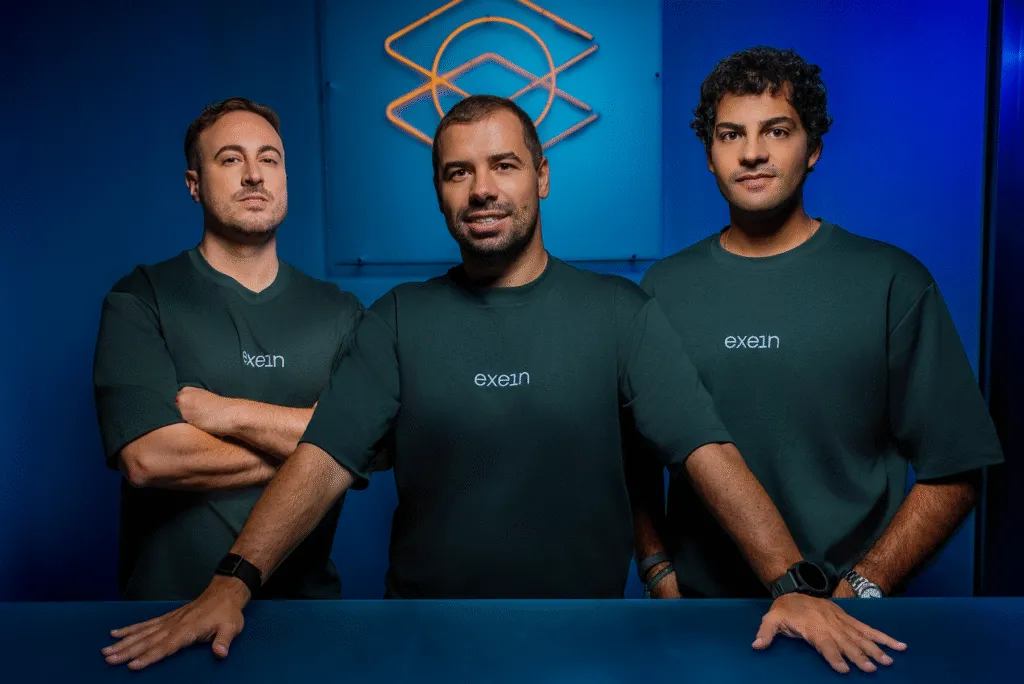
Exein raised 270 million dollars and its valuation jumped thirtyfold in two years. The European regulation coming into force in...
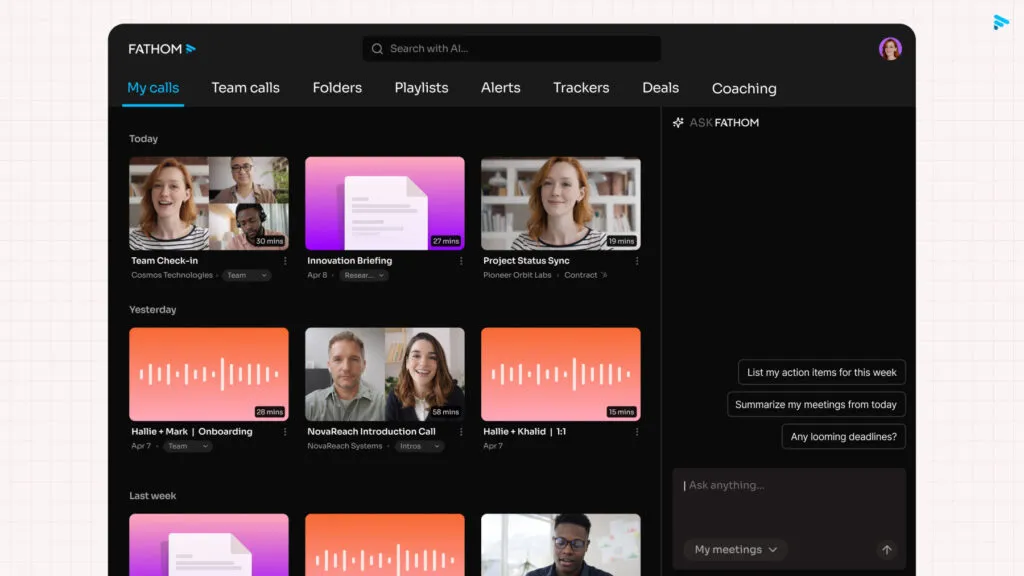
A startup valued at 94 million dollars changed hands, and both sides said openly what was being bought - not...
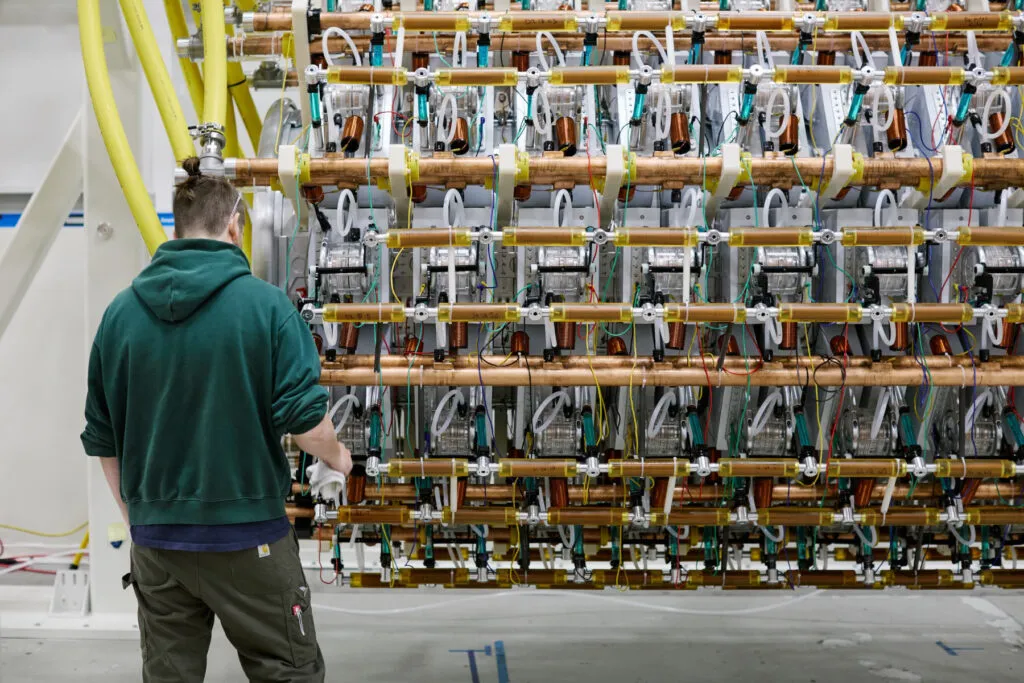
A technology sold for decades as the answer to the climate is now taking money from the defence industry. The...
The board voted, the founder kicked the administrators out of Slack and held out for three days. What does a...

Three months ago the company raised 60 million. Now it is worth almost ten times that, and its product is...

After Ohridska Banka, Sparkasse has gone after a second one. The approvals come from Podgorica, Belgrade and Frankfurt. The market...
This site uses cookies - is that okay? Learn more
Be the first to know when Metla launches something new
Leave your email and we will write when there is a new guide or something new on Metla.