

They Rode In on Scooters, Torched the Shops and Left: The Fire in Shuto Orizari Burned for Three Hours, Setting It Took Fifty Seconds
13.09.2026


13.09.2026

13.09.2026

13.09.2026
13.09.2026
13.09.2026

13.09.2026
13.09.2026

12.09.2026

11.09.2026
13.09.2026
13.09.2026

12.09.2026

13.09.2026

13.09.2026

13.09.2026

13.09.2026

12.09.2026

11.09.2026

13.09.2026

13.09.2026

13.09.2026

13.09.2026

13.09.2026

12.09.2026

09.03.2026

27.02.2026

19.02.2026

13.09.2026

12.09.2026

11.09.2026

23.04.2026

23.04.2026

12.04.2026

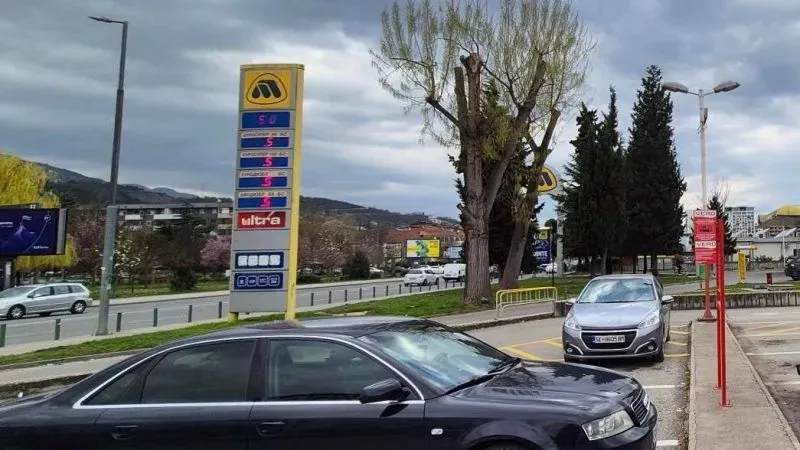
From midnight, prices at the petrol stations are higher. Diesel jumped by a full six denars and now costs 94 denars per litre. Eurosuper BS-95 and BS-98 petrol went up by three denars each, now dispensed at 90 and 92 denars respectively. And extra-light heating oil rose by seven denars. Summer has only just begun, and the fuel is already telling us this holiday will cost more than last year's.
The Energy Regulatory Commission explains the increases through rising global markets: reference prices climbed by around 9 percent for petrol and nearly 15 percent for diesel compared with the previous calculation. That is an external factor over which neither the ERC nor the government have any control. So far the story is familiar - the world jumped, we pay.
But there's a domestic part too. Yesterday the government cut excise - one denar per litre on petrol and two denars on diesel - to "soften the blow." By their calculations, without this intervention diesel would have risen by around eight denars instead of six. In other words: cutting the excise doesn't mean cheaper fuel, it means a smaller price rise. That's a difference every driver feels in only one way - they still pay more.
The question that remains is how long this game of excise-as-shock-absorber can last. Every time the world price jumps, the state gives up part of its own revenue so the blow isn't total - but that's a solution with a limit. Excise can't be cut forever, and world prices don't ask about our budget.
For the driver at the pump, though, the bill is simple and needs no calculation: a full tank of diesel this morning costs noticeably more than yesterday. The ERC reminds us that the set prices are maximums and that traders are allowed to sell for less. Whether they actually will - or whether everyone glues themselves to the ceiling - is something each of us will see for ourselves, at the nearest station.
The latest 10 news from this category
The deficit target raised from 3.5 to 4.1 percent of GDP, spending growing faster than revenue, and the growth forecast...
On euro loans with a variable rate, the rise comes due at the next reset. On fixed ones, it does...
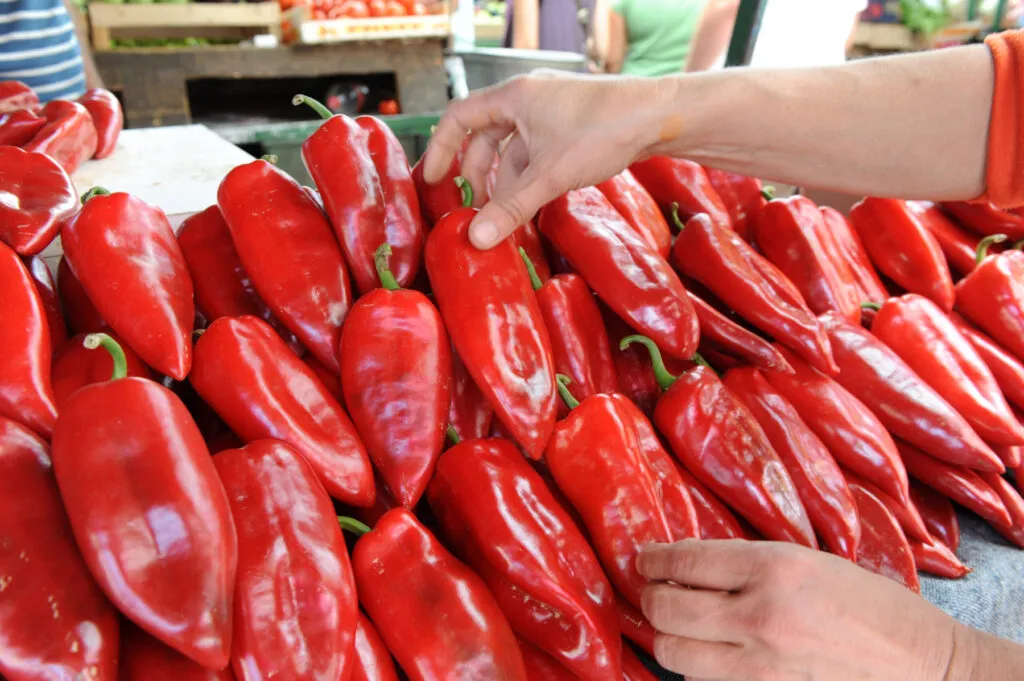
The agreed price for first class is 40 denars. At the collection points they pay 15 to 18. Across the...
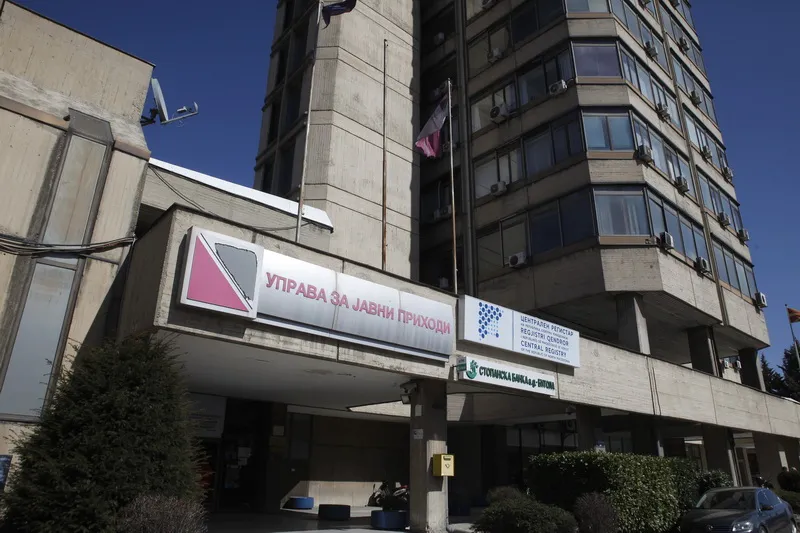
A Skopje company owes 14.87 million euros and there is nothing to recover it from. In one month the total...
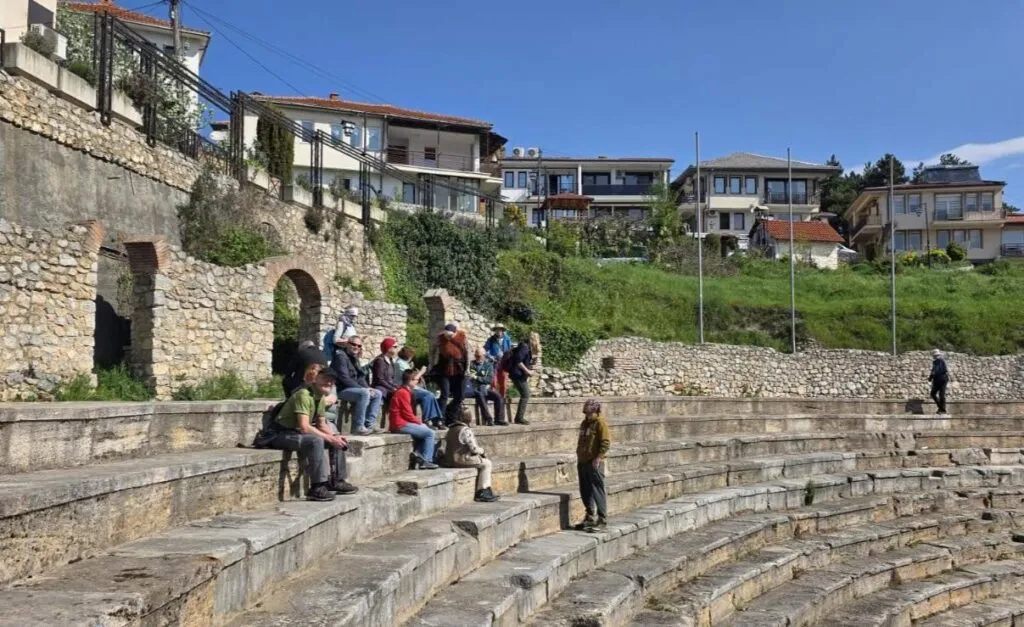
223,711 tourists and 795,083 overnight stays in July. Turkey still leads with 50,955 guests, but its number fell by 7.6...
When the two biggest firms in an industry ask for rules on how fast anyone may run, the rules rarely...
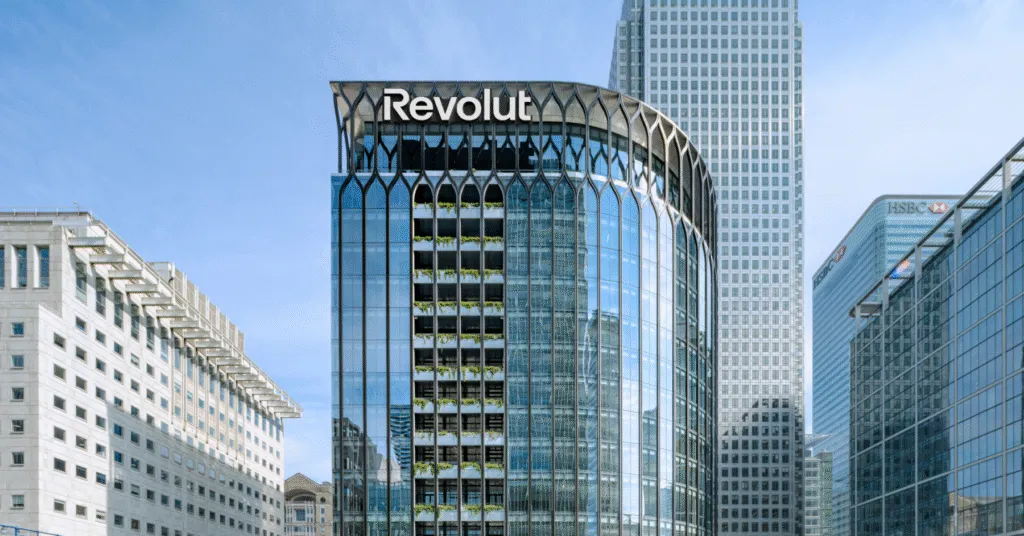
Not a single password fell. What fell was the assumption that a request from a government domain is automatically a...
The board voted, the founder kicked the administrators out of Slack and held out for three days. What does a...
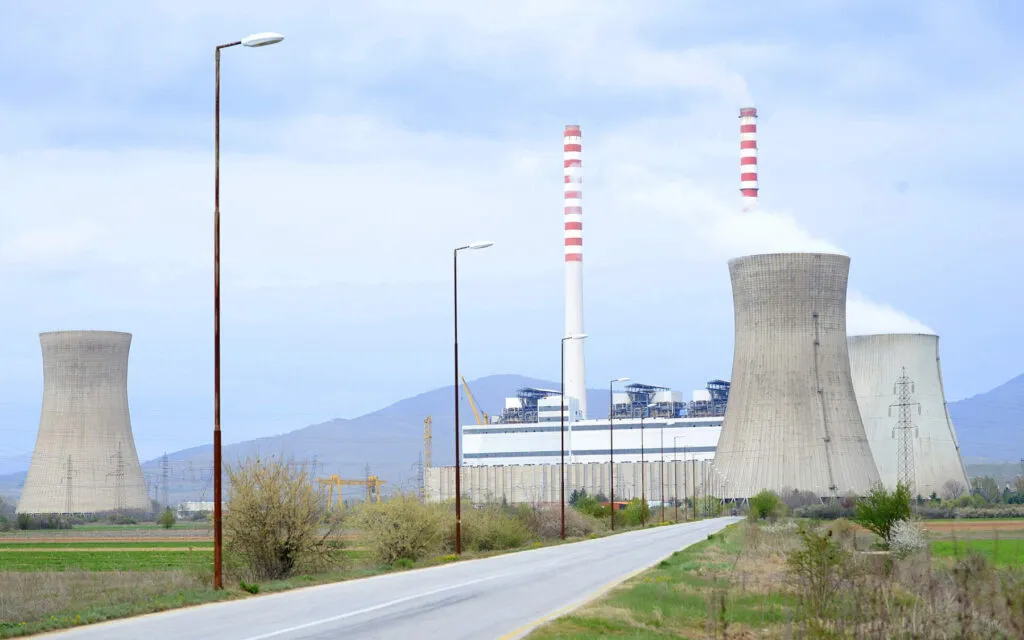
An announcement is not an adopted tariff. A lower bill is good news only if its cost has not been...

The Balkans have a long tradition of producing something valuable and selling it under someone else's name. The difference between...
This site uses cookies - is that okay? Learn more
Be the first to know when Metla launches something new
Leave your email and we will write when there is a new guide or something new on Metla.
