

Over 20 shops burned down in Suto Orizari: 15 firefighters and three and a half hours fighting the blaze at 3am
12.09.2026


12.09.2026

12.09.2026

12.09.2026

12.09.2026

12.09.2026

12.09.2026

12.09.2026

11.09.2026

10.09.2026

12.09.2026

12.09.2026

11.09.2026

12.09.2026

12.09.2026

12.09.2026

12.09.2026

11.09.2026

10.09.2026

12.09.2026

12.09.2026

12.09.2026

12.09.2026

12.09.2026

11.09.2026

09.03.2026

27.02.2026

19.02.2026

12.09.2026

11.09.2026

10.09.2026

23.04.2026

23.04.2026

12.04.2026

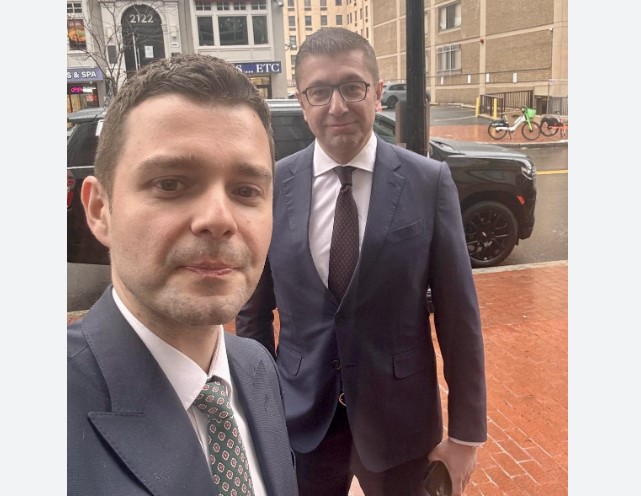
There are statements worth more than the words themselves - not because of what they say, but because of who says them. At today's press conference, Foreign Minister Timčo Mucunski said that the protocols with Bulgaria are not part of the negotiating framework with the EU. „These are, in fact, minutes from the sessions of the two intergovernmental commissions and nothing more,” he explained, as a minister and, as he himself stressed, as a lawyer.
The sentence sounds technical, almost dull. But it is anything but. Because with it Mucunski - a man from the ranks of VMRO-DPMNE - took up exactly the position for which his party spent years attacking its opponents. The very thing the minister now claims has been repeated for three or four years by the former head of diplomacy Bujar Osmani and SDSM leader Venko Filipče. And for it they were called „Bulgarian spies” and „pawns”.
Osmani did not miss the chance to underline the reversal. „For four years I have said the protocols are not part of the negotiating framework. For four years I have taken criticism, attacks and insults. For four years I have drawn on the board, explained, repeated. One step taken,” he wrote on Facebook, sharing the current minister's statement. The tone is triumphant, and it is hard to blame him.
So, what changed? Not the facts - they have been the same from the very start. What changed is who sits in the office. When an opposition minister claimed this, it was treason. When a governing minister claims it, it is legal truth. The same sentence, two opposite reactions - the only difference is the party membership card of the mouth it comes out of.
Mucunski further stressed that he fully agrees with President Siljanovska-Davkova's stance that the negotiating framework contains no provision, explicit or implicit, tied to the moment the constitutional amendments take effect. A legitimate legal position. But the question that remains is not legal - it is political and moral: who will answer for the years lost in mutual accusations over something everyone now agrees on? How many times must the same truth be repeated from the wrong mouth before it becomes acceptable?
The latest 10 news from this category
Three candidates, two of them lawyers, one of them employed by the very municipality he is running for. The line...
People are sitting in prison on the basis of verdicts that no longer exist, because the written reasoning has not...

The government says the celebration cost citizens nothing from the budget. But the chairman of the committee that assessed the...
The government tasked the Lottery on 28 April, two days later a call went out with a five-day deadline, and...
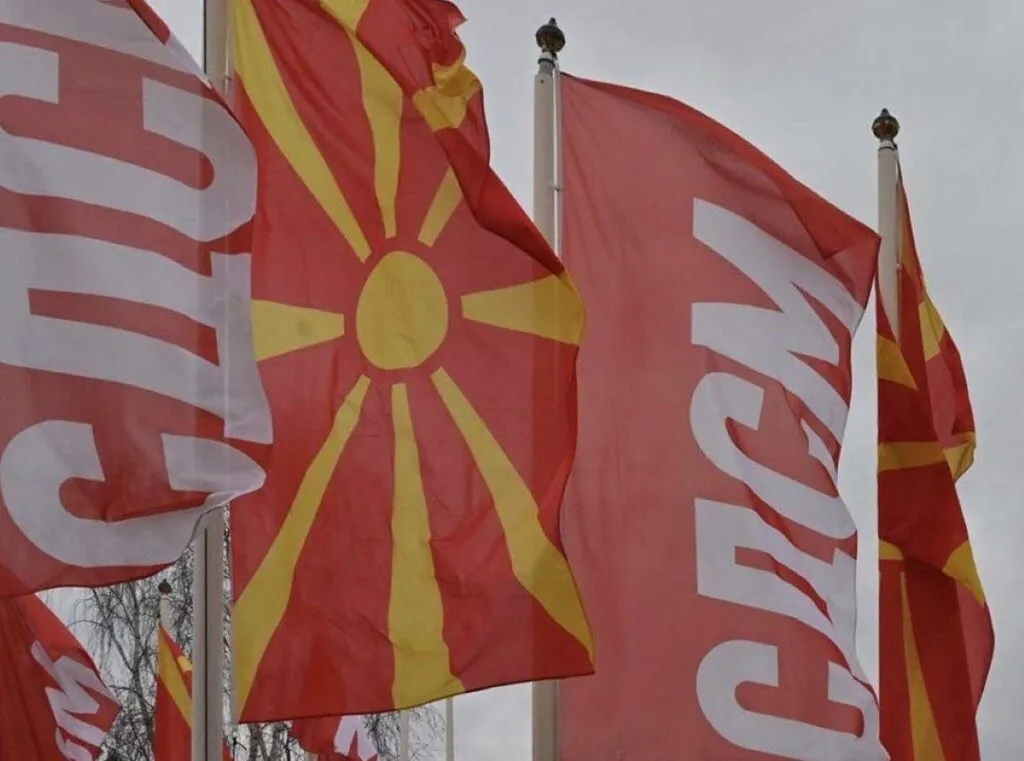
The opposition estimates at least a million euros for David Guetta's set alone and up to five million in total....
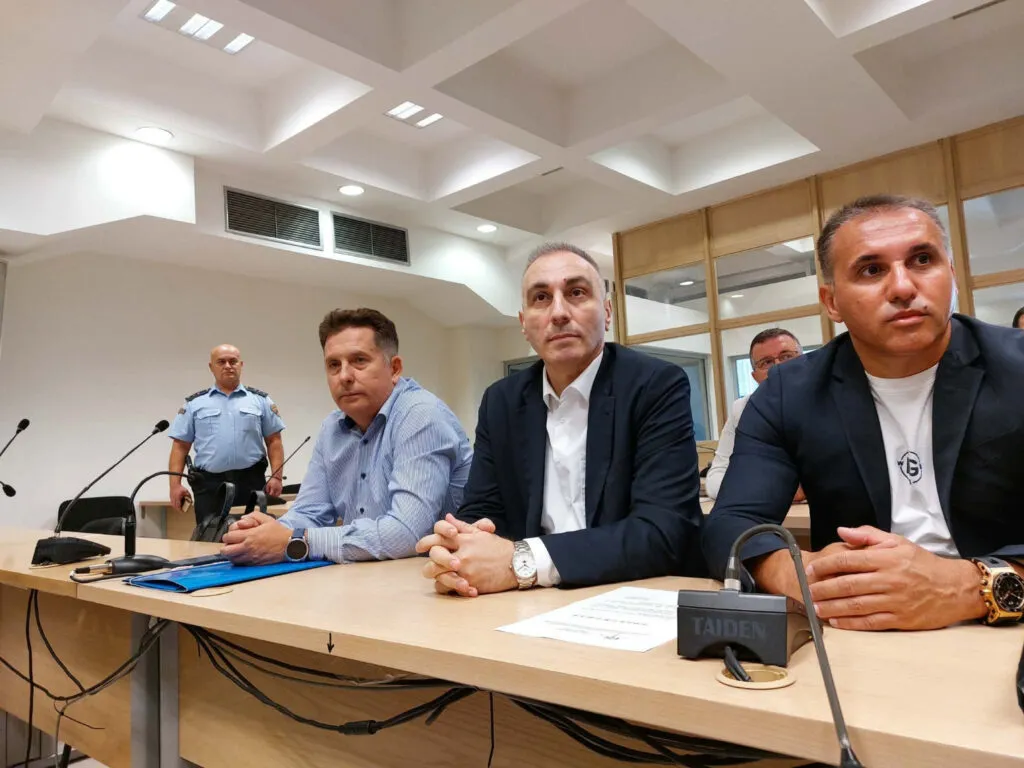
In court, Grubi said a short "No". The prosecution raised the damage by one and a half million euros -...
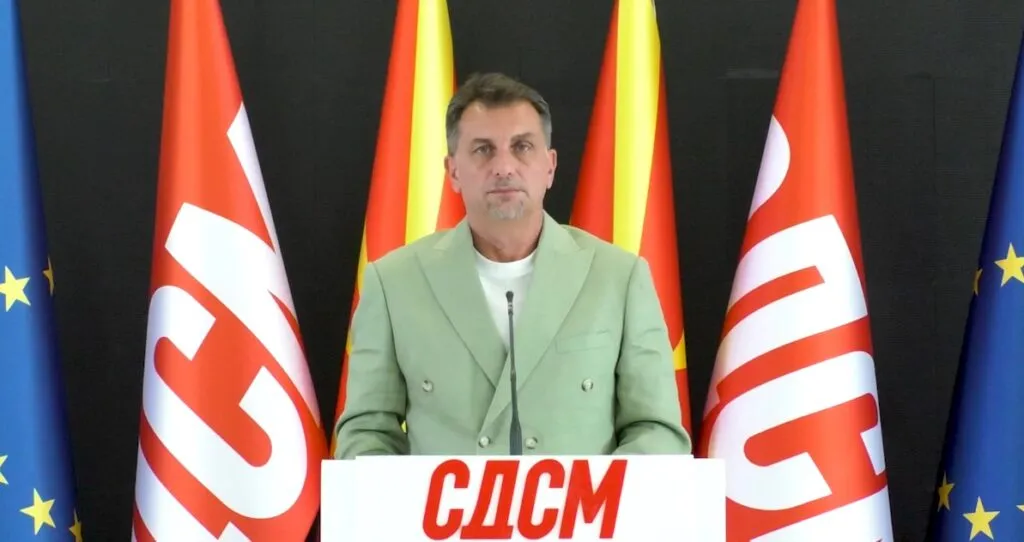
The opposition says around 250 children with disabilities started the year without an assistant. The ministry says a record 1,524...
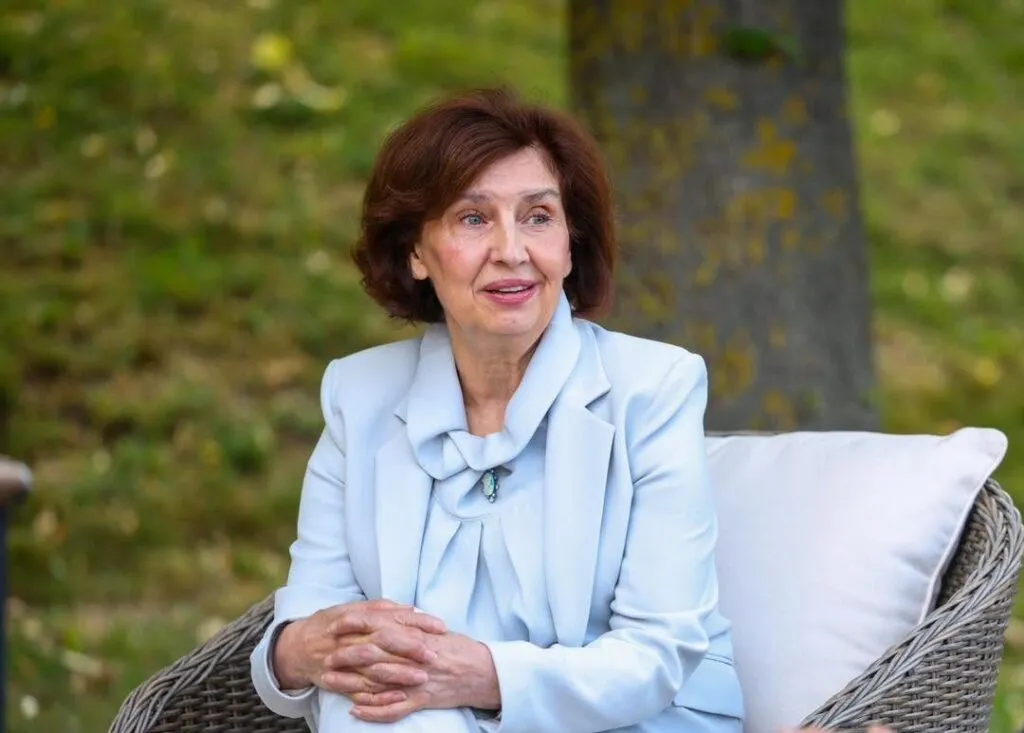
At a panel marking 8 September, the president measured statehood in decades, not in elections. The sharpest message came from...
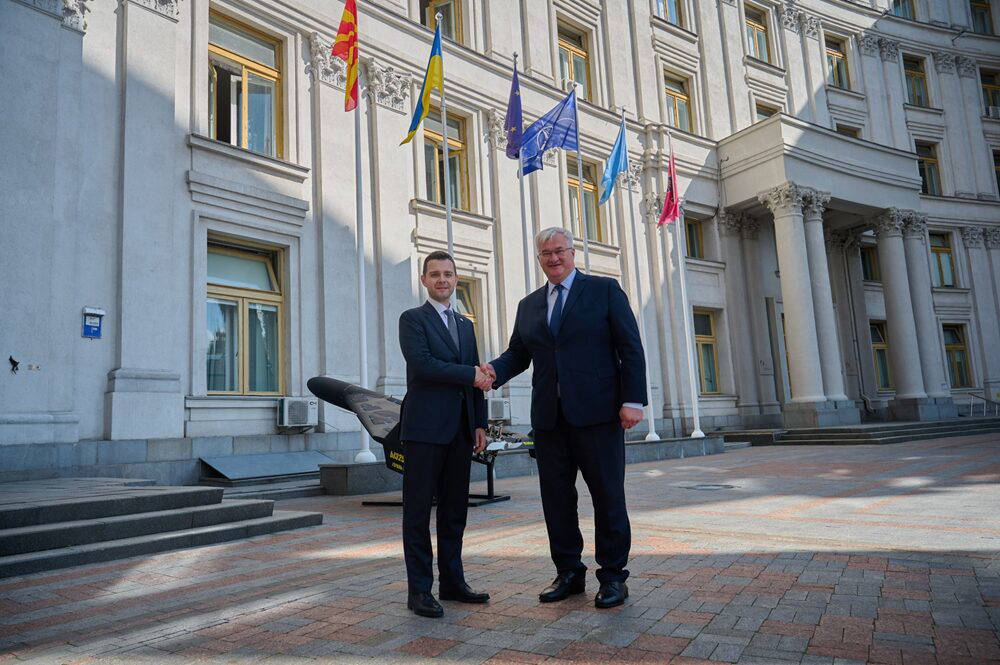
Macedonia has put its name down for the reconstruction of Ukraine. The queue for that project is forming now, not...
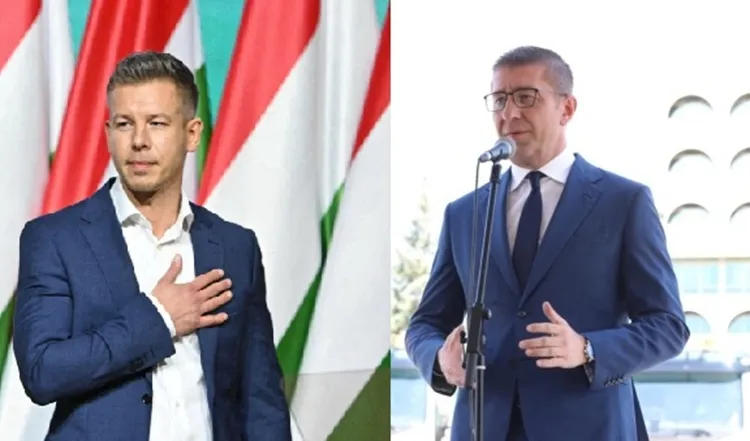
The loan was approved by both parliaments - that is a verifiable fact. But Orban said no candidate country, with...
This site uses cookies - is that okay? Learn more
Be the first to know when Metla launches something new
Leave your email and we will write when there is a new guide or something new on Metla.
