

Two Reports in One Day: an 80-Year-Old Beaten in Her Own Yard in Tearce, an 82-Year-Old from Veles Detained for Years of Beating His Wife
22.08.2026


22.08.2026

22.08.2026
22.08.2026

22.08.2026

22.08.2026

22.08.2026
22.08.2026

22.08.2026

21.08.2026

22.08.2026

22.08.2026

21.08.2026

22.08.2026

22.08.2026
22.08.2026

22.08.2026

21.08.2026

20.08.2026
22.08.2026

22.08.2026
22.08.2026

22.08.2026

22.08.2026

21.08.2026

09.03.2026

27.02.2026

19.02.2026

22.08.2026

21.08.2026

20.08.2026

23.04.2026

23.04.2026

12.04.2026

There is a type of hairstyle that looks like it happened by itself - the hair air-dried and came out well. Volume, movement, undefined shape, some strands curled more than others, some sections almost straight. It looks like nothing was done. In fact it is a strategy, and a far more considered one than what you can see.
The personal hairdresser who has been behind that look for years explained how it works, and the explanation is the opposite of everything we do at home. Instead of dividing the whole head into equal parts and repeating the same wave strand by strand, he intervenes only where he judges the hair needs it. He uses a volumising product and a thin iron - but not everywhere. Some sections stay pronounced, others barely curled, others keep their natural texture.
And that irregularity is the entire trick. As a hair care expert explains, the goal is to stop the eye from reading the pattern of the style. When all the waves have the same shape and sit at the same distance, the path of the tool is easy to recognise - you see immediately what was done and with what. One strand with a much looser shape is enough to break that sequence.
The difference also shows in how light falls. "The result has more depth and movement because not the entire surface of the hair reflects light and falls in the same way," she says. And she adds a sentence worth keeping: the technically perfect wave is not always the one that looks best. Sometimes that perfection has to be disturbed a little for the hair to come alive.
There is one well-known technique - alternating the direction in which each strand is curled. It works, but what is happening here goes further. Less work on the hair gives a more natural result, which is the opposite of instinct. When there are spontaneous differences - some sections with more movement, others falling straight, some strands grouping together while others separate - you get exactly that careless effect. Repeat the same wave across the whole head and you erase it.
One area does demand precision: around the face. There, the expert says, you have to watch exactly where each curve begins, because a few centimetres change the entire frame. "A wave close to the cheekbone can frame the face completely differently from one starting at jaw level." The choice depends on where you want openness, where softness, where volume. On the inner layers and at the back the freedom is far greater - there even less-curled sections help the upper layers avoid merging into one single mass of curls.
That does not mean skipping bits. "The trick is to work all the hair, but not to work all of it equally," she sums up. Before the iron or the wand - heat protection that also adds shine. Then vary the sections: some thicker, some thinner, the wave starting at different heights, the contact time with the tool never identical. Strands you want to stay almost straight get combed through too - only instead of a whole wave, a small curve in the middle or just at the tip is enough.
At the end - a few drops of hair oil on the mid-lengths and ends, for shine and so the tips look better, without weighing down the texture. And one last thing: look at the hair as a whole and let it lose the look of something that has just been worked on.
"The idea is that nobody can tell exactly which strands we worked more and which less. When that happens, the effect works," she concludes. In other words - the best hairstyle is the one nobody asks you where you had done.
The latest 10 news from this category

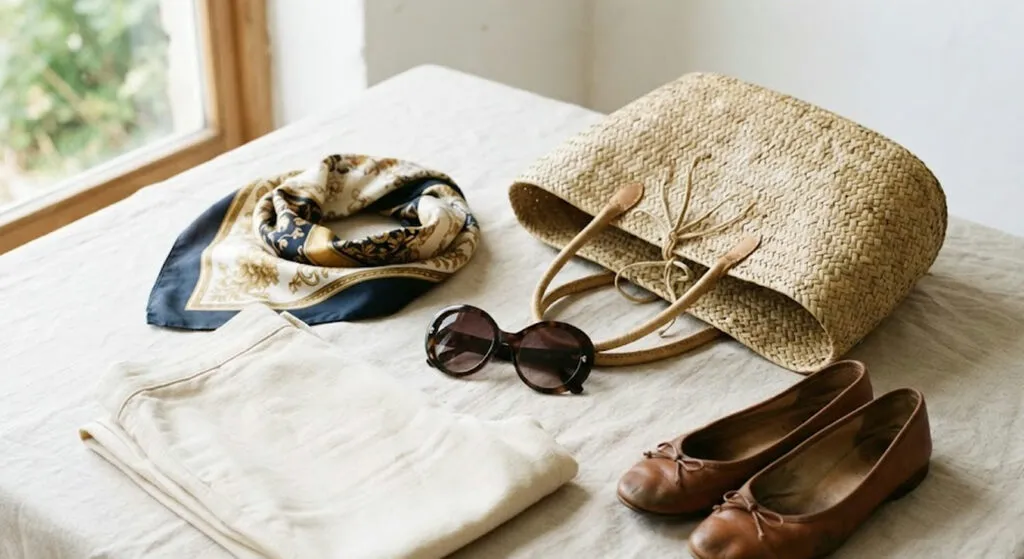
They show you the cheap part and photograph you with the expensive one. One linen blazer, three looks and one...
The eighties came back to the shoulders, not to the whole dress. The question is not what is trending this...
Grace Kelly travelled to Monaco with 80 suitcases, and Bardot broke the wedding convention with a pink gingham dress in...

Nicole Kidman refused for a year because it sounded like shaving. The skin really does end up smoother - but...

RSVPs arrive in the week before the event because everyone is on holiday. And half the budget depends on the...

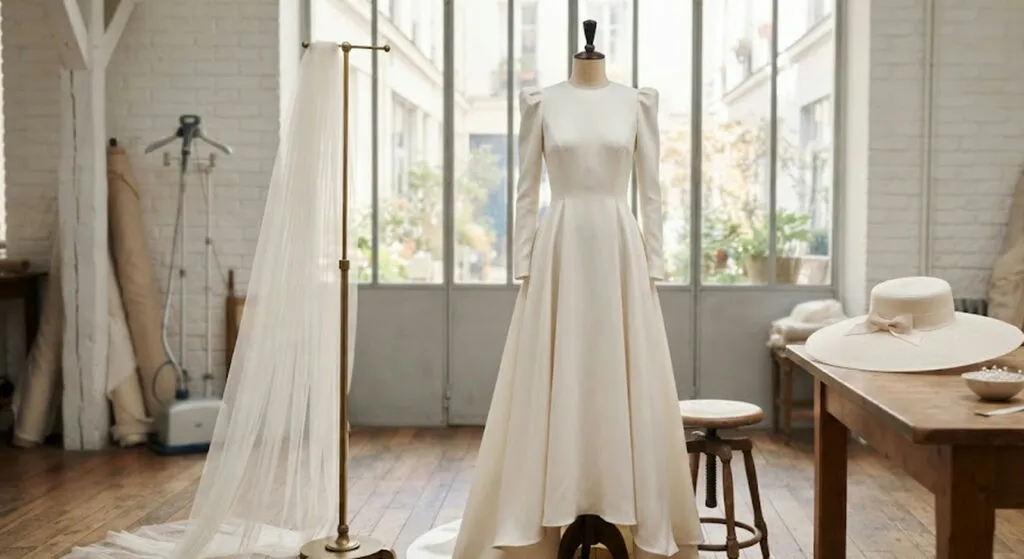
The fashion industry lives off selling you something new. This is the opposite - what to do with the white...

Keratin, collagen, hydrolysed fragments - and one caveat no advert will ever put on a label. Plus the reason overdoing...
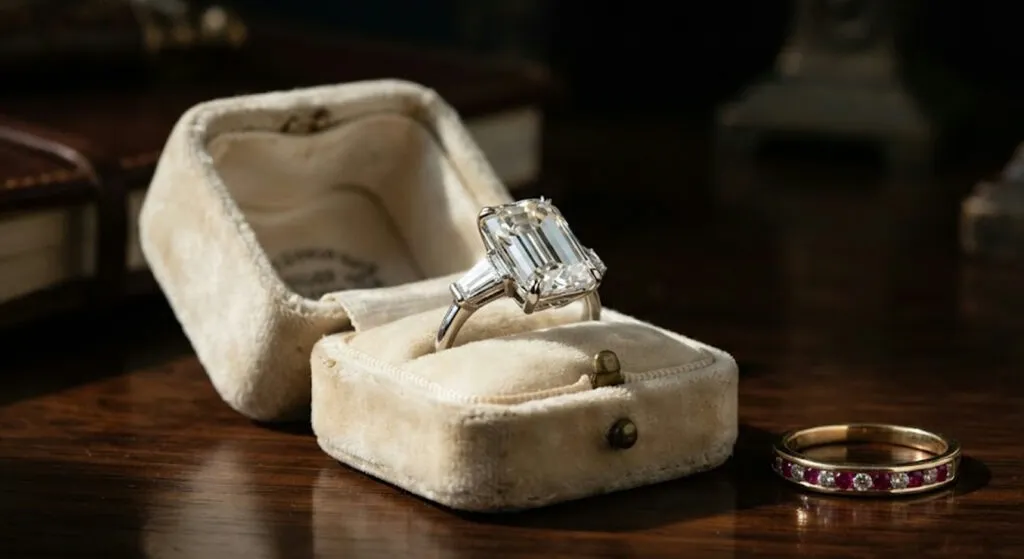
Rainier brought her a band in Monaco's colours made from family stones. He replaced it only once he learned she...

Wide leg, cinched waist and a fabric that breathes - the same cut in almost every model. Here, the same...

Four to eight weeks for the first effect, two to three months for a visible one. Plus a list of...
This site uses cookies - is that okay? Learn more
Be the first to know when Metla launches something new
Leave your email and we will write when there is a new guide or something new on Metla.
