

Two Reports in One Day: an 80-Year-Old Beaten in Her Own Yard in Tearce, an 82-Year-Old from Veles Detained for Years of Beating His Wife
22.08.2026


22.08.2026

22.08.2026

22.08.2026

22.08.2026

22.08.2026

22.08.2026
22.08.2026

22.08.2026

21.08.2026

22.08.2026

22.08.2026

21.08.2026

22.08.2026

22.08.2026

22.08.2026

22.08.2026

21.08.2026

20.08.2026

22.08.2026

22.08.2026

22.08.2026

22.08.2026

22.08.2026

21.08.2026

09.03.2026

27.02.2026

19.02.2026

22.08.2026

21.08.2026

20.08.2026

23.04.2026

23.04.2026

12.04.2026

The eurozone's private sector hit a nine-month high in August. The composite purchasing managers' index rose to 52.1 from 52 in July, moving further away from the 50-point threshold that separates growth from contraction.
The main driver is industry. Manufacturing PMI jumped from 51.9 to 52.8 - the highest level in more than four years. The industrial output index reached 53.4, the fastest pace in four and a half years. Services held steady growth at 51.7, the same as in July.
Germany is waking up, France is not
The recovery is uneven, and that is more interesting than the average. In Germany, manufacturing recorded its fastest growth since January 2022. In France, by contrast, business activity kept declining. The rest of the eurozone posted its strongest growth since April 2022.
So the eurozone is growing, but not growing in the same place. The two largest economies are heading in opposite directions.
What is actually driving the growth
Economists point to three factors: increased demand for artificial intelligence technologies, higher investment in equipment because of rising defence spending in Germany, and precautionary stockpiling due to supply chain disruptions in the Middle East.
The second and third are worth dwelling on. German industry is partly being pulled by defence spending - which means part of Europe's industrial growth is a function of a war situation, not consumer demand. And precautionary stockpiling is what companies do when they expect disruptions. Today it counts as an order, tomorrow as inventory that does not get replenished.
Exports recorded their first growth in four and a half years, and pressure on input costs eased further. Services price growth fell to its lowest level since the start of the year.
Why this is read from here too
Germany is the largest trading partner for much of the region, and Macedonian manufacturing works within chains that lead exactly there. When German factories accelerate after three years of stagnation, that is a figure worth following closely - not because anything changes here immediately, but because orders travel down the chain with a lag.
Whether this is a genuine turnaround or a short burst fed by defence budgets and stockpiling will be shown by the autumn numbers, not by an August index.
The latest 10 news from this category

Serbia 945 euros, Croatia 1,500, Slovenia 1,630. Once the percentages are converted into euros, the conversation about growth ends quickly.
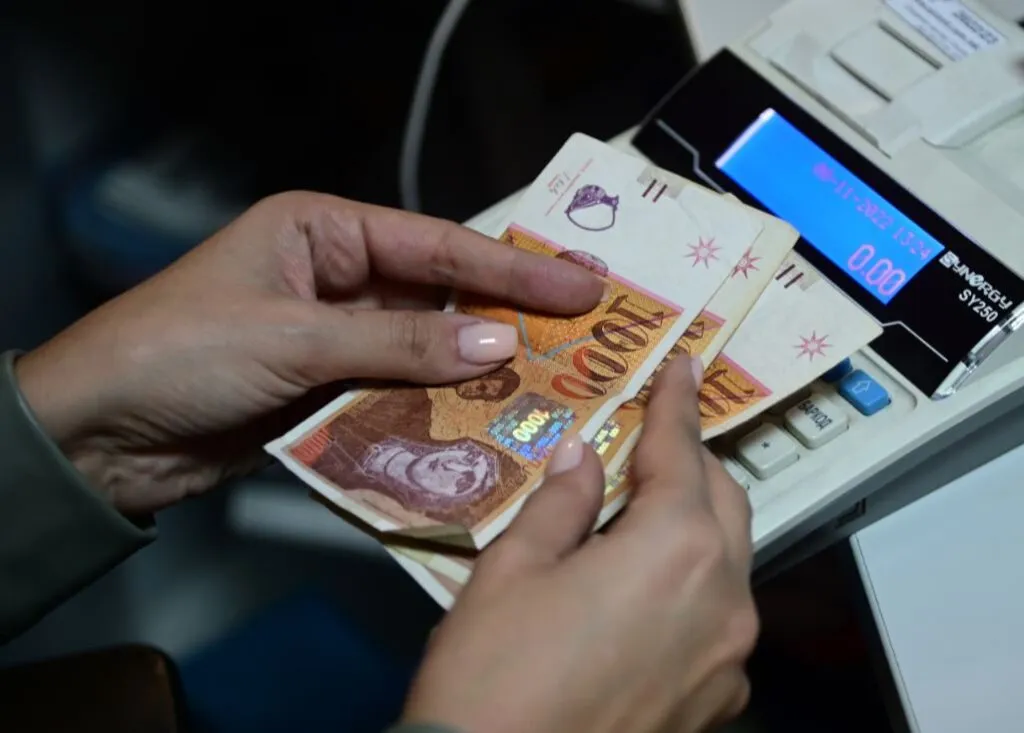
Borrowing is growing faster than saving. In a country where wages are falling, 119 billion in housing loans does not...

Eurostat published July's figures: fuel is more expensive in 25 of 27 member states. Two of the four biggest jumps...

The same company paid 5.7 million for the same violation in 2019 and promised to stop it. Seven years later...

Eleven manufacturers in China are recalling vehicles because the manual emergency handle is hidden where nobody looks for it. The...

The company was not seeking investment - the board met, messages started flying and two days later it was worth...

The State Audit Office counted 21 million denars of equipment missing from the books, 250 mattresses that do not fit...

Eurosuper rose by 4.5 denars, diesel by 6.5. The excise duty has already been cut, VAT is off the table...

The government decides on Tuesday about capping margins on school supplies. The measure runs until 15 September. The bills run...

Every third page published after ChatGPT carries traces of having been assembled by a machine. On government and university addresses...
This site uses cookies - is that okay? Learn more
Be the first to know when Metla launches something new
Leave your email and we will write when there is a new guide or something new on Metla.
