

Two Reports in One Day: an 80-Year-Old Beaten in Her Own Yard in Tearce, an 82-Year-Old from Veles Detained for Years of Beating His Wife
22.08.2026


22.08.2026

22.08.2026

22.08.2026
22.08.2026

22.08.2026

22.08.2026
22.08.2026

22.08.2026

21.08.2026

22.08.2026
22.08.2026

21.08.2026
22.08.2026

22.08.2026

22.08.2026

22.08.2026

21.08.2026

20.08.2026

22.08.2026

22.08.2026

22.08.2026
22.08.2026

22.08.2026

21.08.2026

09.03.2026

27.02.2026

19.02.2026

22.08.2026

21.08.2026

20.08.2026

23.04.2026

23.04.2026

12.04.2026
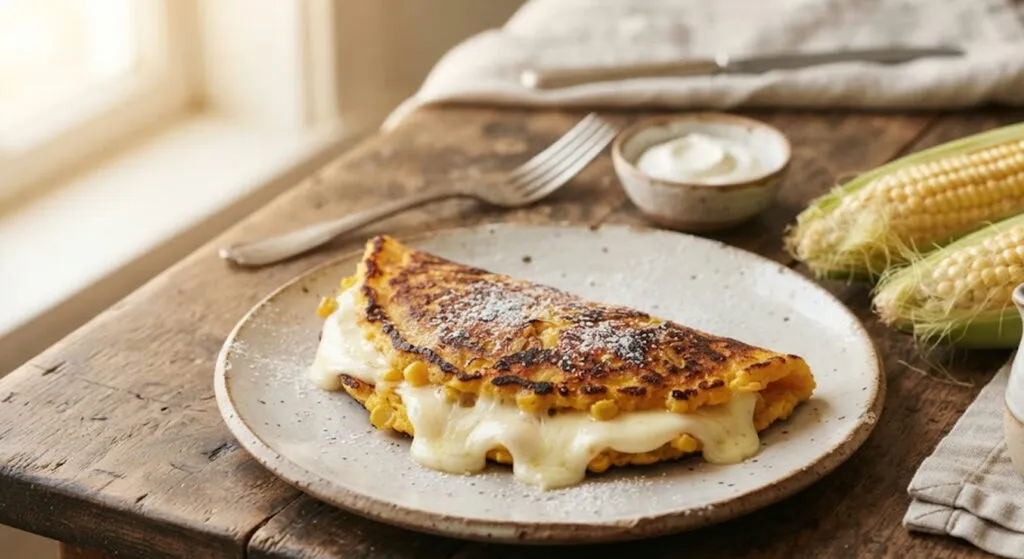
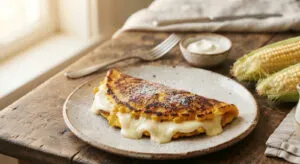
Today, 22 August, is World Cachapa Day. The holiday has only four years of history, which for a dish as old as pre-Columbian Venezuela itself sounds almost insulting - but that is how calendars work. What matters more is that the cachapa is one of those dishes where, once you learn how it is made, you cannot understand why you have never tried it.
The base is one thing: fresh young corn, stripped from the cob and ground. A little salt, a drop of milk if needed, and that is it. It is cooked on a griddle like a thick pancake, filled - usually with cheese - and folded over. The batter is mildly sweet and the filling salty, and that contrast is precisely why the dish works.
And no, a cachapa is not an arepa. The difference lies in what the dough is made from. A cachapa needs fresh young corn, unevenly ground, which is why it is juicy, slightly sweet and rustic, with visible pieces of kernel in the batter. An arepa is made from precooked corn flour - neutral, dense and drier, and shaped by hand. The cachapa is cooked like a thick pancake and eaten folded. Both are filled with cheese, but they are not the same dish.
The traditional fillings are two Venezuelan cheeses: queso de mano, fresh, soft and elastic, shaped by hand, and queso guayanes, ultra-creamy and mildly salty. You will find neither here, but the substitute is logical - very soft fresh mozzarella or a young cow's cheese that melts. The same principle applies: the cheese has to melt, otherwise the whole dish loses its point.
From there it expands: ham and cheese, roast pork, shredded chicken, avocado and salad. There is also a sweet version with honey, jam, banana or cocoa spread, but that is another story. In Venezuela the cachapa is eaten as a generous breakfast, but also for lunch and dinner, sometimes with a layer of cooked milk curd on top.
Chefs who champion this cuisine agree on a few things. Venezuelan chef Sumito Estevez says "corn is the soul of the cachapa" and advises using young, fresh corn whenever possible; if it comes from a tin, mix in a little frozen corn and do not overgrind - the texture must stay coarse. Chef Elena Ybarra recommends adding no sugar at all, or only if the corn is genuinely bland, because a real cachapa should have natural sweetness rather than artificial.
Lorena Garcia, one of the most influential Latin American chefs in the US, adds a practical note: do not make them too big, because the batter is soft and tears when turned. And baker Juan Carlos Bruzual says to let the batter rest a few minutes before cooking - the texture improves and the cachapa does not fall apart on the griddle.
The authentic version, with fresh corn: four ears of young corn, two to four tablespoons of milk only if the consistency needs adjusting, one tablespoon of sugar (optional), a pinch of salt, butter or oil for the griddle, and a filling of your choice. Strip the ears and grind the kernels in a food processor until you have a thick, grainy mixture. If it grinds badly, add a little milk. Salt it, and if it is not sweet enough, add a little sugar. Grease a pan and pour a ladle of batter so it covers the surface. Cook three to four minutes per side over medium heat, until golden. Put the cheese on the hot cachapa so it melts, fold it over - and do not let it go cold.
The tinned-corn version: 400 grams of tinned corn kernels, half a cup of corn flour, three tablespoons of milk if the mixture is too thick, one egg (optional, but it helps bind), a pinch of salt and a spoon of sugar if you like. Grind the corn to a thick paste, add the flour bit by bit until you have a batter like thick pancake batter, adjust with milk, season and cook three to four minutes per side on a greased griddle.
So: four ears of corn and ten minutes. That is all that stands between an ordinary dinner and a dish with its own world day.
The latest 10 news from this category
The first pass at 800 watts confits the potato from the inside. The starch comes out with water, the salt...
A dish born because a boat ran out of rice. Ready in under twenty-five minutes - as long as you...
The whole flan breaks in three places - hot milk, vigorous whisking and turning it out before the fridge. Not...
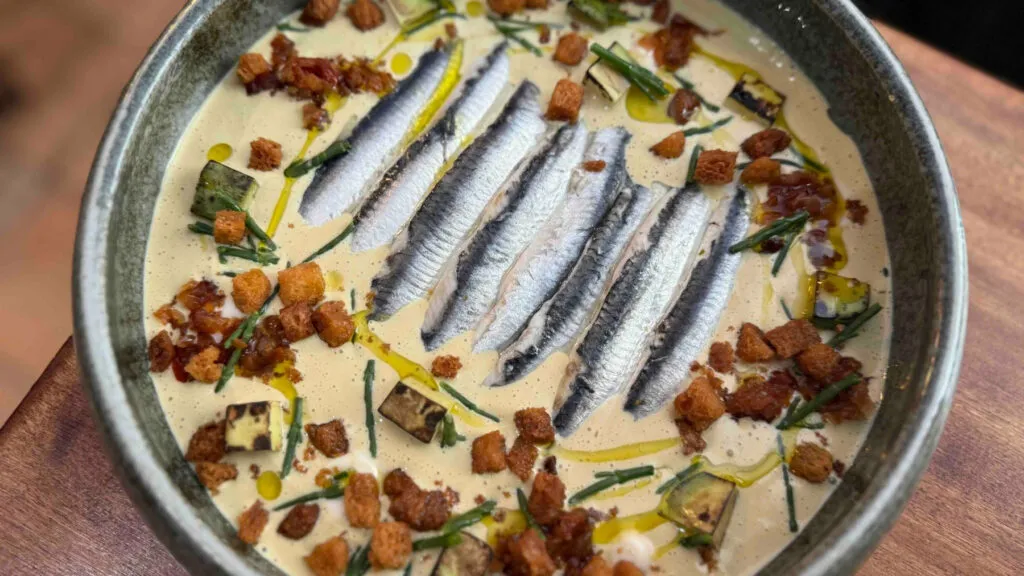
A Madrid chef adds a Peruvian sauce to a dish every Mediterranean coast has its own version of. The full...
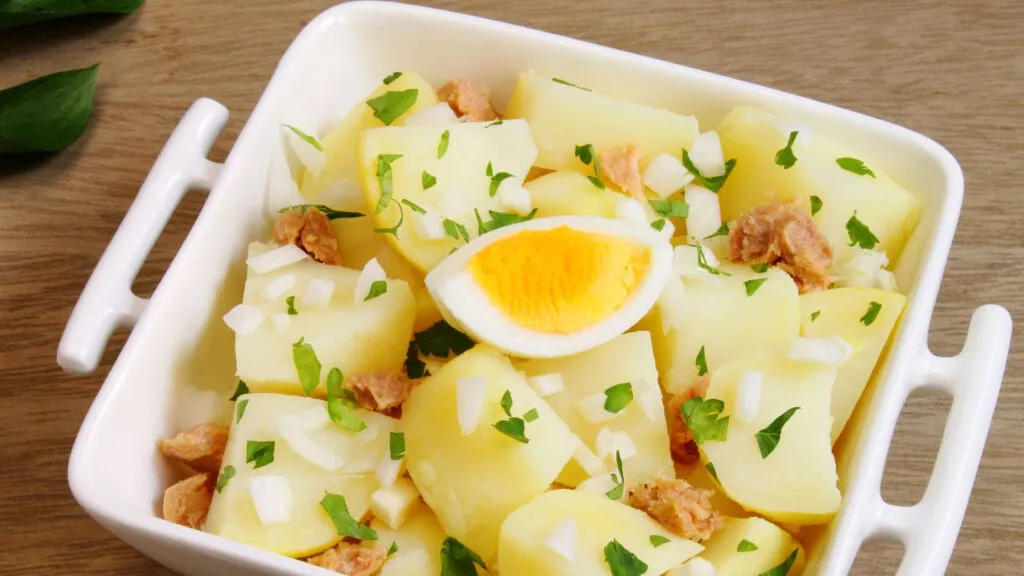
A dish with nowhere to hide - boiled potato, egg, onion, parsley, vinegar and oil. The entire difference between good...
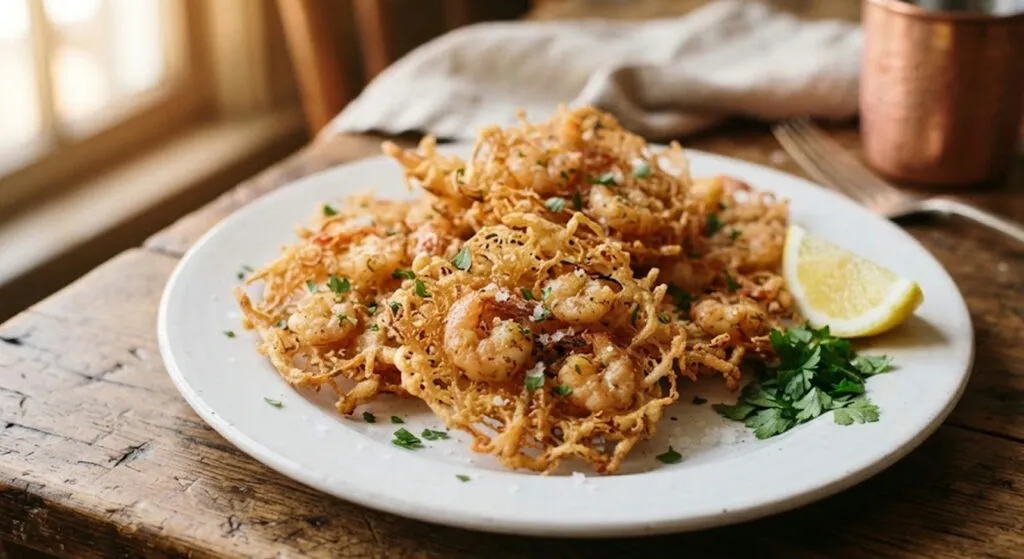
No egg, no thick batter. The result is either a transparent lace or an oil-soaked fritter - and there is...
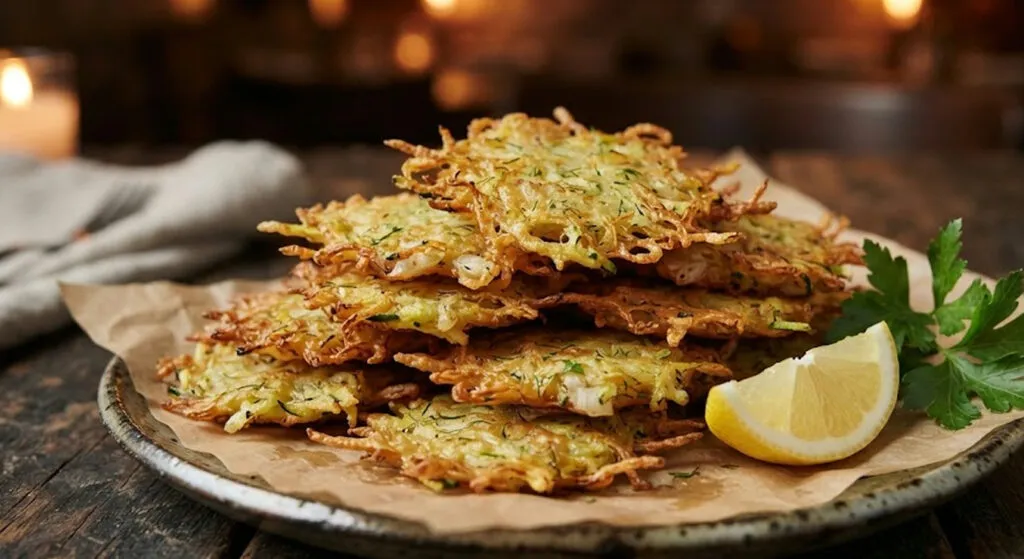
Flour, water and shrimp - five ingredients that cost next to nothing. The whole difference is one decision about the...
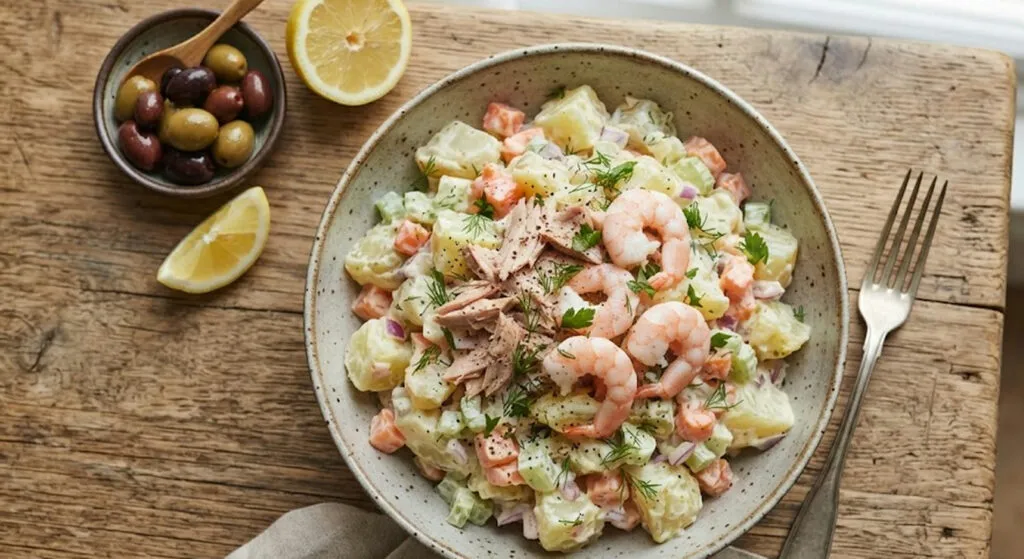
A Spanish chef puts the prawn shells back in the water and boils everything else in it. The cheapest part...
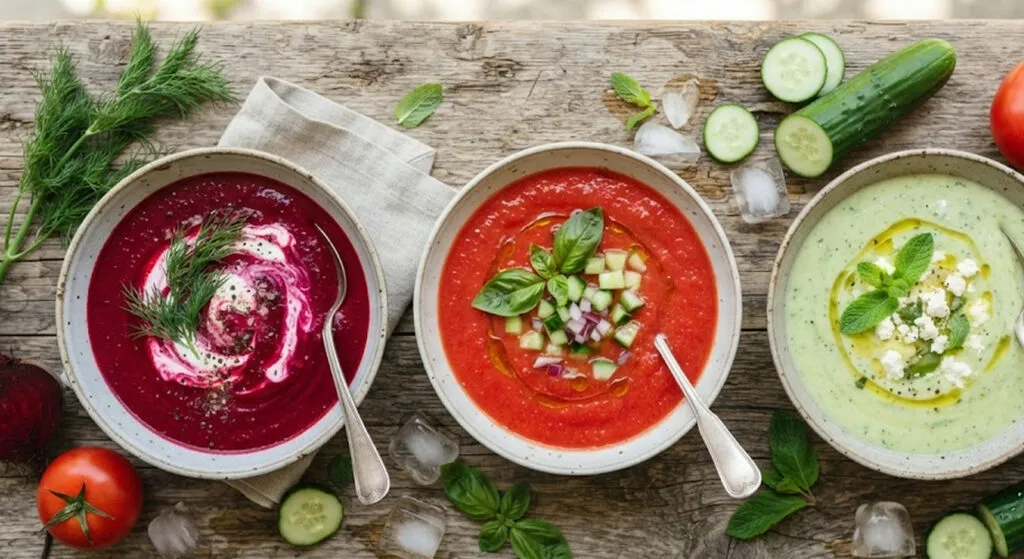
Minerals improve absorption, fibre releases the water gradually. A juicer removes it - and with it a large part of...
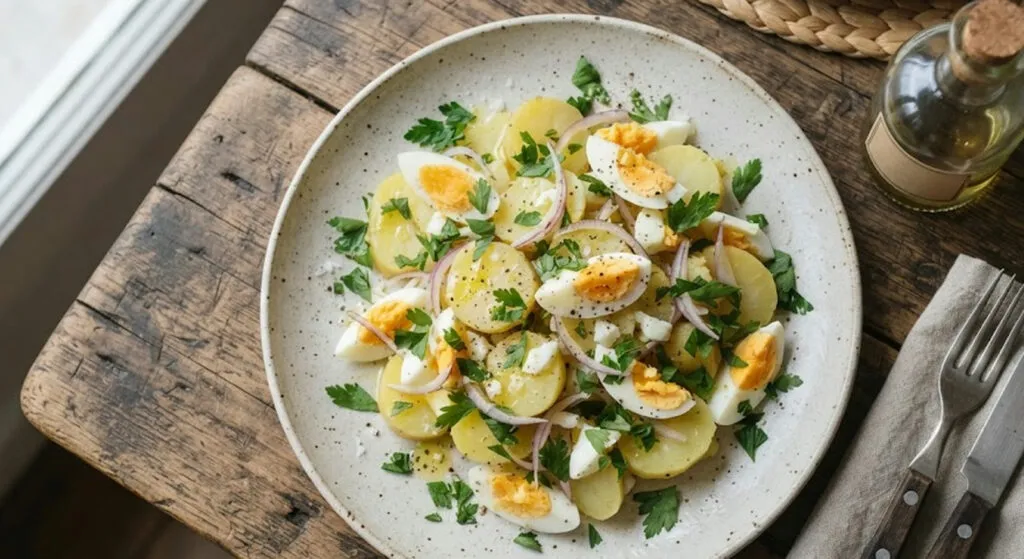
Warm potato absorbs the liquid, cold potato just carries it on the surface. When there is no sauce to hide...
This site uses cookies - is that okay? Learn more
Be the first to know when Metla launches something new
Leave your email and we will write when there is a new guide or something new on Metla.
