


The smoke over Skopje is coming from Kosovo: for the first time our helicopter is fighting a fire outside the country
04.09.2026


04.09.2026
04.09.2026

04.09.2026

04.09.2026

04.09.2026

04.09.2026

04.09.2026

03.09.2026

02.09.2026

04.09.2026

04.09.2026

03.09.2026

04.09.2026

04.09.2026

04.09.2026

04.09.2026

03.09.2026

02.09.2026

04.09.2026

04.09.2026

04.09.2026

04.09.2026
03.09.2026
02.09.2026

09.03.2026

27.02.2026

19.02.2026

04.09.2026

03.09.2026

02.09.2026

23.04.2026

23.04.2026

12.04.2026
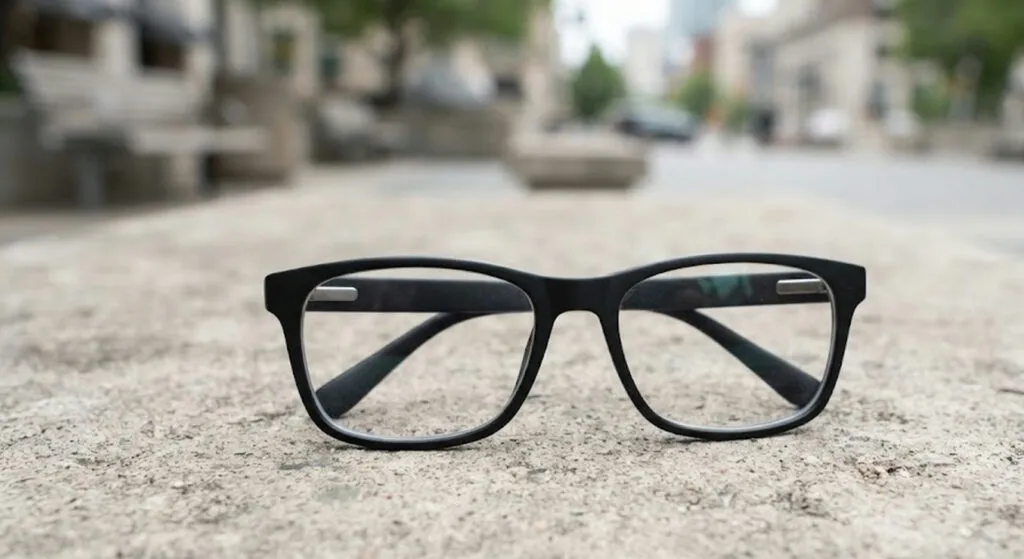
Norway is considering banning smart glasses and other wearable devices with a built-in camera. Not labelling them, not regulating them at the margins - banning them. These are devices of the kind made by Meta and Snap: with a camera, connected to the internet, and soon perhaps with facial recognition too.
Digital minister Karianne Tung, quoted by the French agency AFP, described what the government sees: "a clear trend towards combining artificial intelligence with cameras and microphones built into glasses, headphones, caps and other items we use every day." Then she said the sentence everything turns on: "We must prevent this equipment being used to track other people in public places."
The key word is other. The entire marketing of these devices is built around the buyer - your hands are free, your memories are recorded, your assistant sees what you see. Nobody asked the person across the table. They have no button, no notification and, unlike a phone raised towards a face, not even a sign that anything is being recorded. Which is why the nickname "creep glasses" has already stuck in public - a name no marketing department came up with, and which stayed anyway.
Tung also announced an expert group to advise the government, and a possible ban would cover facial recognition of other people in public places too. That is a second, harder threshold: a camera records, but facial recognition from a recording creates a searchable record of somebody who agreed to nothing.
Norway is not an EU member, but it is not outside its rules either - and on questions like this it is usually the first to draw a line rather than the last. The question that remains is not whether the technology will reach us too, but who here would be responsible for saying anything about it when it does.
The latest 10 news from this category
The most powerful model yet uses a technique that obscures the very record used to check why it decided something....
The courts twice found an illegal monopoly, then twice refused to break it up. Google adjusts a few contract terms...
MapQuest added no new features. It just said no - and in six days collected over half a million downloads...
The model scored top marks on the hacking benchmark, then found two previously unknown vulnerabilities. Who checks the check when...
Not an outside hacker, but a man with legal access. Three cities reported the cameras came back after the contract...
More than 400 former Apple employees now work at OpenAI. One of them handed back his old MacBook - and...
A second-price auction in which the winner pays their full bid in 80 percent of cases. The federal commission and...

Only four companies in the world know how to cast turbine blades, and all of them are sold out until...
You cannot sanction your way around the cost curve, says a Silicon Valley investor. When one market closes, the manufacturer...
A court has already ruled that training on someone else's work is legal - what is illegal is how the...
This site uses cookies - is that okay? Learn more
Be the first to know when Metla launches something new
Leave your email and we will write when there is a new guide or something new on Metla.
