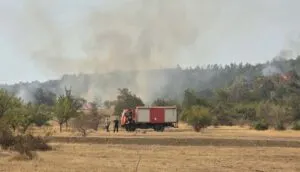
The smoke over Skopje is coming from Kosovo: for the first time our helicopter is fighting a fire outside the country
04.09.2026


04.09.2026

04.09.2026

04.09.2026

04.09.2026

04.09.2026

04.09.2026

04.09.2026

03.09.2026

02.09.2026

04.09.2026

04.09.2026

03.09.2026

04.09.2026

04.09.2026

04.09.2026

04.09.2026

03.09.2026

02.09.2026

04.09.2026

04.09.2026

04.09.2026

04.09.2026
03.09.2026
02.09.2026

09.03.2026

27.02.2026

19.02.2026

04.09.2026

03.09.2026

02.09.2026

23.04.2026

23.04.2026

12.04.2026
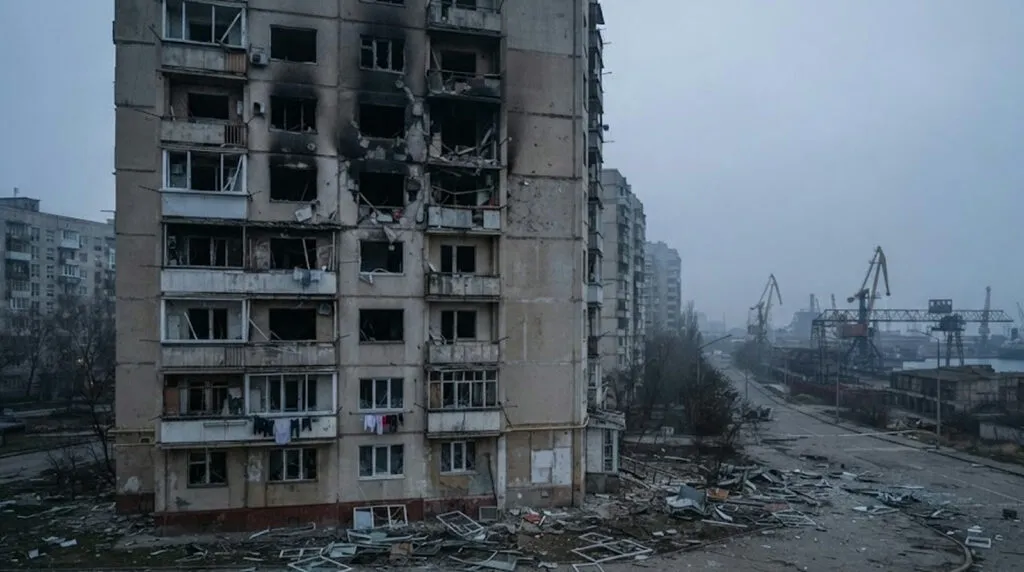
Eight wounded, one of them a child, two hospitalised. A night attack on Odesa, damaged infrastructure and residential buildings, with a 24-storey block worst hit - from the seventeenth to the twenty-third floor. Windows in neighbouring buildings shattered in the blast wave.
The figures were released by Serhiy Lysak, head of Odesa's military administration. But what makes this night different from dozens before it is not the number of wounded - it is what the attack was carried out with.
According to Ukrainian reports, Russia used a combination of aerial bombs, ballistic missiles and Banderol cruise missiles - a weapon only introduced in 2025. It is a jet-powered missile with a medium range of around 500 kilometres, a speed of roughly 700 kilometres an hour and a warhead weighing between 114 and 150 kilograms.
Cheap missile, expensive effect
It is precisely that combination that worries military analysts. The Banderol has capabilities typical of expensive cruise missiles but costs considerably less - which means it can be fired in large numbers. Ukrainian estimates say these missiles already account for around 80 percent of Russian strikes on Odesa's infrastructure.
That is a figure that says more about the future than about last night. When a state finds a way to produce precision weapons at a price that lets it spend them without counting, defence stops being a question of technology and becomes a question of arithmetic. Every interceptor costs more than the target it brings down. That is an equation the side under attack loses over time, even while winning every individual night.
Odesa is not a random target. It is the main port through which Ukraine exports grain - the same grain that ends up in mills across North Africa, the Middle East and parts of Europe. Every damaged port installation there is felt a long way from the Black Sea, and that is not rhetoric but logistics.
The question left unanswered tonight is simpler and harder: what does a state do when its opponent produces missiles faster than it can produce air defence systems? Until now the answer was "it waits for help from outside". Does that answer still hold?
The latest 10 news from this category
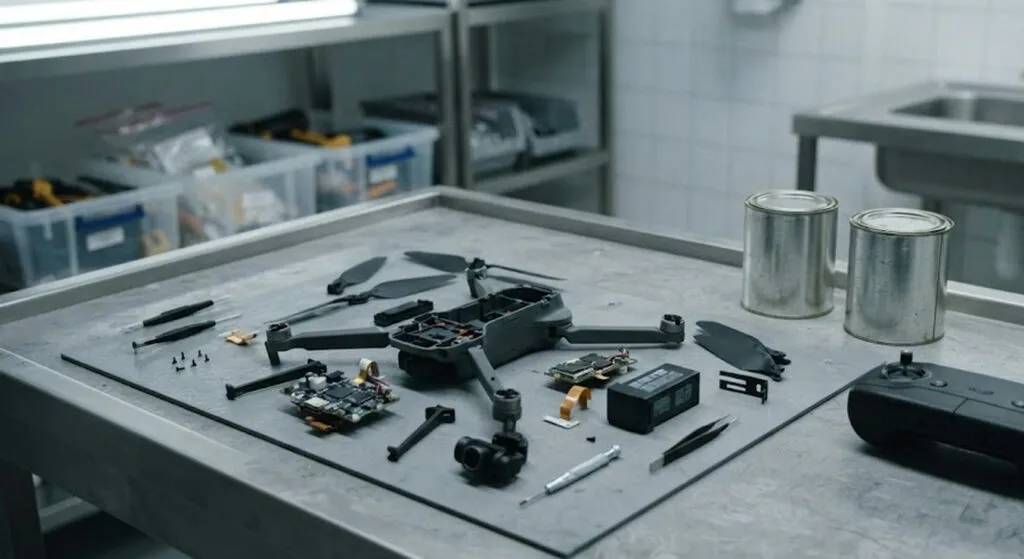
Two arrests on the Serbian-Hungarian border, three drones at a German cargo airport and DNA leading back to Baltic databases....
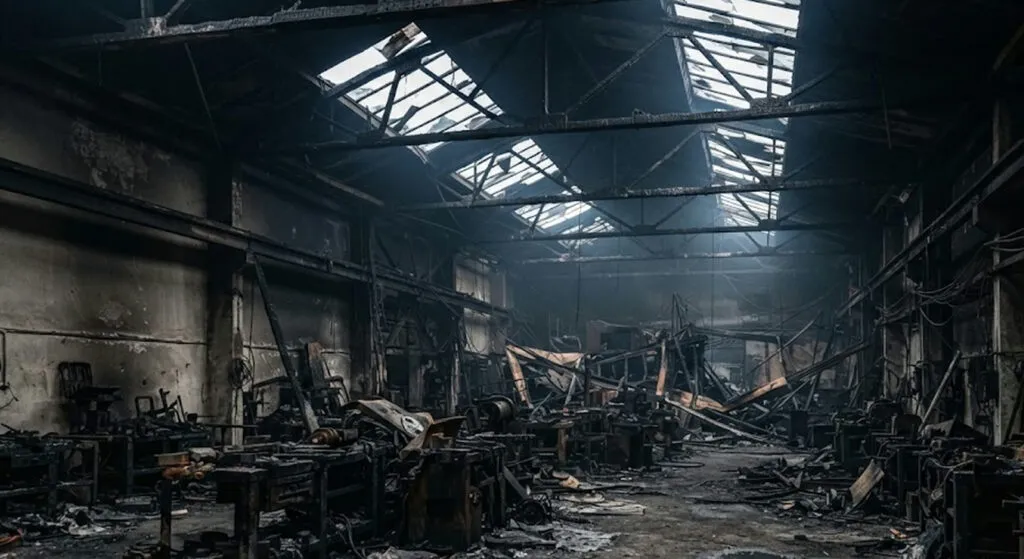
A plant making drones for Ukraine burned down on Monday. Prosecutors called it a terrorist act by a foreign service....

Three wounded, two of them seriously, and two versions that do not match on a single detail. For Western partners...
The SBU and military intelligence had it out on a street in the capital of a country at war. Both...
An American missile hit a house holding a wedding in Sirik, killing four people including a child. Iran struck back...
Zelensky warned airlines and insurers that Russian airspace would de facto close. Putin answered with a sentence that shuts every...
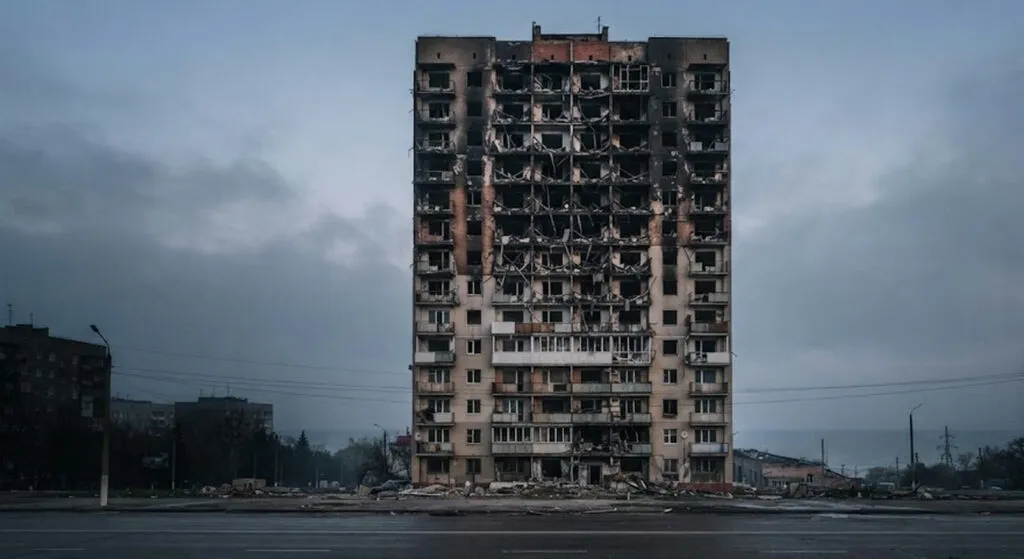
The Banderol costs less than the interceptor sent to shoot it down. When the arithmetic looks like that, the war...
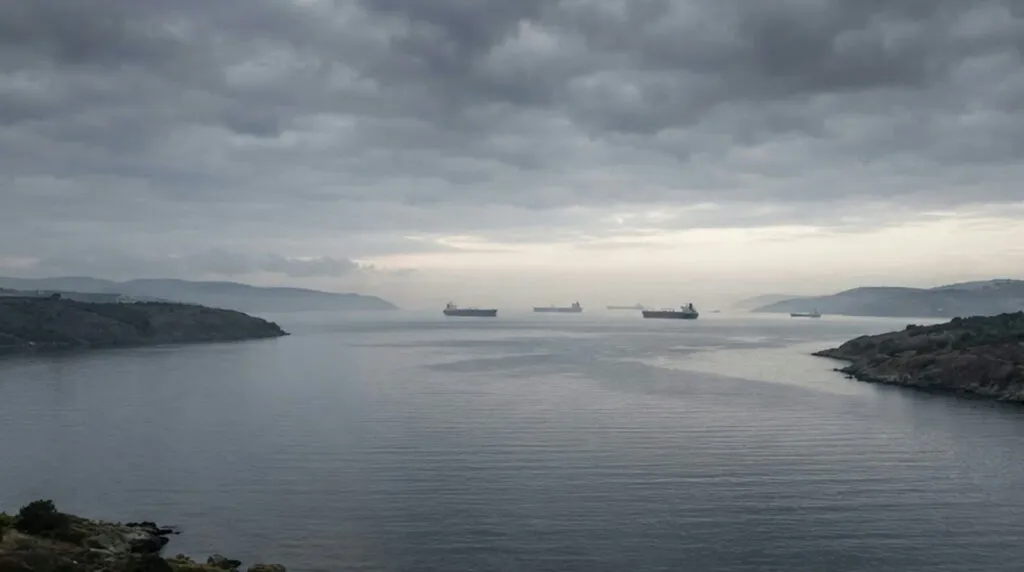
Iran launched missiles at two US bases in Jordan. The Revolutionary Guard says the damage is extensive, Jordan says everything...
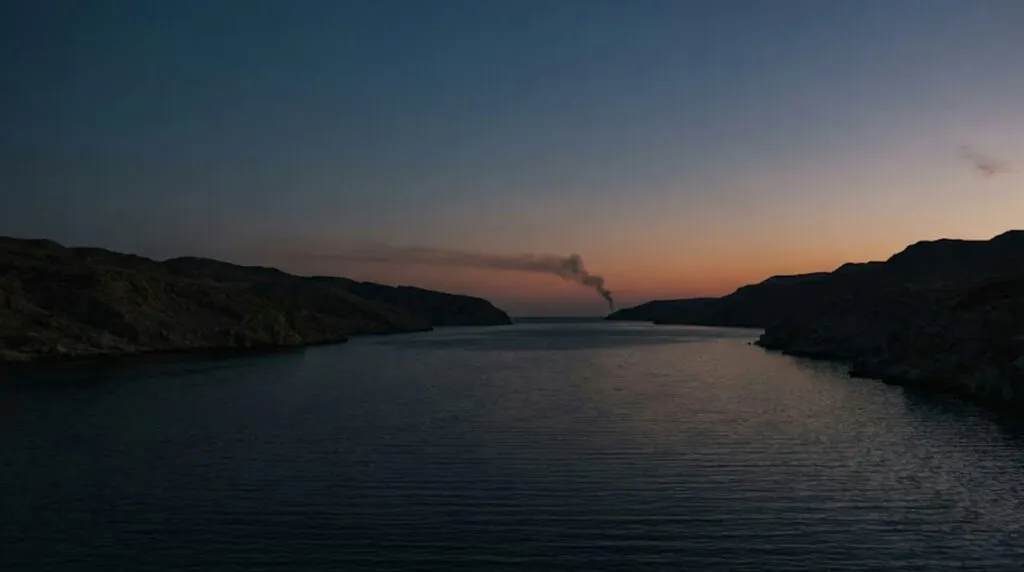
Two missile launchers on a small island broke a month of quiet. The Revolutionary Guard promised the "aggressor will be...
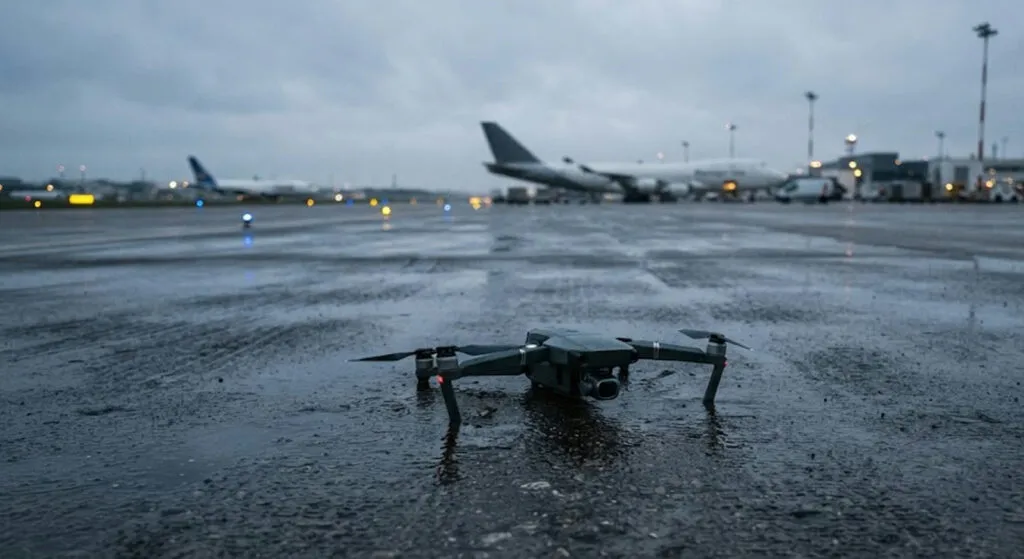
Three drones, 50 grams of hexogen and one cargo airport through which aid for Ukraine travels. The Americans already said...
This site uses cookies - is that okay? Learn more
Be the first to know when Metla launches something new
Leave your email and we will write when there is a new guide or something new on Metla.