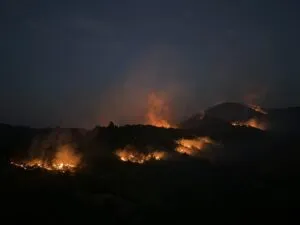
Fifty-two fires in a single day: the flames reached houses in Bogomila, and the whole country has three air tractors
14.08.2026


14.08.2026
14.08.2026

14.08.2026

14.08.2026

14.08.2026

14.08.2026
14.08.2026
14.08.2026

14.08.2026

14.08.2026

14.08.2026

13.08.2026

14.08.2026

14.08.2026

14.08.2026

14.08.2026
13.08.2026

12.08.2026

14.08.2026

14.08.2026

14.08.2026

14.08.2026

14.08.2026

13.08.2026

09.03.2026

27.02.2026

19.02.2026

14.08.2026

13.08.2026

12.08.2026

23.04.2026

23.04.2026

12.04.2026
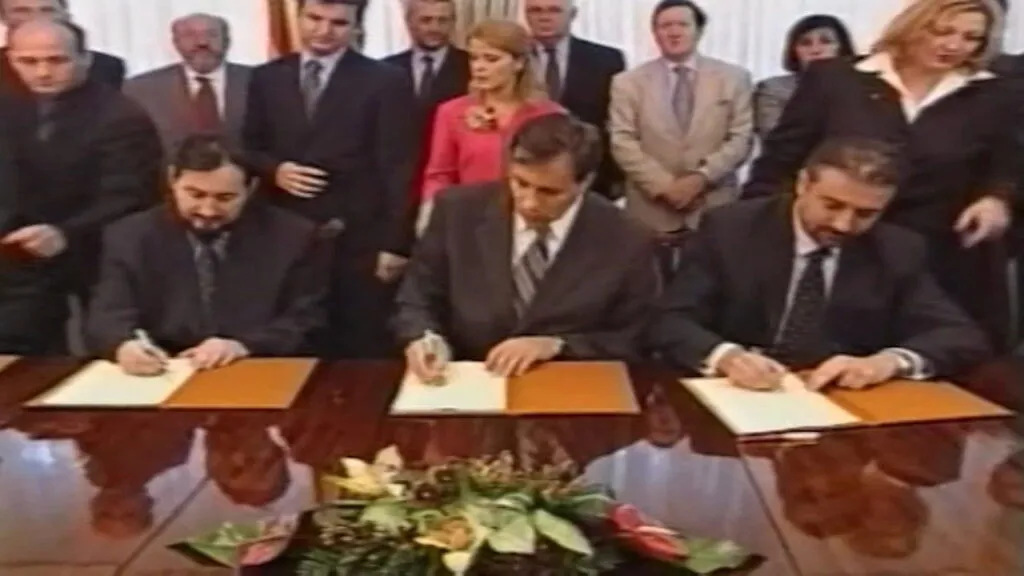
Twenty-five years since the Ohrid Framework Agreement, and the state could not organise a single joint commemoration. The Government held a ceremonial session. DUI held its own celebration. Each in front of their own memorial plaques, each with their own version of the same document.
The government session was chaired by deputy prime minister Aleksandar Nikoloski. Prime Minister Hristijan Mickoski was not there - he marked the anniversary with a Facebook post. „We cannot change the past, but we can decide what kind of future we will build”, he wrote. For a document that stopped a war in 2001, that is a fairly economical appearance.
First deputy prime minister Bekim Sali said that if the politicians of 2001 built peace and institutional equality, this generation must build long-term trust between the communities. Nikoloski used the occasion to talk about the Skopje-Blace and Tetovo-Gostivar motorways, but did not miss the chance to point a finger at DUI for using the agreement to score party points.
DUI with its own ceremony and its own message
DUI responded that the Ohrid Agreement cannot be accepted selectively - respected where it suits those in power, and bypassed where it guarantees equality. The party presented itself as the driver of the process turning the agreement from a peace document into constitutional and institutional reality.
President Gordana Siljanovska-Davkova was in Struga, where she said that this very town is an eloquent example of respect for diversity. Alliance for Albanians leader Arben Taravari called for a new agreement. Justice Minister Jeton Shasivari said the agreement is an ongoing institutional responsibility, not merely a historical date. Parliament Speaker Afrim Gashi urged that the document be seen above political differences.
Every one of them has a point. The problem is that not one of them is making it at the same table.
Who sat at that table in 2001
The agreement was signed on 13 August 2001, at the presidential residence on Vodno, after the armed conflict. The signatories were then president Boris Trajkovski, prime minister Ljubčo Georgievski, SDSM leader Branko Crvenkovski, PDP leader Imer Imeri and DPA leader Arben Xhaferi, with EU and US mediation.
Not one of the five signatories is still in politics. Three are no longer alive - Trajkovski died in a crash in 2004, Imeri passed away in 2008, Xhaferi in 2012. And the document they signed is still interpreted differently depending on who is holding the lectern.
Twenty-five years is enough time for a country to settle whether it has one shared date or two separate ones. The answer the institutions gave this Wednesday was clear and came with no excuse attached: two ceremonies, two halls, two audiences. When the next anniversary comes around, it is worth checking whether anyone even once proposed sitting down together - or whether everyone agreed this way is more comfortable.
The latest 10 news from this category
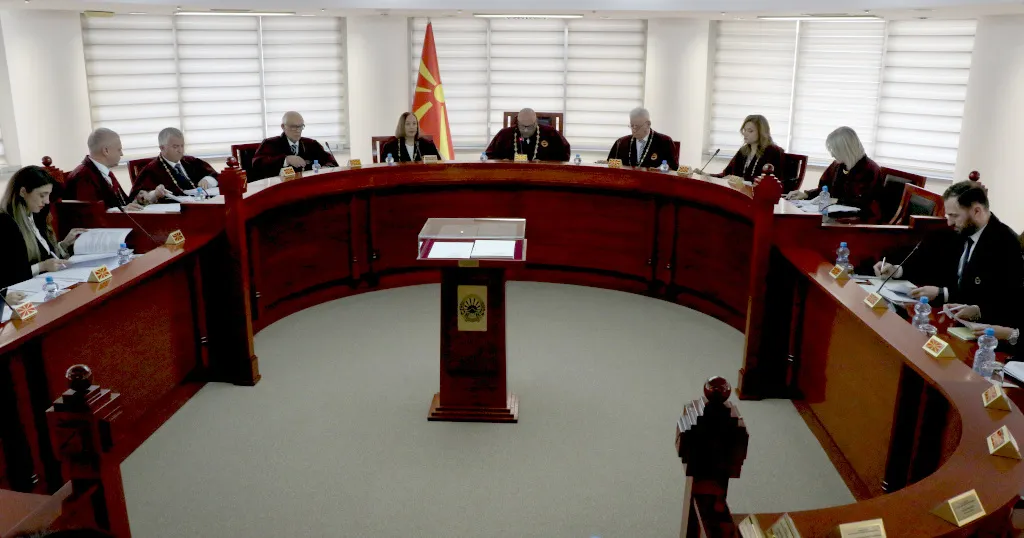
A 2025 ruling simply was not enforced. When the country's top judicial bodies trade press releases, the citizen who won...
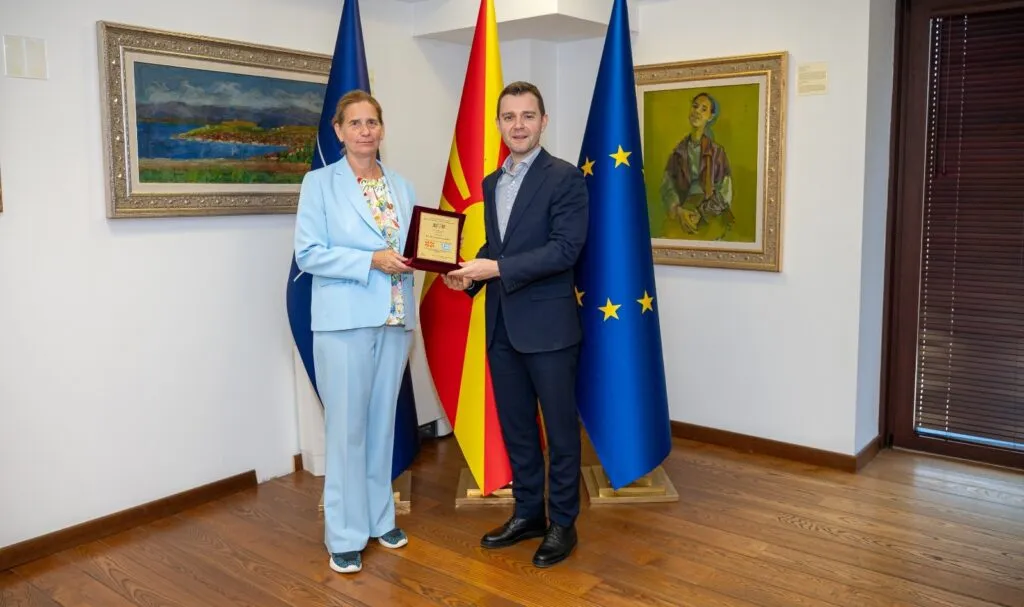
Bulgaria wants a minority written into the constitution, Macedonia wants the Strasbourg judgments respected. The question left unanswered is what...
Both sides have a solid legal argument. While they trade statements, the case that started the whole argument sits in...
The law provides for liability even when a flag is displayed wrongly "by mistake or ignorance". Three pieces of data...
After 25 years the DUI leader announced that his party won't let him leave. And called for a vote that...
The Constitutional Court says its decision wasn't enforced. The judges say the proceedings are ongoing and the pressure is impermissible....
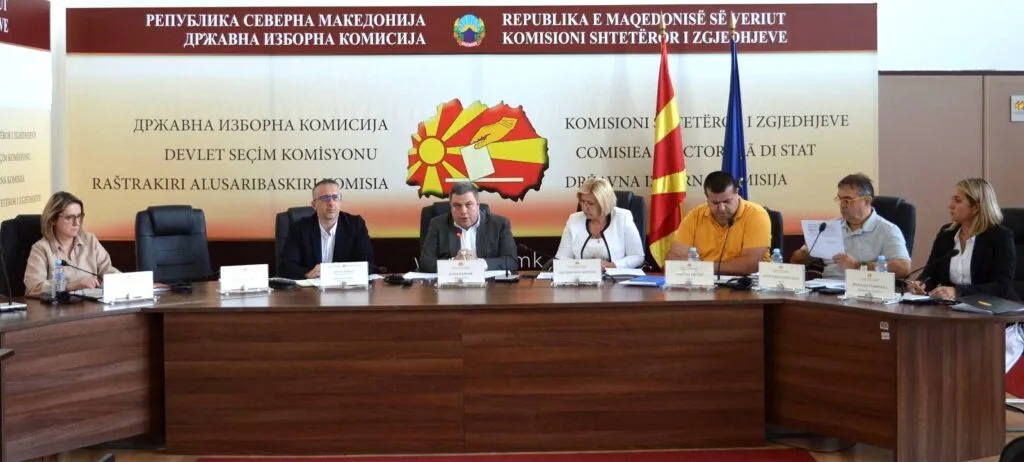
The election commission adopted the timetable after the sudden death of Jovica Ilievski, who won last year by a narrow...
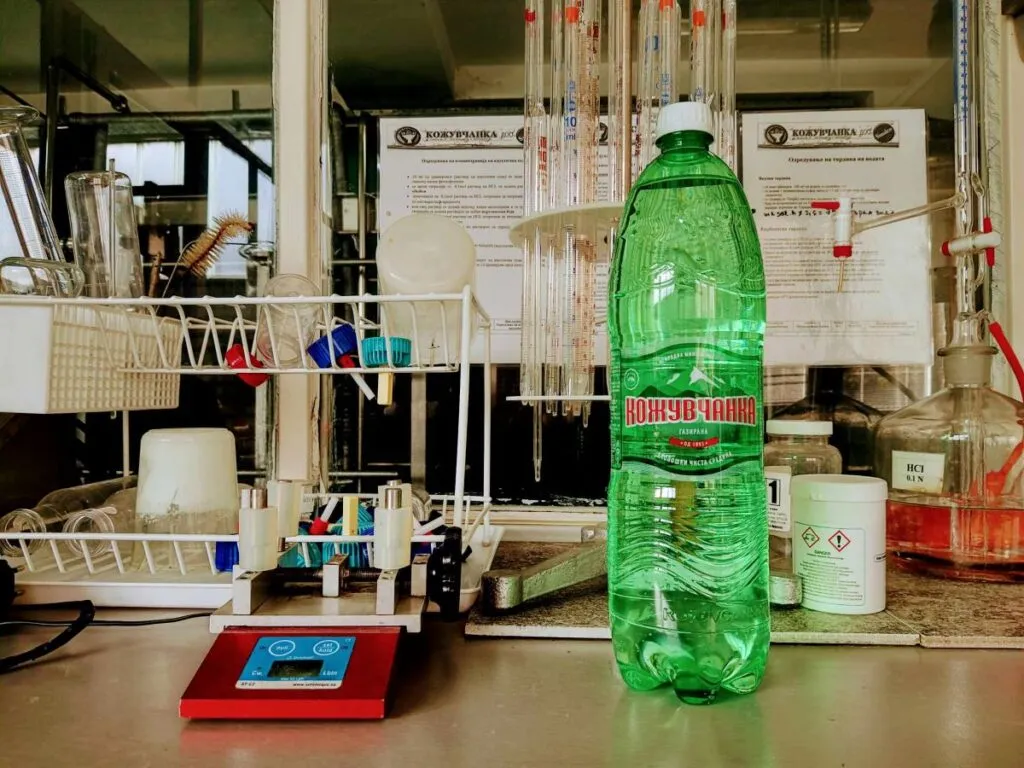
The opposition says no public notice. The government says a tender. The company says it is a donation. Solidarity is...
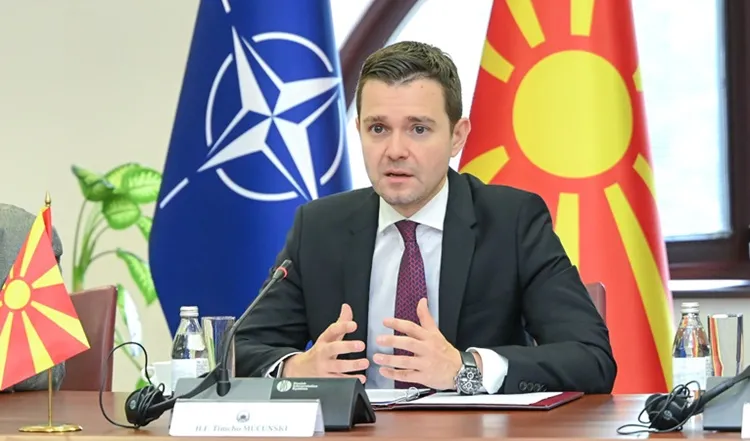
The minister says citizens should rest easy. In the same interview he said the previous government made promises the public...
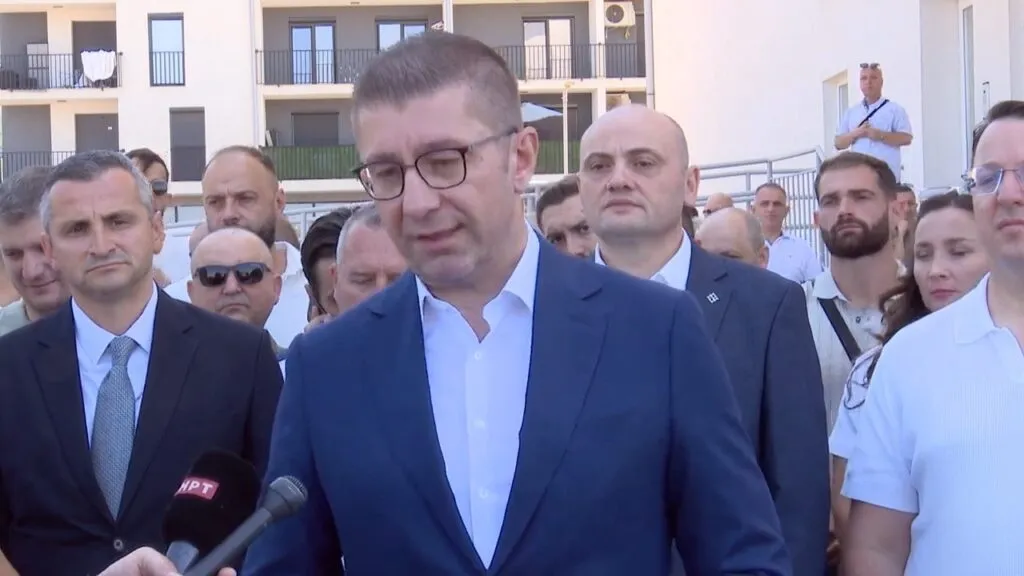
Mickoski promised clean water perhaps as soon as today. The two parties accuse each other of silence - while the...
This site uses cookies - is that okay? Learn more
Be the first to know when Metla launches something new
Leave your email and we will write when there is a new guide or something new on Metla.