

Studeničani: 35-year-old dies after being electrocuted while washing his car with a pressure washer
18.09.2026


18.09.2026
18.09.2026

18.09.2026
18.09.2026

18.09.2026
18.09.2026

18.09.2026

17.09.2026

16.09.2026

18.09.2026

18.09.2026

17.09.2026

18.09.2026
18.09.2026

18.09.2026

18.09.2026

17.09.2026

16.09.2026

18.09.2026

18.09.2026

18.09.2026

18.09.2026

17.09.2026

17.09.2026

09.03.2026

27.02.2026

19.02.2026

18.09.2026

17.09.2026

16.09.2026

23.04.2026

23.04.2026

12.04.2026

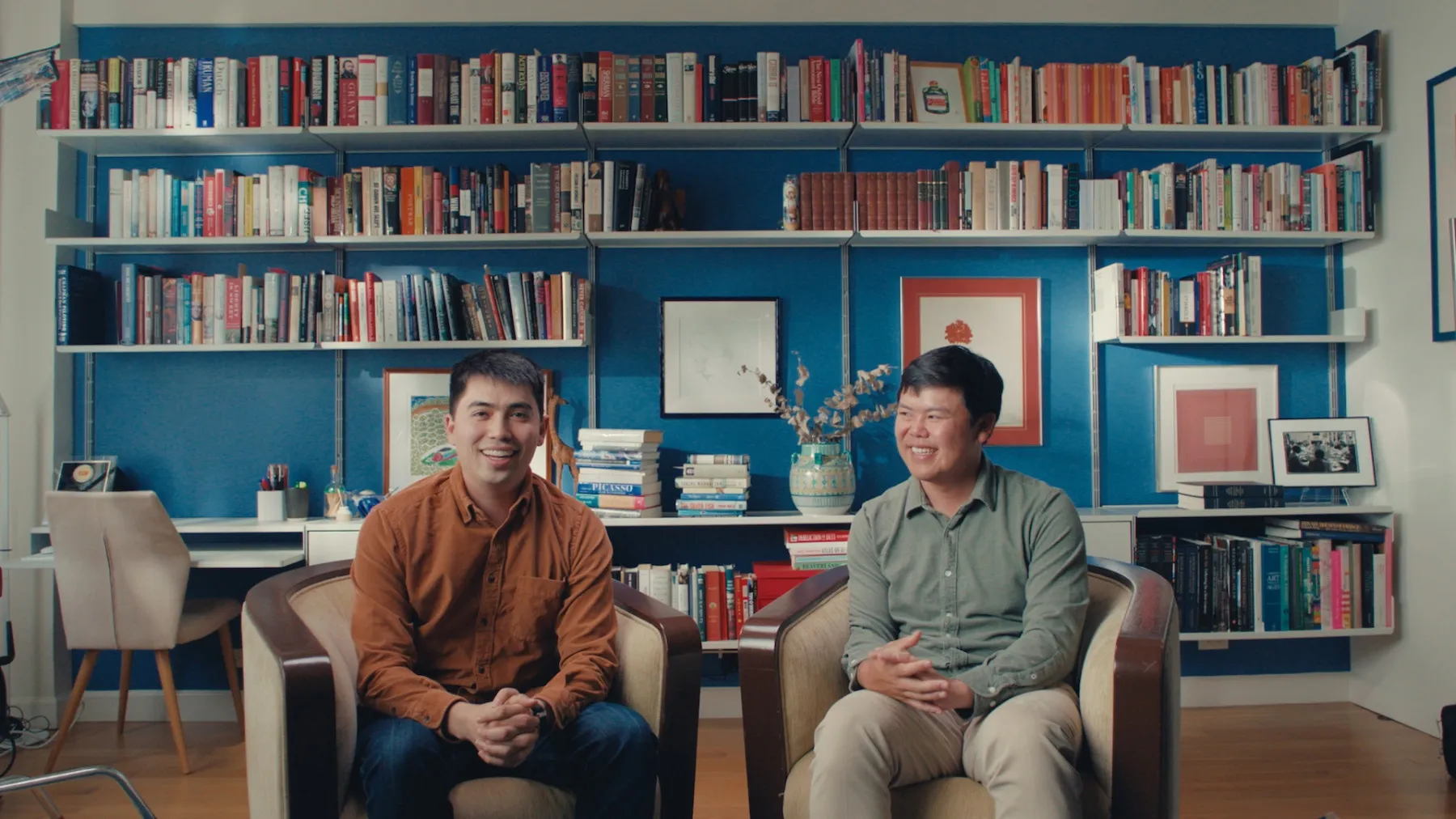
New York startup Pangram raised 9 million dollars on one simple assumption: the more text machines write, the more people will pay to know what a machine didn't write. The round is led by Menlo Ventures, with participation from Haystack, ScOp, Script Capital and Cadenza.
Along with the money, the company released a new model for detecting artificial text - Pangram 4 - and its first model for detecting generated images. They claim over 99 percent accuracy in identifying AI-assisted text, including mixed human-machine writing, plus the ability to catch so-called „humanisers”, programs whose only job is to disguise the machine style.
Founders Max Spero and Bradley Emi, both from Stanford, started the company around two years ago - when, after ChatGPT, the internet filled up with bots and automatically generated content for search engines. Spero counts something more concrete than aesthetics among their motivations: disinformation campaigns powered by language models.
„I think it's incredibly valuable to know whether what you're looking at is AI-generated or not. Especially the text you read, because it changes how people approach it,” Spero says. „Is this something where I have to watch out for hallucinations and come in sceptical, or is it something I trust was well researched by a real journalist?”
How it works, and where it gives way
The system is a large model trained on tens of millions of known human documents. For each one they created a „synthetic mirror” - same topic, same length, same tone, but written by a language model. The model then learns what it is that the machine keeps doing the same way. According to Spero, they don't rely on hidden watermarks or copy-paste metadata.
Testing showed the system easily catches fully generated articles and rarely gets fooled when text has been polished to sound more human. But it also showed errors in both directions - sentences written by a human were flagged as machine-made, and in one test a photograph of a generated image was declared human content. Spero himself says one in 10,000 human documents gets the wrong label. It sounds like a small number, until you remember the label can be the difference between passing and failing an exam.
And this is where the technology collides with institutions. The arXiv archive this year introduced a rule under which papers showing signs the author never reviewed the model's output - invented references, or a forgotten line like „Would you like me to make any changes?” - can earn a one-year submission ban. A Canadian politician read a prompt aloud in front of MPs. Lawyers walked into court with citations that don't exist and walked out with fines.
Pangram isn't alone - Winston AI, Originality.ai, Copyleaks and GPTZero are chasing the same market. Access costs 20 dollars a month, with a Chrome extension that flags posts on X, LinkedIn, Substack, Reddit and Medium in real time. Substack has already built the technology in to show readers which authors write with machine help.
„The future I see is that AI content just keeps spreading. We're getting new GPUs faster than new humans are being born,” Spero says. It's an effective line, and precisely for that reason it's worth looking at from the other side: a company that lives off detection has an interest in the threat looking large. If Spero is right, they're solving the problem. If he's wrong, they're still charging 20 dollars a month for reassurance.
The latest 10 news from this category
An eight-year-old firm that started out mining crypto has tripled its value in ten months. It did not discover anything...
The price of uranium has jumped 75 percent in five years, and the list of countries that mine it reads...
Exein raised 270 million dollars and its valuation jumped thirtyfold in two years. The European regulation coming into force in...
A startup valued at 94 million dollars changed hands, and both sides said openly what was being bought - not...
A technology sold for decades as the answer to the climate is now taking money from the defence industry. The...
The board voted, the founder kicked the administrators out of Slack and held out for three days. What does a...

Three months ago the company raised 60 million. Now it is worth almost ten times that, and its product is...

After Ohridska Banka, Sparkasse has gone after a second one. The approvals come from Podgorica, Belgrade and Frankfurt. The market...

They had offers and visas to stay in the US. They went back to Munich because the numbers worked better...
A signed term sheet in venture capital is treated as a word of honour. When the buyer offers sixty-seven years...
This site uses cookies - is that okay? Learn more
Be the first to know when Metla launches something new
Leave your email and we will write when there is a new guide or something new on Metla.
