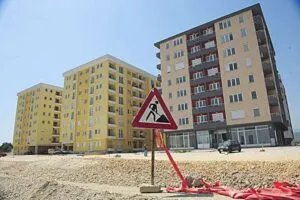
A New Criminal Complaint Against Jakimovski: A Building Permit Based on a Plan Struck Down Back in 2018
16.09.2026


16.09.2026

16.09.2026

16.09.2026
16.09.2026
16.09.2026

16.09.2026

16.09.2026

15.09.2026
14.09.2026

16.09.2026

16.09.2026

15.09.2026

16.09.2026

15.09.2026

14.09.2026

16.09.2026

16.09.2026

16.09.2026

16.09.2026

15.09.2026
15.09.2026

09.03.2026

27.02.2026

19.02.2026

16.09.2026

15.09.2026

14.09.2026

23.04.2026

23.04.2026

12.04.2026

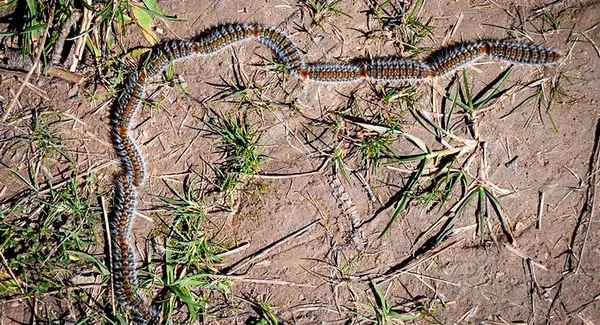
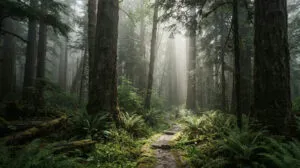
A danger many underestimate lurks in the pine forests across Macedonia. The hairs of the pine processionary - a caterpillar that attacks pines - are like miniature poisoned arrows, and dermatologists warn: do not touch either the caterpillar or its nests.
The pine processionary (Thaumetopoea pityocampa) is a forest pest present in several regions - it has been spotted near Kocani, Sveti Nikole, Stip and elsewhere. The danger does not come from a bite, but from the tiny hairs on the caterpillar's body, which detach and fly through the air. They can cause serious health problems - from skin rashes and allergic reactions to eye irritation, and they are especially dangerous for pets that instinctively sniff at them.
The problem is that the danger is invisible. The caterpillars move in characteristic rows - hence the name "processionary," from their march one behind another - and leave hairs everywhere they pass. Even an abandoned nest in a tree can stay toxic for months. Parents of small children and dog owners are the most exposed, because both children and animals make their first contact with nature through their hands and nose.
This is one of those cases where public health depends on awareness, not on institutions. No one is going to put up a sign in front of every pine tree. So the advice is simple - if you see a row of hairy caterpillars or white cottony nests in a pine forest, keep your distance, and keep the children and pets away. Nature is not always as harmless as it looks on a walk.
The latest 10 news from this category

The World Bank dropped out over misalignment with EU requirements. Construction will take two and a half years, and the...
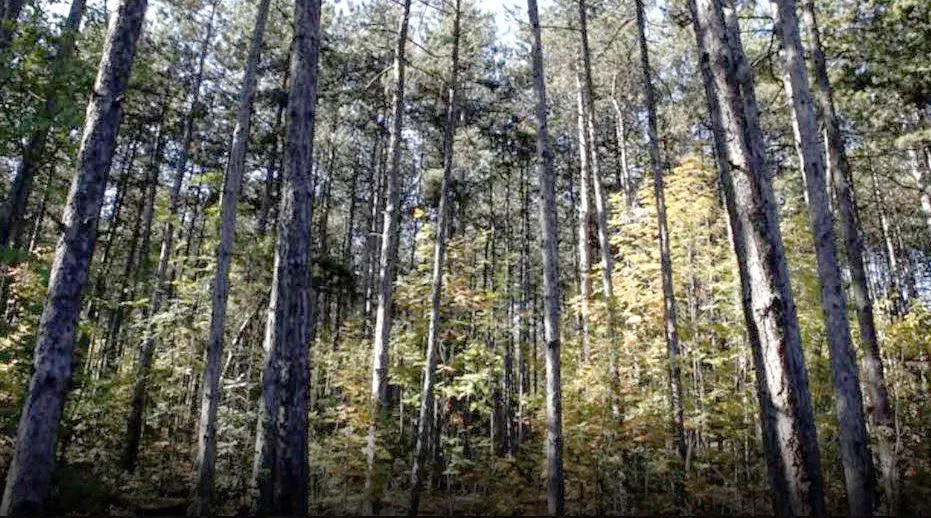
Of 9,500 square metres of greenery, 268 remain. Terrain with an 80-metre height difference, no erosion study and no opinion...
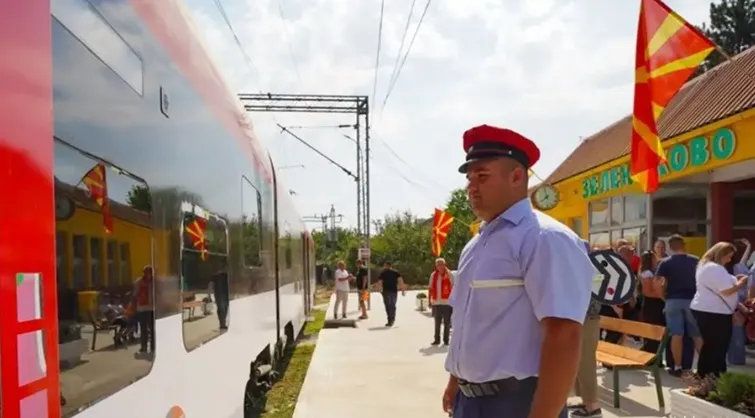
Gjorgjievski says the system should be ready by the middle of next year. The BRT tender is announced for the...
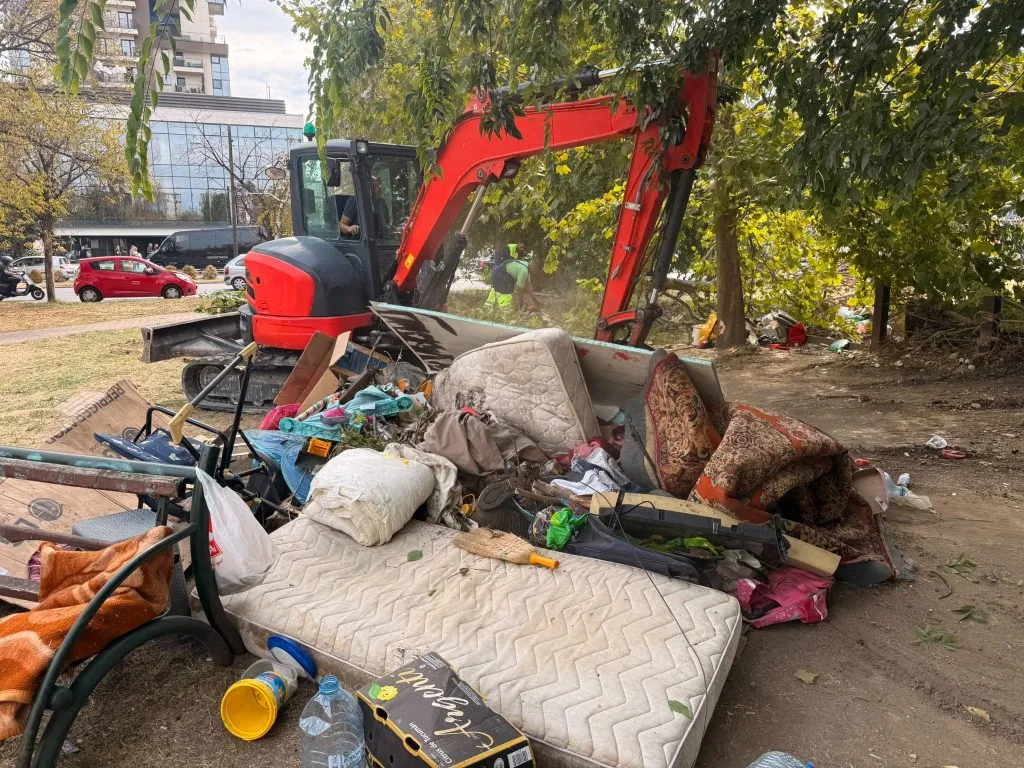
The second operation at the same site within a year. Gerasimovski himself is appealing to the Labour Ministry - because...
A prosumer scheme, a solar oven and electricity generated by bicycle on Magnolija square. The city that has paid the...
Stefanija Dimovska won two medals at IESO 2026, working in mixed international teams. Before that she was also national champion...
Out of nearly 4.7 million denars, the municipality is putting in around 180,000. The rest comes through the Bureau for...

Ten years working inside the health system - and she still had to pull strings to be admitted. The clinic...
Appeals run from 15 to 25 September. There is not enough space at Goce Delčev, so students go to Stiv...
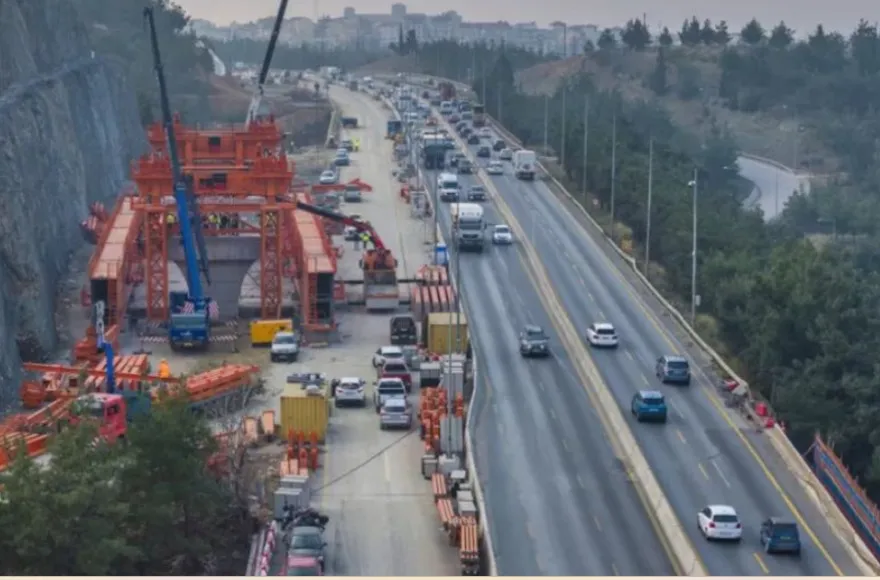
From 23:00 to 05:00 there is no getting through towards Evzoni. Towards Halkidiki - business as usual. Those heading on...
This site uses cookies - is that okay? Learn more
Be the first to know when Metla launches something new
Leave your email and we will write when there is a new guide or something new on Metla.