

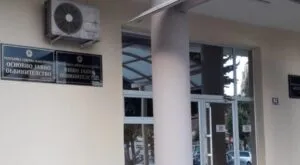
Senior prosecutor's office in Bitola searched: unofficially, the trail leads to Markovski's passport
07.10.2026


07.10.2026
07.10.2026
07.10.2026
07.10.2026
07.10.2026
07.10.2026
07.10.2026
06.10.2026

06.10.2026
07.10.2026

07.10.2026
06.10.2026

07.10.2026

07.10.2026
07.10.2026

07.10.2026
06.10.2026

05.10.2026
07.10.2026
07.10.2026
07.10.2026
07.10.2026

07.10.2026

06.10.2026

09.03.2026

27.02.2026

19.02.2026
07.10.2026
06.10.2026
05.10.2026
06.10.2026
05.10.2026
04.10.2026

23.04.2026

23.04.2026

12.04.2026

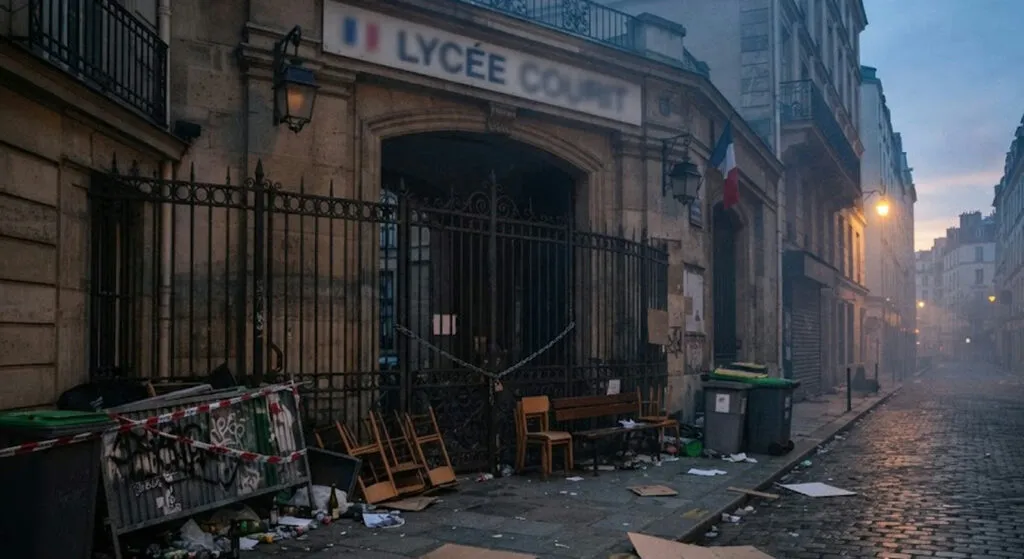
It didn't start with the unions, or with the opposition. It started with secondary school students. At the end of September, pupils in the Paris region blockaded their schools, the high school students' union took up the initiative, and within a few weeks the movement had spread across France - from Lille, through Marseille, to Nantes. On Tuesday, the national day of action, they were joined by unions, teachers and parents.
What are they asking for? Nothing revolutionary. They complain about a shortage of teachers, overloaded timetables, run-down classrooms and buildings not adapted to ever-higher temperatures. The basics, in other words. Sound familiar?
Numbers the Élysée can't ignore
The Interior Ministry counted 256,000 protesters across the country, 56,000 of them in Paris. Education unions claim 450,000 people were on the streets. The Education Ministry admits classes were fully or partly cancelled at 891 secondary schools, while the unions talk of 1,800 blockaded or closed as a precaution. The Ministry of Higher Education said 40% of universities had been disrupted - the highest share since the movement began.
This is where the ugly part begins. Some of the protests passed peacefully; others turned violent: schools set on fire, shop windows smashed near the Place de la Nation in Paris. Since 28 September, 6,547 people have been detained. According to Justice Ministry figures from Monday, 87% of those detained up to then were minors.
In Saint-Ouen-l'Aumône, a police officer at close range hit 14-year-old Eden in the face with a projectile from a grenade launcher. The boy is seriously injured. "My heart is broken," his mother said. At one of the protests in Marseille, a sign read: "Use tear gas on rapists, not on minors."
The police, for their part, are being targeted with fireworks and other objects - dozens of officers have been injured since the protests began. In Saint-Cyr-l'École, a 15-year-old schoolgirl was detained on suspicion of firing a pyrotechnic device resembling a mortar shell near a baby. On the Place de la République, a protester fell from a statue about five metres high and was seriously injured. Interior Minister Laurent Nuñez insists the police response was proportionate "in almost all cases".
Macron only shows up now
President Emmanuel Macron had so far stayed out of the crisis publicly. Only after the biggest day of protests did word leak from the Élysée that he was calling a crisis meeting with Prime Minister Sébastien Lecornu, Interior Minister Nuñez and Education Minister Édouard Geffray. Meanwhile, on the other side of the Atlantic, Donald Trump blamed mass migration and Islam for the unrest in France - even though the people on the streets are asking for teachers and classrooms.
Secondary school and student organisations have already announced a new wave for Thursday, the "fourth" in a row. "If we only mobilise for one day, they'll say we're exaggerating and just carry on," says Benjamin, a pupil from Sceaux. A teenager has worked out what many adults still haven't: one day of protest is a photo, a daily blockade is pressure. Has a pupils' protest in the Balkans ever forced a government to call a crisis meeting?
The latest 10 news from this category
In 2009 Nidal Malik Hasan killed 13 unarmed soldiers at a base in Texas. Now the Pentagon is announcing a...
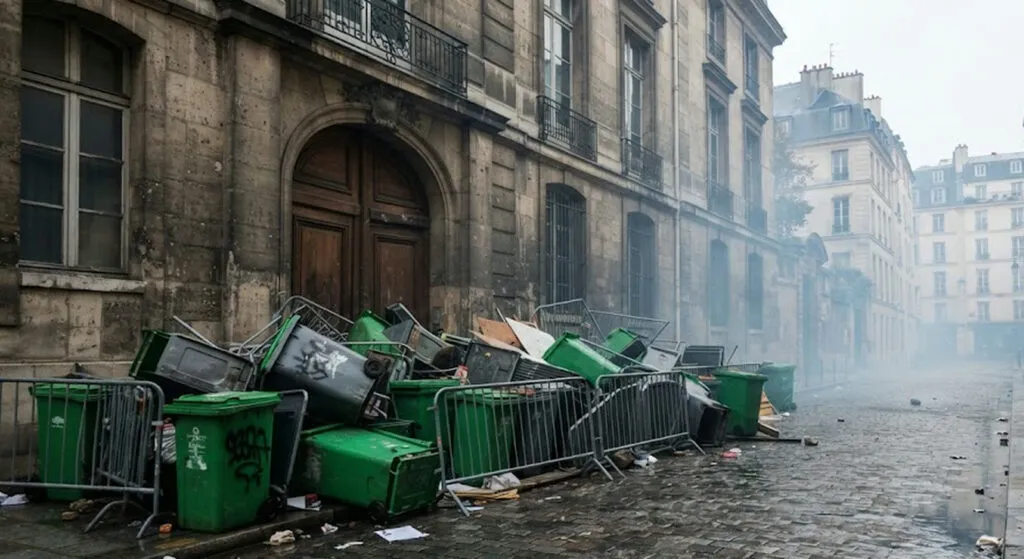
215 pupils injured, over 6,000 arrested and a boy without a hand - and Trump sees only Islam in all...
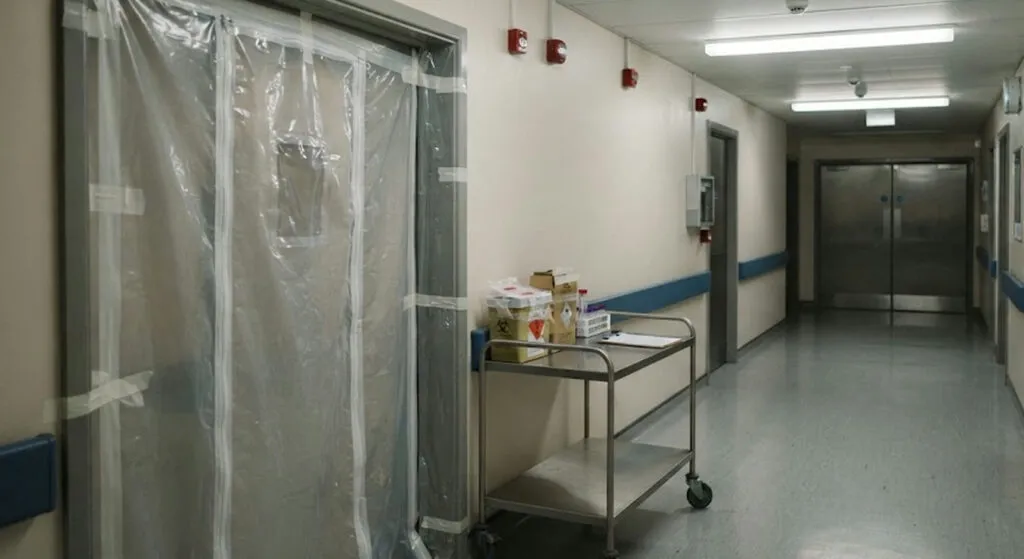
Officially - pneumonia of unknown origin. Unofficially - a broken test tube containing plague bacteria. Eastern Europe remembers Moscow's silence...
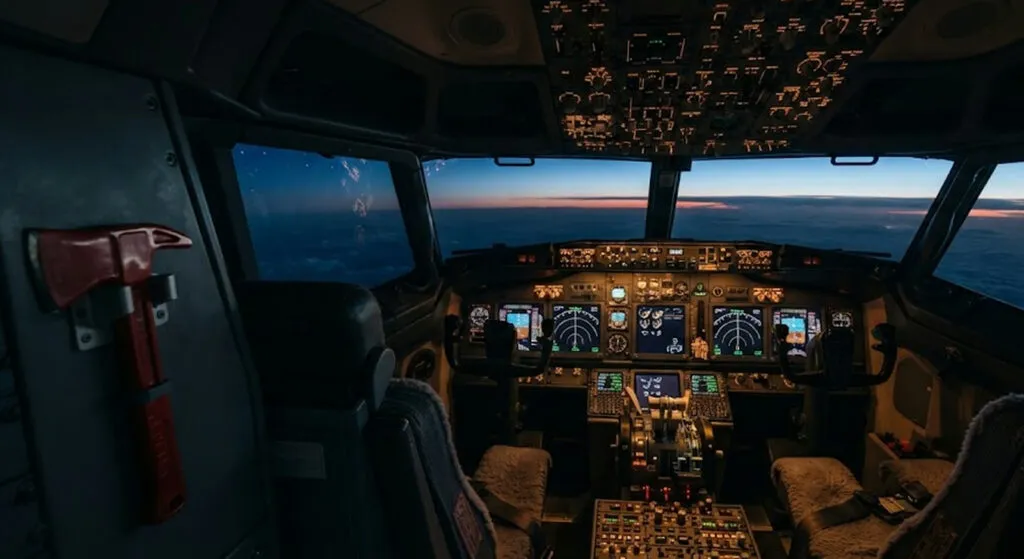
Oman Air had grounded him over extremist views, then Flydubai hired him and put him in the cockpit of a...
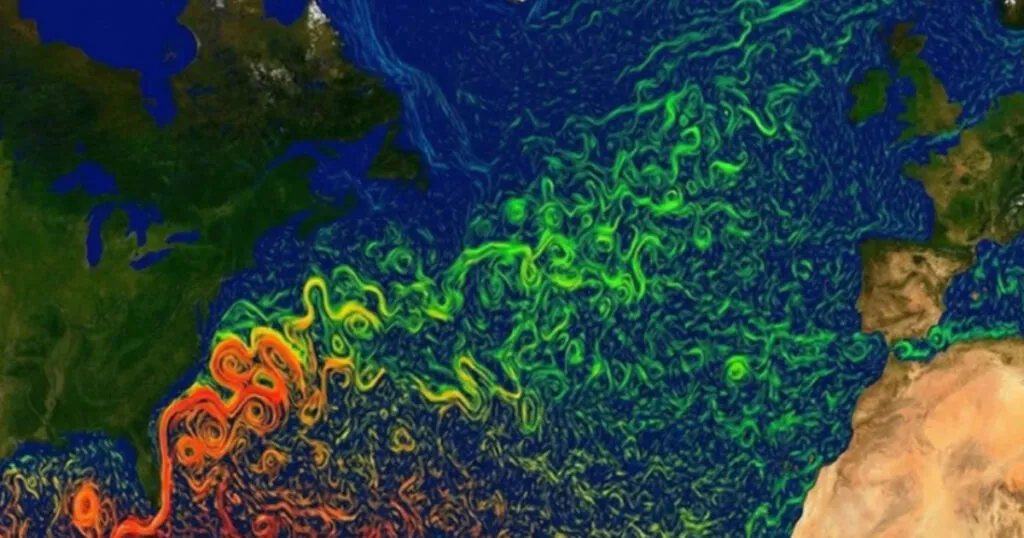
Iceland, the Netherlands, Finland and Britain are already calculating what it would mean if the ocean pump that keeps Europe...
The King's brother, arrested on his 66th birthday over his Epstein ties, wants a court to rule whether police were...
European diplomats called it blackmail - and then gave in within a day. If Berlin and Paris crack after a...
The official version says it all started with a broken test tube. A well-known Russian epidemiologist calls that ridiculous, and...
While Washington and Moscow talk about territory and a ceasefire, a package of refineries also lies on the table -...
The wrong tournament, a war in which he "decided to go further", polls that are "fake" and advice to go...
This site uses cookies - is that okay? Learn more
Be the first to know when Metla launches something new
Leave your email and we will write when there is a new guide or something new on Metla.