


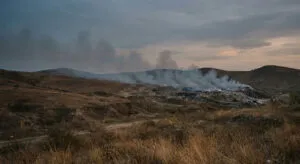
It's October, and Macedonia Is Still Burning: 30 Fires in a Single Day, Five of Them at Landfills and Rubbish Dumps
09.10.2026


09.10.2026

09.10.2026
09.10.2026

09.10.2026

09.10.2026
09.10.2026

09.10.2026

08.10.2026

08.10.2026

09.10.2026

09.10.2026

08.10.2026

09.10.2026

09.10.2026

09.10.2026

09.10.2026
08.10.2026

07.10.2026

09.10.2026

09.10.2026

09.10.2026

09.10.2026

09.10.2026
08.10.2026
09.10.2026

08.10.2026

07.10.2026
08.10.2026

06.10.2026

05.10.2026

23.04.2026

23.04.2026

12.04.2026

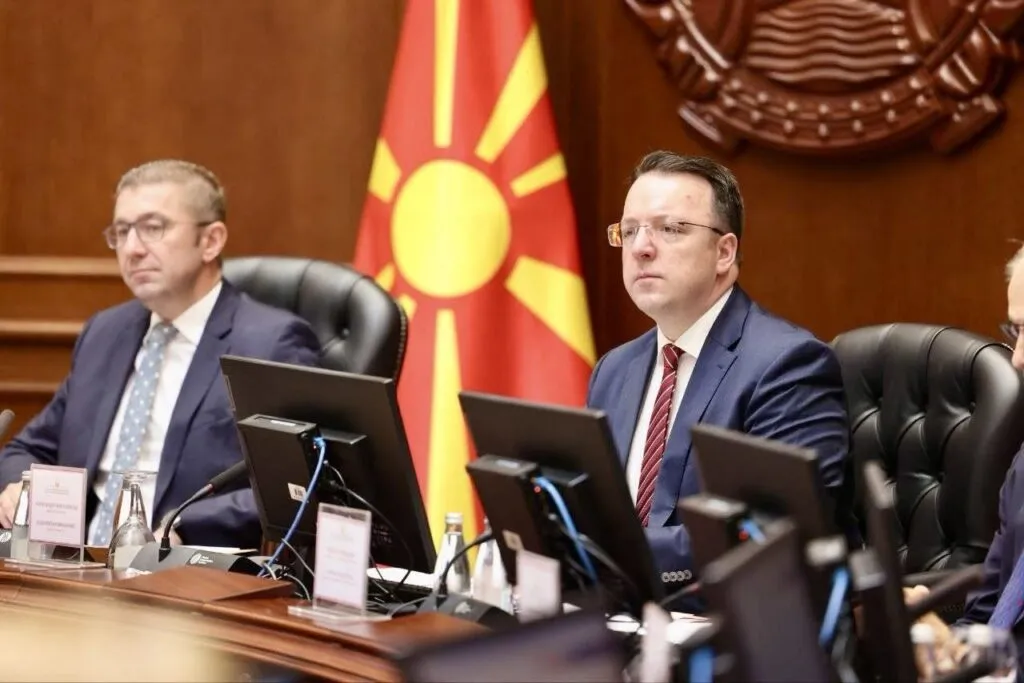
Macedonia's professional drivers are stuck between borders, stamps and limits on entering and staying in the Schengen zone. Deputy Prime Minister and Transport Minister Aleksandar Nikoloski now says the state has found a solution - not one, but several different ones, deal by deal, country by country.
According to him, a bilateral agreement has been signed with Croatia, and Switzerland has since confirmed a deal as well. With Romania, it has been agreed that Macedonian drivers will be issued permits rather than visas. With Bulgaria and Greece, talks are under way so that drivers who enter and leave on the same day don't have to register at all. With "certain other countries", the minister says, negotiations are in the final phase.
The culprit: bureaucracy
Nikoloski rejects theories that the problem is part of a plan to destroy Balkan hauliers. "If this were some big plan, where the goal was to destroy the Balkan hauliers and have other hauliers take over the business, we would have seen it. There's no such thing," he said. His explanation is more mundane: a slow European bureaucratic machine that "finds it hard to make new decisions".
The minister also pointed out that the damage isn't only ours. More than 87 percent of foreign direct investment in Macedonia comes from the European Union, and those companies too, he says, can't find an alternative way to move their goods.
A patchwork instead of a solution
It's good that something is moving. But look at what the drivers are actually getting: one regime in Croatia, another in Romania, a third, maybe, towards Bulgaria and Greece - and for the rest of the Schengen countries, waiting. A driver going from Skopje to Germany passes through several countries, and each has its own rule.
Nikoloski himself admits that "there is no single complete solution". If the problem really is the bureaucracy in Brussels, why does the fix have to be hunted down in every capital separately - and how many drivers will quit the profession before the whole puzzle comes together?
The latest 10 news from this category
Lower excise duties shrank revenue, the deficit stayed the same - so the knife fell on investment. The environment ministry...
Nikoloski counts more than 10,000 vehicles a day to and from Kosovo and promises less pollution. But the line is...

A barrel rose 3.7 percent in a single morning, European stock markets fell and gold is above 4,100 dollars. Markets...

A company worth trillions of dollars is now accused of green card fraud. Vance told it to hire Americans, and...

From university project to 3.1 billion dollars in three years. Arena ranks AI models, and the labs whose models it...

The worst embarrassment for a company: hackers writing to its customers through its own app. Asos has 17 million customers,...
As of October 6, the deficit stands at 50.2 billion denars, almost 4 billion above the annual plan the government...

Monthly inflation is zero, but food went up 0.5 percent, for the second month in a row. The prime minister...
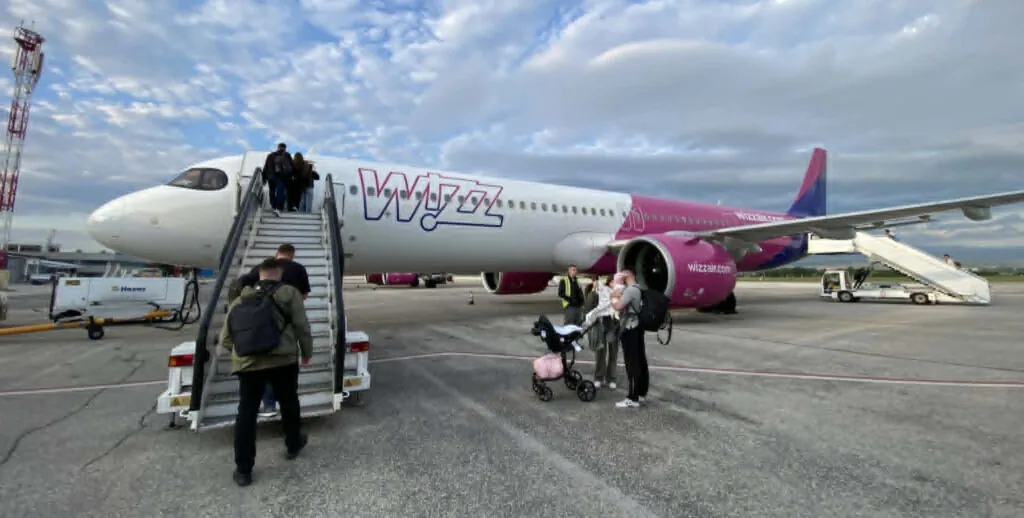
3.3 million passengers in nine months and 29 percent growth. But almost two out of every three passengers in Skopje,...

Built to protect teenagers from emotional dependence, the bot answered the line "my friends say I talk to you too...
This site uses cookies - is that okay? Learn more
Be the first to know when Metla launches something new
Leave your email and we will write when there is a new guide or something new on Metla.

