


It's October, and Macedonia Is Still Burning: 30 Fires in a Single Day, Five of Them at Landfills and Rubbish Dumps
09.10.2026


09.10.2026

09.10.2026

09.10.2026

09.10.2026

09.10.2026

09.10.2026

09.10.2026

08.10.2026

08.10.2026

09.10.2026
09.10.2026
08.10.2026

09.10.2026

09.10.2026

09.10.2026

09.10.2026

08.10.2026

07.10.2026

09.10.2026

09.10.2026

09.10.2026

09.10.2026

09.10.2026
08.10.2026

09.10.2026

08.10.2026

07.10.2026
08.10.2026

06.10.2026

05.10.2026

23.04.2026

23.04.2026

12.04.2026

Autumn brings pears to the market, and in our part of the world they mostly end up as compote or in a still for rakija. A shame, because the pear is one of the few fruits that does equally well in savoury and sweet dishes - enough for a whole three-course menu, with each course using it in a different way.
Starter: a rustic galette with pears and blue cheese. A galette is a pie without a tin: the dough is rolled out, the filling goes in the middle and the edges are folded up. The dough here is made with butter and parmesan and has to rest, so the whole recipe takes around two hours and fifteen minutes, although the hands-on work is much shorter. The filling is caramelised onion, blue cheese, a little mustard, walnuts and thin slices of pear. It bakes at around 200 degrees. The sweetness of the pear and onion against the salty sharpness of the blue cheese - that's the whole point.
Main course: secreto with pear chutney. Secreto is a juicy, marbled cut of Iberian pork that cooks quickly on a griddle pan or in a frying pan. The chutney is a sweet-and-sour sauce of pear, red onion, spices and raisins, simmered until thick. The whole dish is ready in about 50 minutes, and the recipe insists the meat reach a safe internal temperature - advice that holds for any pork, Iberian or from the butcher down the street.
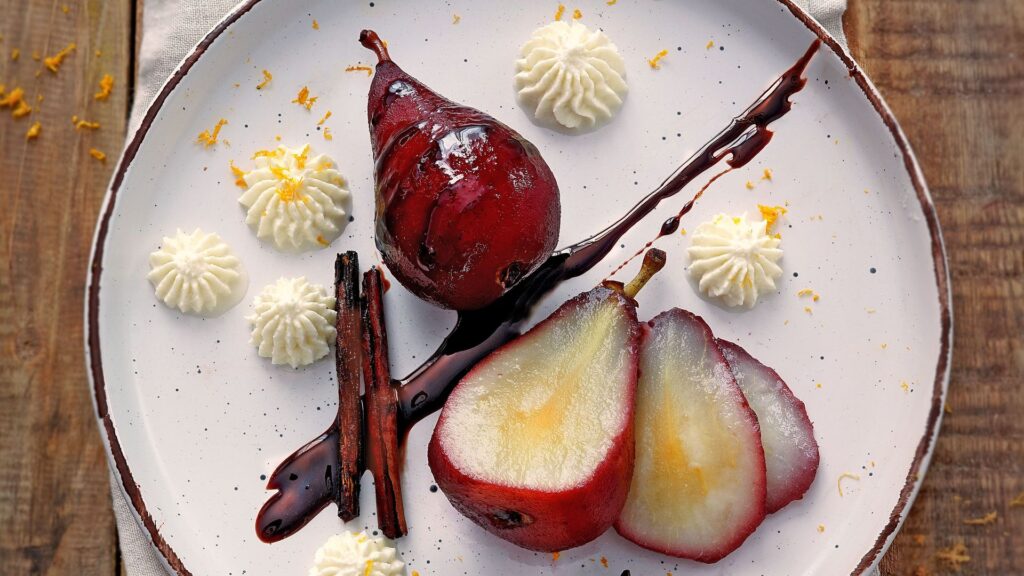
Dessert: pears in red wine with mascarpone cream. The pears are poached over a low heat in wine with spices and citrus peel, and then the liquid is reduced to a thick syrup. They're served with mascarpone cream. The dessert takes about two hours including cooling - and that's the good news: it can, and in fact should, be made the day before, so the pears soak up the wine.
Two tips hold the menu together: choose pears that are properly ripe - for baking and poaching, slightly firmer ones are better than very soft ones, which fall apart - and organise the work in advance. The dough and the dessert can be prepared the day before, so on the day of the guests only the oven and the pan are left. A menu without a host running between the stove and the table - that's the real luxury.
The latest 10 news from this category
Legend has it that it was born from a French pastry cook's mistake around 1613. Today it's the fastest route...
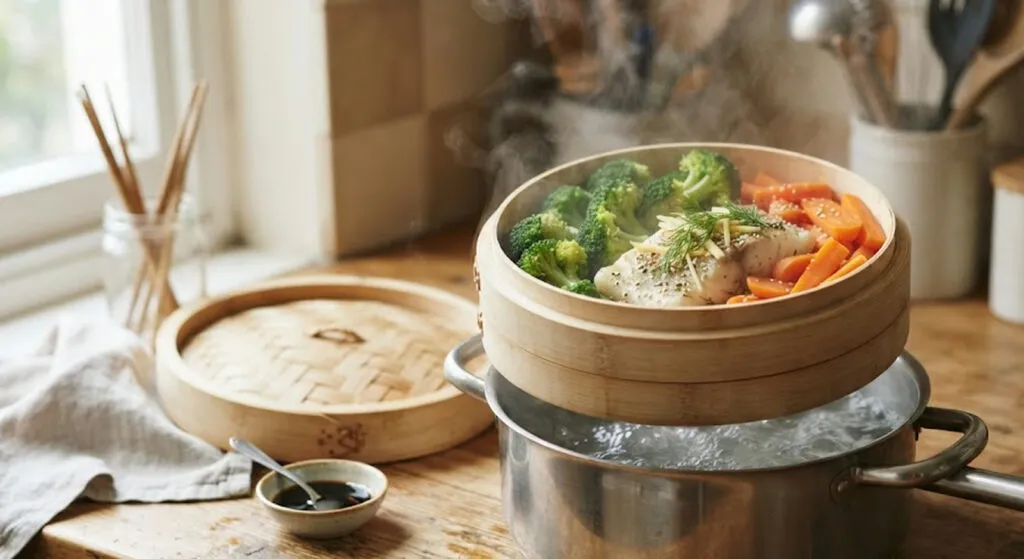
If "steamed" means bland hospital vegetables to you, the problem isn't the technique - it's the minutes. Here are the...
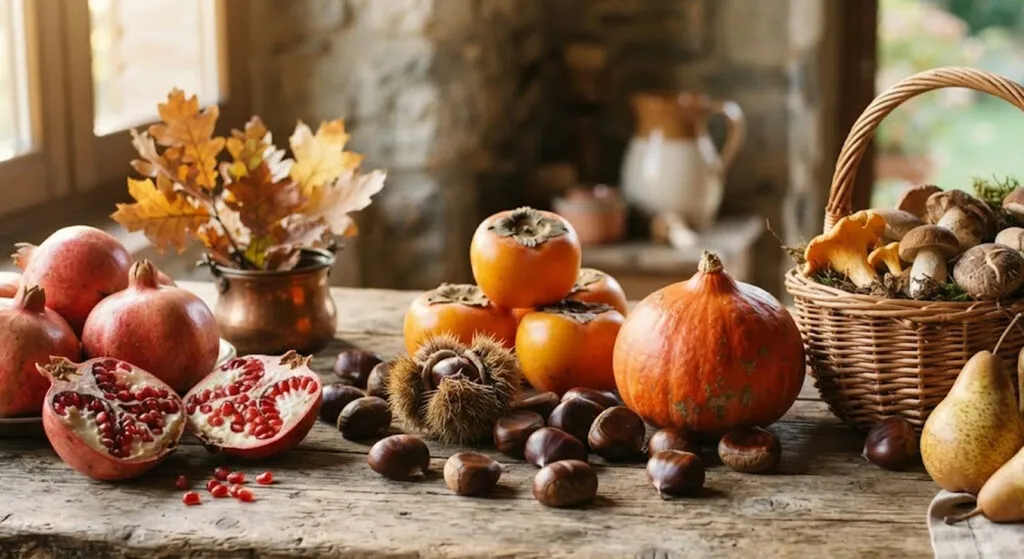
The markets are filling up with quinces and pumpkins, hunting season is opening, and after the first rains the mushrooms...

The world's fifth-best restaurant isn't closing because of empty tables, but to have time to think. The team's wages keep...
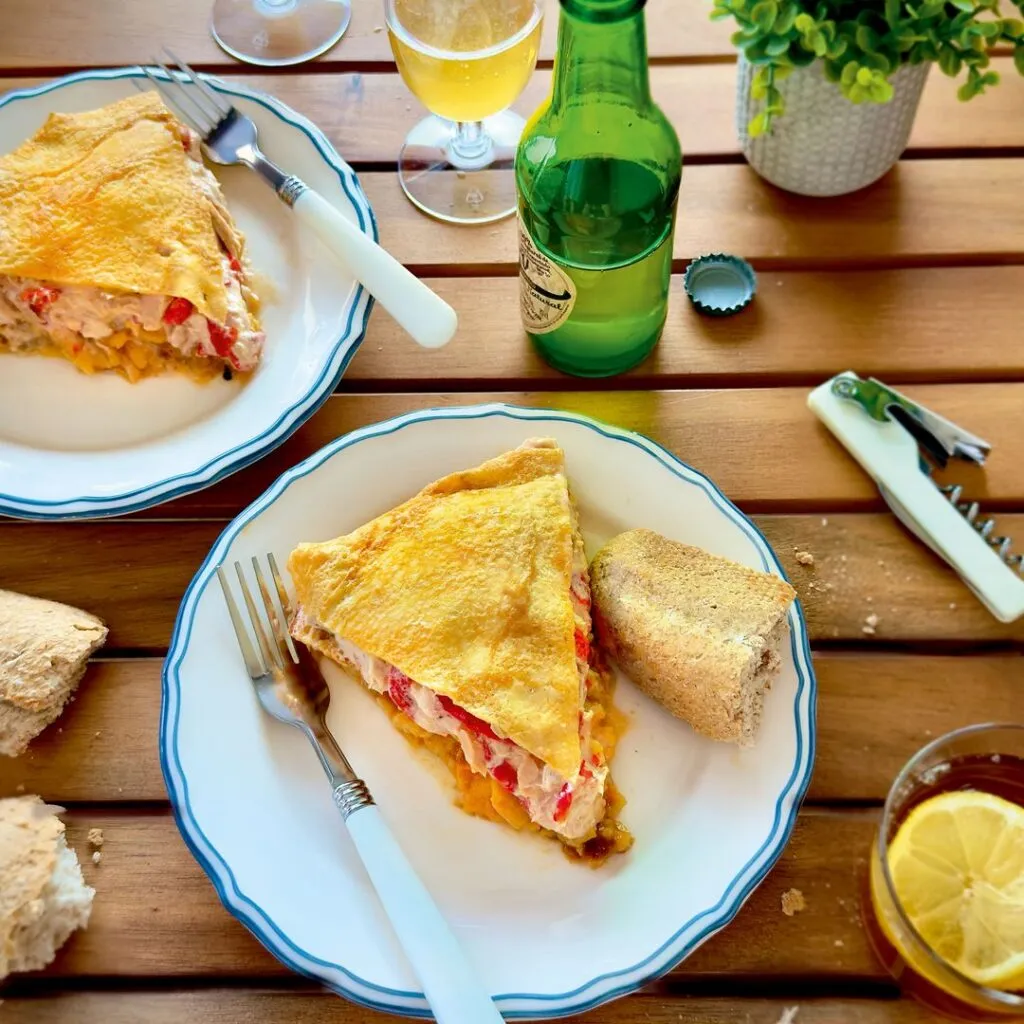
The potato isn't fried brown, it is slowly poached in oil - that is the base. Then comes the "hat":...
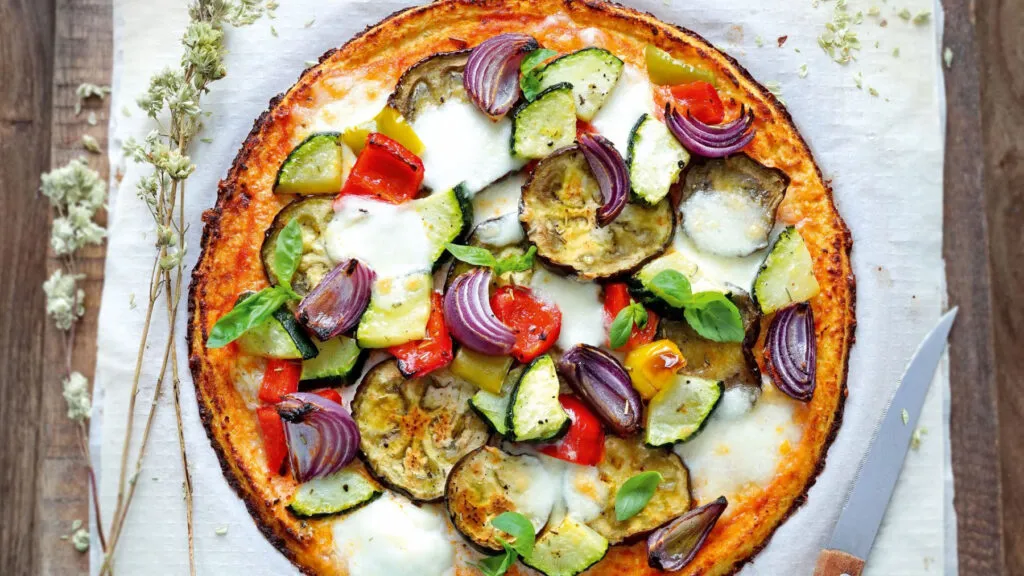
We reduced cauliflower to boiled greens with béchamel. But it can be a crispy pizza base and a "steak" you...
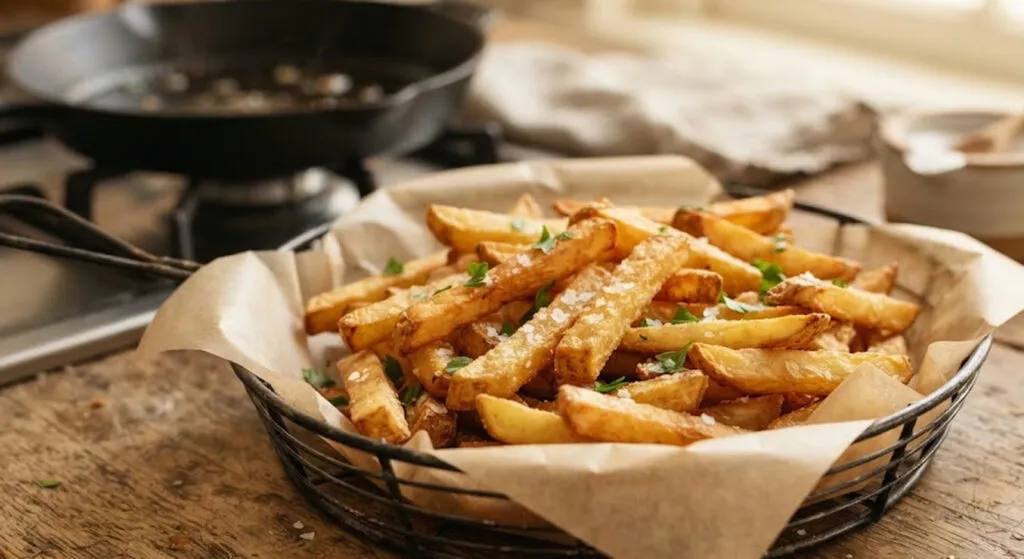
The right potato, half an hour in cold water, and salt the moment they come out of the oil. Five...
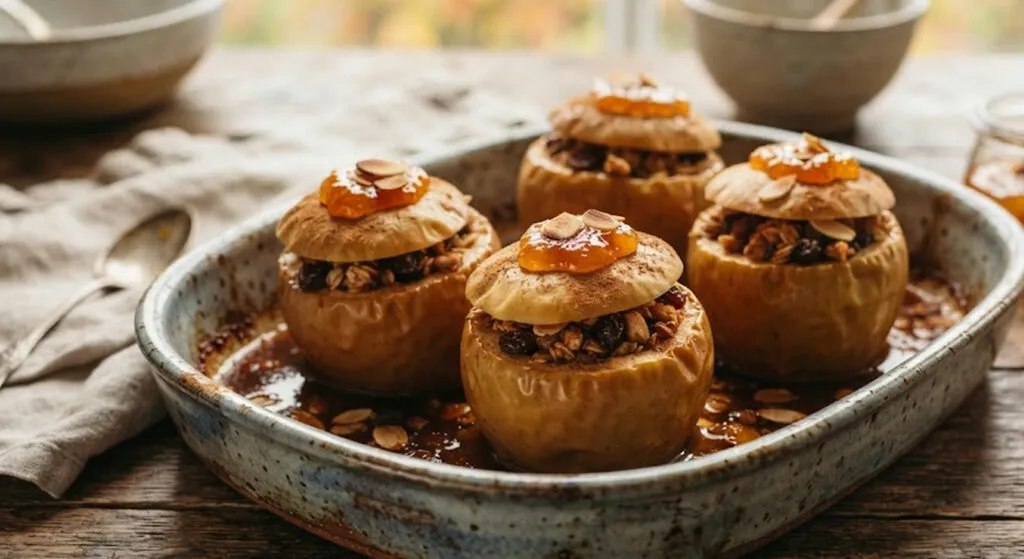
One hour at 200 degrees and the autumn dessert is done. The secret is in choosing the apple - and...
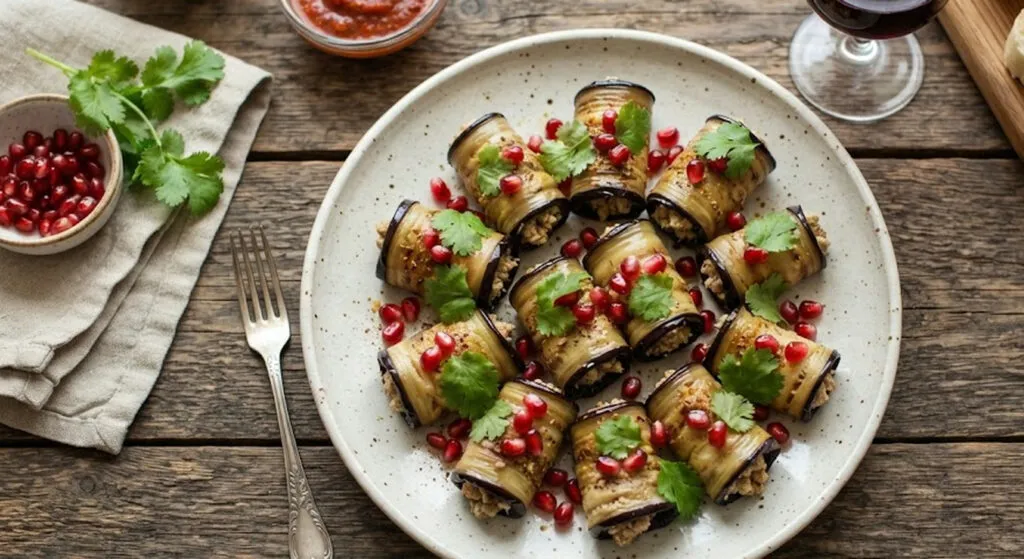
Aubergine, walnuts, garlic and coriander - ingredients autumn brings to every market. The Georgians turn them into one of their...
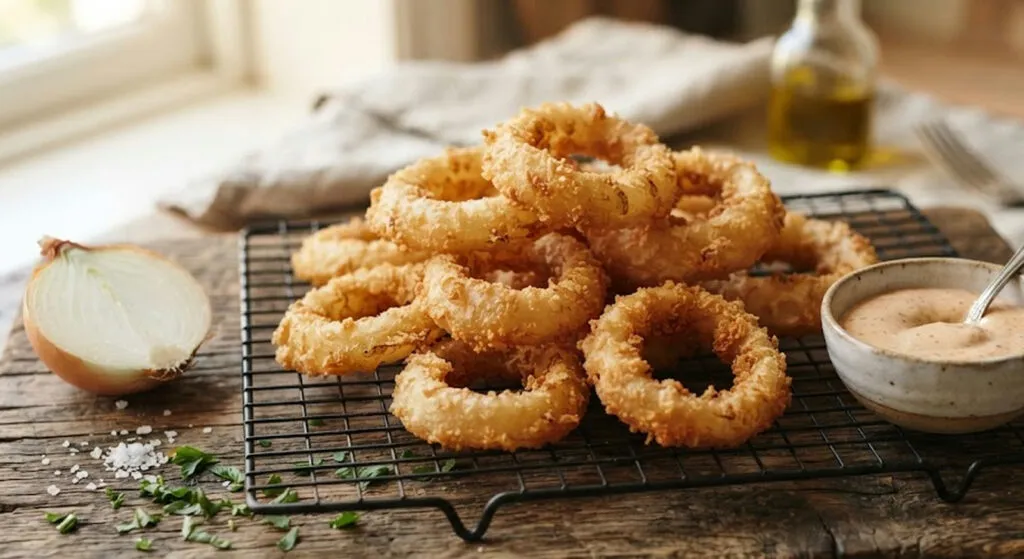
The cheapest bar snack there is gets ruined by one mistake - an overcrowded pan. Ice-cold sparkling water, cornflour and...
This site uses cookies - is that okay? Learn more
Be the first to know when Metla launches something new
Leave your email and we will write when there is a new guide or something new on Metla.

