

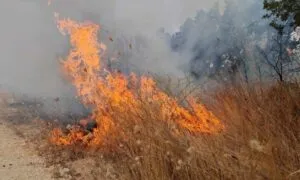
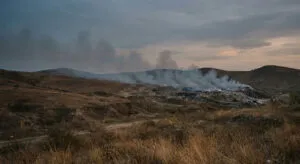
It's October, and Macedonia Is Still Burning: 30 Fires in a Single Day, Five of Them at Landfills and Rubbish Dumps
09.10.2026


09.10.2026
09.10.2026
09.10.2026
09.10.2026
09.10.2026
09.10.2026
09.10.2026

08.10.2026
08.10.2026

09.10.2026

09.10.2026
08.10.2026
09.10.2026

09.10.2026

09.10.2026

09.10.2026
08.10.2026

07.10.2026

09.10.2026

09.10.2026
09.10.2026
09.10.2026

09.10.2026
08.10.2026
09.10.2026

08.10.2026

07.10.2026
08.10.2026
06.10.2026

05.10.2026

23.04.2026

23.04.2026

12.04.2026

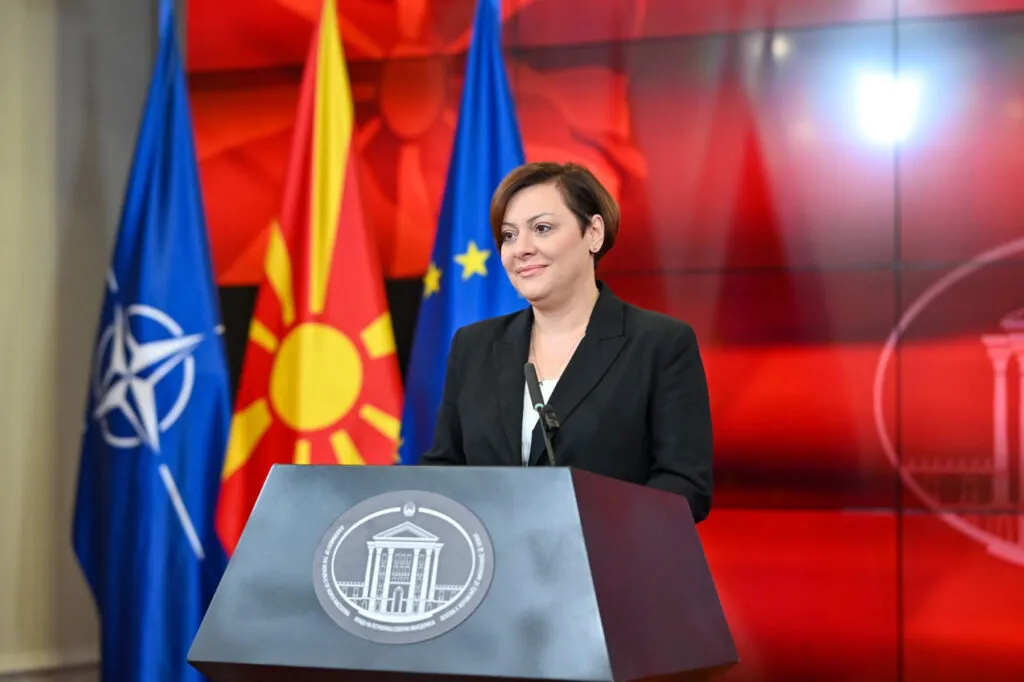
A second budget revision in a single year. The first came in July, and now the government is recutting the state coffers again: revenue drops by around 5.3 billion denars, or 86 million euros, and spending by the same amount. The deficit doesn't budge - it stays at 46.3 billion denars, around 753 million euros or 4.1 percent of GDP.
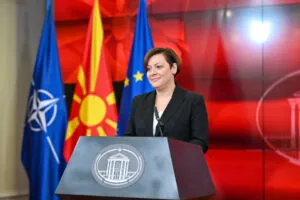
Where the money vanished from the revenue side is no secret. The excise projection falls from 34.1 to 30.4 billion denars, and total tax revenue from 213.3 to 209.8 billion. That's the price of the cut excise duties on petrol and diesel and of VAT on diesel, which dropped from 18 to 10 percent. Finance Minister Gordana Dimitrieska-Kočoska calls it direct support for citizens and the economy.
Who pays for the support
If revenue falls and the deficit stays the same, something else has to fall. That something is investment. Capital spending is cut by around 5.7 billion denars, or more than 92 million euros. The government insists that projects already under way won't be stopped; what gets postponed are those that haven't started or got stuck on technical and administrative obstacles.
The biggest losers are the Ministry of Energy, with around 1.9 billion denars meant for paying contracts abroad, and the Ministry of Environment, with around 1.5 billion. There are also cuts at the Ministry of Finance and the Directorate for the Execution of Sanctions. Health and social protection, on the other hand, get more money.
The minister gave neither a full list of the projects getting less money nor new deadlines for them. And asked about reserves for new aid if energy prices keep rising, her answer was that there are no such "buffers".
Two stories about one treasury
The minister claims the revision is not the result of a liquidity problem and that the money for salaries and pensions is secured. The opposition SDSM claims the opposite - that by the end of the year there won't be money for regular expenses, and that two revisions in one year mean the projections were unrealistic from the start. New borrowing, according to the government, is for interest and for repaying existing debt.
The numbers, though, say something neither side can argue with: for fuel to stay cheaper today, 92 million euros of capital projects are being pushed to tomorrow, and among the biggest losers is precisely the Ministry of Environment. Maybe that's the right choice. But when the postponed projects' turn finally comes, who will remember why they're late?
The latest 10 news from this category
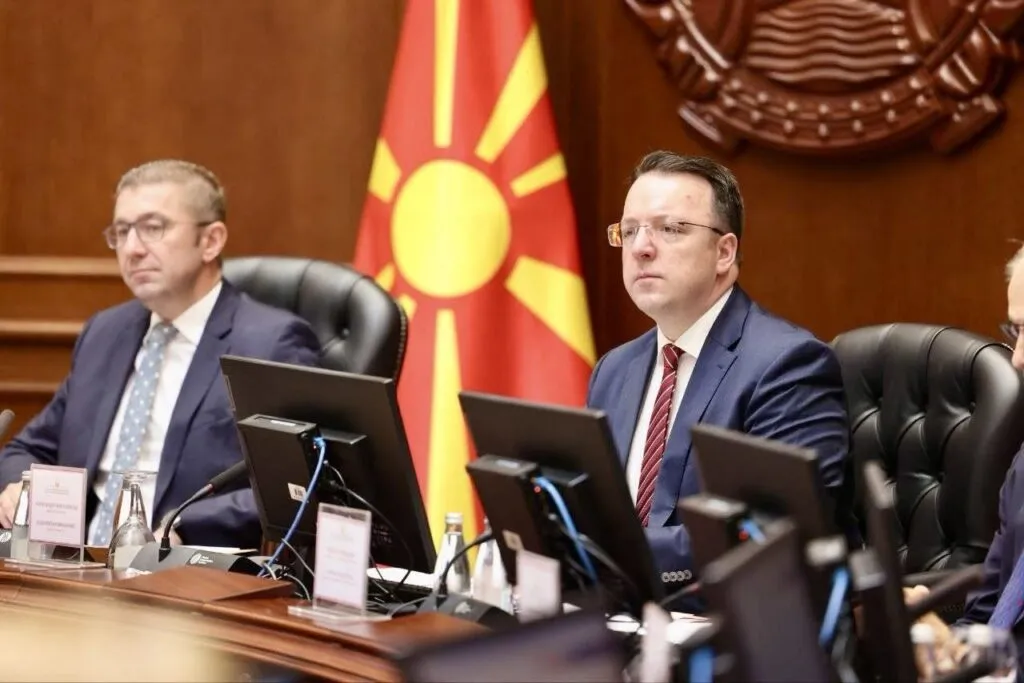
Nikoloski says the culprit isn't a plot against Balkan hauliers but slow European bureaucracy. There is a fix - but...
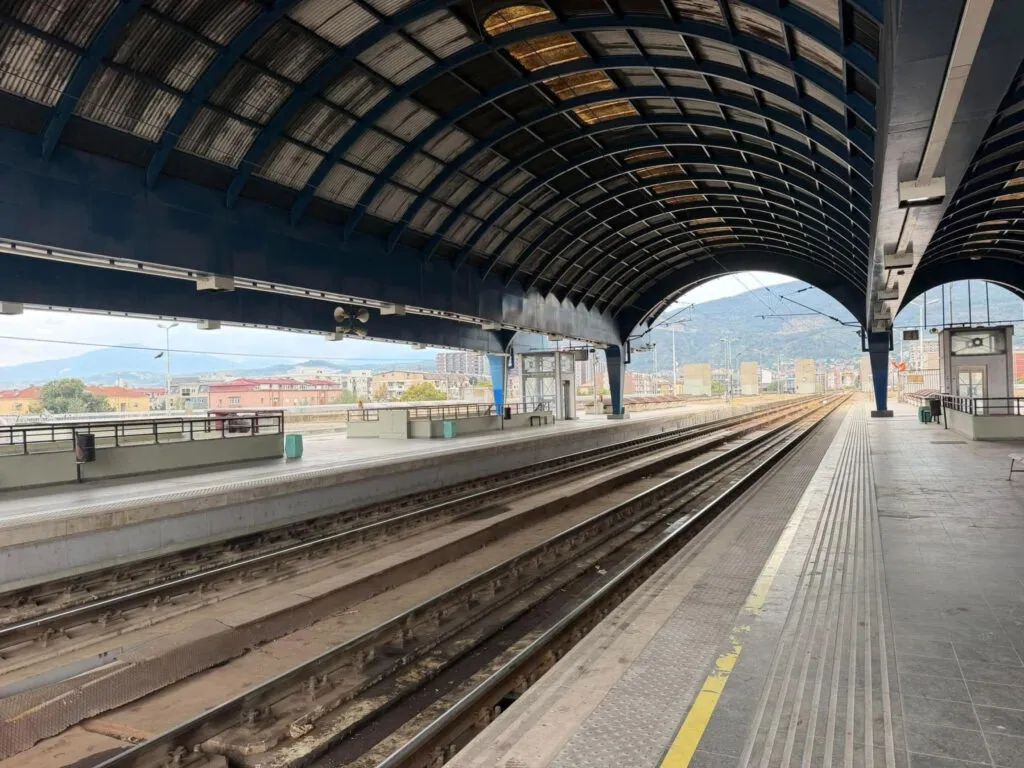
Nikoloski counts more than 10,000 vehicles a day to and from Kosovo and promises less pollution. But the line is...
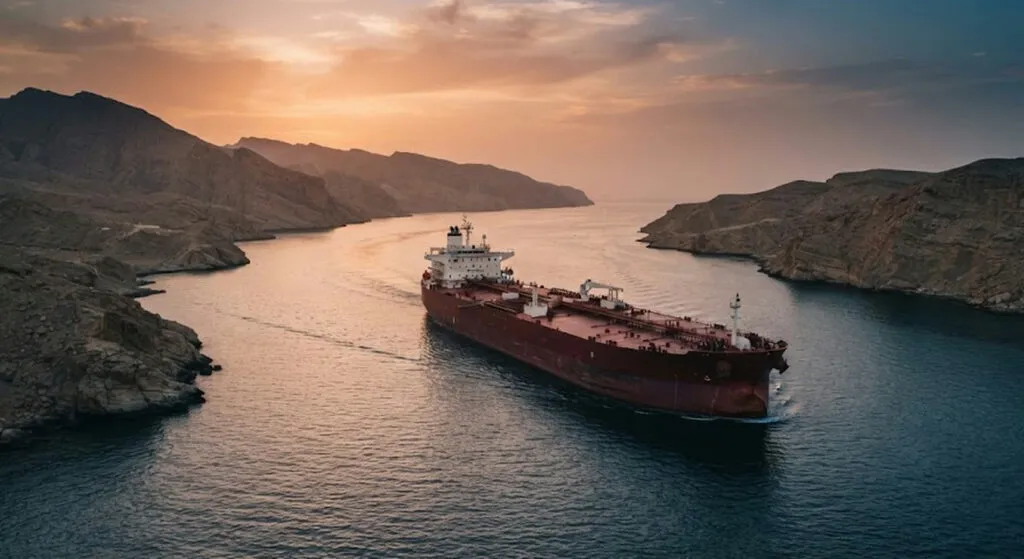
A barrel rose 3.7 percent in a single morning, European stock markets fell and gold is above 4,100 dollars. Markets...
A company worth trillions of dollars is now accused of green card fraud. Vance told it to hire Americans, and...

From university project to 3.1 billion dollars in three years. Arena ranks AI models, and the labs whose models it...
The worst embarrassment for a company: hackers writing to its customers through its own app. Asos has 17 million customers,...
As of October 6, the deficit stands at 50.2 billion denars, almost 4 billion above the annual plan the government...
Monthly inflation is zero, but food went up 0.5 percent, for the second month in a row. The prime minister...
3.3 million passengers in nine months and 29 percent growth. But almost two out of every three passengers in Skopje,...
Built to protect teenagers from emotional dependence, the bot answered the line "my friends say I talk to you too...
This site uses cookies - is that okay? Learn more
Be the first to know when Metla launches something new
Leave your email and we will write when there is a new guide or something new on Metla.

