


Head of Bitola's Higher Prosecution Office Loses His Passport: Suspected of Lobbying for Lighter Sentences in at Least Four Cases
08.10.2026


08.10.2026
08.10.2026

08.10.2026
08.10.2026

08.10.2026
08.10.2026

08.10.2026

08.10.2026

07.10.2026

08.10.2026

08.10.2026

07.10.2026

08.10.2026

08.10.2026

08.10.2026

08.10.2026

07.10.2026

06.10.2026

08.10.2026

08.10.2026

08.10.2026

08.10.2026

07.10.2026
07.10.2026

09.03.2026

27.02.2026

19.02.2026

08.10.2026

07.10.2026

06.10.2026
08.10.2026

06.10.2026

05.10.2026

23.04.2026

23.04.2026

12.04.2026

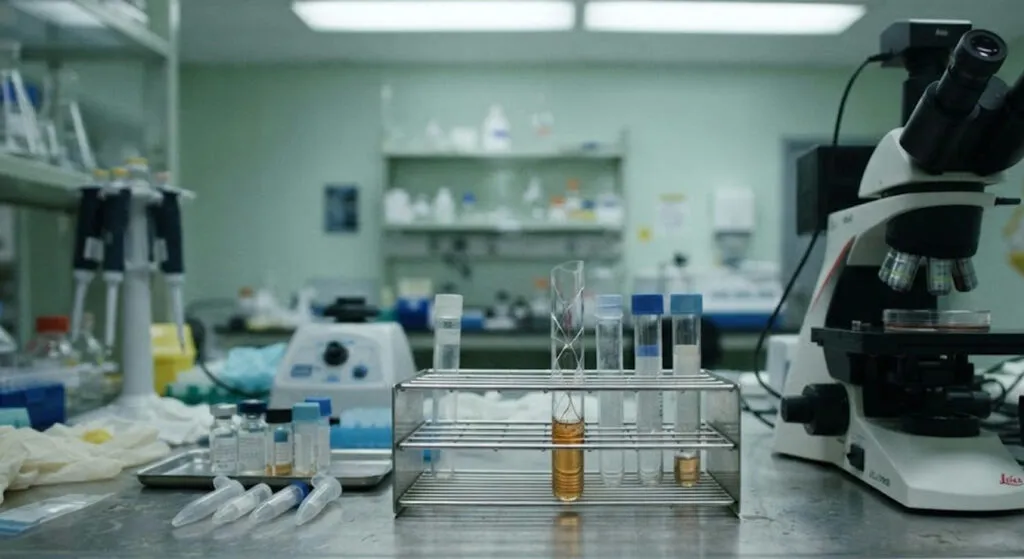
Darya Shipilova was 28 and worked at the Irkutsk Anti-Plague Research Institute of Siberia and the Far East. On September 29 she was hospitalised with severe pneumonia, and on the night of October 2 she died at the district hospital in Shelekhov. The official diagnosis from the Russian health authorities reads: "pneumonia of unknown etiology".
The US embassy in Moscow didn't wait for conclusions. It issued a special alert for American citizens, explaining that it was aware of "reports from the Irkutsk region of a suspected fatal case of pneumonic plague". It mentioned quarantine measures and restrictions at the hospital and reminded citizens of the State Department's highest, Level 4 advisory: do not travel. An older advisory also remains in force telling US citizens in Russia to leave the country immediately.
What's confirmed and what's being whispered
The governor of the Irkutsk region, Igor Kobzev, first reported a suspected "particularly dangerous infection". Anna Popova, head of the sanitary watchdog Rospotrebnadzor and Russia's chief state sanitary doctor, flew urgently to Irkutsk, after which an emergency session of the sanitary-epidemiological commission was held. The head of Shelekhov district, Maxim Modin, confirmed that restrictions have been in place since October 1, and several hospital wards stopped admitting and discharging patients.
Local sources spread a theory that on September 25, while at work, Shipilova may have broken a test tube containing the plague pathogen. That theory became the basis for a series of reports about a lab accident, but it has not been officially confirmed. Rospotrebnadzor says the commission found no incidents in work with pathogenic microorganisms and that the biopsy samples contain no microorganisms linked to her work.
Here's the paradox. The cause of death is "unknown", but the authorities are certain what it isn't. When an institute whose job is fighting plague can't say publicly what its own employee died of, the distrust doesn't come from conspiracy theories - it comes from the gaps in the statements.
Around 200 people under observation
About 200 people who had been in contact with the deceased were placed under medical observation. By the evening of October 5, Rospotrebnadzor reported two cases of Covid-19 and two cases of rhinovirus infection, but no other pathogens of dangerous infectious diseases. By October 6, observation of about 60 percent of the contacts had been ended.
Pneumonic plague is caused by the bacterium Yersinia pestis. Unlike the more common bubonic form, it spreads from person to person through respiratory droplets. Untreated, it can kill very quickly, but modern antibiotics are effective if given in time.
The world still remembers the weeks when "pneumonia of unknown cause" was just a phrase in a statement from Wuhan, not the headline on every front page. That's why a wording like that gets read twice today. Whether Irkutsk is a closed story or just a quiet one will be shown by the coming weeks, not the coming statements.
The latest 10 news from this category

Ambassadors meet without mobile phones and discuss the day sabotage will kill EU citizens. And it's still unclear who will...

The first royal to challenge legal proceedings since Charles I in 1649 - and Buckingham Palace has said it won't...

It started with complaints about missing teachers and crumbling classrooms. It has reached tear gas, grenades and over 6,500 detentions,...
In 2009 Nidal Malik Hasan killed 13 unarmed soldiers at a base in Texas. Now the Pentagon is announcing a...

215 pupils injured, over 6,000 arrested and a boy without a hand - and Trump sees only Islam in all...
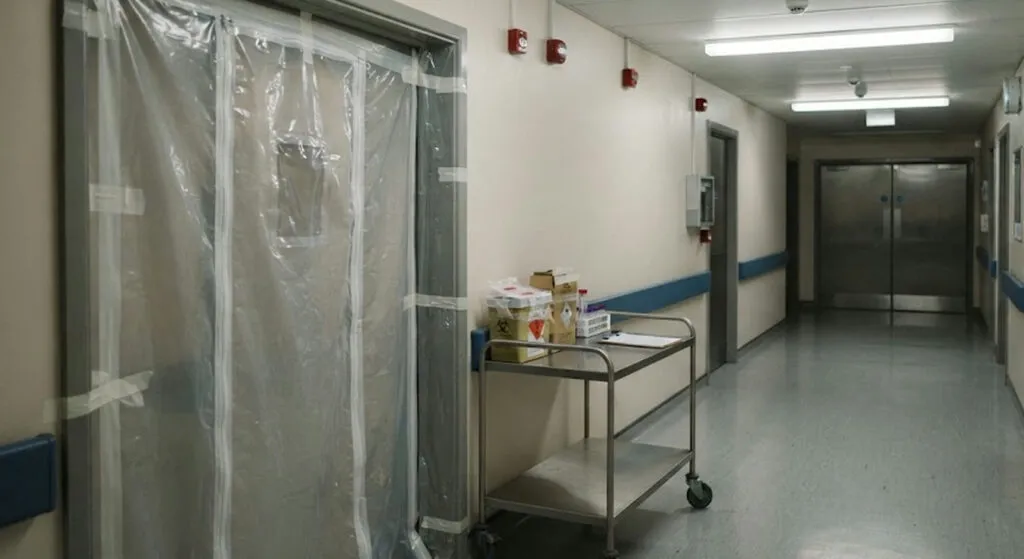
Officially - pneumonia of unknown origin. Unofficially - a broken test tube containing plague bacteria. Eastern Europe remembers Moscow's silence...

Oman Air had grounded him over extremist views, then Flydubai hired him and put him in the cockpit of a...
Iceland, the Netherlands, Finland and Britain are already calculating what it would mean if the ocean pump that keeps Europe...

The King's brother, arrested on his 66th birthday over his Epstein ties, wants a court to rule whether police were...

European diplomats called it blackmail - and then gave in within a day. If Berlin and Paris crack after a...
This site uses cookies - is that okay? Learn more
Be the first to know when Metla launches something new
Leave your email and we will write when there is a new guide or something new on Metla.