
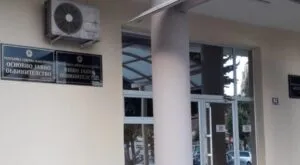
Senior prosecutor's office in Bitola searched: unofficially, the trail leads to Markovski's passport
07.10.2026


07.10.2026
07.10.2026
07.10.2026
07.10.2026
07.10.2026
07.10.2026

07.10.2026
06.10.2026

06.10.2026

07.10.2026

07.10.2026

06.10.2026

07.10.2026

07.10.2026

07.10.2026

07.10.2026

06.10.2026

05.10.2026

07.10.2026

07.10.2026

07.10.2026

07.10.2026

07.10.2026

06.10.2026

09.03.2026

27.02.2026

19.02.2026

07.10.2026

06.10.2026

05.10.2026
06.10.2026

05.10.2026

04.10.2026

23.04.2026

23.04.2026

12.04.2026

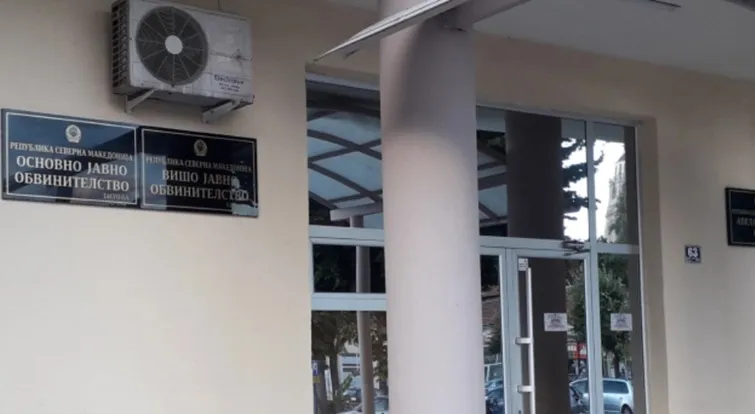
Last night in Prilep, police detained a prosecutor from the Higher Public Prosecutor's Office in Bitola. Official confirmation soon followed: the Public Prosecutor's Office for Organised Crime and Corruption had obtained court warrants to search his home and his office at the Bitola prosecutor's office.
The suspicion is a heavy one for a man whose job is prosecuting crime: accepting a reward for unlawful influence, a criminal offence under Article 359 of the Criminal Code. The searches are being carried out by interior ministry officers, and the prosecution said it would release more details once the operation is over.
No name has been given officially. Unofficially, the case is linked to the return of businessman Borche Markovski's passport. It's not an unfamiliar name. Markovski is the first defendant in a case over abuses involving a tender worth more than 1.7 million euros at REK Bitola, the state power plant. He was released from detention on a guarantee of more than 5 million euros, and then a court in Struga gave him his passport back. He then left for Serbia, and in August his defence said he had travelled on business and returned to Bitola.
Whether the link between the arrest and the passport is confirmed, the proceedings will show. But the picture is uncomfortable even without confirmation: prosecutors with a court warrant walking into a prosecutor's office. An institution meant to guard the law is now searching its own backyard.
There is another side to it. If the anti-corruption prosecutors really are going after their own colleagues, that's news rarely heard in the Balkans. The question is whether the case will make it to court and to a verdict, or stay at the press-release stage. And one more: how does anyone decide to hand back the passport of a defendant released on a five-million-euro guarantee in the first place?
The latest 10 news from this category
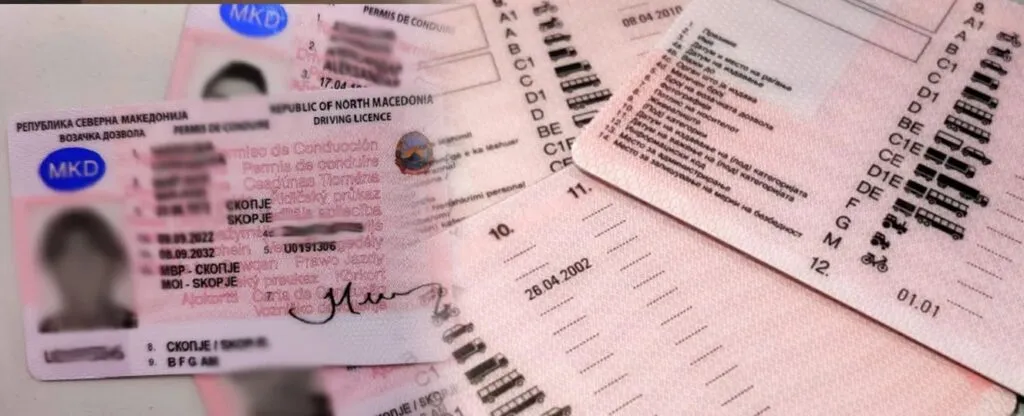
From early 2025 to the end of August 2026, the interior ministry's system issued categories to people who didn't meet...
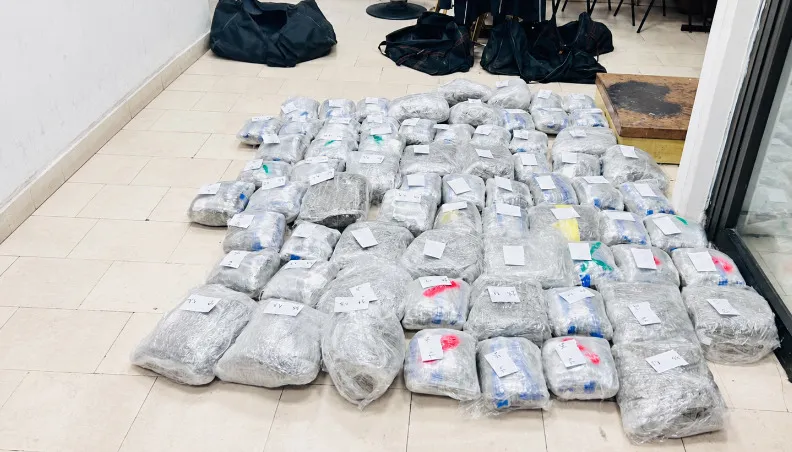
A truck from Bosnia entered with steel profiles bound for Greece, and in Macedonia it was "topped up" at an...
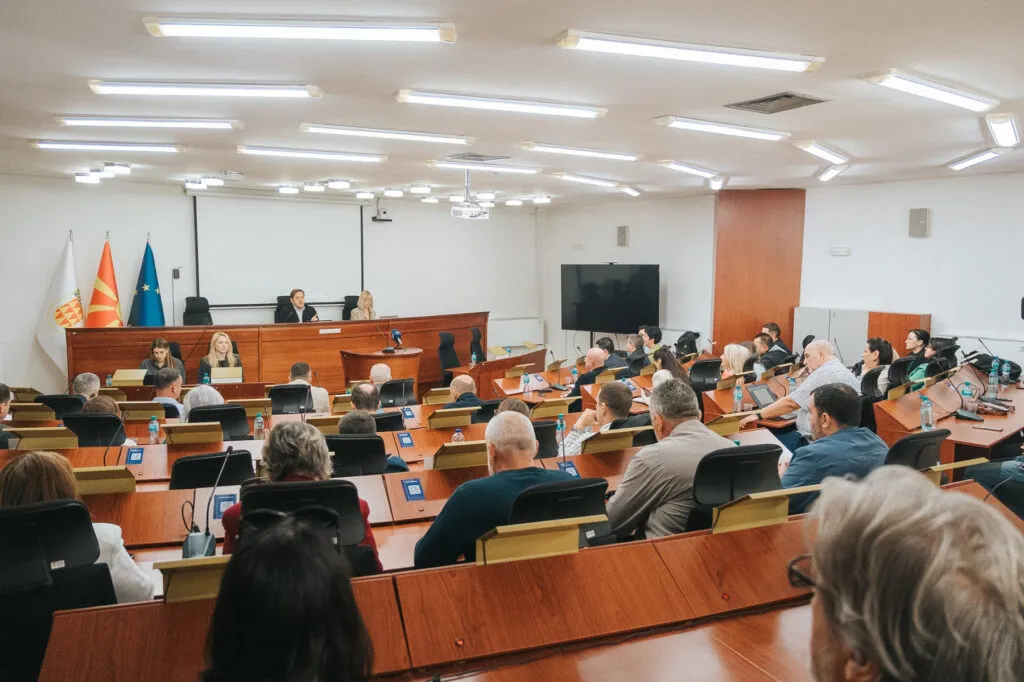
Since 2020 the country has been planned according to an expired document. Now, in Bitola, they're promising a motorway to...
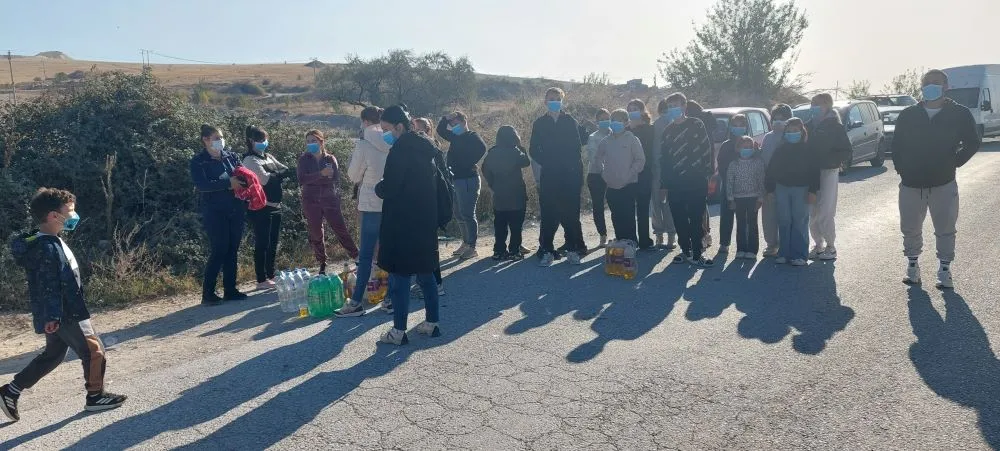
They were promised firefighting machinery would arrive by 2 October. It didn't. So now the trucks carrying Kumanovo's rubbish are...
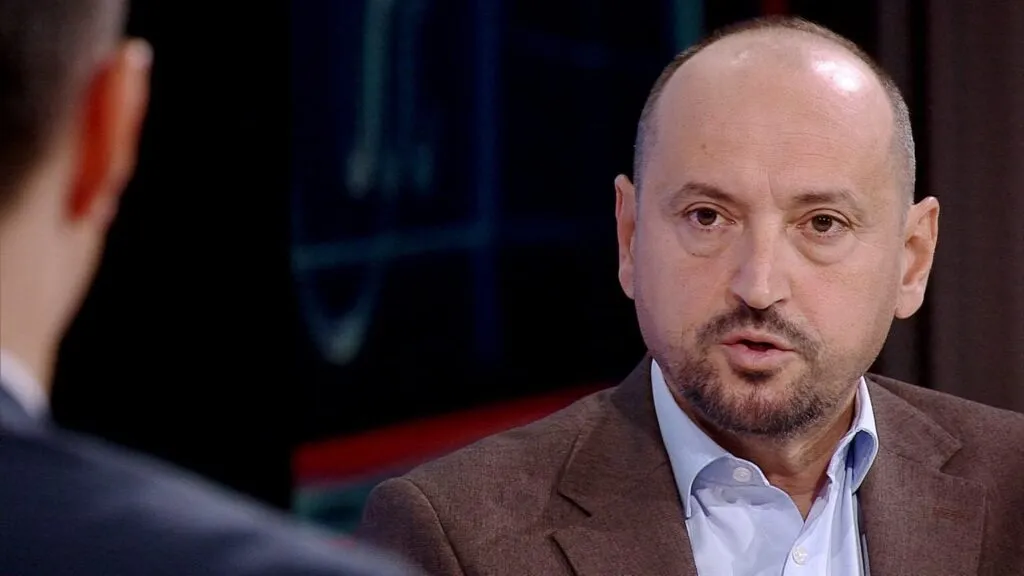
Filipche offered him a post, and Bitiqi answers him in public with a lesson in the culture of speech. In...
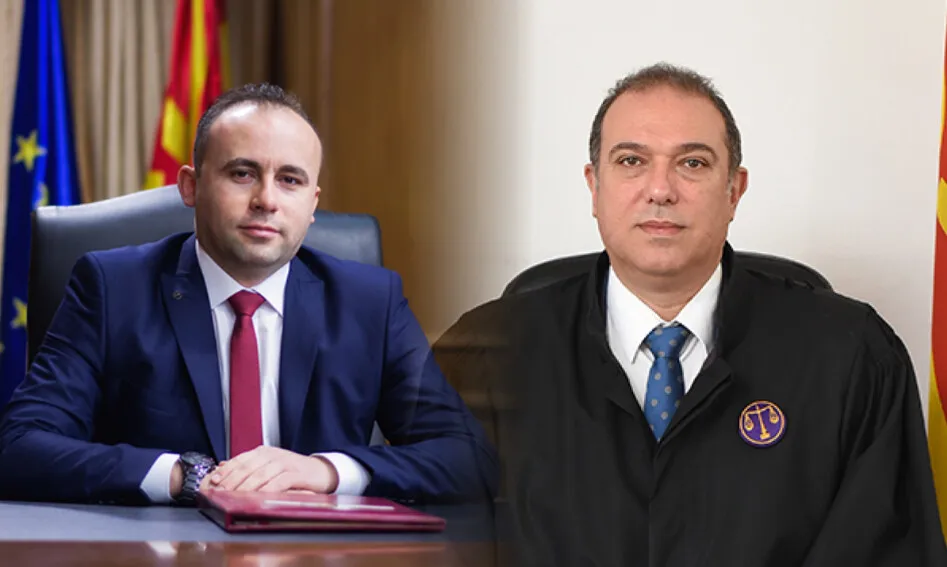
Convicted under a plea deal, he now claims the deal was "the lesser evil". The prosecution says it has electronic...
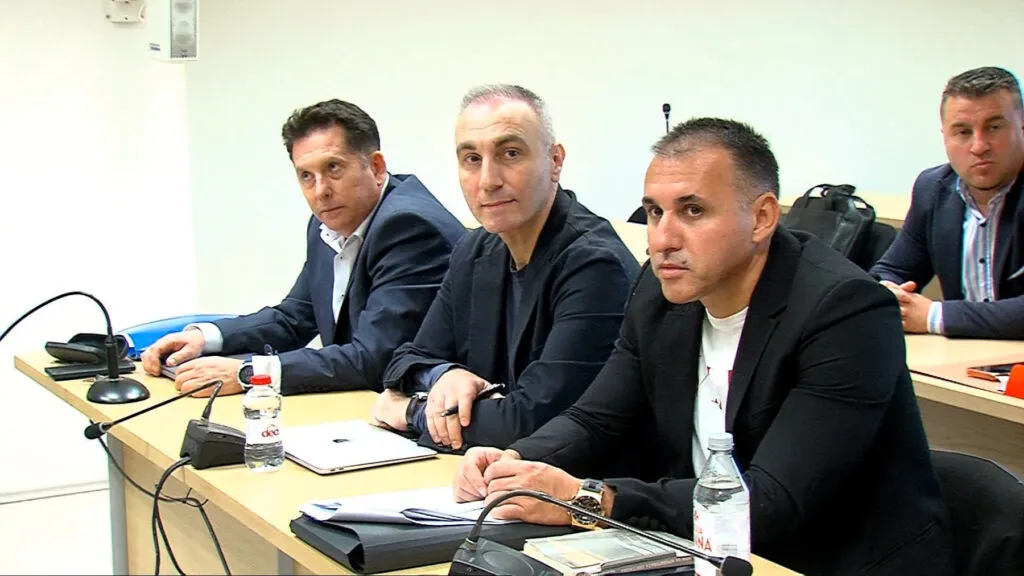
The deadline is written in the law, while the parties argue over who's to blame. In the "State Lottery" case...

Von der Leyen advised talking, Skopje sent a diplomatic note, Sofia answers through the media. The prime minister declared the...
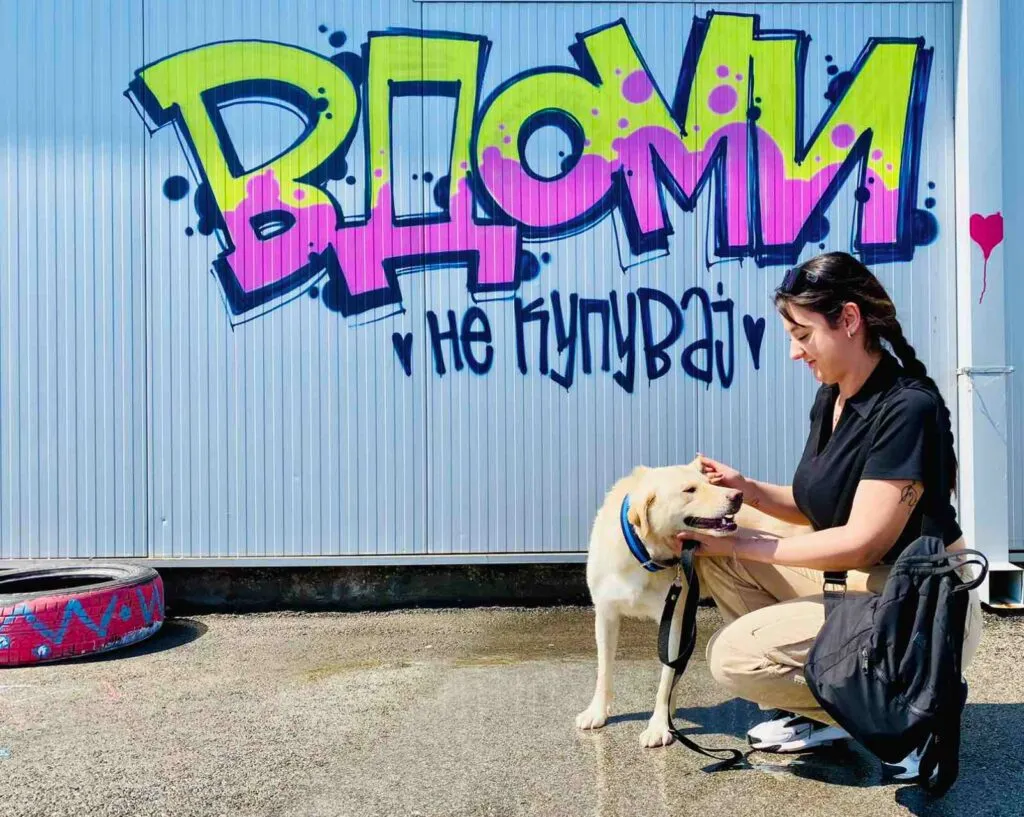
Four crews, shifts from 5 am to 8 pm and 44 dogs adopted. But most of the animals caught ended...
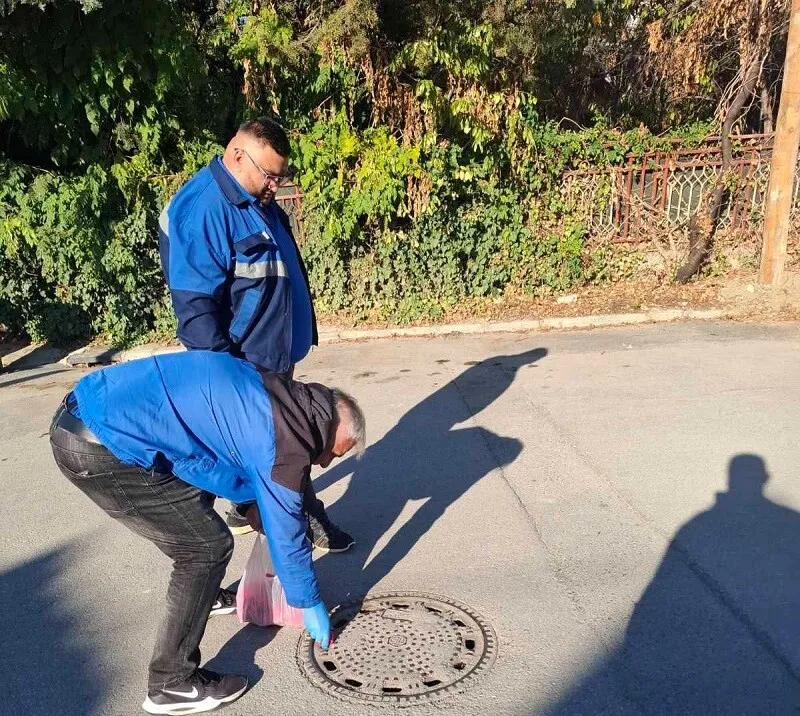
Rats don't keep a calendar, but the municipality does. The campaign runs until the end of the year, and the...
This site uses cookies - is that okay? Learn more
Be the first to know when Metla launches something new
Leave your email and we will write when there is a new guide or something new on Metla.