

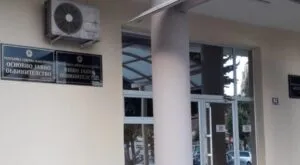
Senior prosecutor's office in Bitola searched: unofficially, the trail leads to Markovski's passport
07.10.2026


07.10.2026

07.10.2026
07.10.2026
07.10.2026
07.10.2026
07.10.2026

07.10.2026
06.10.2026

06.10.2026

07.10.2026

07.10.2026

06.10.2026

07.10.2026

07.10.2026

07.10.2026

07.10.2026

06.10.2026

05.10.2026

07.10.2026

07.10.2026

07.10.2026

07.10.2026

07.10.2026

06.10.2026

09.03.2026

27.02.2026

19.02.2026

07.10.2026

06.10.2026

05.10.2026
06.10.2026

05.10.2026

04.10.2026

23.04.2026

23.04.2026

12.04.2026

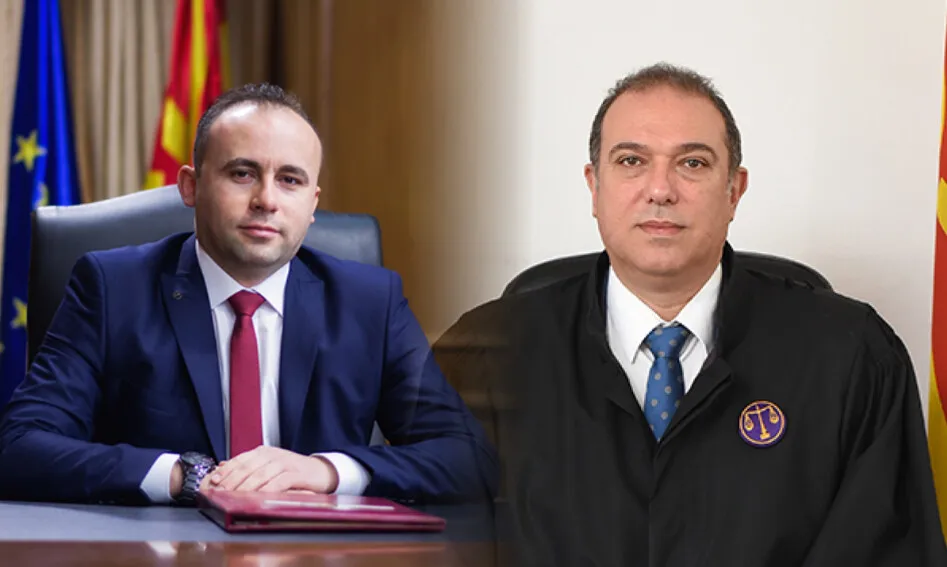
Fehmi Stafa, a former state attorney, is serving a prison sentence after pleading guilty to taking a total of 50,000 euros, while working as a lawyer, from the sister of Ljupcho Pecov - known as "the Devil" - in order to pass it on to judge Gjoko Ristov. He was brought from Shutka prison to the Criminal Court as a witness for Ristov's defence. And in front of the court, he said the opposite of what he had confessed.
"I never gave Gjoko Ristov money in any case," Stafa testified. According to the indictment, he was caught receiving 20,000 euros outside the building where Pecov's sister lives. Stafa now claims it was his legal fee for representing Pecov, and that the additional 30,000 euros was a loan from Pecov himself.
So why did he confess? Because, he says, he was convinced he wouldn't leave his prison cell alive, and he chose "the lesser evil". He claims an investigator was aggressive towards him and that he was told he would "save himself" if he said the money was for Ristov. He aimed his allegations at prosecutor Iskra Hadzi-Vasileva and said he had filed complaints with Internal Control, the Council of Public Prosecutors and other institutions.
The prosecutor responded after the testimony. The case, she said, doesn't rest on statements alone, but on material and electronic evidence and on direct communication between those involved, including Stafa and Pecov. The files, according to her, also include proceedings over Stafa's conduct in prison, which led to disciplinary penalties for police officers who had been giving him phones. She described Pecov as a cooperating witness who "got off more lightly", which she called a legitimate tactic in the fight against organised crime.
The context matters. Judge Ristov is on trial after 350,000 euros of undeclared cash was found walled up inside his family house in Negotino. Pecov, meanwhile, received a suspended sentence more than a month ago.
So now we have a man who confessed and is serving his time, and who, as a witness, says the confession was extracted from him. Both versions can't be true at the same time. If what Stafa told the court isn't true, the court heard false testimony. If it is true, the problem is far bigger than one judge. Who is going to establish which it is - and when?
The latest 10 news from this category
Since 2020 the country has been planned according to an expired document. Now, in Bitola, they're promising a motorway to...
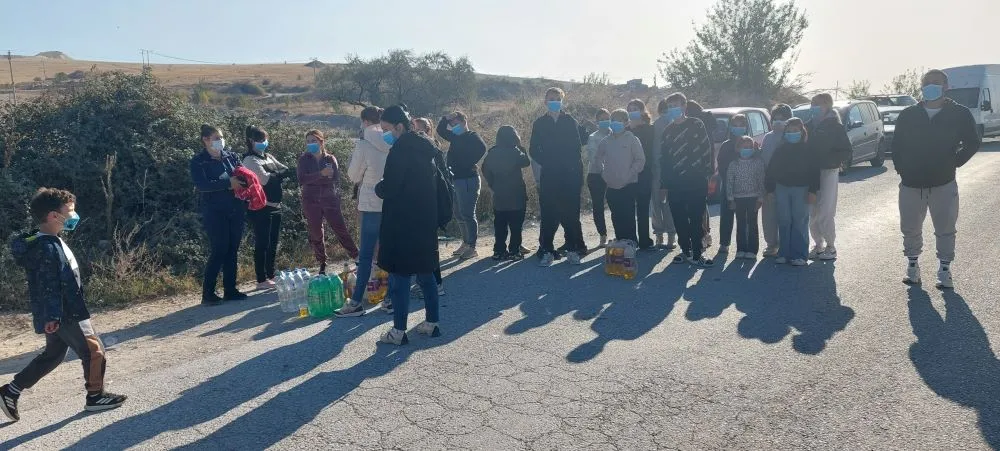
They were promised firefighting machinery would arrive by 2 October. It didn't. So now the trucks carrying Kumanovo's rubbish are...
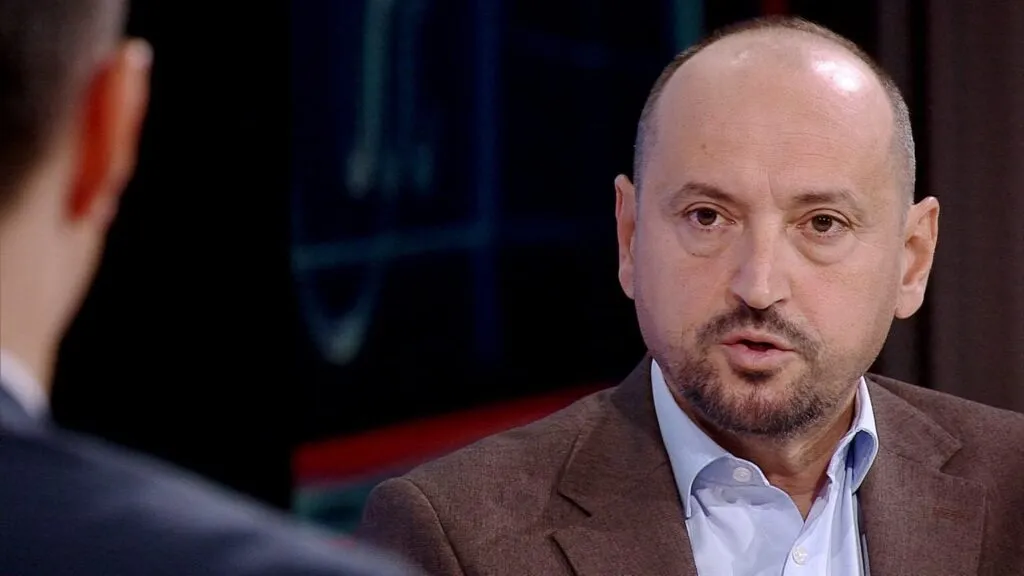
Filipche offered him a post, and Bitiqi answers him in public with a lesson in the culture of speech. In...
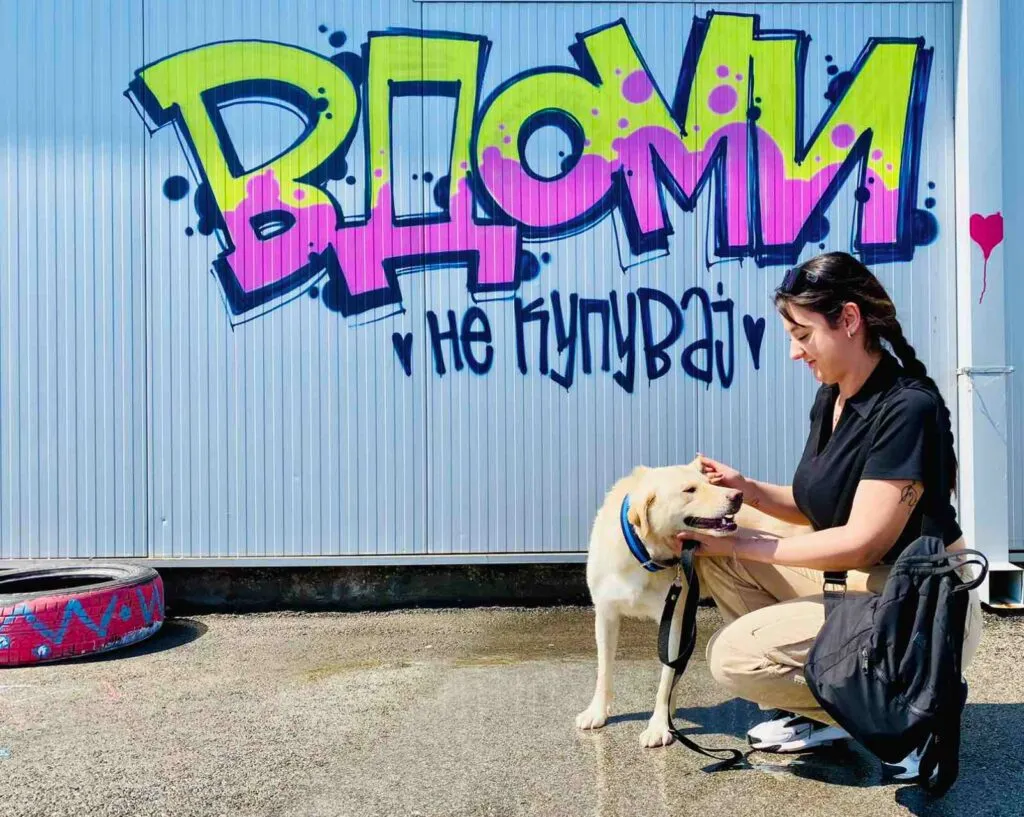
Four crews, shifts from 5 am to 8 pm and 44 dogs adopted. But most of the animals caught ended...
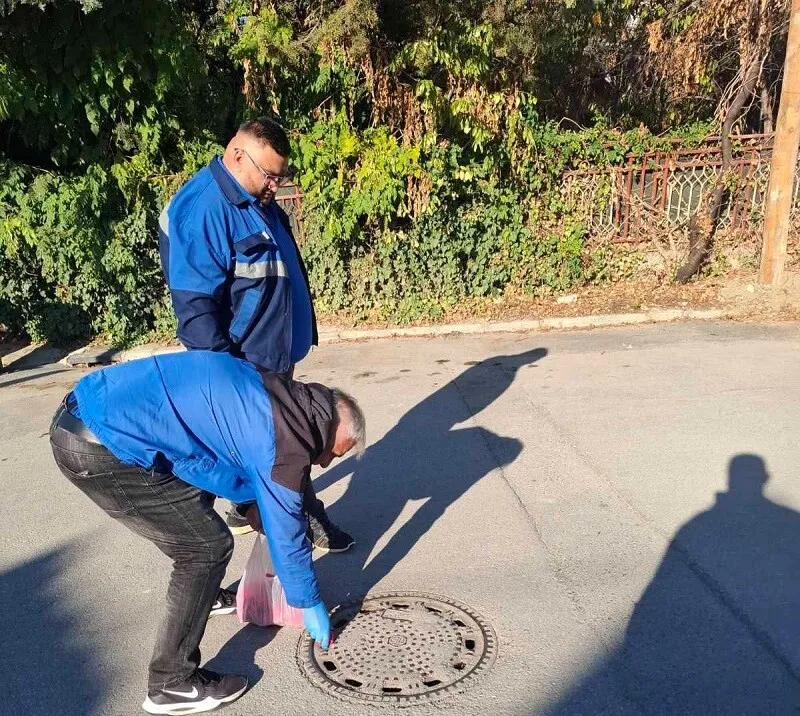
Rats don't keep a calendar, but the municipality does. The campaign runs until the end of the year, and the...

Three streets in the heart of Skopje, one broken valve and a deadline that reads "until the work is completed".

One of Skopje's oldest markets is changing its face without a word of explanation. Some say the City is behind...
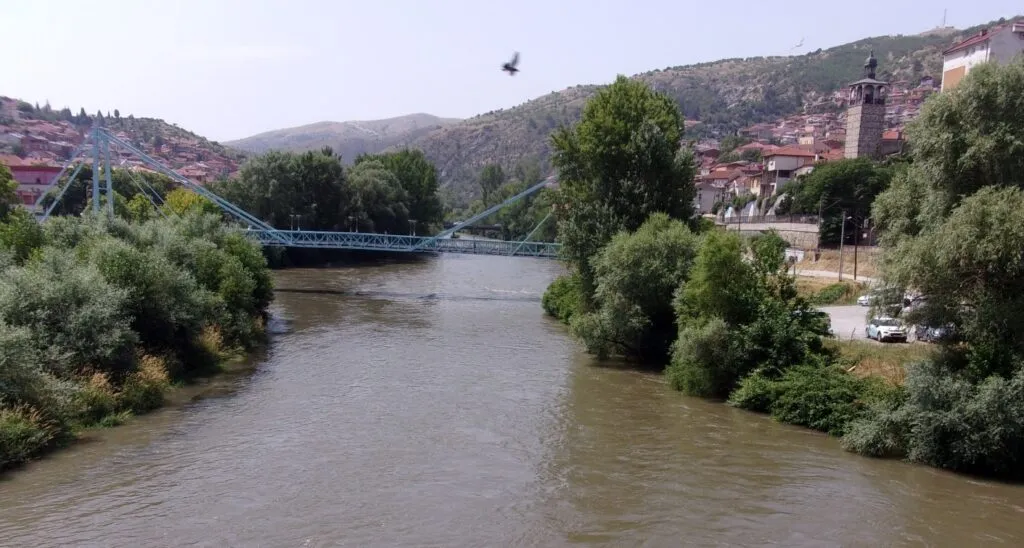
At both the entry and exit points of the town, tests found nitrites pointing to old and fresh faecal pollution....
Two years after the Mitrevska judgment, an association and MPs are demanding an end to the official secrecy around adoptions....
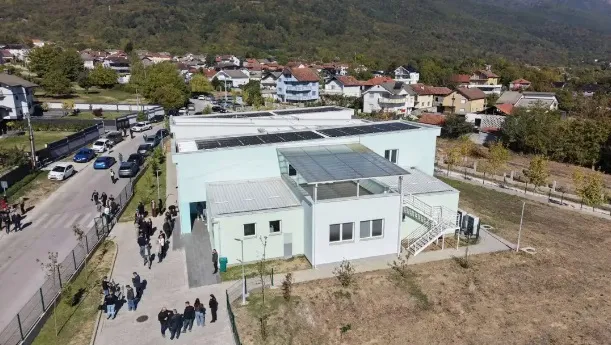
The building in Pršovce cost just over 800,000 euros, of which the municipality put in 165,000. The rest is European;...
This site uses cookies - is that okay? Learn more
Be the first to know when Metla launches something new
Leave your email and we will write when there is a new guide or something new on Metla.