


Senior prosecutor's office in Bitola searched: unofficially, the trail leads to Markovski's passport
07.10.2026


07.10.2026

07.10.2026

07.10.2026
07.10.2026

07.10.2026

07.10.2026

07.10.2026

06.10.2026

06.10.2026

07.10.2026
07.10.2026

06.10.2026

07.10.2026
07.10.2026

07.10.2026

07.10.2026

06.10.2026

05.10.2026

07.10.2026

07.10.2026

07.10.2026

07.10.2026

07.10.2026

06.10.2026

09.03.2026

27.02.2026

19.02.2026

07.10.2026

06.10.2026

05.10.2026
06.10.2026

05.10.2026

04.10.2026

23.04.2026

23.04.2026

12.04.2026

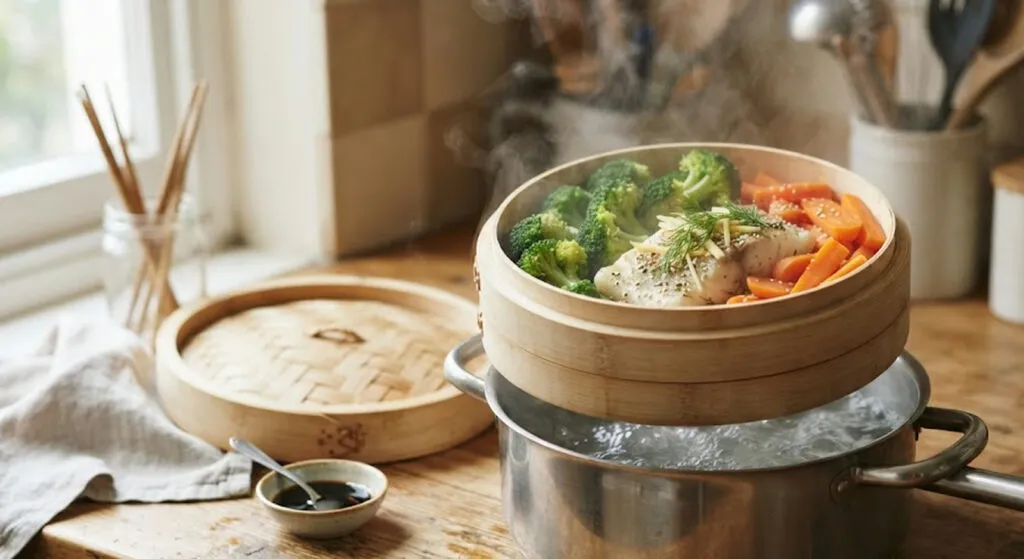
Steaming is older than any modern kitchen. Cultures around the world have cooked this way for centuries, with clay pots, leaves or bamboo baskets set over boiling water. The result is food with no added oil or fat and few calories - without sacrificing flavour or texture. If "steamed" means bland hospital vegetables to you, the problem isn't the technique, it's the minutes.
Why it's healthier
Steamed food is easier to chew and digest, which is a plus for people with stomach problems, for children and for older people. With no fat and cooked in its own juices, it's ideal for anyone trying to lose weight or with high cholesterol. Vegetables keep a brighter colour, and with it more of their nutrients - in many foods, more antioxidant power as well. The principle is simple: steam from a boiling liquid, usually water, cooks the food placed above it in a container with holes.
What to put in the steamer
Vegetables, potatoes and other tubers, corn, peas, even fruit. But also meaty fish, seafood, chicken and turkey, and certain cuts of pork or veal. Lean meats, especially white meat, work best - they stay juicy and tender, and if you want more flavour, marinate them beforehand. Some people steam meat first and then sear it briefly over high heat in a pan or wok. In Asian cuisines, whole eggs are steamed too, with a silky texture, and that's also how bao buns, dumplings and dim sum are made.
Equipment: from bamboo to the oven
There are perforated stainless-steel baskets that sit over a pot of boiling water, bamboo, plastic or silicone steamers, and colanders that fit the pot. There are also electric steamers with several stacked tiers, food processors and ovens with a steam function. With a basket or bamboo, the method is: enough water in the pot, bring it to the boil, add the food, put the lid on and wait. In the microwave - a little water, evenly sized pieces and a microwave-safe lid. In a regular oven - preheat, put a heatproof tray of hot water on the bottom, the food on a rack above it without touching the water, close the door and make sure the water doesn't evaporate completely.
The minutes that make the difference
Every ingredient has its own time. If you're steaming the traditional way, use this as a guide:
The rules nobody told you
You can flavour the water - with wine, spices, herbs, citrus peel, or use stock instead of water. The water must never touch the food, but there has to be enough of it to keep producing steam: if the food is submerged, you're actually boiling it. Salt and oil don't go on before cooking but after, together with vinegar, spices and fresh herbs. Order matters: when you stack several tiers, the hardest ingredients go at the bottom, closest to the heat, and the soft ones on top. Fish wrapped in baking paper or foil with a few small holes stays firm and smells less. Don't overcrowd the food - the steam needs to reach everything evenly. And wash the steamer thoroughly after every use so no smell lingers.
Steam is also great for reheating meat, rice or pasta - anything that wasn't fried in the first place. A few extra minutes can completely change the texture and taste, which is why the technique looks difficult. It isn't. It just asks you to watch the clock, not the pot.
The latest 10 news from this category
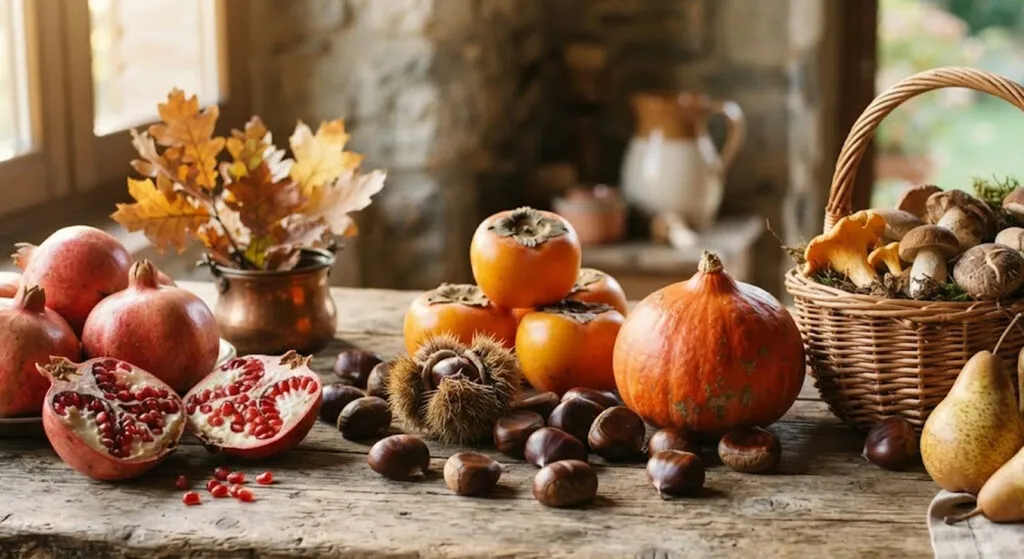
The markets are filling up with quinces and pumpkins, hunting season is opening, and after the first rains the mushrooms...

The world's fifth-best restaurant isn't closing because of empty tables, but to have time to think. The team's wages keep...
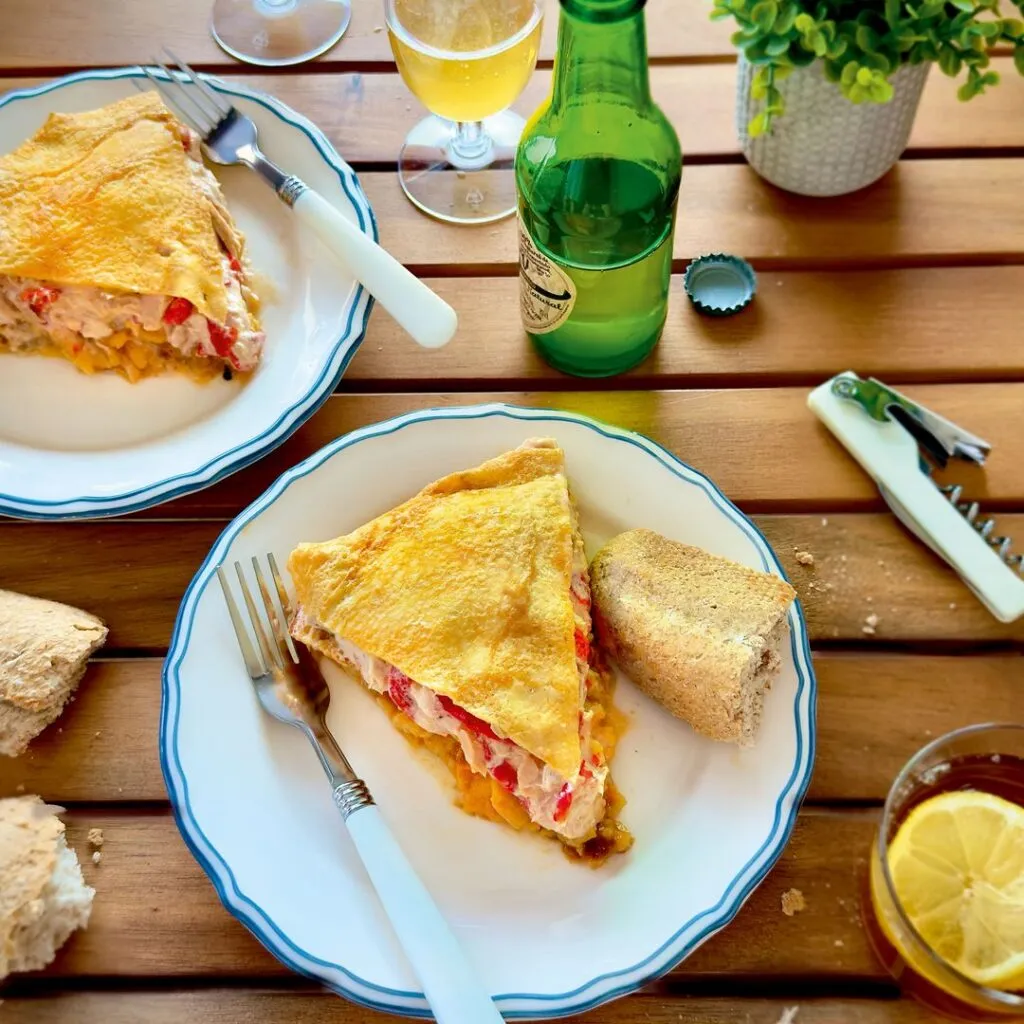
The potato isn't fried brown, it is slowly poached in oil - that is the base. Then comes the "hat":...
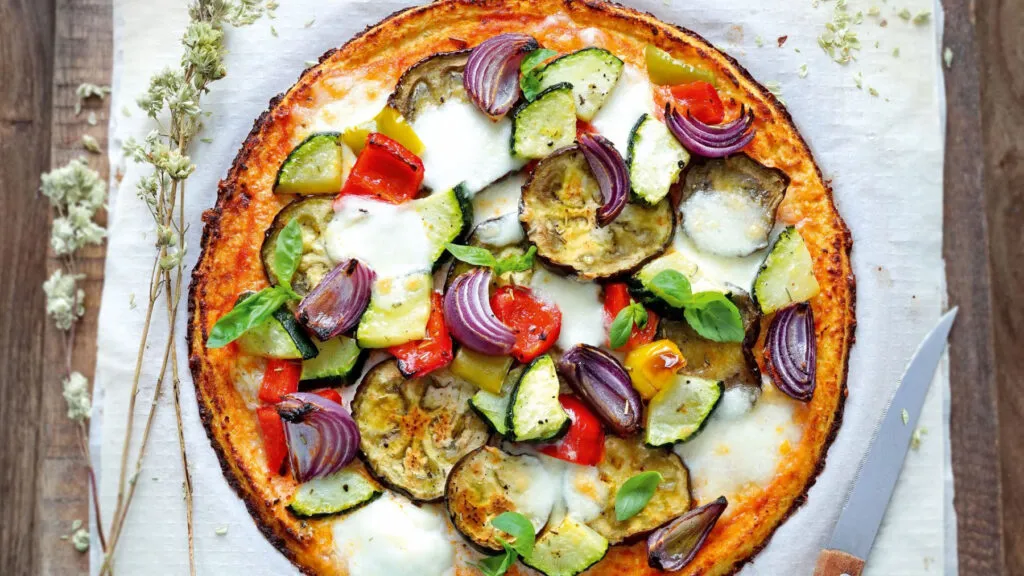
We reduced cauliflower to boiled greens with béchamel. But it can be a crispy pizza base and a "steak" you...
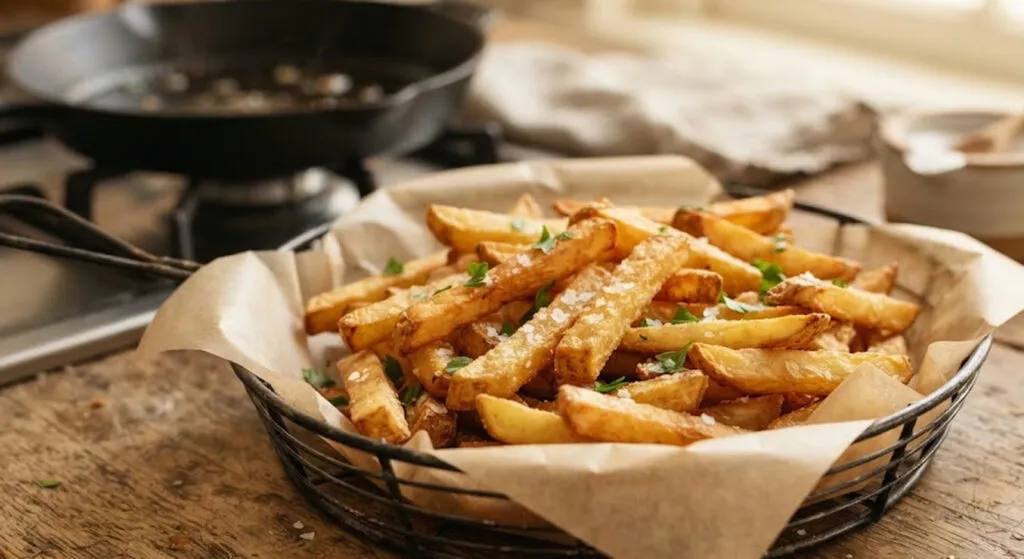
The right potato, half an hour in cold water, and salt the moment they come out of the oil. Five...
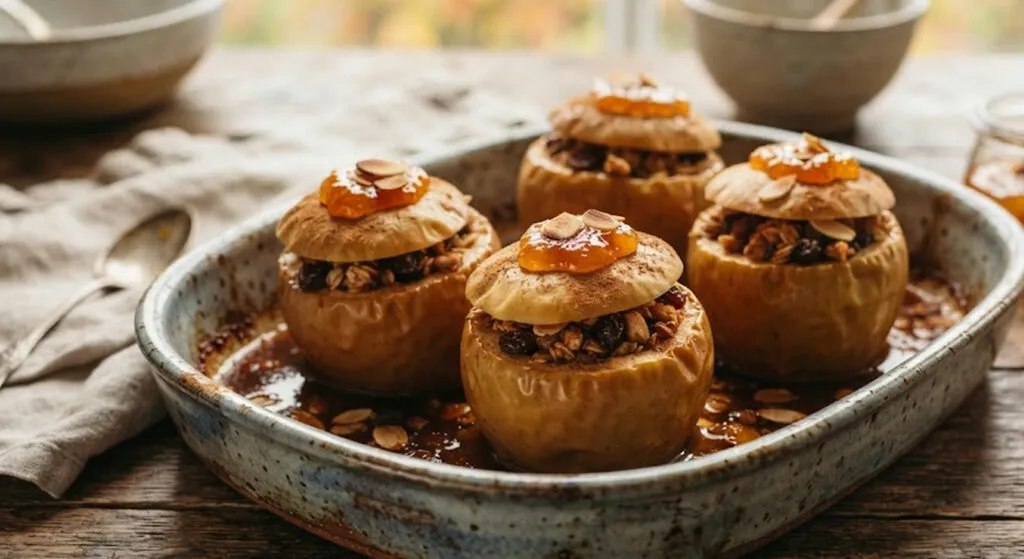
One hour at 200 degrees and the autumn dessert is done. The secret is in choosing the apple - and...
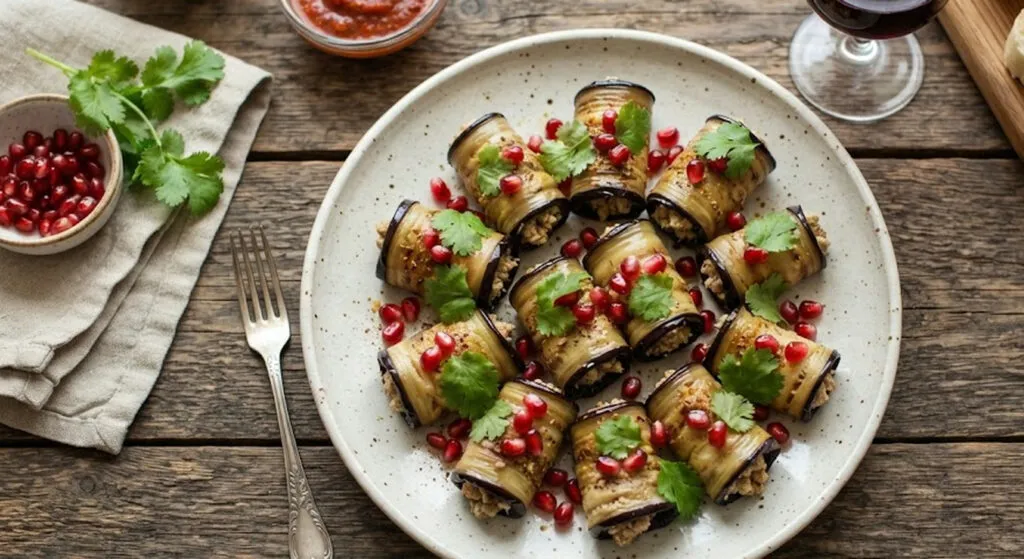
Aubergine, walnuts, garlic and coriander - ingredients autumn brings to every market. The Georgians turn them into one of their...
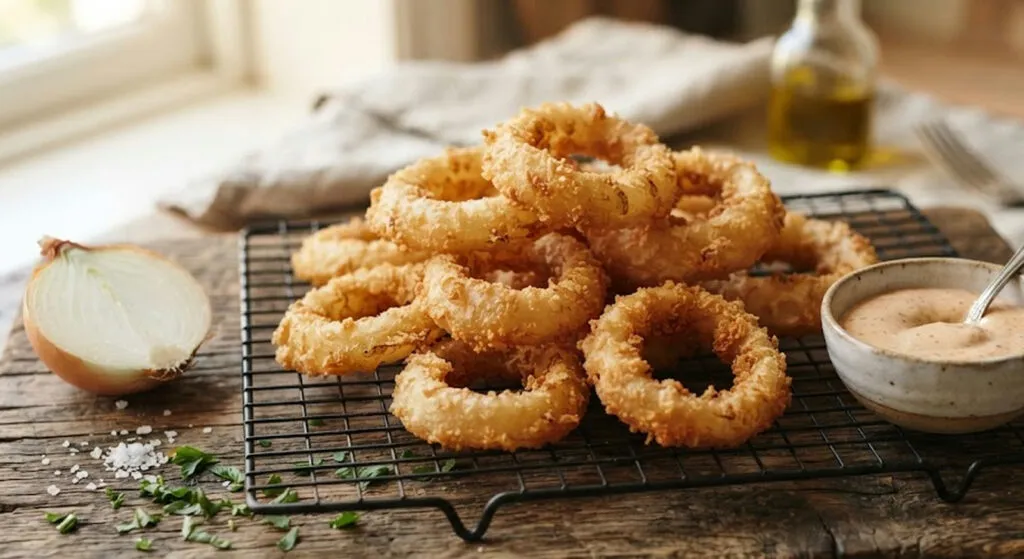
The cheapest bar snack there is gets ruined by one mistake - an overcrowded pan. Ice-cold sparkling water, cornflour and...
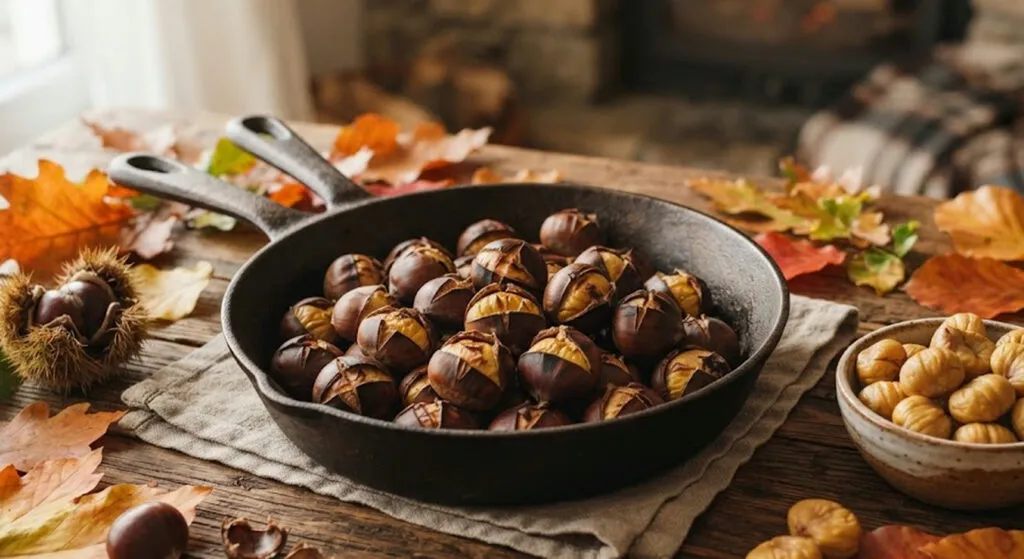
Here, a chestnut usually means a paper bag from a street vendor. But it can go into porridge, salads, cream...
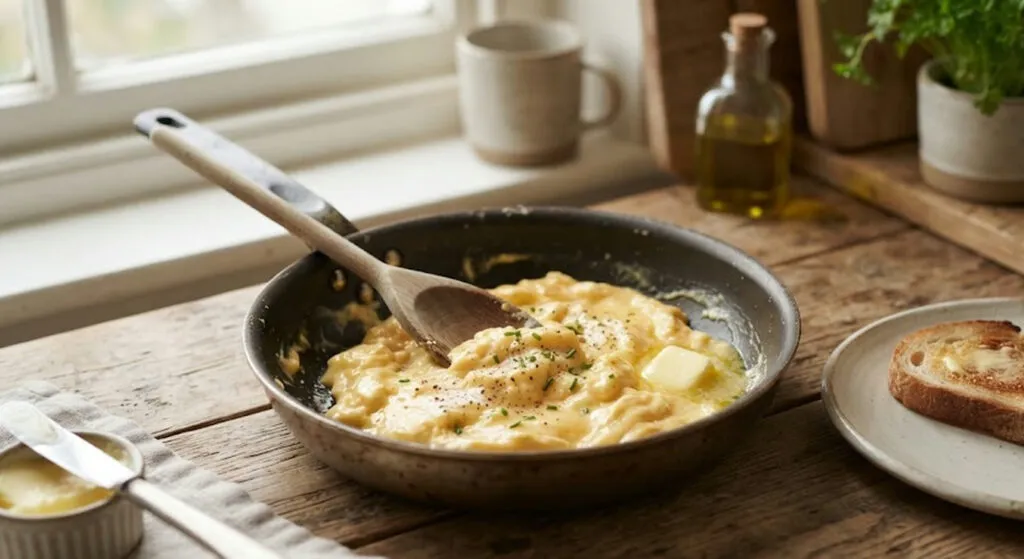
Everyone knows how to scramble eggs - or so we think. The difference between creamy, glossy eggs and a dry,...
This site uses cookies - is that okay? Learn more
Be the first to know when Metla launches something new
Leave your email and we will write when there is a new guide or something new on Metla.