
The OLVX stolen-password market led to Golema Rečica: the Interior Ministry celebrates the operation but stays silent on whether there are Macedonian victims
16.10.2026


16.10.2026
16.10.2026

16.10.2026
16.10.2026
16.10.2026

16.10.2026
16.10.2026

15.10.2026
15.10.2026

16.10.2026

16.10.2026

15.10.2026

16.10.2026

16.10.2026

16.10.2026

16.10.2026

15.10.2026

14.10.2026

16.10.2026

16.10.2026

16.10.2026
16.10.2026

16.10.2026

16.10.2026

16.10.2026

15.10.2026
14.10.2026
15.10.2026

13.10.2026

12.10.2026

23.04.2026

23.04.2026

12.04.2026

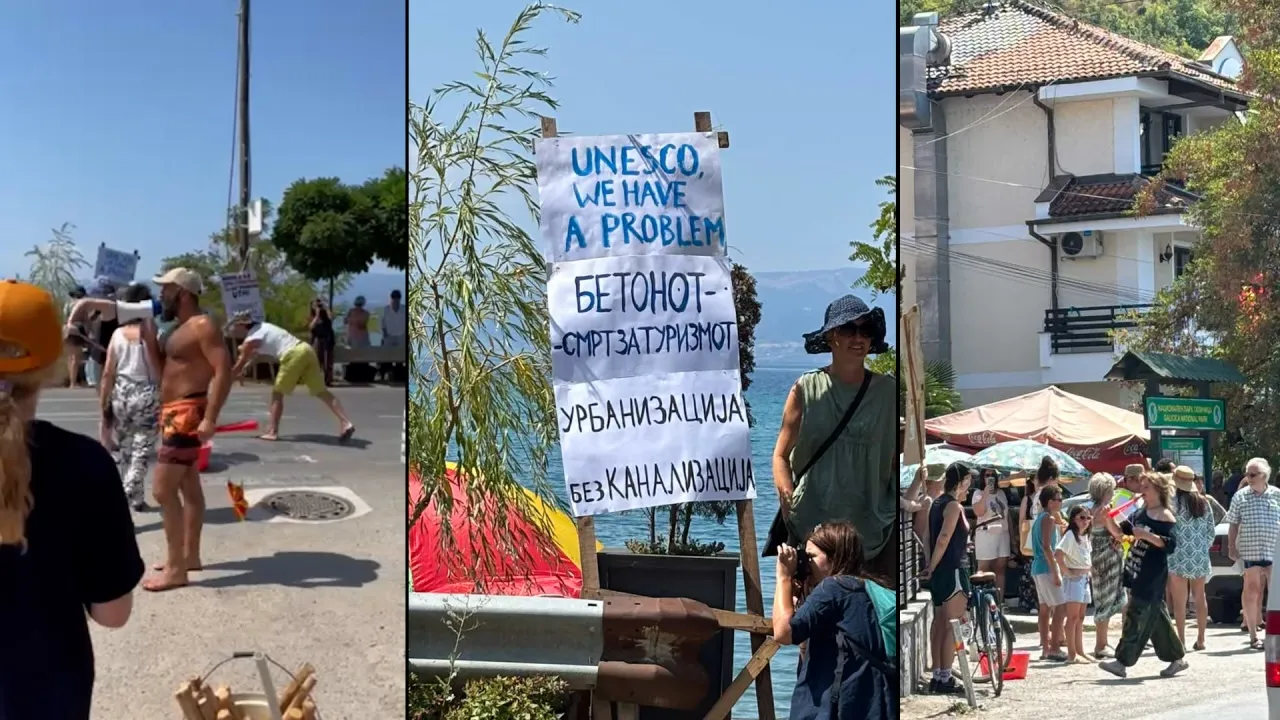
When institutions stay quiet long enough, citizens start improvising. In Lagadin it looked like this: people on paddleboards went out into Lake Ohrid and physically pushed boats, speedboats and jet skis back to the distance the law already requires.
The action was organised by the association "Star Lagadin", backed by the "Green People's Guard". The reason they gave is simple and familiar: not enough response from the responsible institutions. The protest then continued on land, with banners in English - "UNESCO, we have a problem" - and in Macedonian: "Concrete - death for tourism" and "Urbanisation without sewage".
Article 13, which exists with or without them
One of the banners carried a specific legal provision - the Law on Inland Navigation, Article 13. Vessels are obliged to keep an appropriate distance from marked bathing areas and beaches. That is not a demand, it is a binding obligation. The organisers asked a question they answered themselves simply by standing in the water: "Does there have to be a tragedy before institutions apply the law? On the lake? On the road?"
So we have a law in force, an authority that is supposed to enforce it, and citizens enforcing it with their own bodies instead. The question is not whether the protest is unusual. The question is which authority failed to do its job for things to get this far.
The hotel right on the shore
The second set of demands concerns the disputed hotel being built directly on the shoreline. With messages such as "Anti-corruption investigation for the Lagadin hotel!" and "Hotel Lagadin - urban crime", citizens asked the State Commission for Prevention of Corruption and the Prosecutor's Office to examine the entire permit process.
The association's demands are a long list, but all of the same kind: enforce the existing inland navigation law with penalties for violators, mark the navigation lanes clearly, install pedestrian crossings and speed signs through the populated coastal stretches, urgently adopt a spatial plan for the shoreline, and remove every illegal structure in the UNESCO-protected zone.
Not one of those demands is revolutionary. Each describes work somebody is already being paid to do. That is the whole point.
Lake Ohrid is under UNESCO protection, and that status is precisely why the recommendations get postponed for years instead of implemented. The association warns that delaying protection measures is making the situation worse. The question left hanging is whether we need to lose the status before anyone understands what it meant.
The latest 10 news from this category
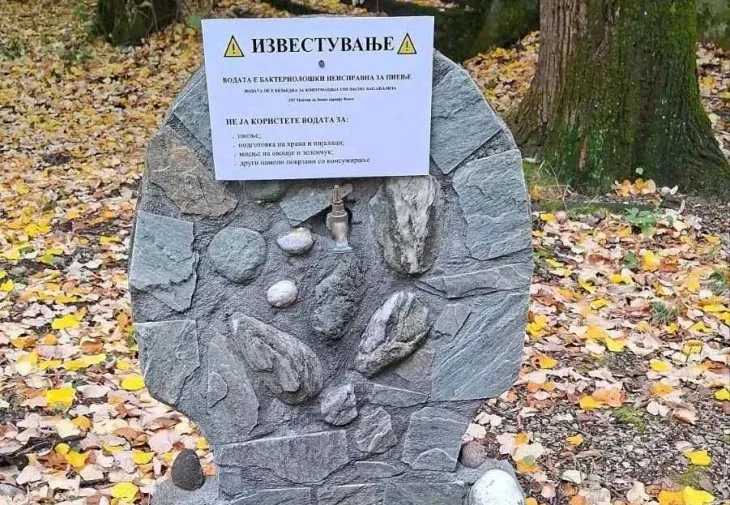
Signs on stone and an appeal not to drink. But what about the water supply in Smrdliva Voda - the...
Mayor Jovanovski is boasting about savings. But if school transport suddenly costs half as much, someone needs to explain why...

Somewhere between four and ten thousand blind and partially sighted people - that's how precisely the state counts them. On...
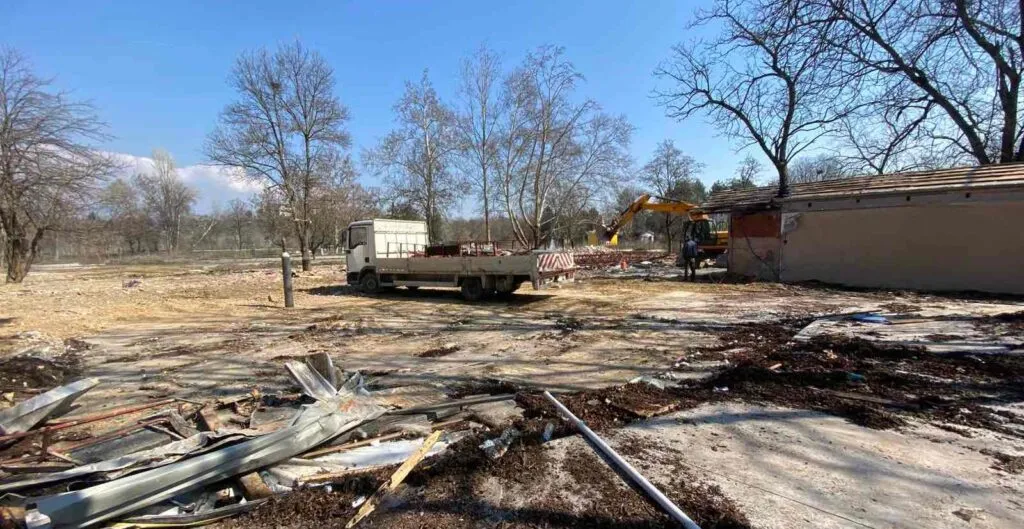
December: "one of the best in the region". May: a 10-million-euro contract. By August: cancelled, over a court case about...

A passenger isn't a car, and 150 electric buses aren't the 250 Skopje asked for. The minister calls criticism of...
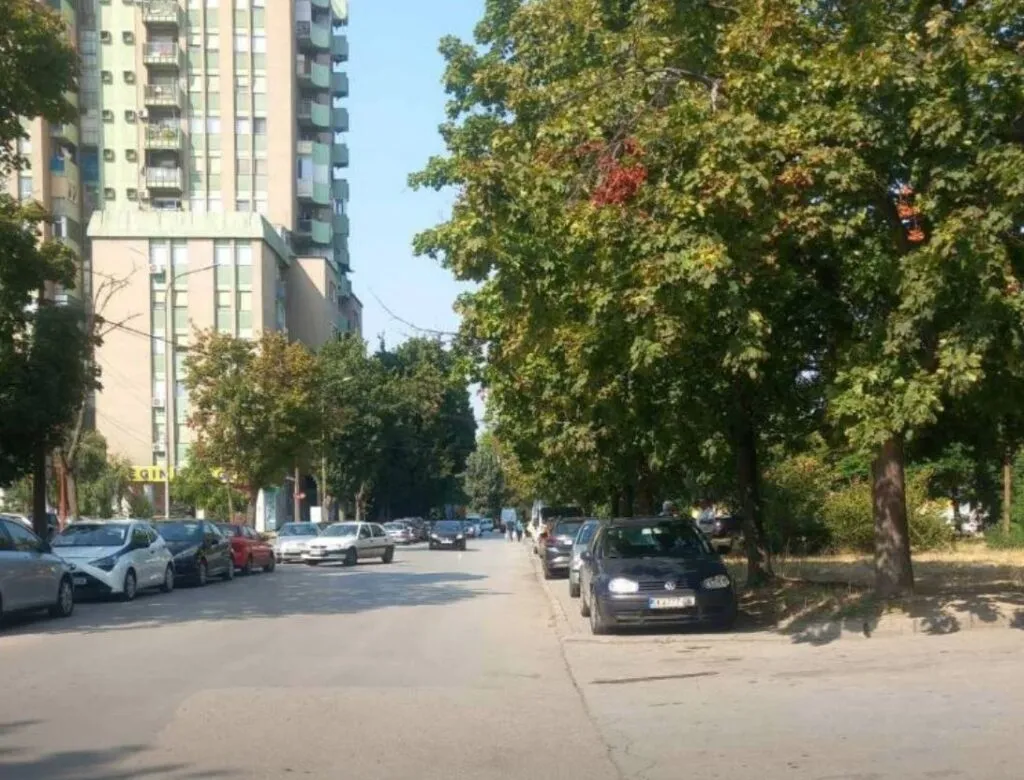
The City pays, the municipality draws up the plan, the public roads company paints the lines. Only the residents have...
The municipality is showing off a map of potential and a memorandum for Žabeni. Civil groups reminded everyone that workers...

Vezirovski is suspected of influencing prosecutors and judges in at least four cases. His replacement is the man who put...

Bitola and Karpoš announced chimney subsidies, but not a single figure on how much money is in the pot. "First...
Over 100 million denars in projects, a new urban plan and debt paid down - a municipal report, delivered in...
This site uses cookies - is that okay? Learn more
Be the first to know when Metla launches something new
Leave your email and we will write when there is a new guide or something new on Metla.