

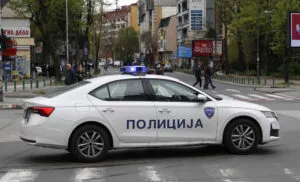
A week after the police brutality story, the Interior Ministry has its own version: the passenger took the officer's gun
15.10.2026


15.10.2026

15.10.2026
15.10.2026

15.10.2026
15.10.2026
15.10.2026

15.10.2026

14.10.2026

13.10.2026

15.10.2026

15.10.2026

14.10.2026

15.10.2026

15.10.2026
15.10.2026

15.10.2026

14.10.2026

13.10.2026

15.10.2026

15.10.2026

15.10.2026

15.10.2026
15.10.2026

15.10.2026

15.10.2026

14.10.2026

13.10.2026
13.10.2026

12.10.2026

10.10.2026

23.04.2026

23.04.2026

12.04.2026


Heating season has begun, and with it an annual ritual: municipalities remember chimneys exist. This week Bitola and Karpoš announced public calls for subsidies - one for sweeping, the other for filters. The measures are welcome, but they share a weak spot: nobody has said how much money is actually in the pot.
Bitola: up to 1,500 denars for sweeping. The Municipality of Bitola will subsidise part of the cost of having a chimney swept, as a fixed amount of up to 1,500 denars (about 24 euros) per household. If the receipt is for less, the amount on the receipt is refunded. The call runs from October 14 to November 6 on a "first come, first served" basis - or until the allocated funds are used up. The goal, according to the municipality, is fewer emissions, fewer fires and safer homes.
Karpoš: 80 percent of the filter, but no more than 10,000 denars. The Skopje municipality of Karpoš will cover 80 percent of the cost of buying and installing a new chimney filter for individual households heating with solid or liquid fuel. The filter must be bought after the call was published on October 13. The call runs for 60 days or until the money is gone, and is part of the municipality's 2026 programme for the environment and energy efficiency.
The paperwork for Karpoš is a whole little bureaucracy of its own: an application, a property deed, an ID card, a bank account, a quality certificate from the manufacturer, a receipt or invoice - and a notarised statement that the filter will be used and maintained for at least five years. The municipality reserves the right to measure emissions from installed filters during the heating season, but the measurement is voluntary.
And that's the point. A subsidy that requires a notary for a single filter will be used by people with the time and persistence, not necessarily by those whose chimneys smoke the most. And voluntary measurement means the municipality won't know whether the money cleaned the air or just cleaned its conscience.
If "first come, first served" is the rule, residents have a right to know how many count as "first". How many households can Bitola's budget cover? How many filters does Karpoš expect to subsidise? Without those numbers this is good news with no yardstick - and come spring, nobody will be able to say how many chimneys were actually swept or how many filters were installed.
The latest 10 news from this category
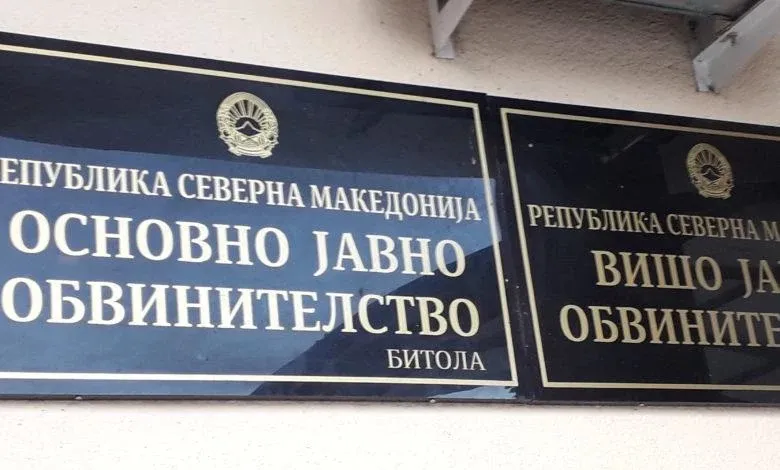
Vezirovski is suspected of influencing prosecutors and judges in at least four cases. His replacement is the man who put...
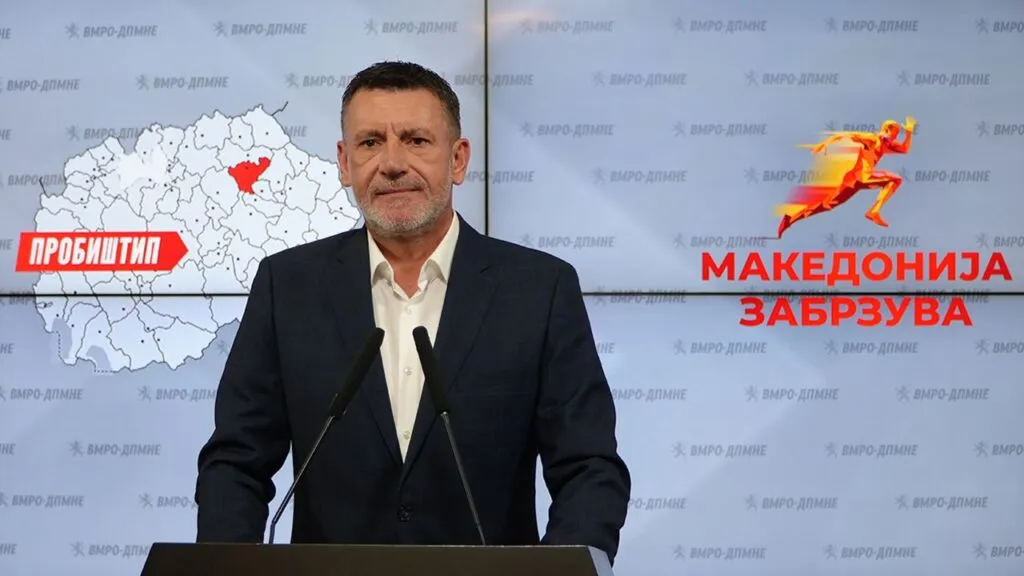
Over 100 million denars in projects, a new urban plan and debt paid down - a municipal report, delivered in...
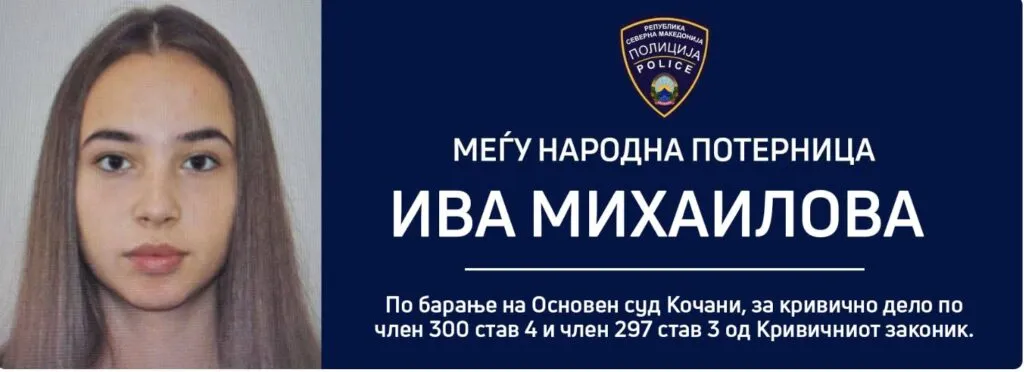
Both passports confiscated, a warrant issued, detention ordered - and no legal exit on record. Sofia cites its Constitution, Skopje...

The measure expired under the legal time limit, his passport stays confiscated, and the trial over alleged damage of 9.7...
ESM blames the outages on "water losses in the network", and the average bill is 5.96 percent higher. How much...
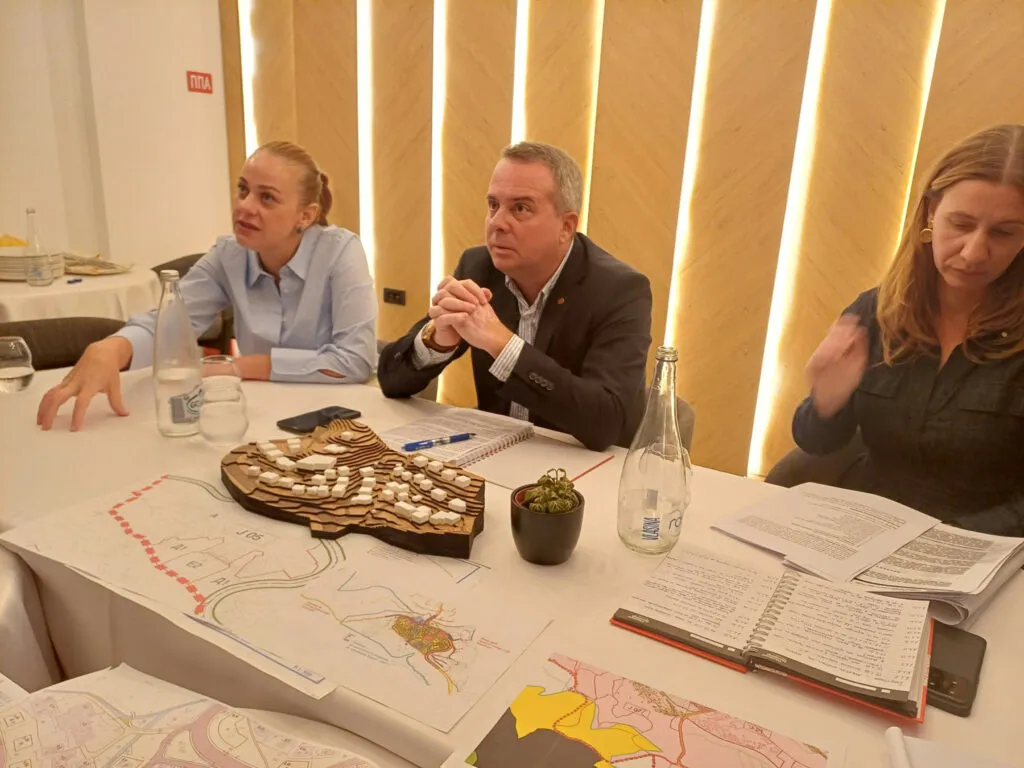
Building area cut by 33.3 percent, greenery doubled, 13 undeveloped plots. Gerasimovski promises the plan won't go to the council...

Children from all over western Macedonia are brought to Ohrid to beg, claims the association "Gradime idnina", which also speaks...
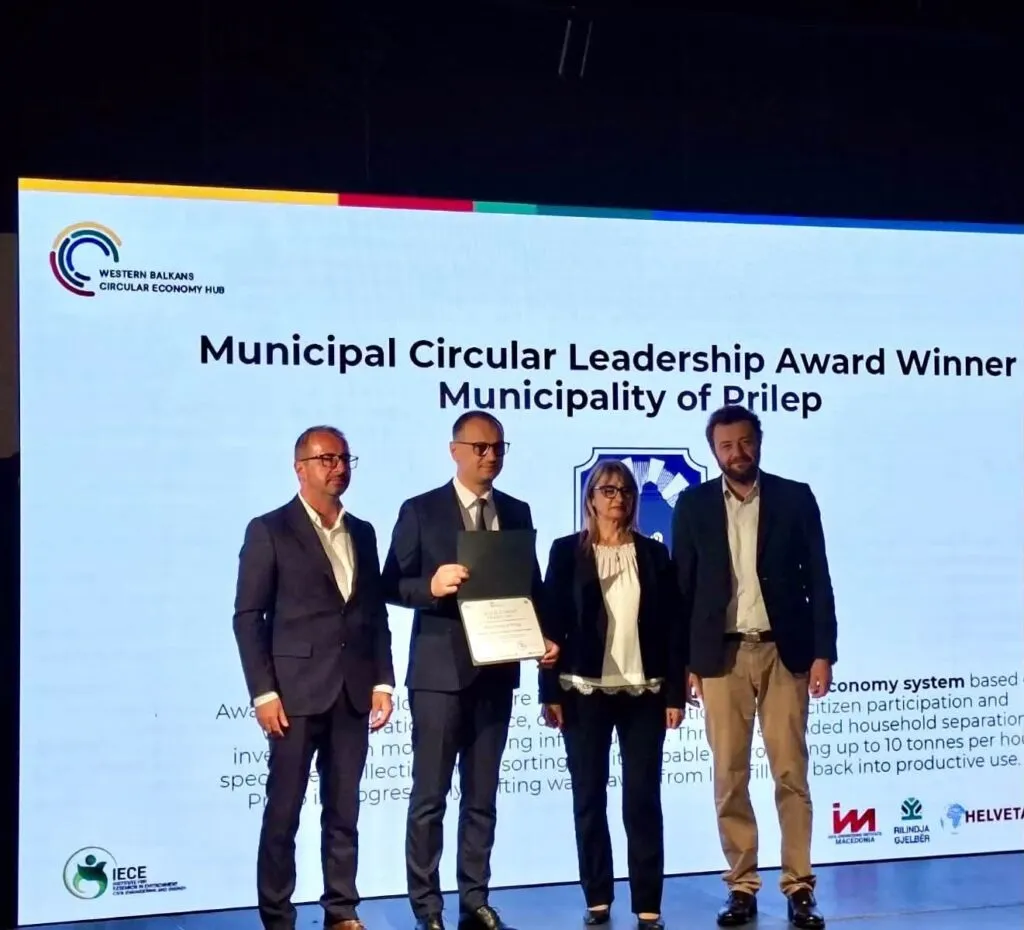
An international jury picked Prilep out of 63 applications from the Western Balkans. The 49% figure sounds great - it...
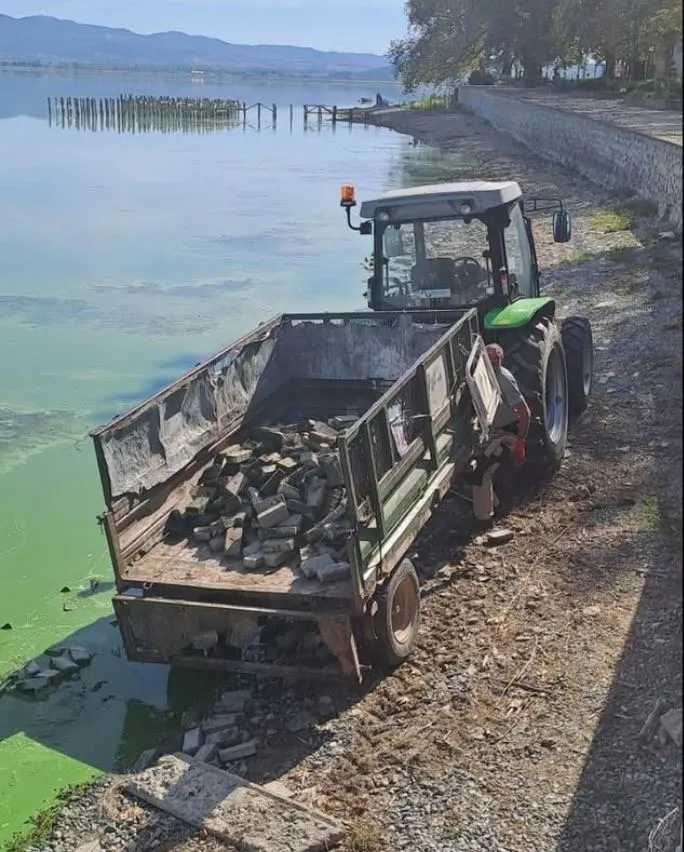
The Municipality of Dojran is using new machinery to clean the shore along the promenade in Star Dojran. The paving...
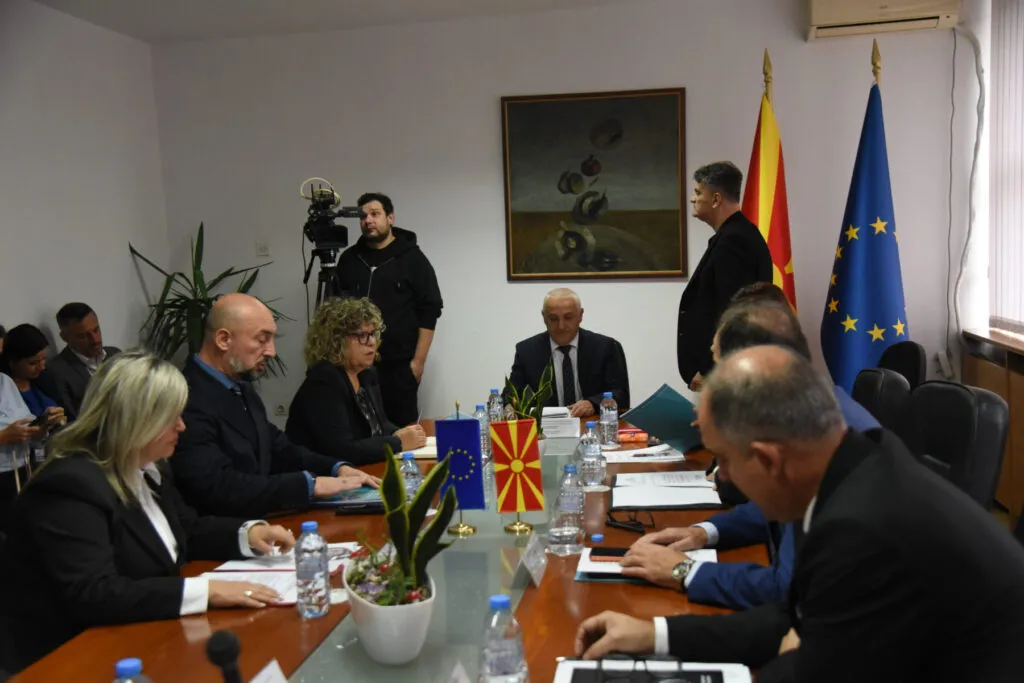
On October 28, 188 prosecutors will choose Islam Abazi's successor by secret ballot. The programmes are alike - financial investigations,...
This site uses cookies - is that okay? Learn more
Be the first to know when Metla launches something new
Leave your email and we will write when there is a new guide or something new on Metla.


