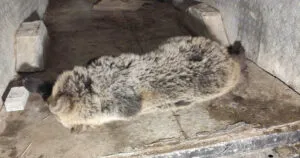
Bear cub killed on the Skopje-Tetovo motorway: the fence is a legal obligation, while the rescue team exists only in a Viber group
25.10.2026


25.10.2026

25.10.2026

25.10.2026
25.10.2026

25.10.2026
25.10.2026

25.10.2026

25.10.2026

25.10.2026

25.10.2026

25.10.2026

24.10.2026

25.10.2026

25.10.2026

25.10.2026

25.10.2026

24.10.2026

23.10.2026

25.10.2026

25.10.2026

25.10.2026

25.10.2026

25.10.2026

25.10.2026

25.10.2026
25.10.2026
24.10.2026
24.10.2026
22.10.2026
20.10.2026

23.04.2026

23.04.2026

12.04.2026

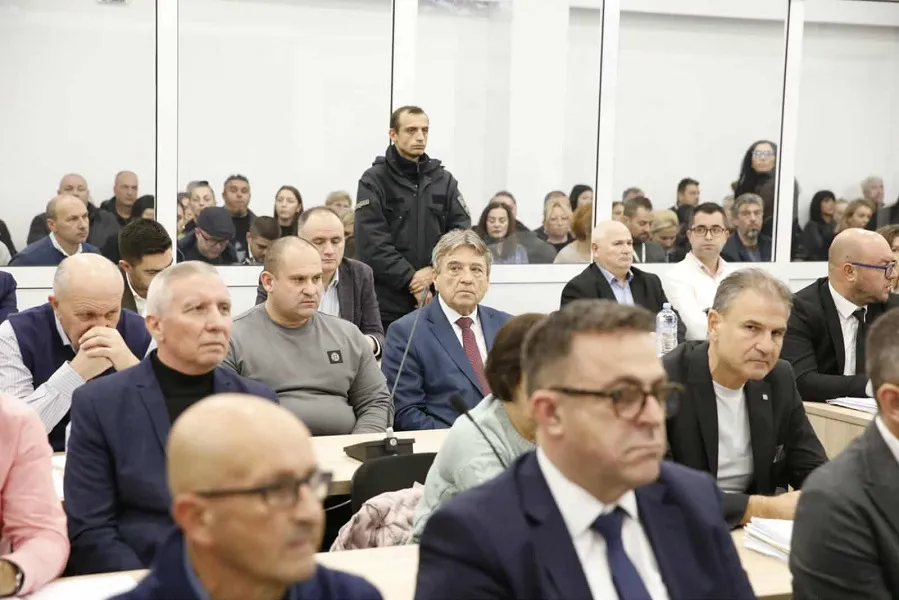
There is one moment in the Idrizovo courtroom worth more than four hours of cross-examination. The lawyer for Grozdan Milkovski, owner of the building that housed Puls, was steering the expert witness toward the answer she needed: in 2012, when she leased it out, the building was a production plant, safe and up to code. The expert confirmed it. Then came the next question, and the answer that took the whole construct apart.
"Under the Construction Act, an application to change a building's use must be submitted by the owner of that building," said Goran Markovski, professor at the Faculty of Civil Engineering at UKIM and one of the prosecution's most important witnesses. The owner. Not the tenant. Not whoever fitted polyurethane foam under the ceiling. The one whose name is on the paperwork.
A private contract is not the law
The defence tried to route around that through the lease, which contains a clause saying the tenant obtains the documents required for the business. Markovski did not budge. Agreements between parties, oral or written, do not override the Construction Act. "On the basis of that internal contract of theirs the municipality cannot issue an approval, it needs either a power of attorney or the owner in person," the expert said.
That is the key to the entire case, delivered in one sentence. Twenty-one people can divide responsibility among themselves on paper, but the state recognises only one signature. And that is where it becomes clear why the question of who had to file the application is not a technicality - it is the difference between a building that passed inspection and a building no inspector ever entered.
The inspector who had both the right and the duty
The second part of the expert report lands even closer to the institutions. Asked whether a building inspector can act on his own initiative once a building is in use, with no reconstruction work reported, Markovski was explicit: the inspector not only has the right but the obligation to act after construction too, on any change of use, extension or alteration.
"The fate of a building, from the issuing of the construction permit right through to its demolition, falls under the building inspector, regardless of what activity is carried out inside it," the expert stressed. Two municipal building inspectors from Kočani are among the defendants.
The report does not rule on the cause of the fire, but it does on how it spread: "The rapid spread of the fire is a direct consequence of the choice of unsuitable construction materials." Acoustic insulation foam, in a building never designed to be a nightclub.
The questions nobody is asking
During the break, the parents of those killed came out with a statement that describes the situation better than any legal commentary. "From today's hearing one thing becomes ever clearer: the essential questions seem to be the hardest ones to ask," said Aleksandar Naunov. Instead of precise questions that would test the findings, they listened to long runs of repetition and returns to what had already been said.
"We will sit and listen for as long as it takes, because behind this trial there are not just piles of documents and expert reports - there are 63 lives that ended and families who live the consequences every single day. Facts are refuted with facts, expert findings with arguments, and time, evidently, with questions without end," he added.
The prosecution is run by a team of 15 public prosecutors, the proceedings are chaired by judge Dijana Gruevska-Ilievska, and the case is still in the evidentiary phase. Once the construction experts have been examined the prosecution is due to close its case, and then the defence begins. The next hearing is on 1 September.
The trial is necessary, and it means something only if what comes out of it is an answer bigger than a chart of signatures. Until then, one sentence from today's hearing is worth holding onto: a building inspector's duty does not end when the building goes up. It did not end when the plant became a nightclub either.
The latest 10 news from this category
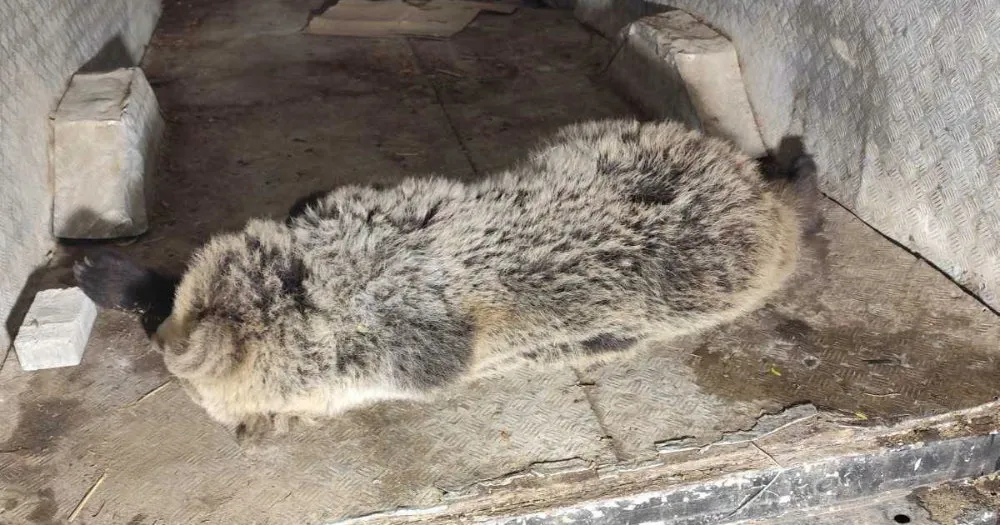
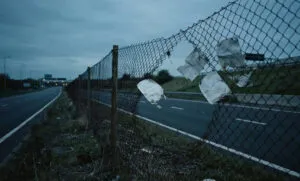
A young bear weighing 60-70 kilograms hit near Glumovo. The law requires wire fencing along the motorway, the environment inspectorate...
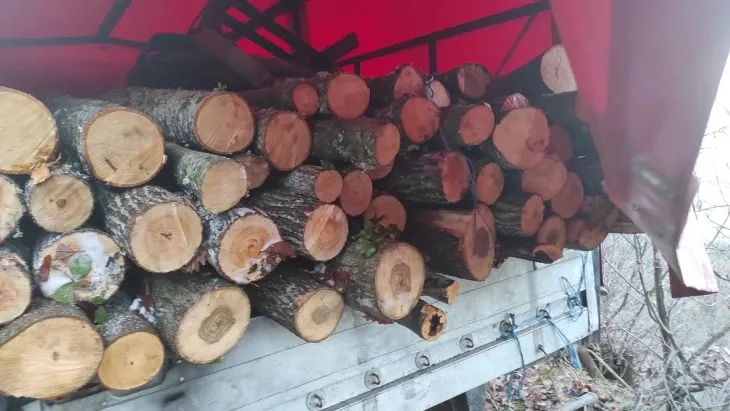
The stamp that makes timber legal was allegedly used by a haulier carrying 14 cubic metres of undocumented oak. A...

Thursday on "Nikola Tesla", Friday on "Ferid Bajram". Two serious crashes, two people seriously injured, and one more line in...
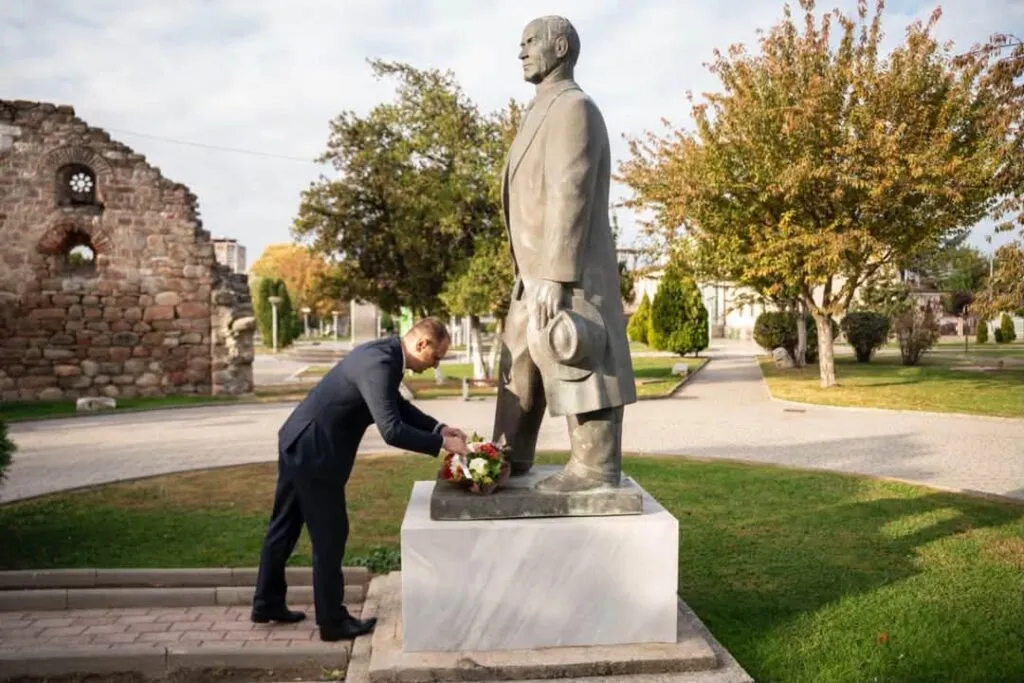
Wreaths, delegations and a message about building together. Chento, Gjorche Petrov and Pere Toshev left deeds, not speeches - the...
A day before Serbia votes, Filipche accuses Vučić of preparing to steal the election, while the same post calls for...
Protests from Tirana to Paris, and in Skopje the search is on for foreign spies. Arsovski names the uncomfortable reason:...

The party leader is also the prime minister, and ahead of the runoff he is on the ground in Brvenica....
VMRO-DPMNE says Centar is waving through construction with no parking and no greenery, the mayor says investors are blocking the...
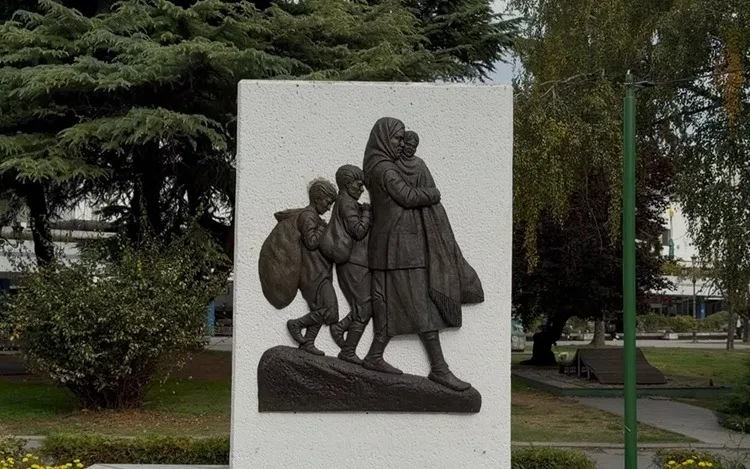
A mother fleeing with three children, the symbol of some 28,000 children driven out of Aegean Macedonia. Skopje restored the...

The police helicopter, airlines and academies from across the region in one place. Strong turnout - but how many of...
This site uses cookies - is that okay? Learn more
Be the first to know when Metla launches something new
Leave your email and we will write when there is a new guide or something new on Metla.