
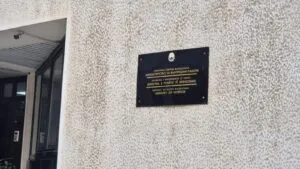
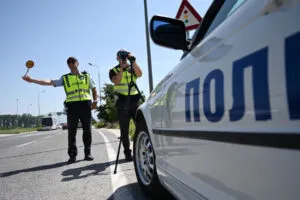
The OLVX stolen-password market led to Golema Rečica: the Interior Ministry celebrates the operation but stays silent on whether there are Macedonian victims
16.10.2026


16.10.2026
16.10.2026
16.10.2026
16.10.2026
16.10.2026

16.10.2026
16.10.2026
15.10.2026
15.10.2026
16.10.2026

16.10.2026

15.10.2026
16.10.2026

16.10.2026
16.10.2026
16.10.2026
15.10.2026
14.10.2026

16.10.2026

16.10.2026
16.10.2026
16.10.2026
16.10.2026

16.10.2026
16.10.2026
15.10.2026
14.10.2026
15.10.2026
13.10.2026
12.10.2026

23.04.2026

23.04.2026

12.04.2026

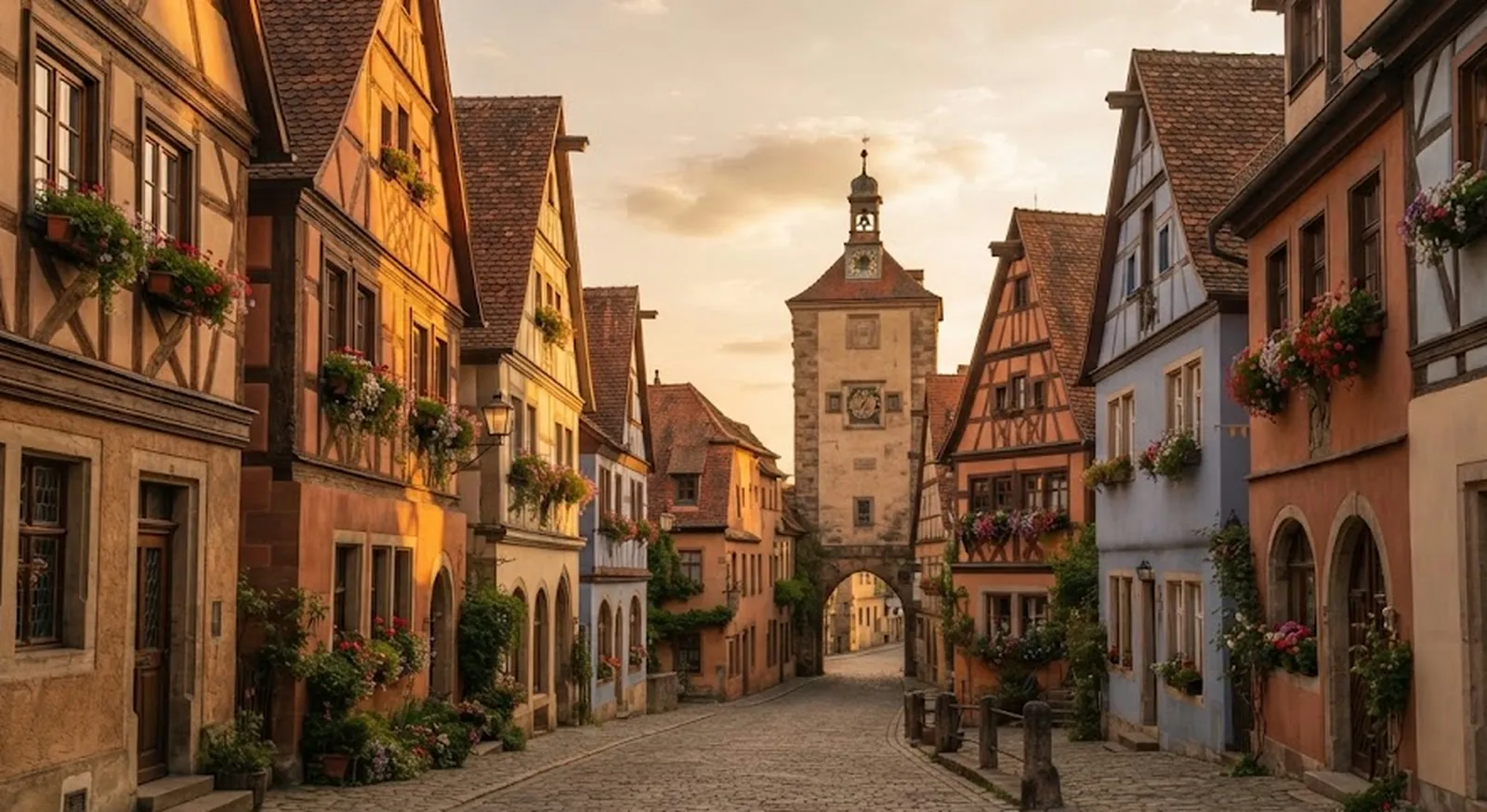
Rothenburg ob der Tauber, a Bavarian town between Nuremberg and Stuttgart, is what the tourist brochures call a fairy tale - and is actually something more interesting: a place where somebody made a decision and stuck to it. The streets kept the layout they had six hundred years ago, and advertising signs are simply not allowed. Not one.
The wall around the old town runs almost four kilometres and has 48 towers. You walk along it and the town opens up from above, a different view from the one you get in the square. On the Marktplatz stands the town hall with a tower of 220 steps - no lift, and a reward at the top.
All of this was destroyed once already
On 31 March 1945 the bombing flattened forty percent of the old town. That is the fact least mentioned on the postcards, and it is the key to everything else: what you see today is in large part rebuilt, stone by stone, from old drawings and photographs. The Germans paid for that restoration as a question of identity, not as a tourism investment - that came later.
The town was a free imperial city from 1274 to 1803, meaning that for centuries it answered only to the emperor. That status financed the buildings millions of people photograph today. Among them are the fifteenth-century Renaissance St George's fountain, one of the largest in Germany, and the yellow timber house on Plonlein square - the most photographed corner of the town.
In St Jacob's church stands the Altar of the Holy Blood, the work of Tilman Riemenschneider, a carver whose sixteenth-century woodwork looks different once you know he made it without a single modern tool. There is also the Medieval Crime Museum, which makes no attempt to be pleasant - and is well visited precisely for that.
What to eat and what it costs to get there
The local speciality is the Schneeball - dough, eggs, butter, dusted with icing sugar, shaped into a ball. Franconian cooking is a serious business: slow-roasted pork shoulder with potato dumplings, pork knuckle, game. You drink Franconian wine, which in Germany has an audience well beyond tourism.
From Nuremberg it is an hour and a half by train, from Stuttgart two and a half, from Frankfurt three hours. That is a schedule that lets you see the town without staying the night - although the evening walk with the night watchman in medieval dress, telling the local stories, only happens once the groups have left.
The best dates are the festivals: the Master Draught around Whitsun, the Imperial Festival in early September, and the Christmas market from late November. Rothenburg also has a Christmas decoration shop open all year round - which is either wonderful or a sign that the town has fully accepted the role it was given.
The latest 10 news from this category
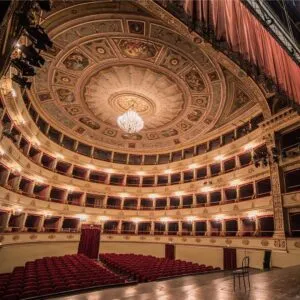
In Marche, families bought boxes at the theatre and left them in their wills like a field or a flat....
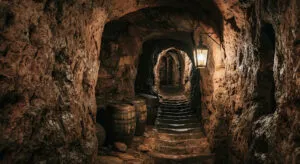
Beneath Robin Hood's city lies a whole underground world - caves that served as cellars, workshops and bomb shelters. Harry...
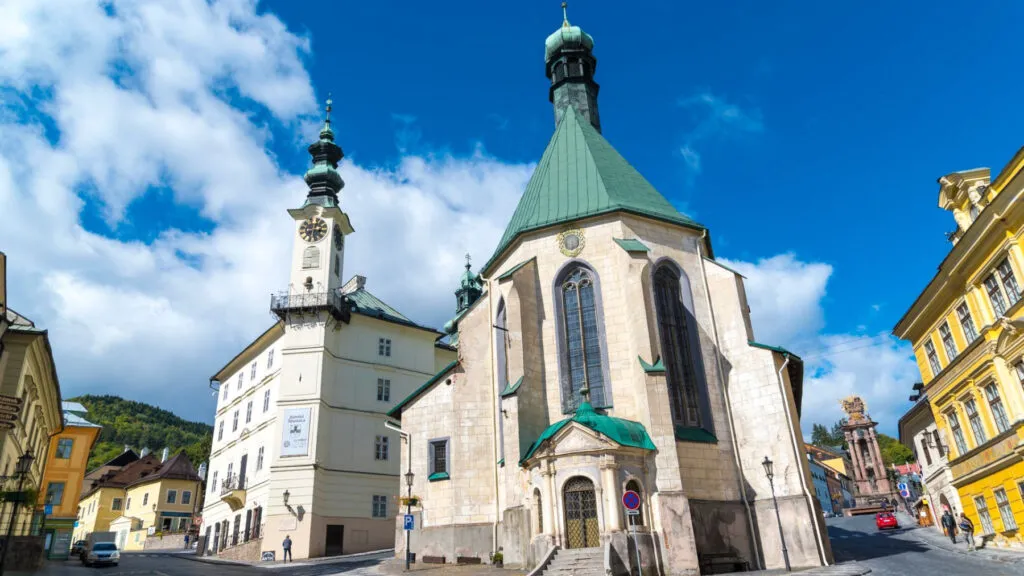
Once the third-largest town in the Kingdom of Hungary, today around 9,200 inhabitants, mining tunnels under the houses and the...
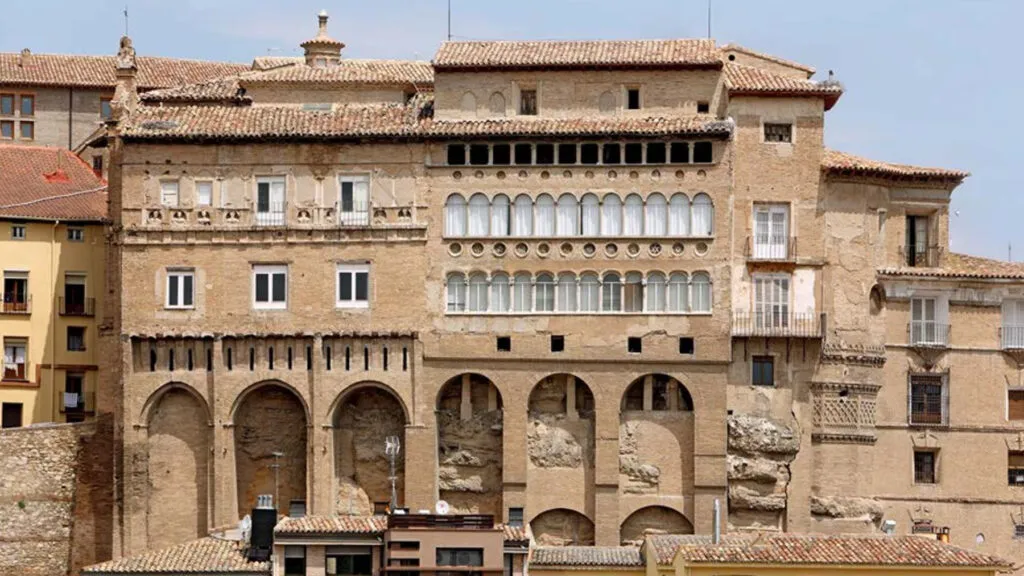
The town on the border of four Spanish regions re-enacted the royal wedding of 1170, when the groom was 14...
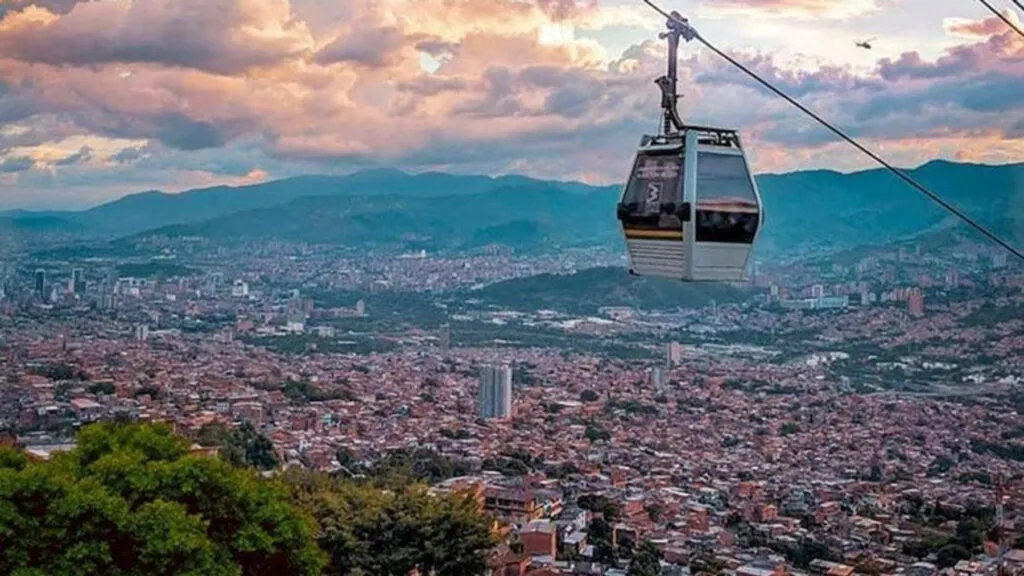
Before Maluma and Shakira perform "Agua" live for the first time tonight in Madrid, we travel to the city Maluma...
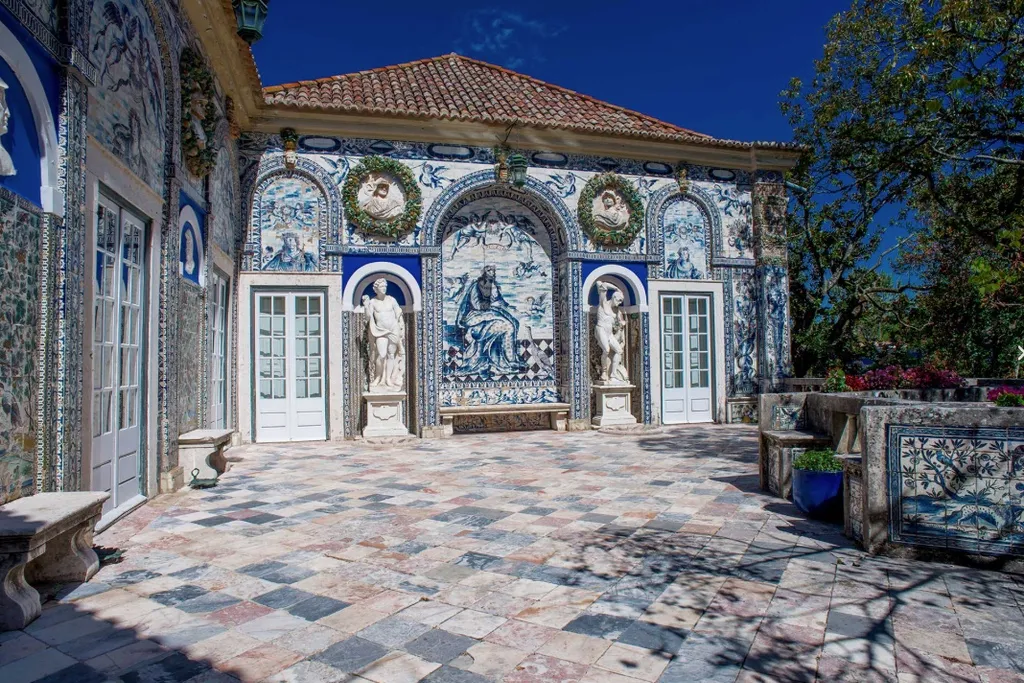
Built around 1670, expanded after the earthquake that flattened Lisbon, and the marquises' descendants still live in it. About fifteen...
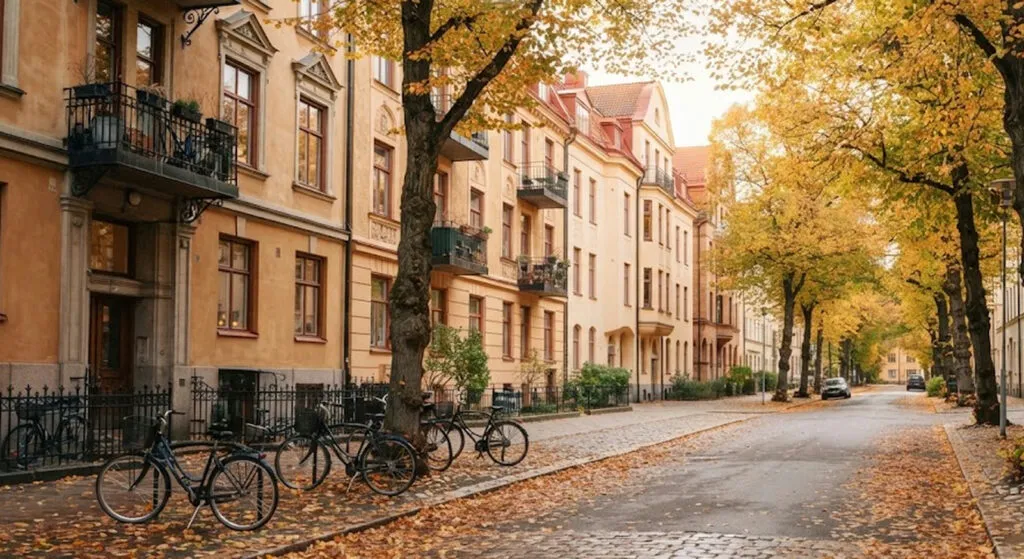
Stockholm is not just Gamla Stan. Vasastan is the residential district where Swedes live, take their fika and stroll through...
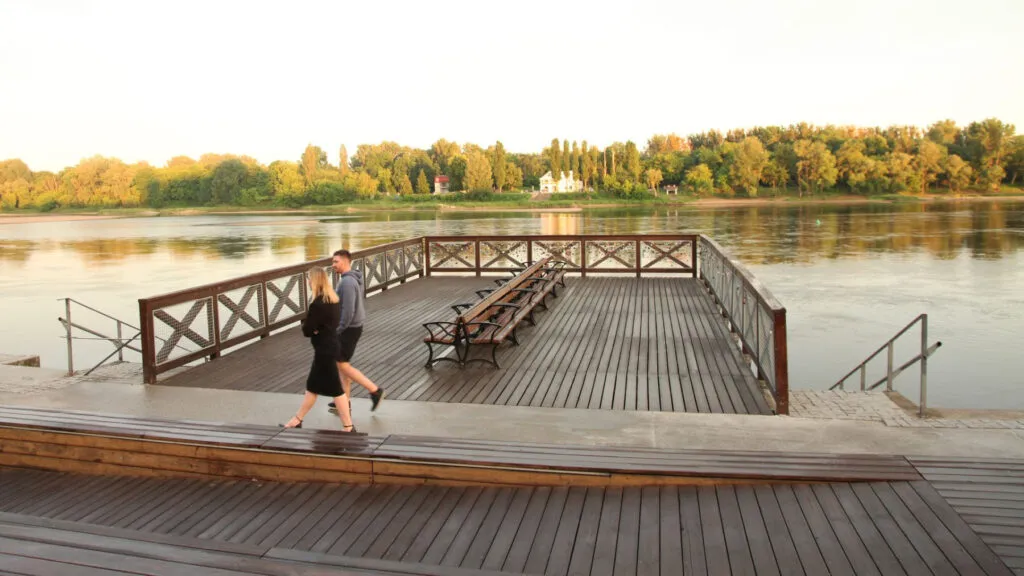
One was built by the Teutonic Knights, the other lived under Prussia for more than a century. Between them -...
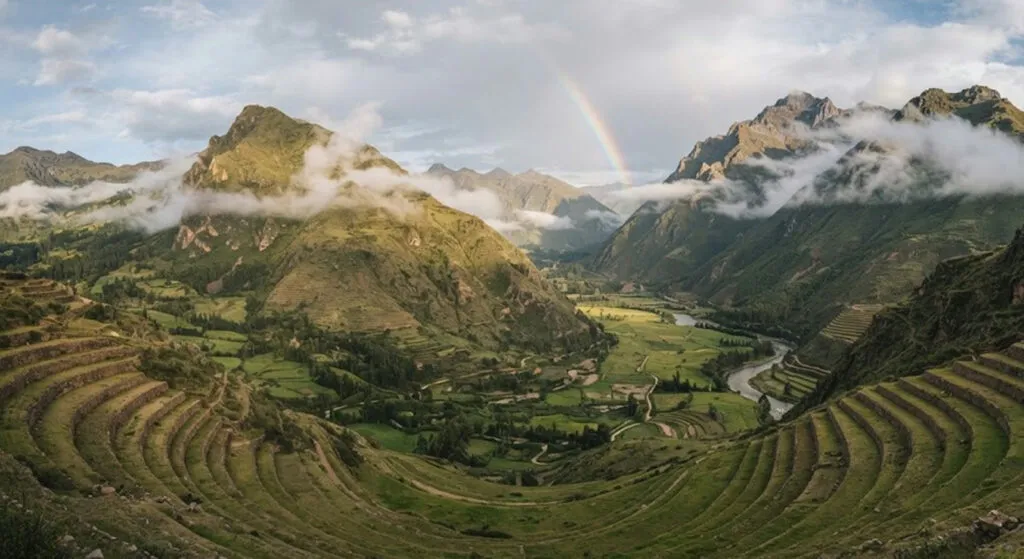
Maribel Verdú put off Peru for years. When she finally went, she came back with a rainbow over Machu Picchu...
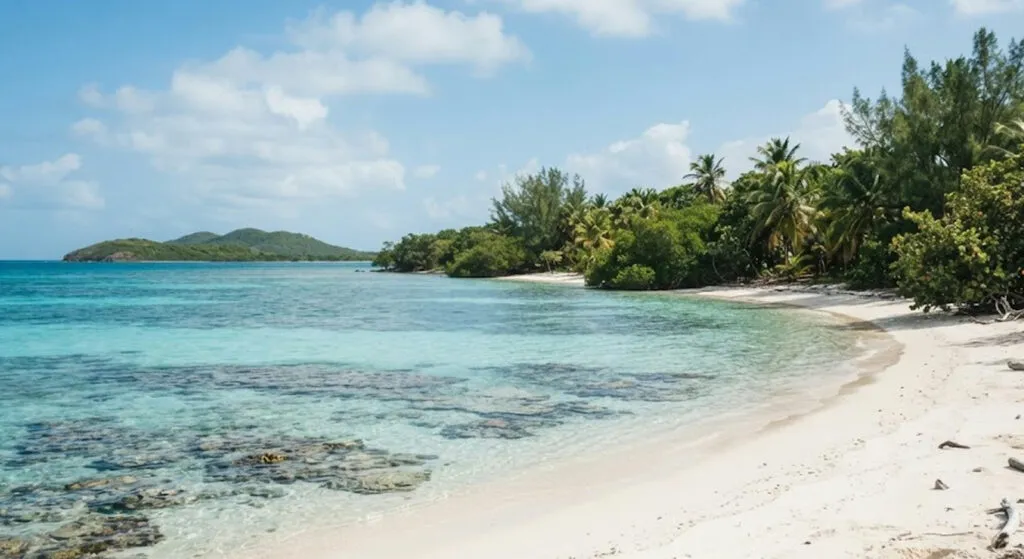
Rubén Cortada, the villain of "Sira", is building his career in Spain, but he keeps going back to the island...
This site uses cookies - is that okay? Learn more
Be the first to know when Metla launches something new
Leave your email and we will write when there is a new guide or something new on Metla.