

Expert witness at the Puls trial: the change-of-use application had to come from the owner, not the tenant
26.08.2026


26.08.2026

26.08.2026
26.08.2026
26.08.2026
26.08.2026
26.08.2026

26.08.2026
25.08.2026

24.08.2026

26.08.2026

26.08.2026

25.08.2026

26.08.2026

26.08.2026

26.08.2026

26.08.2026

25.08.2026

24.08.2026

26.08.2026

26.08.2026

26.08.2026

26.08.2026

26.08.2026

25.08.2026

09.03.2026

27.02.2026

19.02.2026
26.08.2026

25.08.2026
24.08.2026

23.04.2026

23.04.2026

12.04.2026
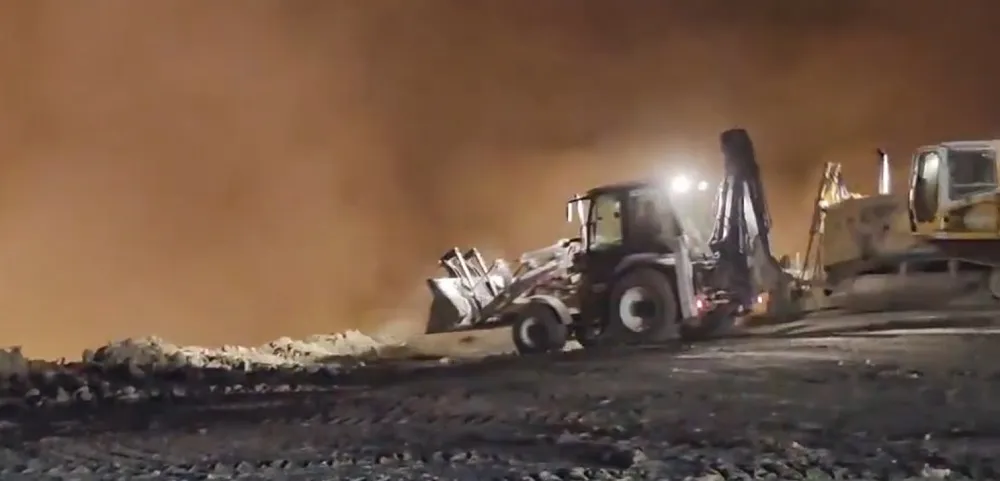
Firefighters from Kavadarci spent the whole afternoon pouring tonnes of water onto the Melci landfill. Two armoured vehicles from the Protection and Rescue Directorate were deployed too, their water cannon reaching up to a hundred metres. It was not enough.
The fire that had escaped the landfill was brought under control and the vineyards around it were saved, but inside the pile the waste kept burning. So water was called off and something else began - the landfill is being buried under soil.
"The wind is favourable at the moment and the smoke is not heading toward Kavadarci. I expect the landfill to be covered overnight and the smoke reduced to a minimum," said Directorate head Stojanče Angelov.
The wind as a firefighting measure
That sentence is worth pausing on, because it is honest in a way official statements rarely are. What stands between Kavadarci and the smoke of a burning landfill tonight is the direction of the wind.
Burying it under soil is an admission that the fire is not being extinguished - it is being smothered. The waste is still there, just under a layer of earth. And according to initial information from the ground, given by both mayor Mitko Jančev and Angelov, the cause of the fire is human. The relevant services will establish the circumstances.
Bukovo has been burning for years
That is not the only landfill smoking this week. On the Ohrid - Resen road, the old Bukovo dump flared up again on 20 August, and thick smoke and the smell of burning plastic forced residents of nearby villages to shut their windows in midsummer.
Stojan Stojanovski, who has been warning about conditions at the Bukovo pass, is entirely direct about what is going on: "The last five or six days have been horrific. You can smell it from the Resen side all the way to Kosel, especially up on the pass, ten kilometres of it and you cannot see through." And he adds: "That smoke is not smoke from wood or grass, it is from waste thrown into the bins."
He says that if things continue, he would personally take an alternative route - via Galičica or via Kičevo. "I do not know whether it is wise for me and everyone in the car with me to be breathing that."
The Bukovo pass is not a side road. It is one of the routes tourists take to reach the Ohrid region. Activists from Zbogum Bukovo have warned for years that the fires are a consequence of inadequate waste treatment and that the permanent solution is closure and remediation.
From Kičevo - where did the trucks go?
The third case is different, and perhaps the most telling. Residents of Kičevo are raising the alarm that a large new illegal dump has appeared in a gully between the villages of Ivančišta and Ehloec. They claim the rubbish was brought there after the clearing of Kičevo's illegal municipal dump - and that the public utility company's trucks were supposed to take the waste to the regional Rusino landfill near Gostivar.
Claims posted on social media say nine truckloads of waste were unloaded, after which the rubbish was covered with soil. Residents fear that in rainfall the waste could reach the watercourses in an area known for its springs.
The Kičevo municipality has said it secured additional funding for cleaning and removing the waste, and that it should be deposited at Rusino. The residents' claims have not so far been confirmed by the authorities and require verification.
Two thousand registered, and many more unregistered
The environment ministry has over two thousand illegal dumps registered across the country. The real number is higher, because nobody counts the small dumps beside roads and in gullies.
According to Gordana Sofija, co-founder of the company behind the national clean-up campaign Generalka vikend, part of the waste is generated by citizens and construction firms who, to avoid costs, dump it in unsuitable locations.
And here is the heart of it. When clearing one landfill means loading trucks, and there is no record of where those trucks unloaded, then clearing is relocating. The dump disappears from one place and appears in another - smaller, less visible, and without a single document.
Kavadarci tonight depends on the wind. Bukovo depends on whether it rains. And Kičevo depends on whether anyone checks where nine truckloads went.
The latest 10 news from this category
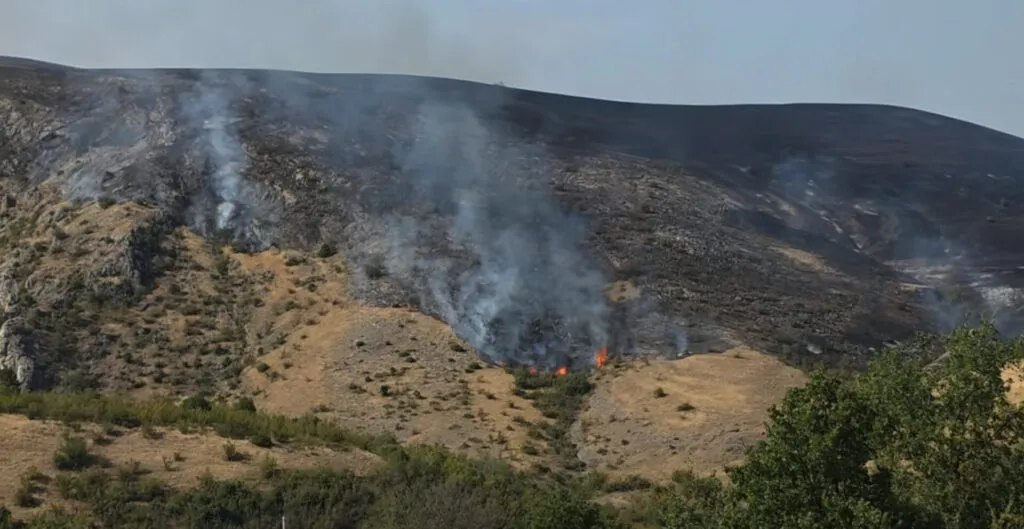
Twenty-three fires in a single day, aircraft redirected from one front to the next. And on Kitka, someone waits for...

Three hundred fewer classes, twenty-six villages without a school. Janevska says they "managed" to do it - but an empty...

A boat hit a paddleboard just off the shore, and the response came from residents standing on boards in the...
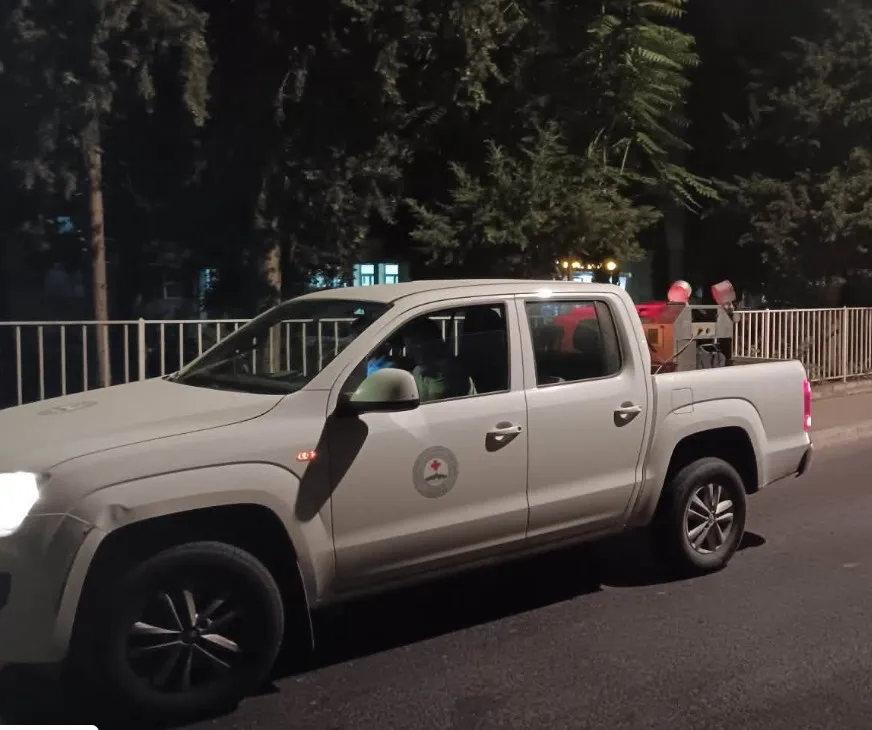
One suspected case was enough for an entire village to be treated. Spraying is protocol and it has to happen...
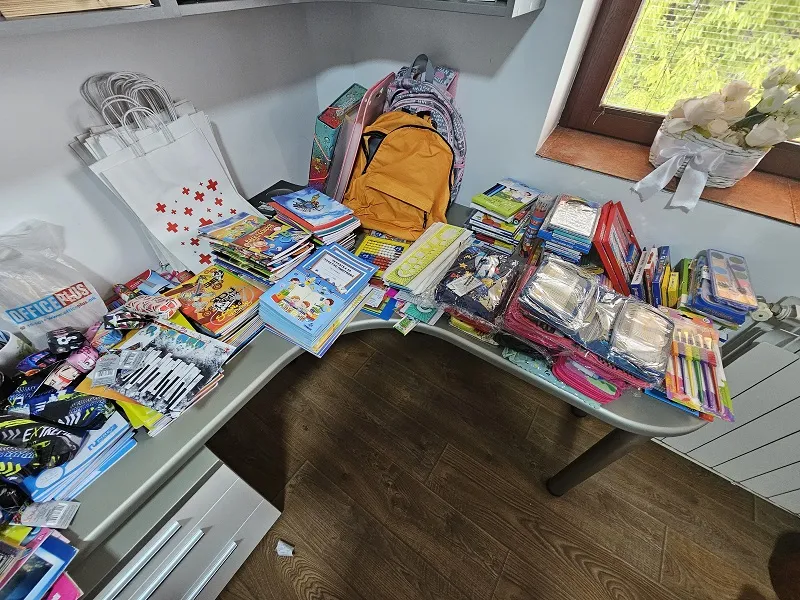
The municipalities are doing more than they have to. The problem is that "free education" means the teaching is not...
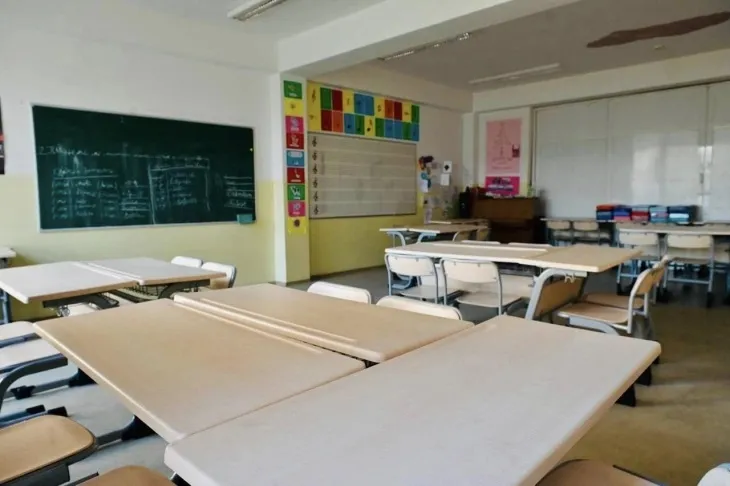
A decade ago the town had over 10,000 pupils. This year it has 5,569. The first-grade desk is the most...
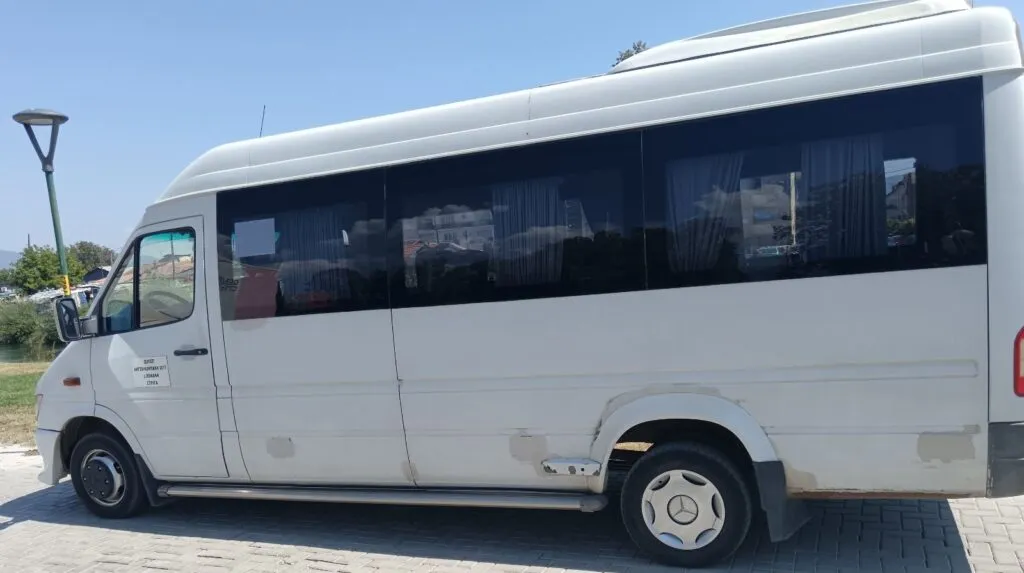
The operators stopped after years of funding the service out of their own pockets. The mayor says the debt was...
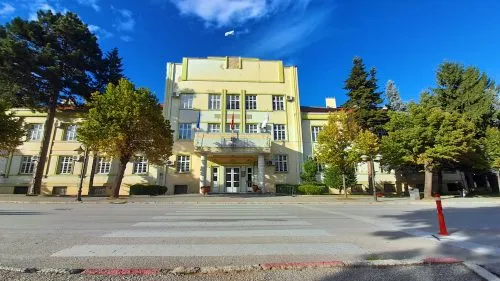
The administration calls it dispersing power, the opposition calls it party hiring worth 200,000 euros. The real problem is the...
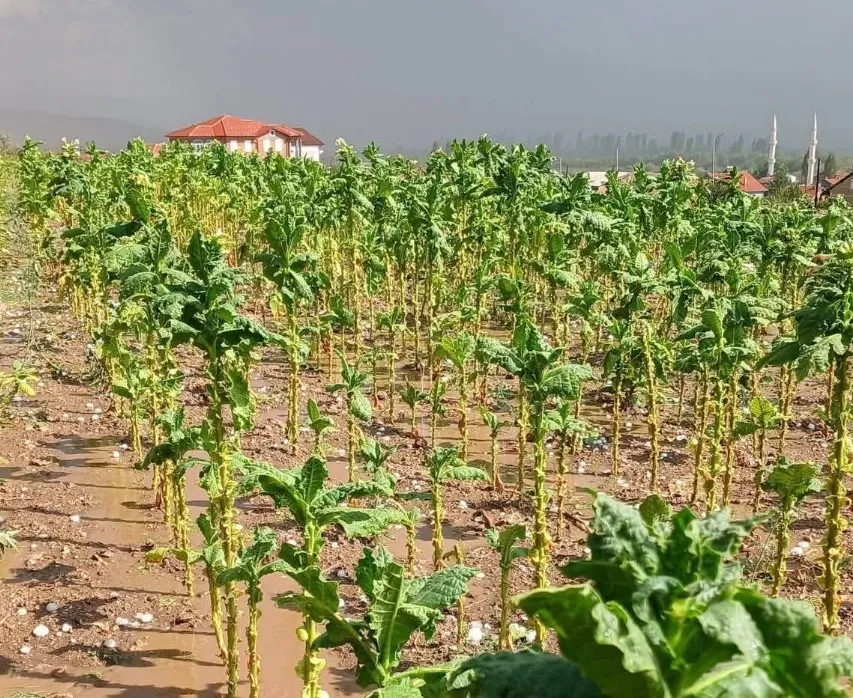
A full year of work - seedlings, planting, picking leaf by leaf - taken by a storm at the most...
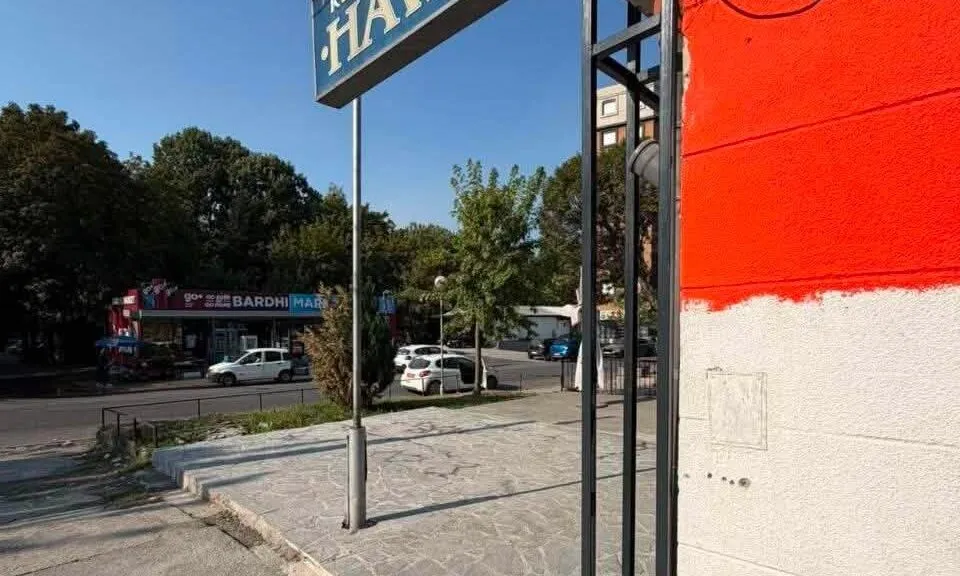
Butel municipality announced demolition and criminal charges on Saturday. By Monday there was nothing left to demolish. Illegal builds go...
This site uses cookies - is that okay? Learn more
Be the first to know when Metla launches something new
Leave your email and we will write when there is a new guide or something new on Metla.
