

Expert witness at the Puls trial: the change-of-use application had to come from the owner, not the tenant
26.08.2026


26.08.2026

26.08.2026

26.08.2026
26.08.2026
26.08.2026

26.08.2026

26.08.2026
25.08.2026

24.08.2026

26.08.2026

26.08.2026

25.08.2026

26.08.2026

26.08.2026

26.08.2026

26.08.2026

25.08.2026

24.08.2026

26.08.2026

26.08.2026

26.08.2026

26.08.2026

26.08.2026

25.08.2026

09.03.2026

27.02.2026

19.02.2026

26.08.2026

25.08.2026

24.08.2026

23.04.2026

23.04.2026

12.04.2026
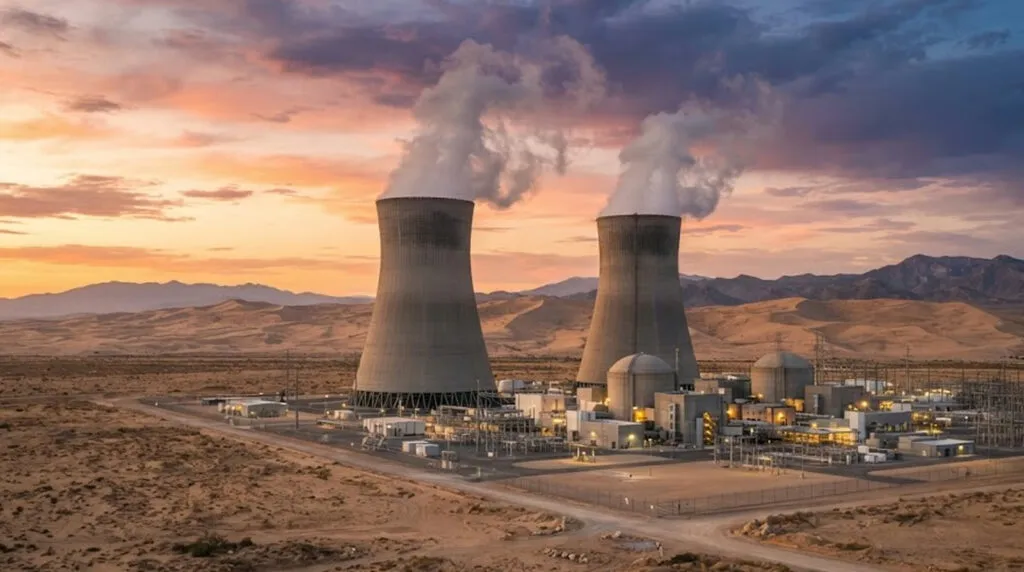
The agreement has been finished since July. The reactors are AP1000s, the term is thirty years, and the bill is measured in tens of billions of dollars. The only thing missing is Riyadh's signature under something that has nothing to do with electricity: recognition of Israel.
Donald Trump has sent the civil nuclear energy agreement with Saudi Arabia to Congress, which has 90 legislative days to review it. The arrangement allows American companies to export civil nuclear technology to the kingdom. But a US official confirmed the condition remains unchanged: the deal moves forward only if Saudi Arabia joins the Abraham Accords.
Power for a signature
The Abraham Accords are the series of normalisation agreements between Israel and Arab and Muslim-majority states, brokered by Washington and signed in 2020 and 2021. The United Arab Emirates, Bahrain, Morocco and Sudan went into that package. Saudi Arabia, the biggest fish, stayed out.
And that is where the story stalls. Riyadh wants an irreversible path to a Palestinian state before it recognises Israel. Diplomats assessed the kingdom was close to normalisation in 2023, until the war in Gaza changed every calculation. Since then the bill has looked different and nobody is in a hurry to pay it.
Nothing new under the sun
It is worth noting this is not a Trump invention. The previous administration pushed the same nuclear deal and tried to tie it to the same accords. So the difference between the two American policies here is style, not substance. Energy is the stick and the carrot at the same time, and that is a game the Balkans recognise without translation.
Who ends up making money? The AP1000 reactors are built by Westinghouse, a company owned by Canada's Cameco and Brookfield Asset Management. A thirty-year contract, tens of billions of dollars. Geopolitics is written in press releases, but it is signed on invoices.
And the question nobody asks out loud remains: how much does one recognition cost? If the answer is measured in reactors, then diplomacy stopped being about principles a long time ago.
The latest 10 news from this category

The Secret Service confirmed it is aware of the footage. When the target is not the politician but his family,...
Around fifty states signed the UN statement on Ukraine. Washington put forward its own, different one. The claim of a...
An American C-17 military aircraft landed in Moscow via Riga. When intelligence services start talking directly, it means diplomacy has...
For the first time since the Second World War a far-right party is set to take over a German state....
The largest financial offensive in history - against an opponent whose biggest customer has no intention of stopping. "You are...
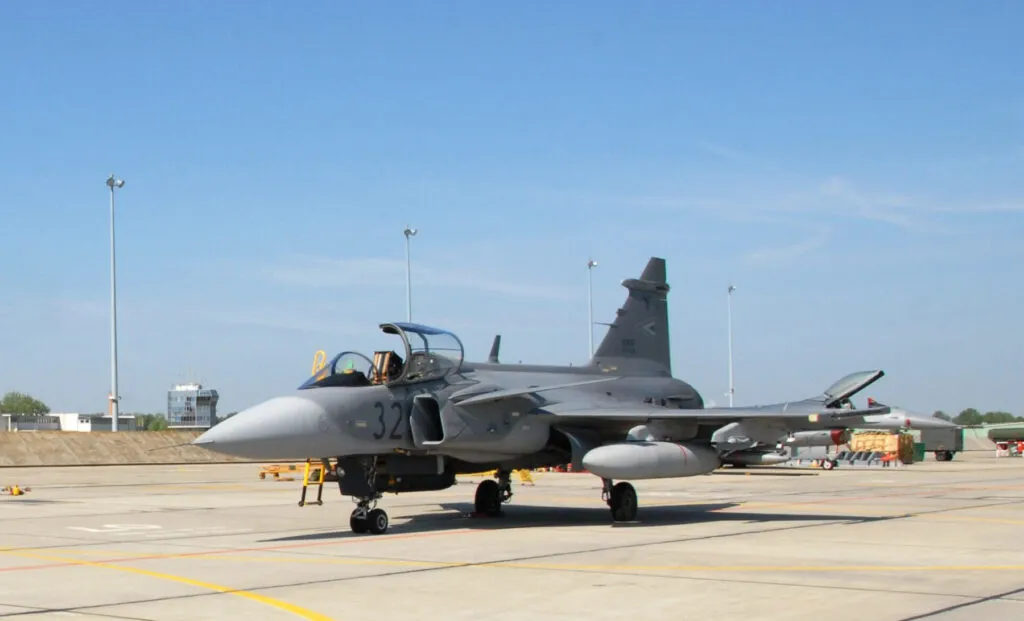
Hungary has fourteen of these aircraft in total. One lost in a single morning - and the story left unwritten...
Leaving the euro, closed borders, the end of Schengen - and 27 percent support nationally. The question is no longer...
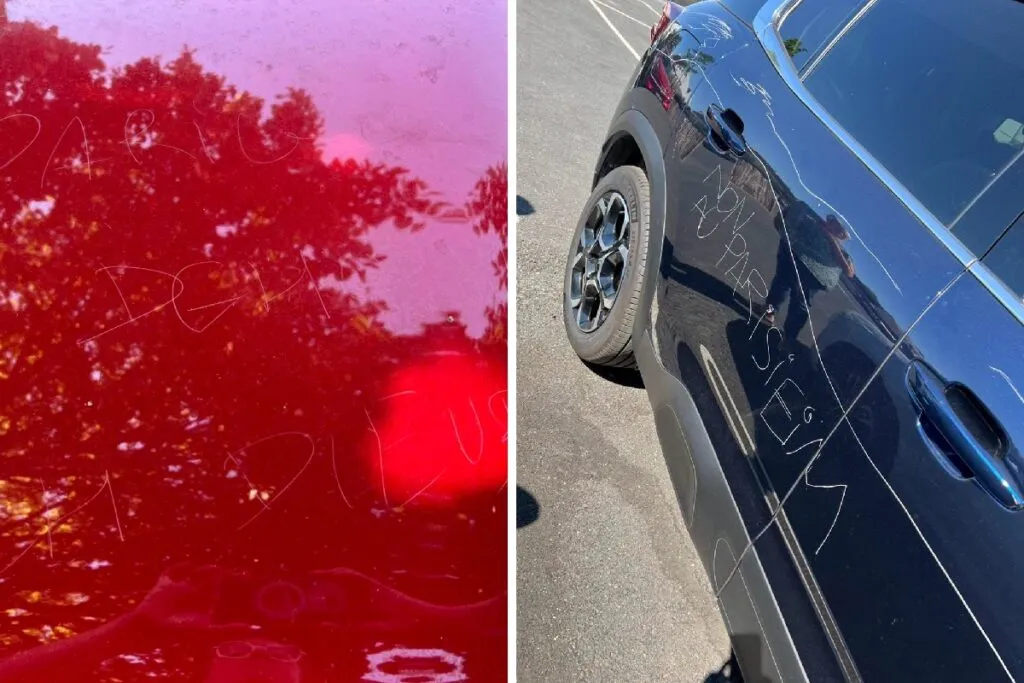
Messages scratched into cars, writing on walls. But the revolt is not against foreigners - it is against their own...
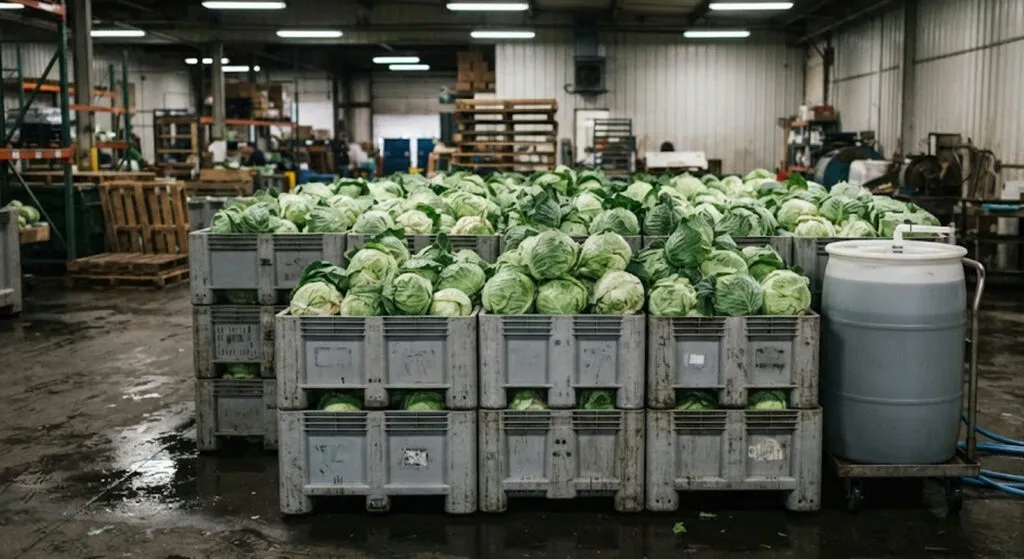
A blogger filmed cabbage being dipped in a banned chemical and the authorities confirmed the footage is genuine. China grows...
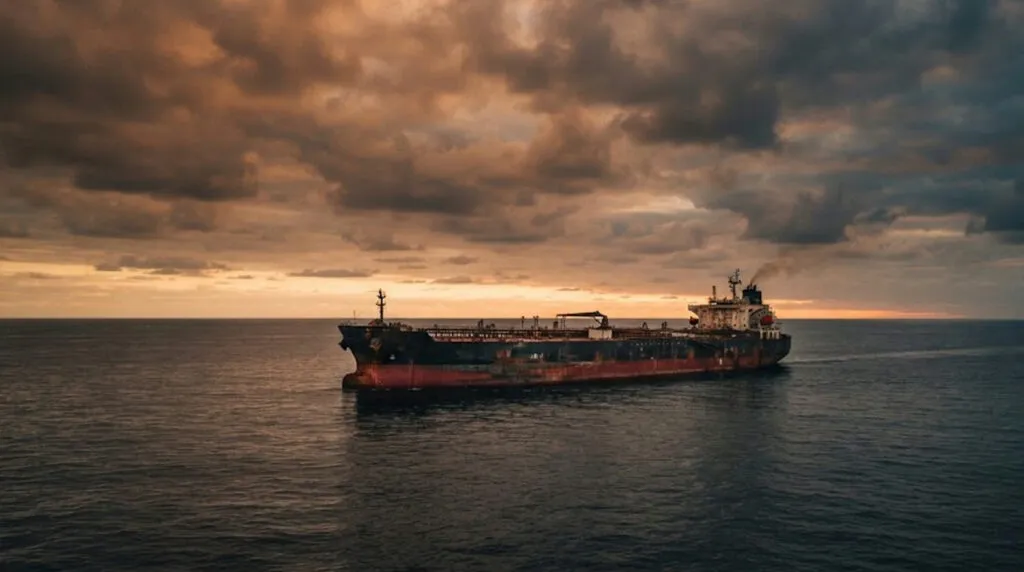
The biggest sanctions package yet is being billed as historic isolation. The problem is that the ties that need cutting...
This site uses cookies - is that okay? Learn more
Be the first to know when Metla launches something new
Leave your email and we will write when there is a new guide or something new on Metla.
