

Expert witness at the Puls trial: the change-of-use application had to come from the owner, not the tenant
26.08.2026


26.08.2026

26.08.2026
26.08.2026
26.08.2026
26.08.2026
26.08.2026
26.08.2026
25.08.2026
24.08.2026
26.08.2026

26.08.2026

25.08.2026

26.08.2026

26.08.2026

26.08.2026

26.08.2026

25.08.2026

24.08.2026
26.08.2026

26.08.2026

26.08.2026

26.08.2026

26.08.2026

25.08.2026

09.03.2026

27.02.2026

19.02.2026

26.08.2026
25.08.2026

24.08.2026

23.04.2026

23.04.2026

12.04.2026
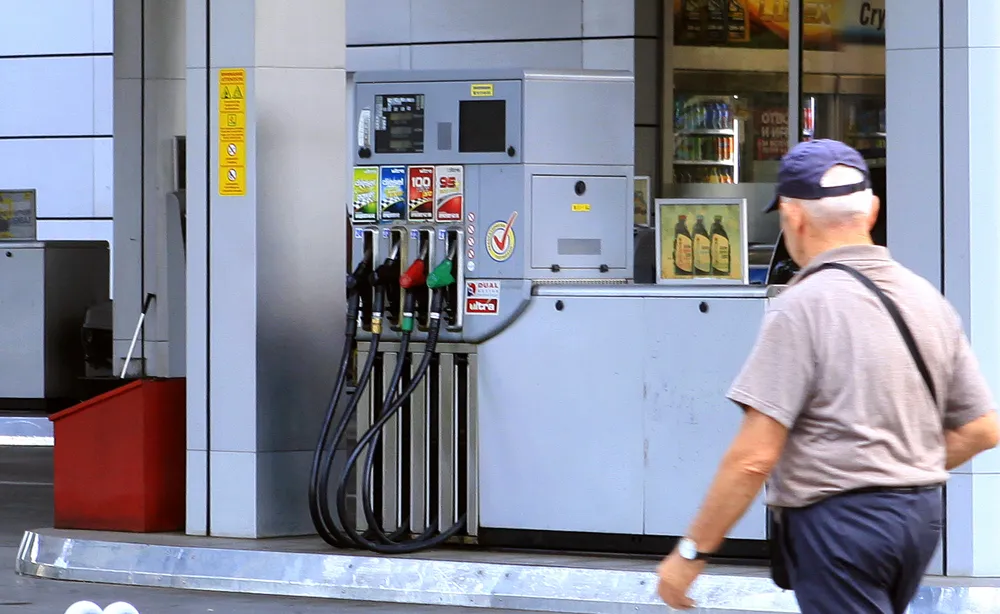
The question was specific: does the government plan to cut the VAT rate on fuel? Prime minister Hristijan Mickoski's answer also sounded specific.
"Yes, we are planning, we have a clear strategy, we have a clear plan," he said.
Three claims in one sentence, and not one of them with any content. When will it be cut? From what to what? Under what condition does the measure kick in? None of that followed. The VAT rate on fuel is still 18 percent.
Prices are back at 2022 levels
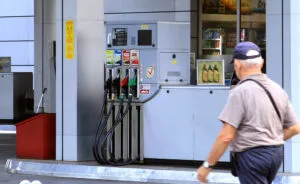
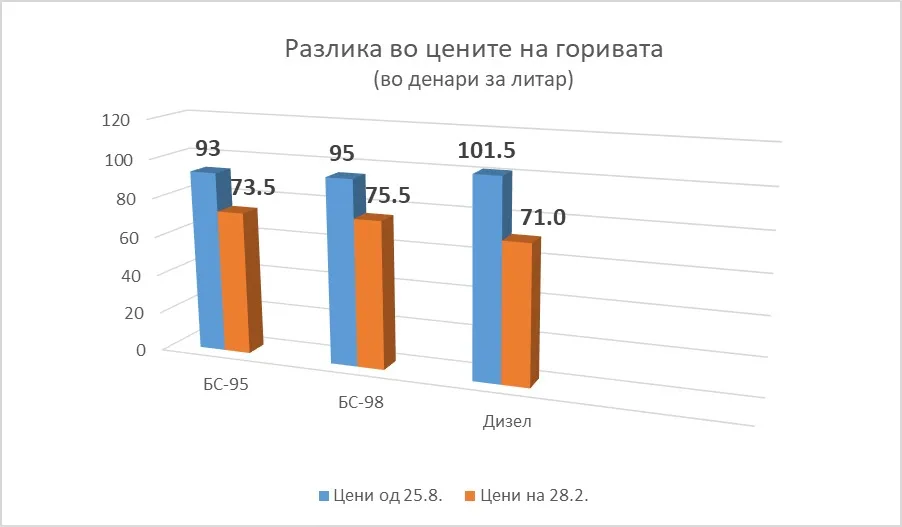
The context that makes the question urgent: under the Energy Regulatory Commission's decision, diesel costs 101.5 denars a litre and Eurosuper BS-95 sells for 93 denars. That is the highest level since October, or rather November, of 2022.
The government has already applied this exact measure before - a VAT cut alongside an excise cut, to soften the knock-on effect on other prices. So the tool exists, it has been tested, and everyone knows how it works. Right now it is being held back.
"It could last several years"
The reasoning is macroeconomic. "According to our analyses this will last, this situation happening in the Gulf could last several years, so we are taking our steps carefully so as not to disturb macroeconomic stability in the country," Mickoski said.
The argument is legitimate - if a crisis runs for years, burning the fiscal room in month one is bad tactics. But then "we are planning, we have a clear plan" means something other than what it sounds like. It means the plan is to do nothing until things get much worse, and that the threshold for acting has not been stated.
Mickoski also did not answer the question of whether talks are under way with OKTA about a fuel discount, as happened in the previous period.
The comparison that is always to hand
Instead came the regional comparison. Diesel here, the prime minister claims, is half a euro per litre cheaper than in Albania, 35 cents cheaper than in Serbia, and 30 to 50 cents a litre cheaper than in every country in the region - Greece, Croatia, Slovenia, Bosnia and Herzegovina, Montenegro. People from neighbouring countries have been coming to fill up at Macedonian pumps.
"If we set politics aside and start looking at the numbers we will reach the conclusion that right now we are paying the least, since we all buy our oil and petroleum products from the same place," Mickoski said.
The figure is probably accurate. But "cheaper than Albania" is not an answer to "why is it 30 percent more expensive than last year". The driver filling a tank is not comparing himself with Tirana - he is comparing himself with his own bill from last year.
Reserves and inflation
Mickoski says state oil reserves are sufficient to cover the increased consumption - up to 50-60 percent of pre-crisis levels - and that no restriction has been introduced. Several airports in the region are supplied via re-export from Macedonia.
He also pointed to inflation: 2.3 percent year on year in July, the lowest in the region, and 1.7-1.8 percent in retail. "These are the facts," the prime minister concluded.
Facts are facts. But fuel is an input line on nearly every delivery note in this country, and the transmission from pump to shelf does not happen in the same month. If the situation really does last several years, as the prime minister himself warns, then the question is not whether VAT will be cut. The question is what the trigger will be - and why it has not been said out loud.
The latest 10 news from this category
The railways owe 175 million, the municipalities are growing fastest. Owed to private firms - over 315 million euros of...
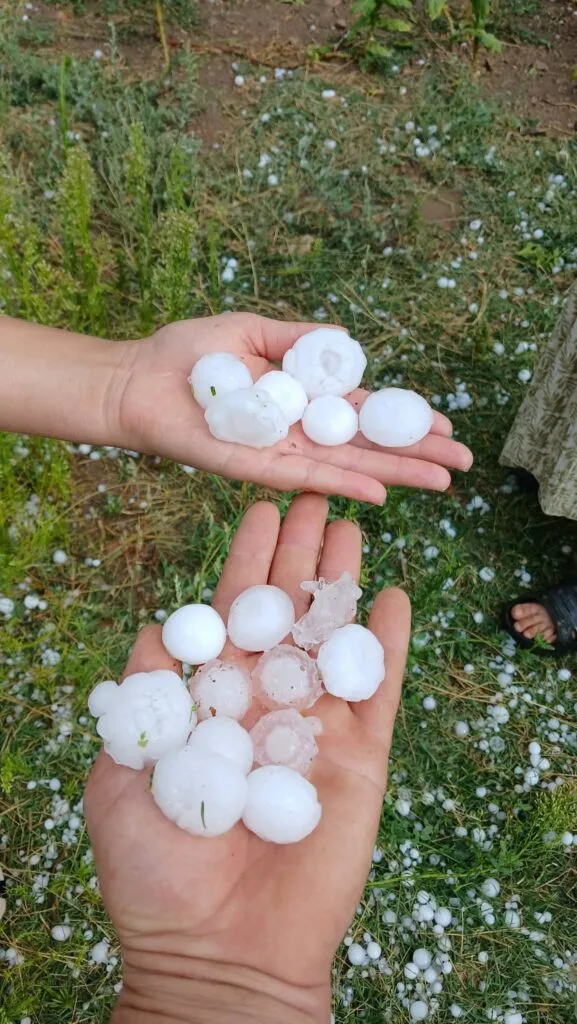
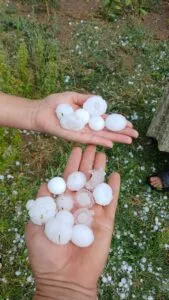
Walnut-sized hail wiped out an entire season around Dolneni. The mechanism that tied the purchase contract to the insurance contract...

The reference price is pinned to 1 June, which closes the raise-then-discount trick. But clothing, footwear and sports kit are...
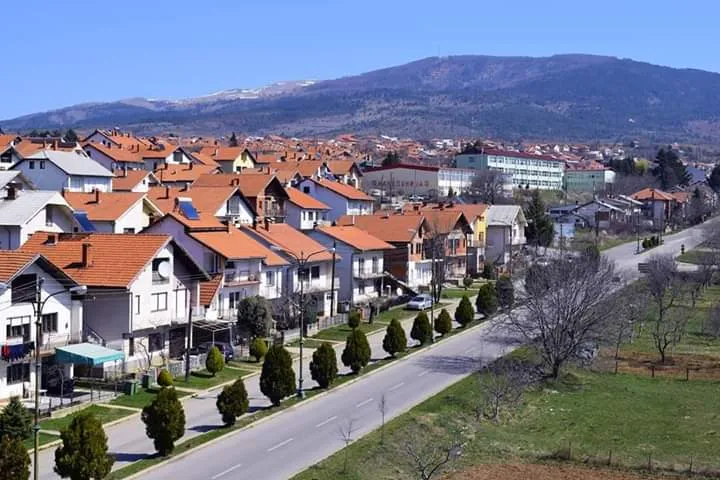
VMRO-DPMNE, SDSM and ZNAM voted the same way. The mayor says the law bars him from naming the investor -...
Шефот за дата центри издржа седумнаесет месеци и си замина. Фирмата вели дека само се реорганизирала - истото што секоја...
Кога твоите потенцијални тужители влезат како твои инвеститори, спорот за авторските права се решава во бордот, а не во судница....
Минхен не го добива роботаксито затоа што е богат град, туку затоа што некој пред пет години напишал правило за...
One tank now costs 1,525 denars more than in February. And that is with VAT cut and excise duties cut...
The price fell back to 25 denars, even though a higher one was agreed with the minister mediating. Farmers are...
The figure refers to a global commodity index, not to the Macedonian checkout. Wheat is the most exposed, and the...
This site uses cookies - is that okay? Learn more
Be the first to know when Metla launches something new
Leave your email and we will write when there is a new guide or something new on Metla.
