

Kratovo man stabs police officer mid-intervention: prosecutors want the 40-year-old detained
15.09.2026


15.09.2026

15.09.2026
15.09.2026
15.09.2026
15.09.2026

15.09.2026
15.09.2026

14.09.2026
13.09.2026

15.09.2026

15.09.2026

14.09.2026

15.09.2026

15.09.2026

15.09.2026

15.09.2026

14.09.2026

13.09.2026
15.09.2026

15.09.2026

15.09.2026

15.09.2026

15.09.2026

14.09.2026

09.03.2026

27.02.2026

19.02.2026

15.09.2026

14.09.2026

14.09.2026

23.04.2026

23.04.2026

12.04.2026

At least three killed and 23 wounded in Israeli strikes on southern and eastern Lebanon overnight. That is the figure released by Lebanon's health ministry. What has not been released - and is already circulating in the media - is that the targets allegedly included senior Iranian officers in tunnels beneath a ridge whose name nobody outside the region knows: Ali al-Tahir.
The strikes hit five locations: the Tyre and Nabatieh regions in the south and the Bekaa in the east. How many of the casualties were fighters and how many civilians has not been specified. That "not specified" is the sentence repeated after every strike like this, in every war, on every continent. And it always means the same thing: somebody knows the numbers, but later.
A 600-metre ridge worth more than a city
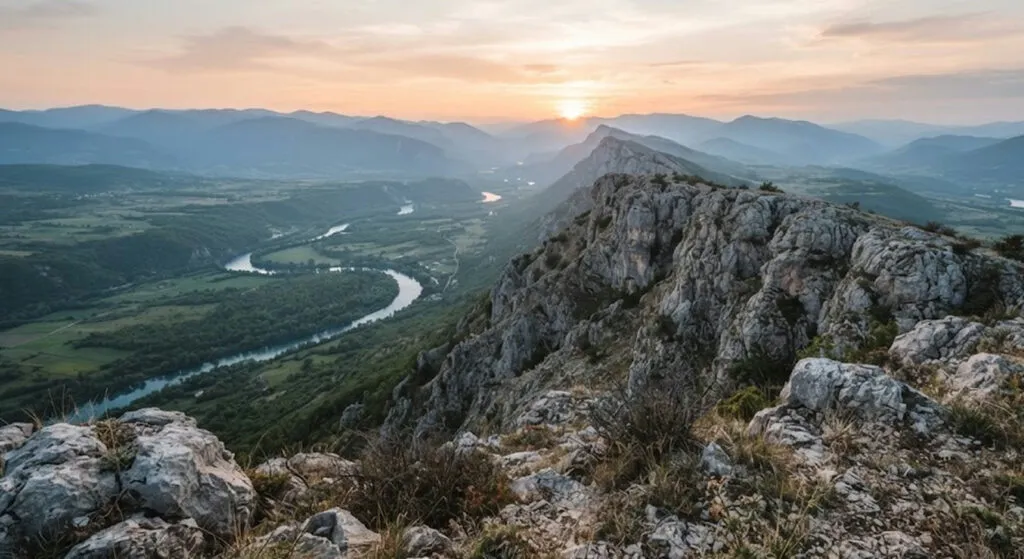
The strikes were, according to sources, retaliation for a Hezbollah drone attack on Israeli troops operating in the security zone of southern Lebanon, in the area of that very ridge. Six hundred metres above sea level, directly above the Litani river. Not an impressive number until you understand what can be seen from there.
And from there you see all of southeastern Lebanon - and northern Israel, the so-called Galilee Panhandle. Whoever holds the ridge looks into both back yards. That is what people die for up there, not because there is anything on the summit.
Beneath the ridge itself, it is claimed, sat a strong Hezbollah stronghold, primarily in underground tunnels - a massive complex built over decades, serving as the main command centre of the regional "Badr" division. Decades. Which means the digging went on while the world was looking elsewhere, and it is now being destroyed while the world is looking here.
Unverified information first published by an international agency claims that inside, alongside Hezbollah fighters, there were more than ten members of Iran's Revolutionary Guard and at least two senior Iranian officers. If that is confirmed, then last night's strikes were not only against a Lebanese organisation - but directly against an Iranian command on Lebanese soil. The difference is enormous, and it still hangs on the word "allegedly".
In the Balkans we know what a hill above a village means. We also know what it means when someone explains to you that there is nobody up there. The question is when somebody will publish the names and the numbers instead of letting them "leak" - and whether anybody intends to at all.
The latest 10 news from this category
Between 2,300 and 3,000 North Korean soldiers have died in Kursk so far. Kim Jong Un has found an export...
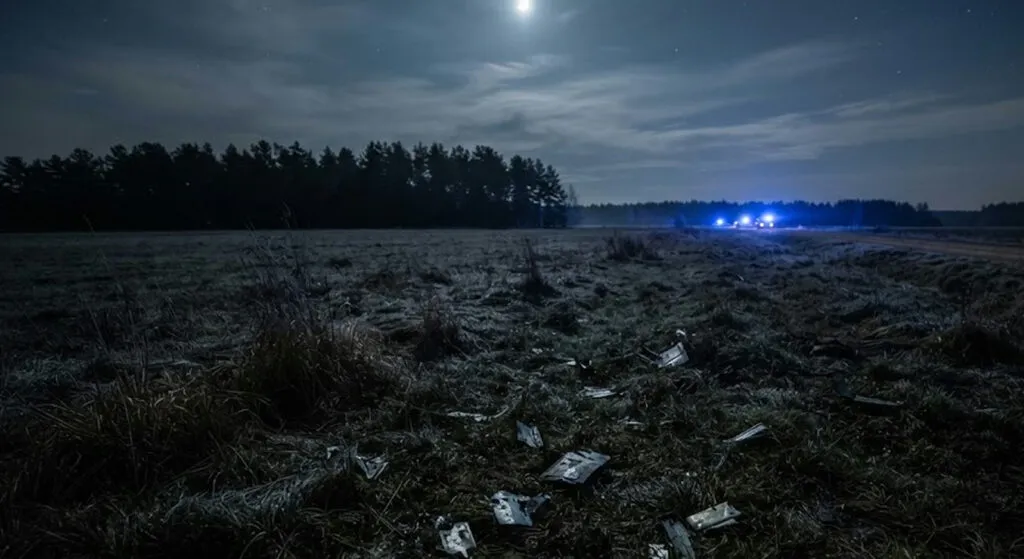
A NATO fighter jet downed an unmanned aircraft over Lithuania minutes after midnight, and citizens got the warning on their...
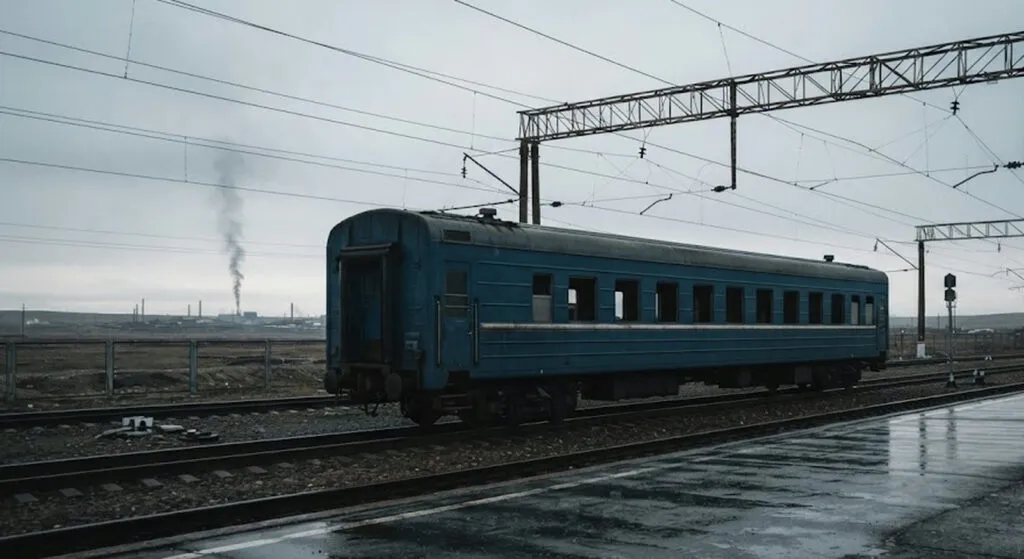
The train was empty, the locomotive damaged, nobody hurt. But Boris Johnson and a group of European security advisers had...
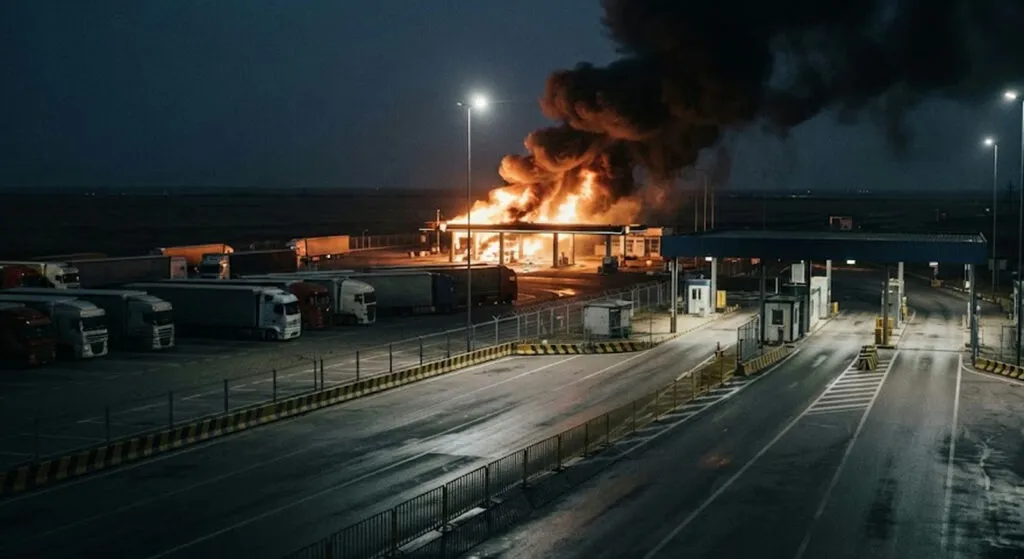
453 drones in one night, 405 shot down - and the forty-eight that got through land somewhere. Poland's prime minister...

Trump's son-in-law told an audience in Kyiv the deal is done - if Ukraine withdraws. And added that the battlefield...
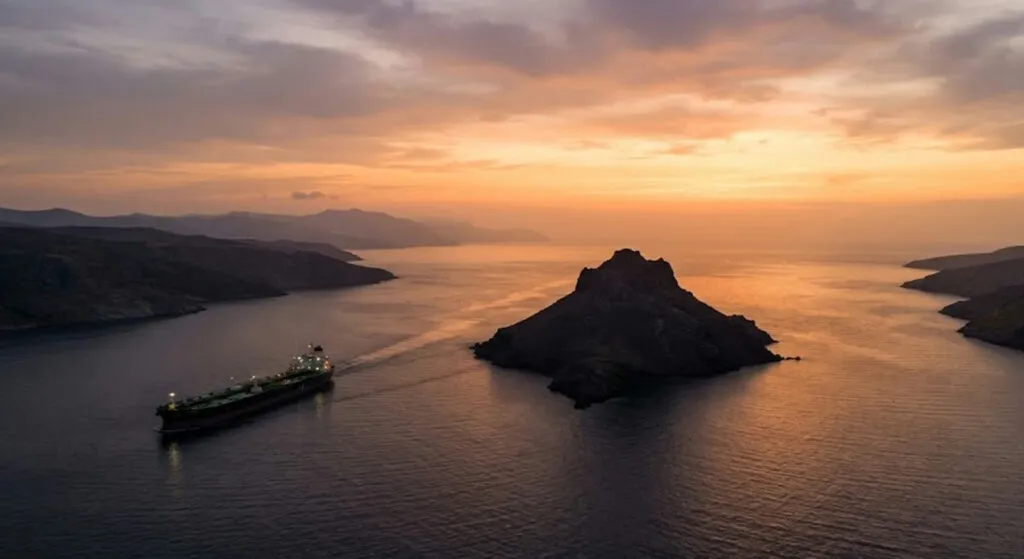
A barren volcanic rock in the middle of a strait 28 kilometres wide changed the oil market in a single...
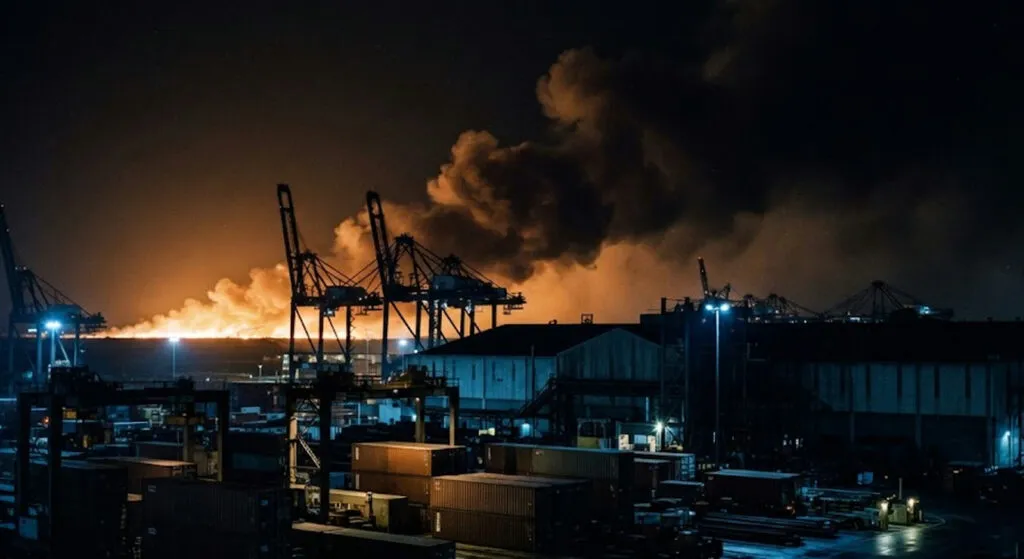
Hostomel, Odesa, Kryvyi Rih - targets that are not the front line but the supply chain. A war against the...

We don't want war with Europe, but here is exactly how that war would start. He said both sentences in...

When an army recalls its special forces with a 12-hour deadline, that is not a rota but a signal. The...

Port infrastructure in Makhachkala and the theatre building caught fire, the governor said. Moscow claims it shot down 448 drones...
This site uses cookies - is that okay? Learn more
Be the first to know when Metla launches something new
Leave your email and we will write when there is a new guide or something new on Metla.
