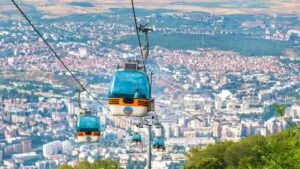
Three of Four Sensors Were Dead: Skopje's Vodno Cable Car Ran Fifteen Years Without a Real Service
17.09.2026


17.09.2026

17.09.2026

17.09.2026

17.09.2026
17.09.2026

17.09.2026
17.09.2026
16.09.2026
15.09.2026

17.09.2026

17.09.2026
16.09.2026
17.09.2026

17.09.2026

17.09.2026
17.09.2026
16.09.2026
15.09.2026

17.09.2026

17.09.2026

17.09.2026

17.09.2026

17.09.2026

17.09.2026

09.03.2026

27.02.2026

19.02.2026

23.04.2026

23.04.2026

12.04.2026

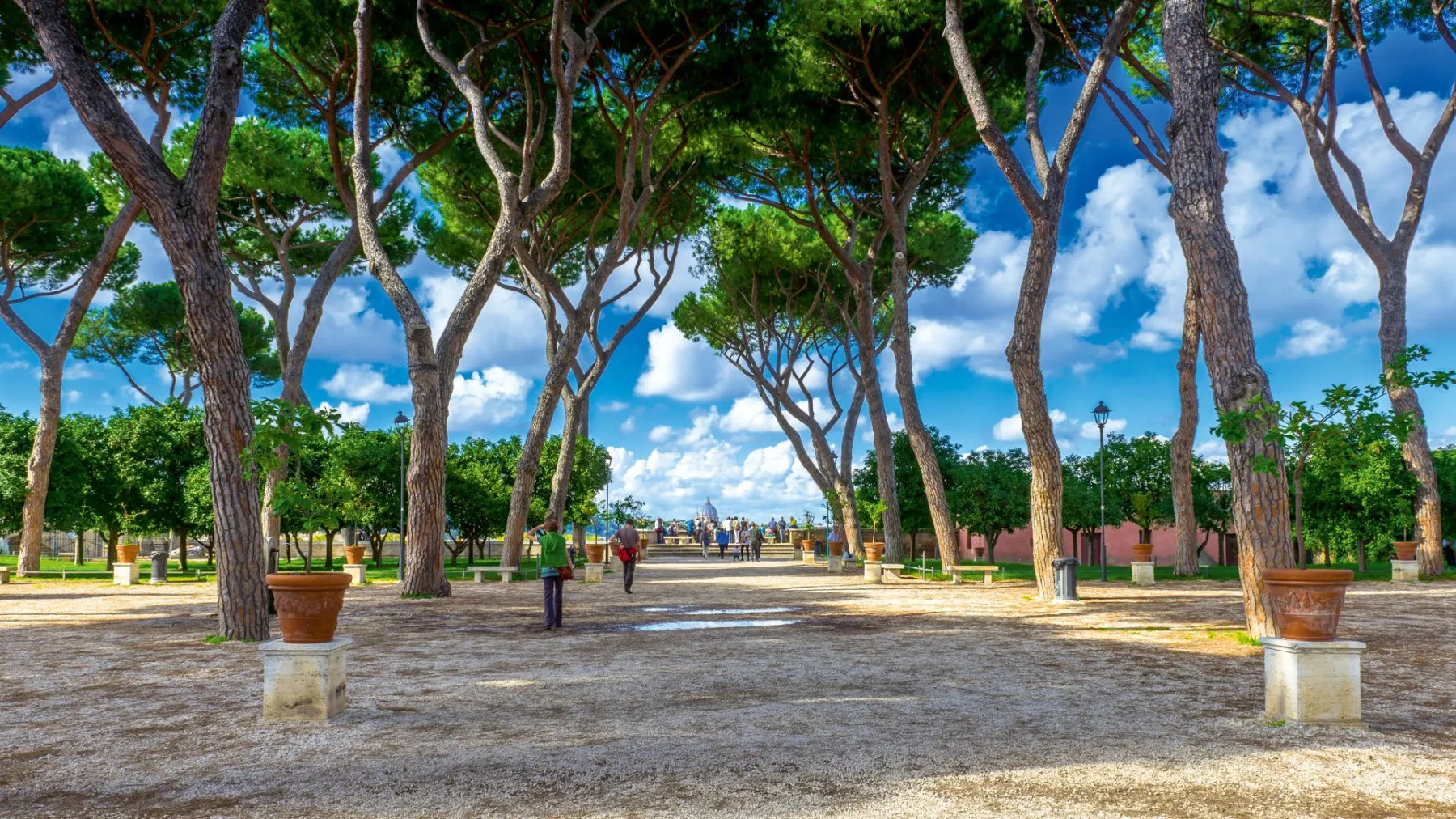
Every summer, the same mistake: you want to see everything, so in the end you see nothing but queues, crowds and asphalt burning under your feet. There's another way to move through Europe's capitals - through the hidden gardens locals know and tourists rarely find.
In Rome, climb the Aventine, one of the seven hills, and find Parco Savello, better known as the Garden of Oranges. Among the pines, cypresses and citrus trees, behind the walls of the Savelli family's old fortress, a view opens toward the Tiber and the dome of St. Peter's. This was once the orchard of the Dominican monks from the monastery of Santa Sabina - today it's one of the quietest spots in a city that never learns to stay quiet.
Lisbon has its own answer in the Gulbenkian Foundation Garden - eight thousand square metres with over 230 plant and around fifty bird species, a lake, concerts and open-air exhibitions. The complex, the first modern work declared a national monument in Portugal, was recently refreshed by Japanese architect Kengo Kuma in a zen spirit. Calm in the middle of the metropolis, built on purpose.
In London, in the elegant Holland Park district, the Kyoto Garden hides away - a gift from the city of Kyoto, opened in 1991. Cherry and magnolia blossoms, a koi pond, wooden bridges, stone lanterns and bamboo - traditional Japanese aesthetics dropped into the middle of west London.
Valencia has the 19th-century Monforte Garden, twelve thousand square metres locals call the most romantic place in the city: marble statues, ponds, trimmed hedges and two stone lions originally carved for the parliament. And Paris answers with the Coulée verte René-Dumont - 4.7 kilometres of greenery raised on bridges and viaducts, along the route of an old railway line that starts at the Viaduc des Arts, near the Bastille opera.
None of these corners asks for a high-speed train ticket or a reservation months in advance. They ask only for the one thing summer takes from us most - the willingness to stop. And that, perhaps, is the most precious gift a city can give you.
The latest 10 news from this category

Of twenty-five new inscriptions, five are natural - and only one is in Europe. For the richest of them, the...
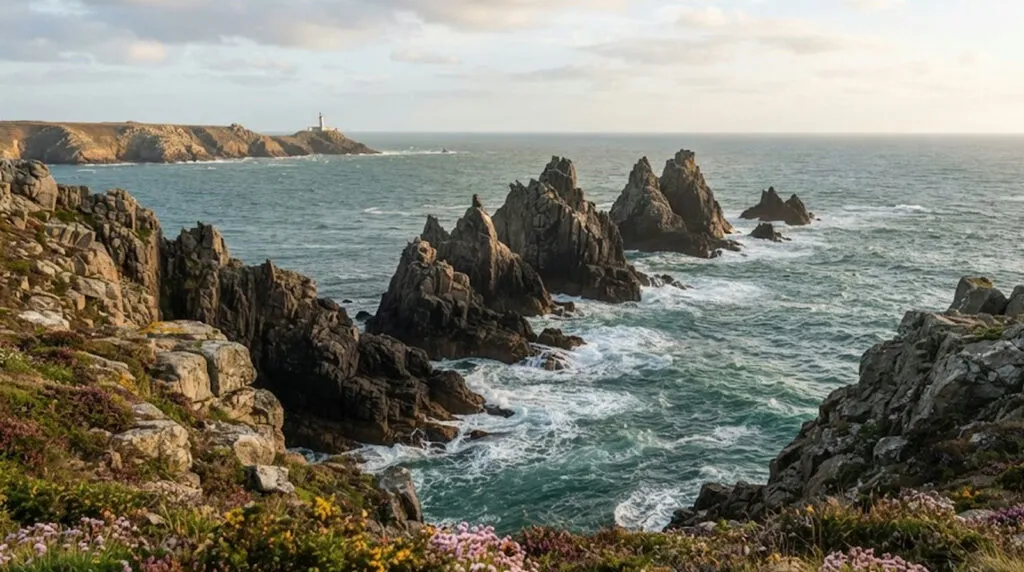
Fifty beaches, more than 120 villages and a trail France voted its favourite. Monet came for a few days and...
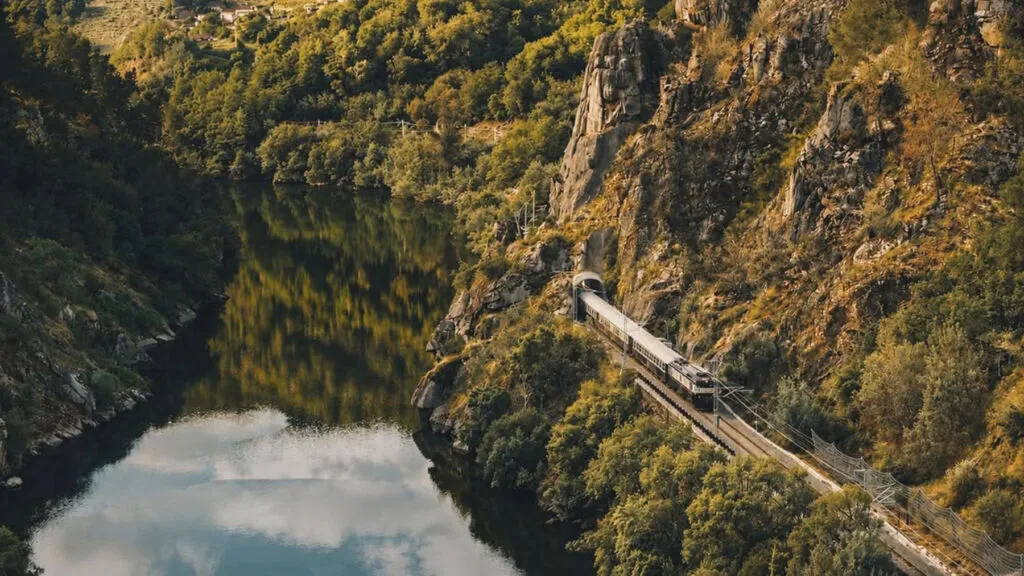
Restored carriages, a locomotive they call the Japanese Woman and a 28.95 euro return ticket. What it sells is not...
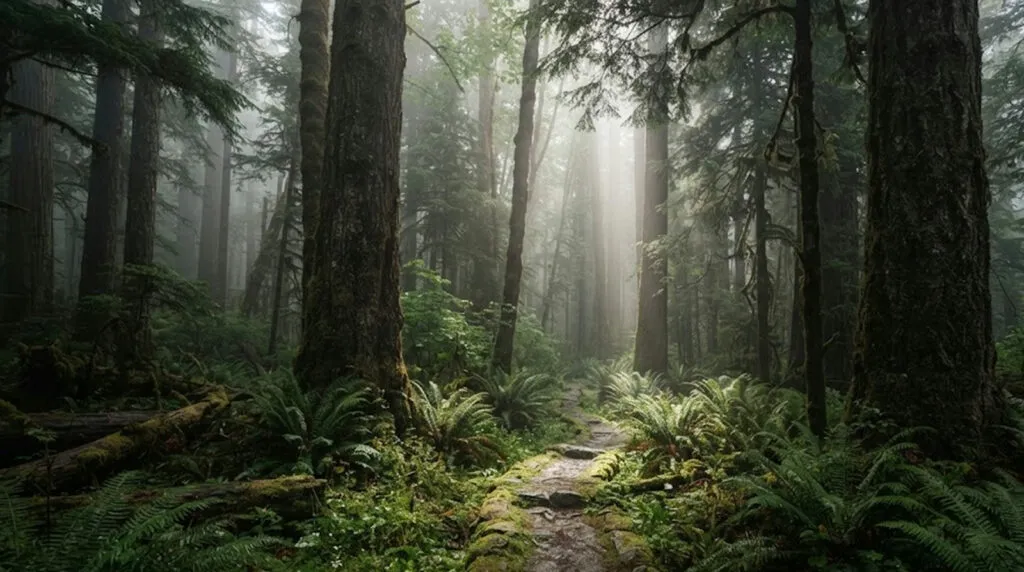
Two hundred and fifty tree species from every corner of the world, a monastery from 1628 and a palace that...
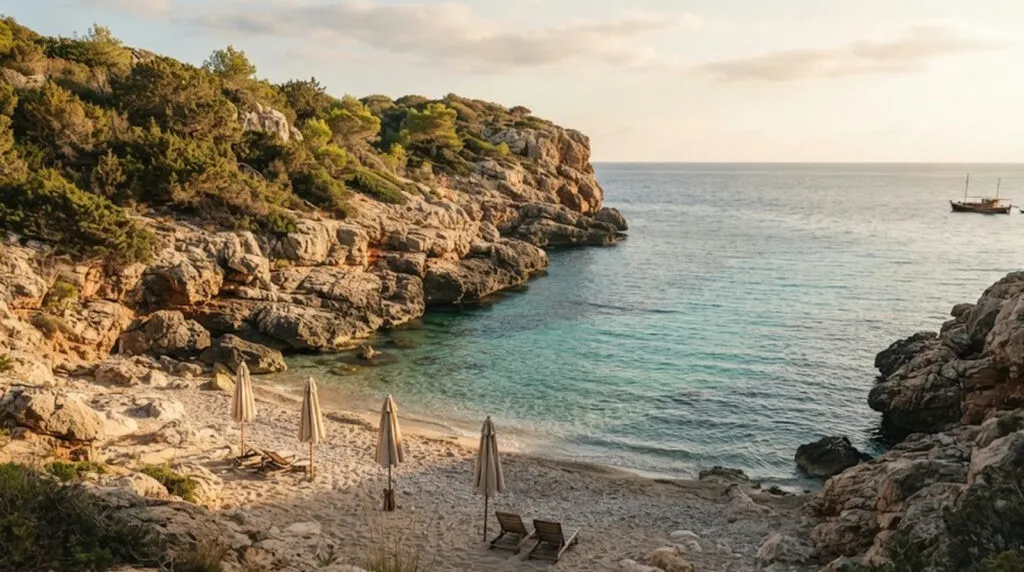
The same places cost more in August, look crowded and are experienced at half strength. The difference is made by...
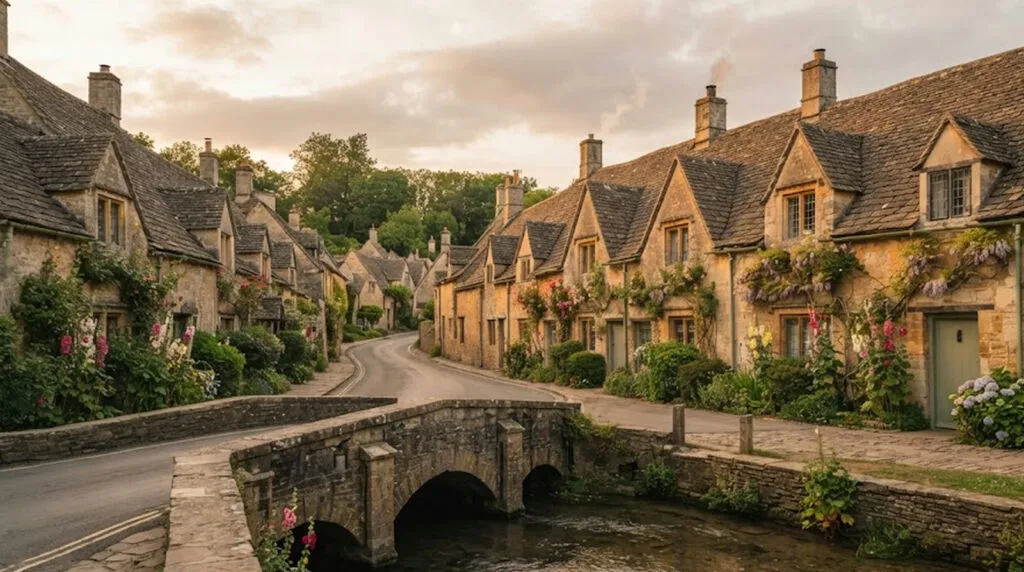
The Beckhams have a place there, so do Kate Moss and Ellen DeGeneres. But the Cotswolds needs none of those...

Down on the coast the buses pass each other with centimetres to spare and all you see is people. Up...
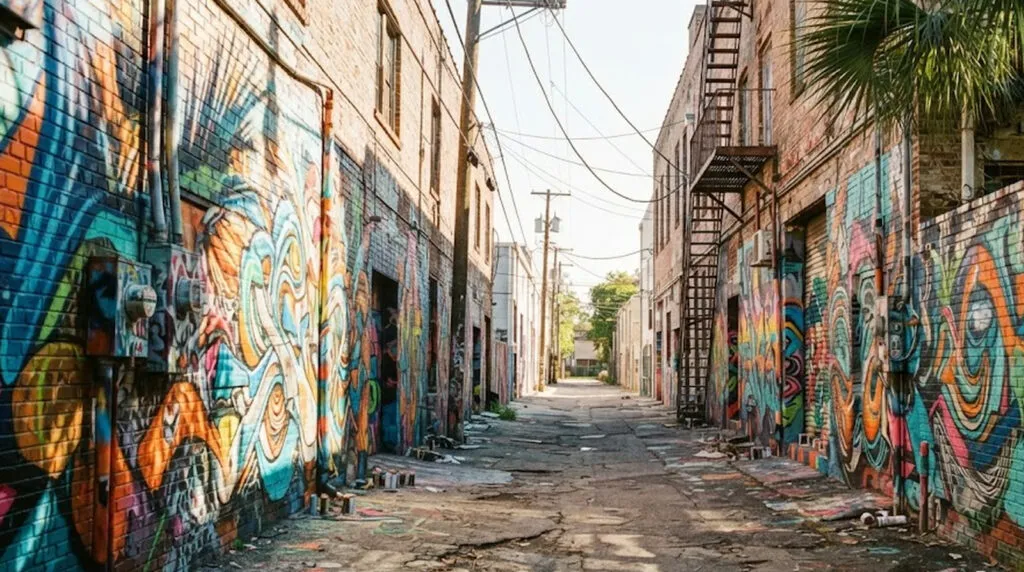
Empty warehouses, low rents and one real estate developer. A model we know without flying to Florida.
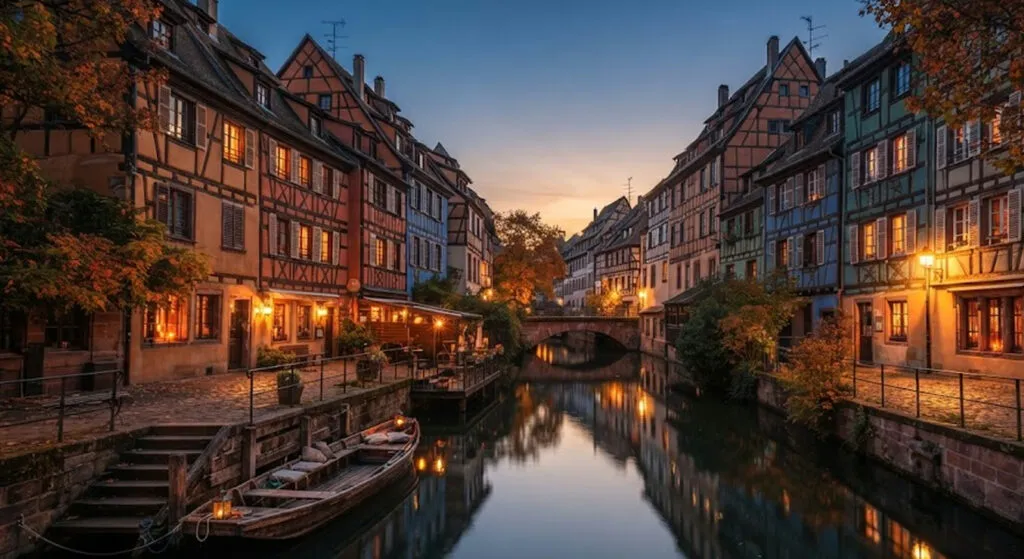
Old tanners' and dyers' workshops, built directly over the river. From 10 to 13 September the town puts boats and...
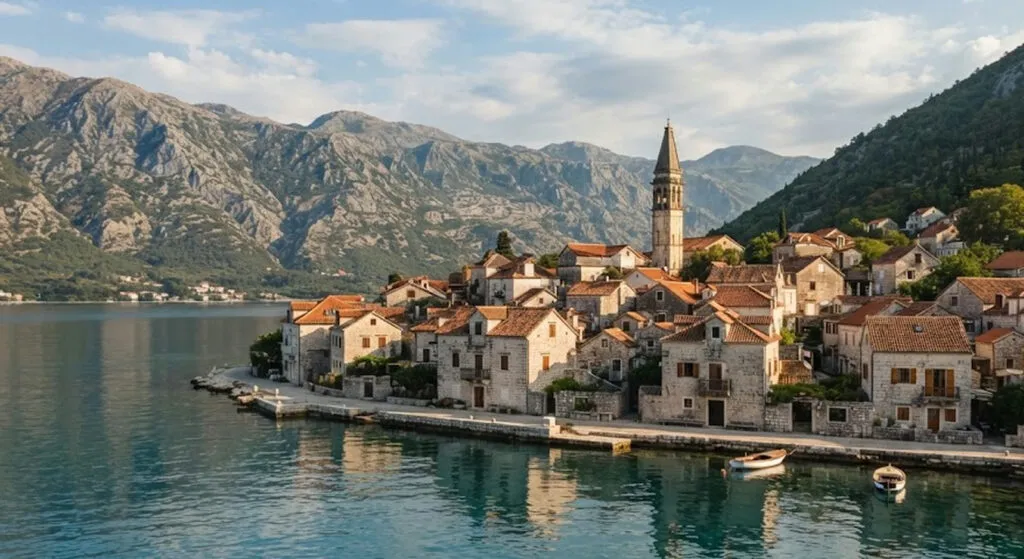
The Albanian Riviera, Montenegro, Sardinia, Lyon and the Algarve. The same weather as August, fewer people, and a bill that...
This site uses cookies - is that okay? Learn more
Be the first to know when Metla launches something new
Leave your email and we will write when there is a new guide or something new on Metla.