
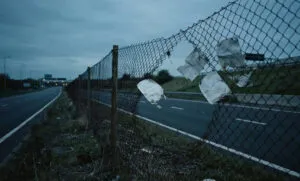
Bear cub killed on the Skopje-Tetovo motorway: the fence is a legal obligation, while the rescue team exists only in a Viber group
25.10.2026


25.10.2026

25.10.2026
25.10.2026
25.10.2026

25.10.2026
25.10.2026

25.10.2026

25.10.2026

25.10.2026

25.10.2026

25.10.2026

24.10.2026

25.10.2026

25.10.2026

25.10.2026

25.10.2026

24.10.2026

23.10.2026

25.10.2026

25.10.2026

25.10.2026

25.10.2026

25.10.2026

25.10.2026

25.10.2026
25.10.2026
24.10.2026
24.10.2026
22.10.2026
20.10.2026

23.04.2026

23.04.2026

12.04.2026

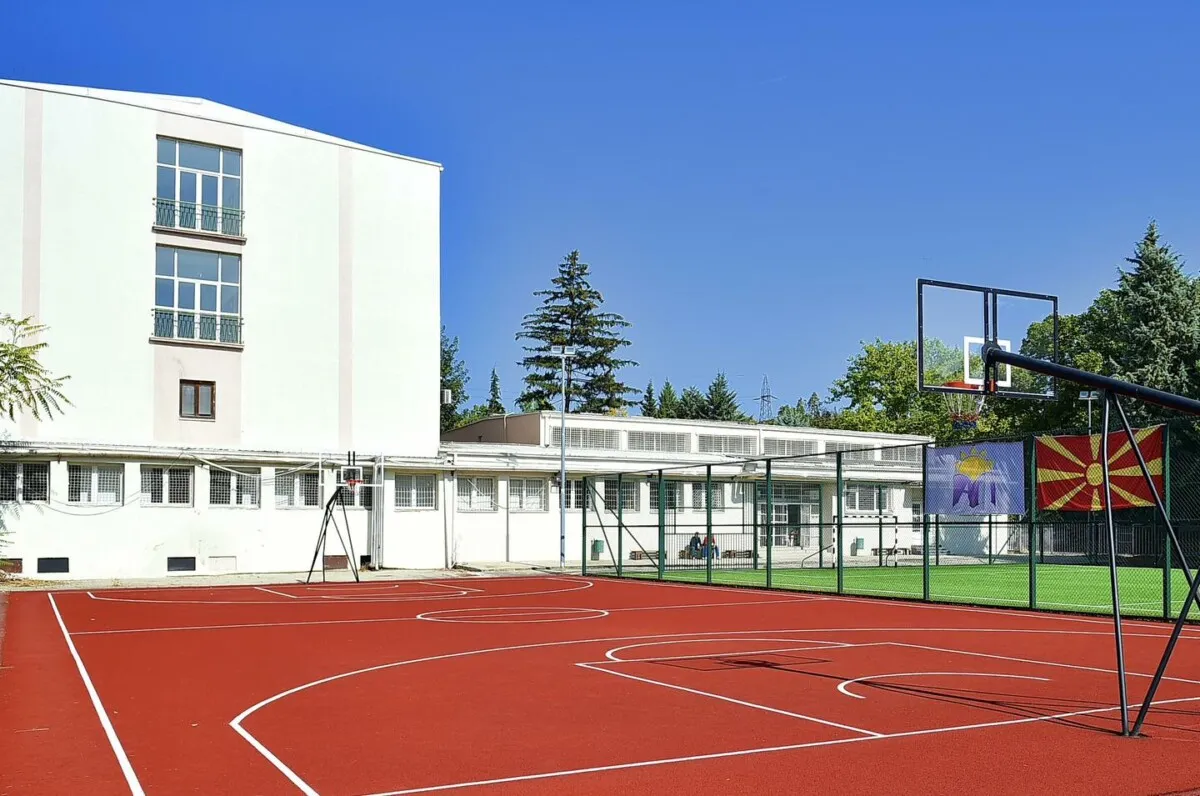
The Skopje City Council dismissed the school board of the "Pance Arsovski" gymnasium. The decision was taken on an enforceable ruling by the State Education Inspectorate, which found "serious violations in operations". The councillors who voted for it never saw the report stating what those violations are.
That is the whole story in one sentence - and it is not about a single school.
What the councillors know, and what they do not
The City of Skopje's services explained that the Council and the mayor have no legal authority to review or interpret the Inspectorate's decisions, and are obliged to implement the enforceable ruling. If the Council fails to do so, under its supervisory powers the Education Ministry will dismiss the board and appoint an acting head.
Legally, that is most likely correct. The Council really is not an appeals commission. VMRO-DPMNE councillor Aneta Markovska-Ilievska put it the same way: "We here are neither a court nor an appeals commission" - the Council, in her view, is there only to decide for, against or abstain.
But then another question arises, and nobody answered it today: what is the point of a vote where the body voting knows in advance that only one outcome is permitted, and where the evidence was never handed over? A vote without the evidence is not a decision - it is a signature.
What the "serious violations" are
According to SDSM councillor Goran Simonovski, there are two. First: an unmet quota of teaching hours because one lesson was not entered in the electronic register - where the law allows a 5 percent deviation. Second: a school trip that lasted one day longer because the operator's buses returned after 12:00, which counts as another whole day.
If that is an accurate description of the offences, then the phrase "serious violations in operations" carries far more weight than the allegations themselves. And the phrase is what reaches the Council - not the allegations.
Simonovski also pointed out what the dismissed head, Jovan Petreski, who ran the school since 2018, had done: he installed solar panels on the school roof, replaced all the windows, put on an energy-efficient facade. Those are exactly the items now sitting on the government's list of plans for other schools.
The timeline
The Inspectorate first delivered a report with proposed measures to the head teacher, then to the school board. Since neither acted within the legal 30-day deadline, the case reached the City Council as the founder of the secondary school. The head teacher was already dismissed on 27 August. The board was dismissed six months after that same Council appointed it.
Councillor Katerina Canevska Arsovska pointed out that the dismissed head teacher was not returned to the post he held before he began running the school, and that both he and the board had acted on the proposed measures. "Schools cannot allow head teachers to be party loyalists, and inspection oversight must even less be a mechanism for eliminating them," she said.
Where the real question is
The Council majority says everything was done by the book. The opposition says it is party revanchism. Both sides can be right at once - the procedure can be flawless and the outcome still political.
Which is exactly why one thing is being asked, and it is a small thing: make the State Education Inspectorate's report available. If it really does set out serious violations, that document defends the decision better than any speech in the chamber. If it sets out an unlogged lesson in the e-register and a bus that ran late, that is learned from the same document too.
An institution that establishes violations has an obligation to show them. Anything else turns the inspectorate from a control mechanism into a tool whose weight depends on who is holding it.
The latest 10 news from this category
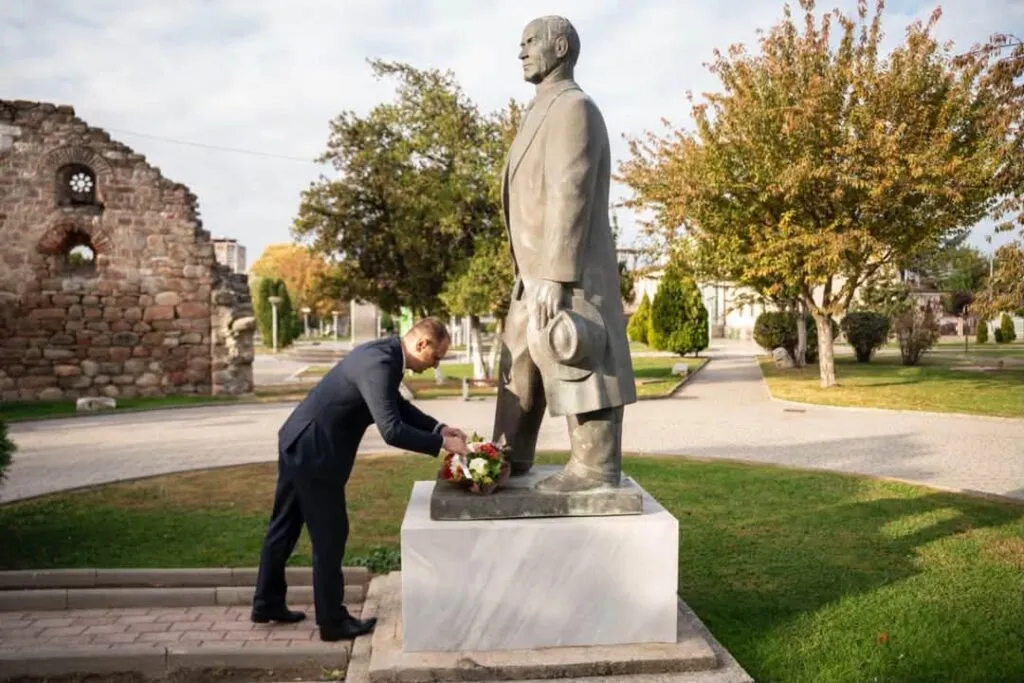
Wreaths, delegations and a message about building together. Chento, Gjorche Petrov and Pere Toshev left deeds, not speeches - the...
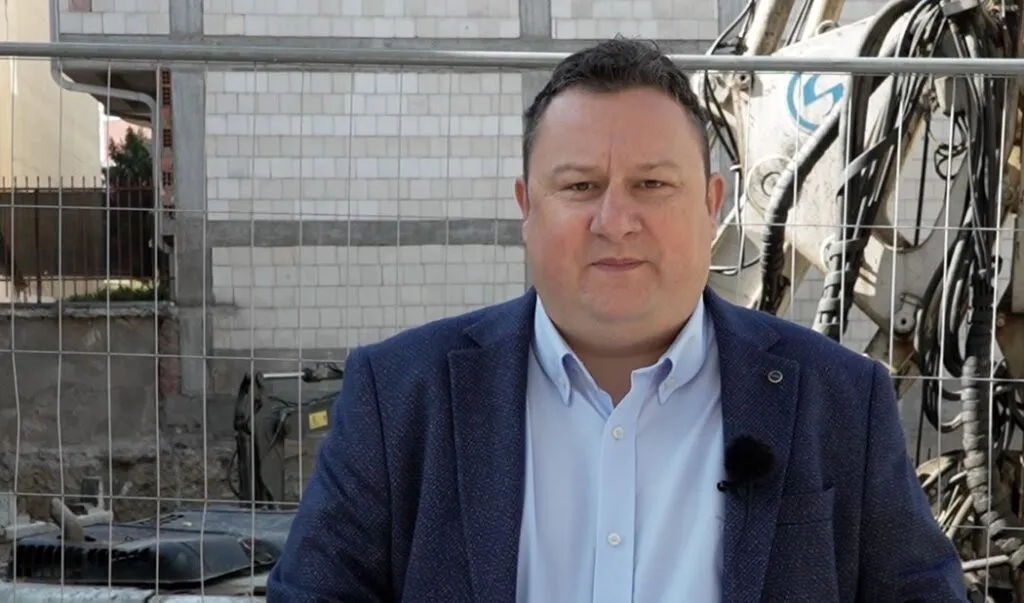
VMRO-DPMNE says Centar is waving through construction with no parking and no greenery, the mayor says investors are blocking the...
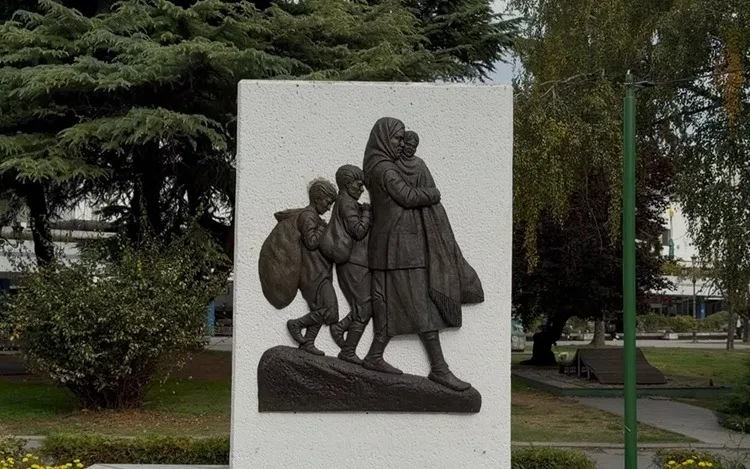
A mother fleeing with three children, the symbol of some 28,000 children driven out of Aegean Macedonia. Skopje restored the...
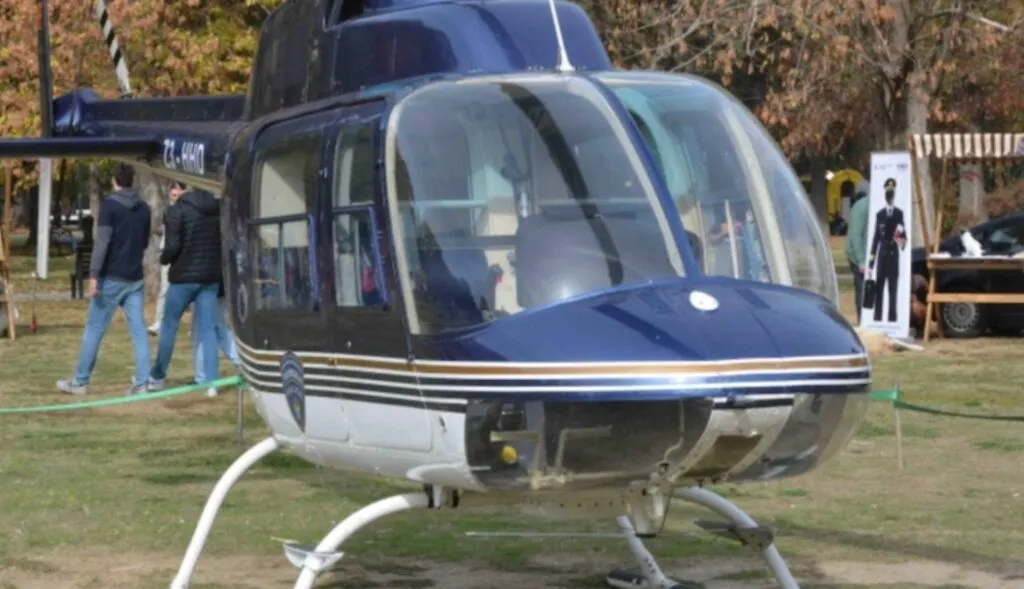
The police helicopter, airlines and academies from across the region in one place. Strong turnout - but how many of...
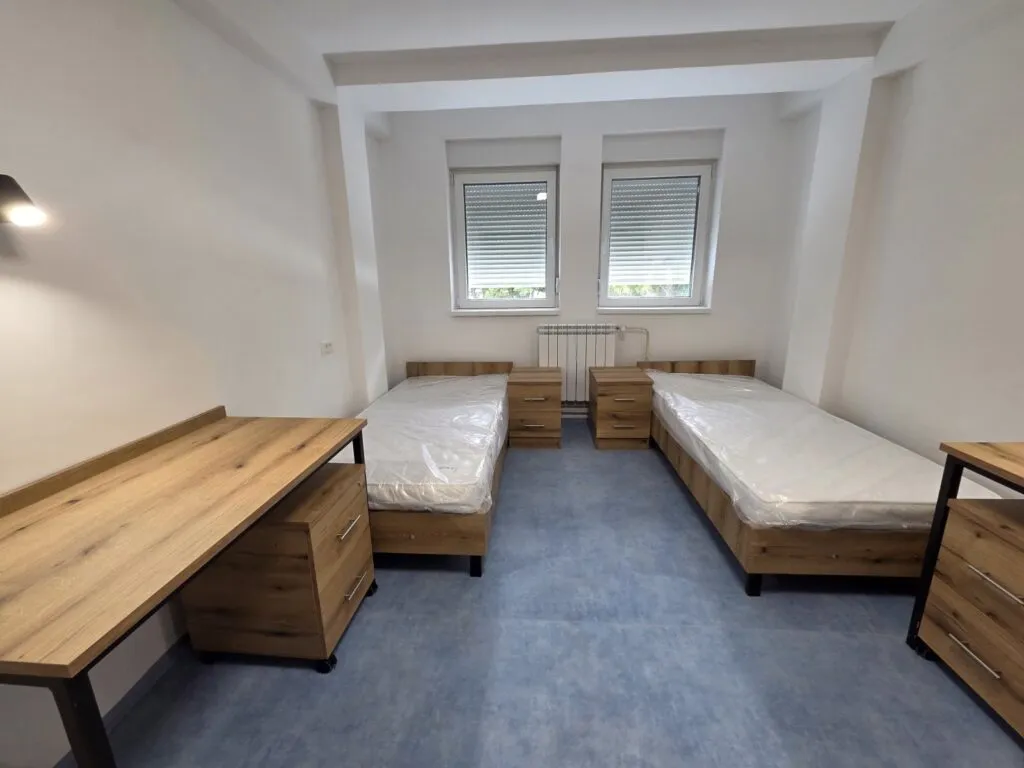
Students pay almost twice as much for "European standards" and got damp and cold radiators. The ministry responds with a...
Of 341 buses, 185 are roadworthy, and the city is once again debating BRT, light metro and a city train....
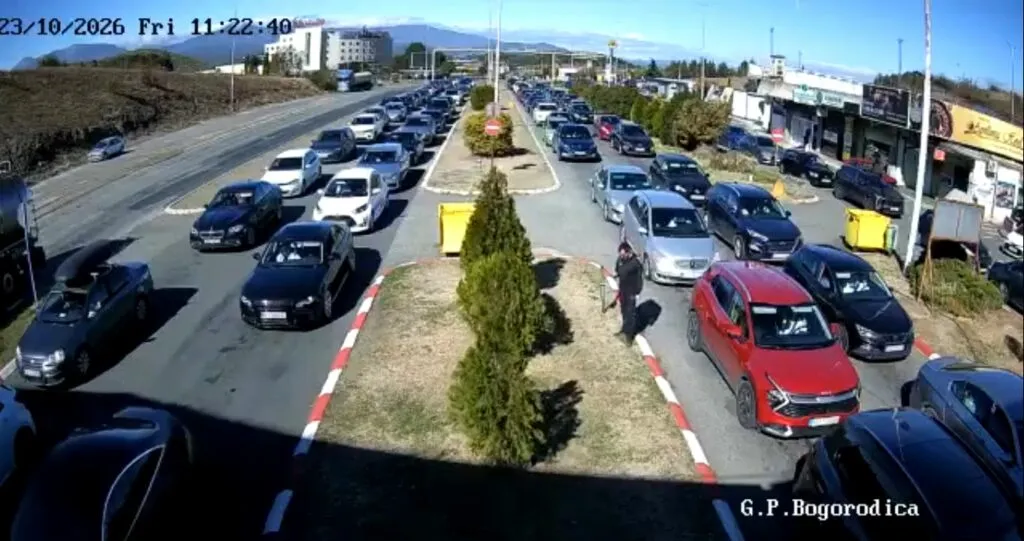
One day off was enough for queues towards Serbia, Kosovo, Bulgaria and Greece. And on the motorway to Bogorodica, one...

Older people come every year; the high-risk groups doctors worry about most rarely do. The first 30,000 doses are here,...

From 700 entrants in 2007 to 15,040 runners from 63 countries. In the region, only Ljubljana ran bigger.

Metropolitan Georgij in Rome: at the altar of the Ohrid saint, then face to face with the patriarch who holds...
This site uses cookies - is that okay? Learn more
Be the first to know when Metla launches something new
Leave your email and we will write when there is a new guide or something new on Metla.