


Kratovo man stabs police officer mid-intervention: prosecutors want the 40-year-old detained
15.09.2026


15.09.2026

15.09.2026

15.09.2026

15.09.2026

15.09.2026
15.09.2026

15.09.2026

14.09.2026

13.09.2026

15.09.2026

15.09.2026
14.09.2026
15.09.2026
15.09.2026

15.09.2026

15.09.2026

14.09.2026

13.09.2026

15.09.2026

15.09.2026

15.09.2026

15.09.2026

15.09.2026

14.09.2026

09.03.2026

27.02.2026

19.02.2026

15.09.2026

14.09.2026

14.09.2026

23.04.2026

23.04.2026

12.04.2026


Snapchat has announced it will no longer reward fully machine-generated videos in its Spotlight section. The recommendation systems are changing so that only content created by real people can enter the recommendations - which in platform language means one thing: no recommendation means no views, and no views means no money.
The company is not banning artificial intelligence. Creators may still use its tools to polish or edit a clip. The line is drawn elsewhere - a clip a machine invented from start to finish is no longer a product the platform wants to push upwards. In its post, Snapchat wrote that it wants Spotlight „to remain a place where people discover authentic creativity from real people“, because, as it puts it, there is lasting value in rewarding the personal story and the moments someone chose to share themselves.
Notice what is missing from that sentence - the word „ban“. This is not a moderation decision but an algorithmic one. The content stays permitted, it simply stops earning. That is the most effective way for a platform to change its supply without having a free speech argument with anybody.
Snapchat is not the first. LinkedIn recently rolled out a button letting users flag a post as machine slop, Substack introduced a tool for spotting newsletters written by a model, and YouTube tightened its monetisation rules so that „inauthentic content“ - generic, repetitive or template-produced - earns nothing, including clips where invented characters talk about health and money. Meta, meanwhile, withdrew an Instagram feature entirely last month that allowed reworking other people's photos from public profiles, after users objected.
So the industry that spent years convincing us automated content was the future is now patiently building filters against it. That is not a change of conviction - it is an admission that supply has outstripped demand. When anyone can produce a thousand clips a day, the only thing left that is scarce is proof that a human being was behind the footage.
For creators working from this region the change is more concrete than it looks. Small markets live on short form and algorithmic recommendations - that is the only way a clip from Skopje or Bitola reaches an audience that would otherwise have no way of finding it. If the criterion becomes „did a human make this“, that is good news for anyone who actually held a camera. Only one question remains: who makes that call, and on what evidence?
The latest 10 news from this category
A scientist at the same company puts the probability of human extinction above 10 percent within the next decade. The...

The president called in while the event was running, and the man who makes the chips answered that there would...
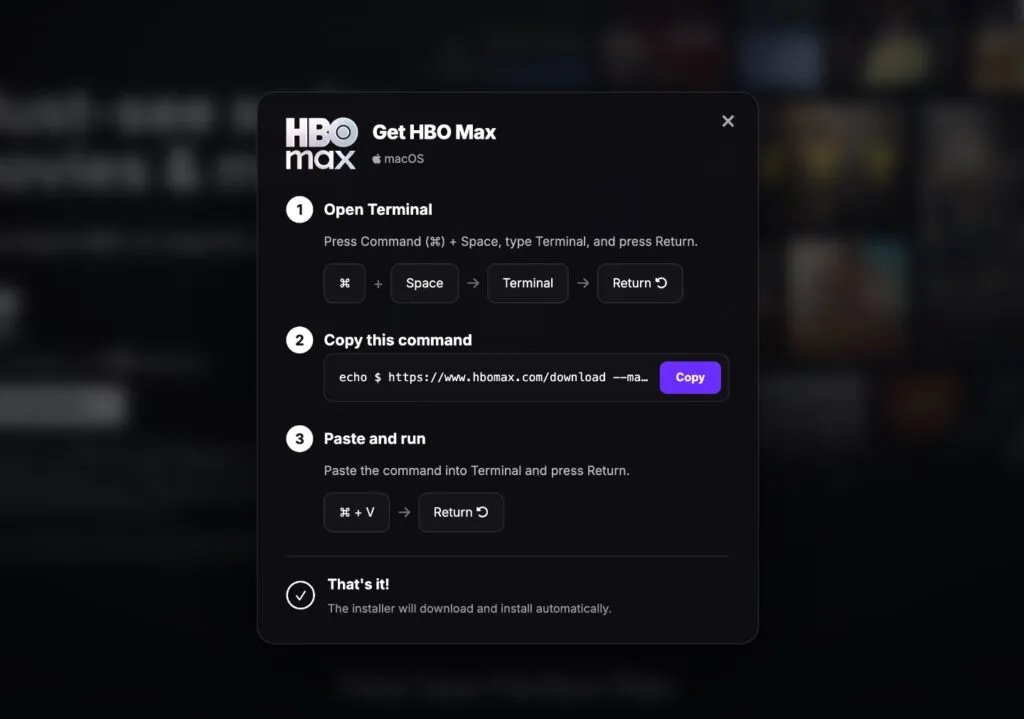
No virus attached, no suspicious file. Just a box that looks like the "I am not a robot" check and...

A researcher quit because the firms are gambling with our lives. Instead of denying it, Anthropic confirmed it - with...
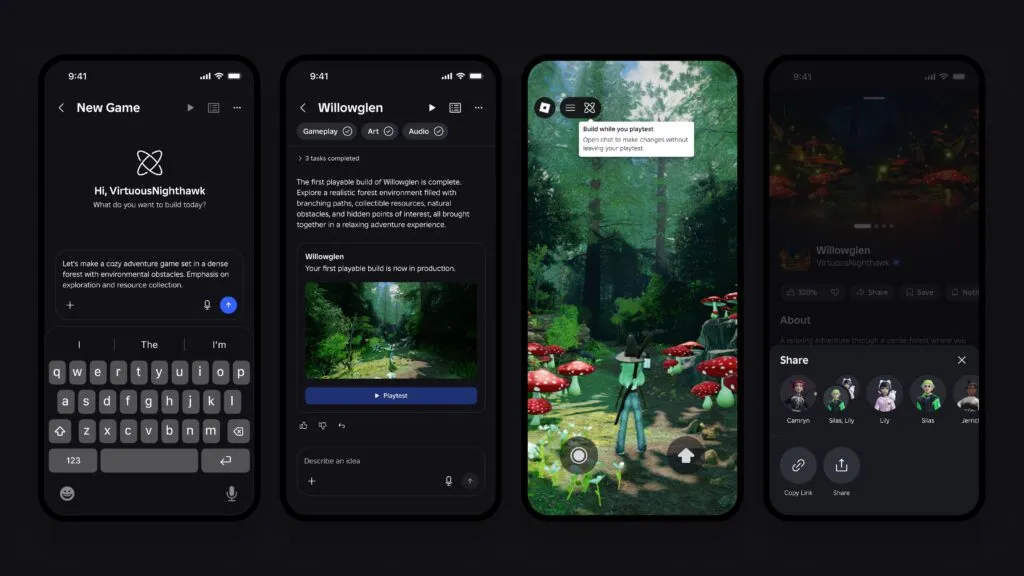
Write a sentence, get a game. Until now it worked only in New Zealand, now in Belgrade too. Creators on...

When the two biggest firms in an industry ask for rules on how fast anyone may run, the rules rarely...

Not a single password fell. What fell was the assumption that a request from a government domain is automatically a...
The biggest names in mathematics have signed a letter against the AI labs. The dispute is not whether the machine...

Five campaigns, 200 million exchanges, and the defences fell to a request for a Japanese translation. The industry that harvested...

The hackers were inside for a whole year. The company confirmed it only after a journalist found his own licence...
This site uses cookies - is that okay? Learn more
Be the first to know when Metla launches something new
Leave your email and we will write when there is a new guide or something new on Metla.
